Stockyards to explore rodeo’s Mexican roots in event honoring contributions of vaqueros
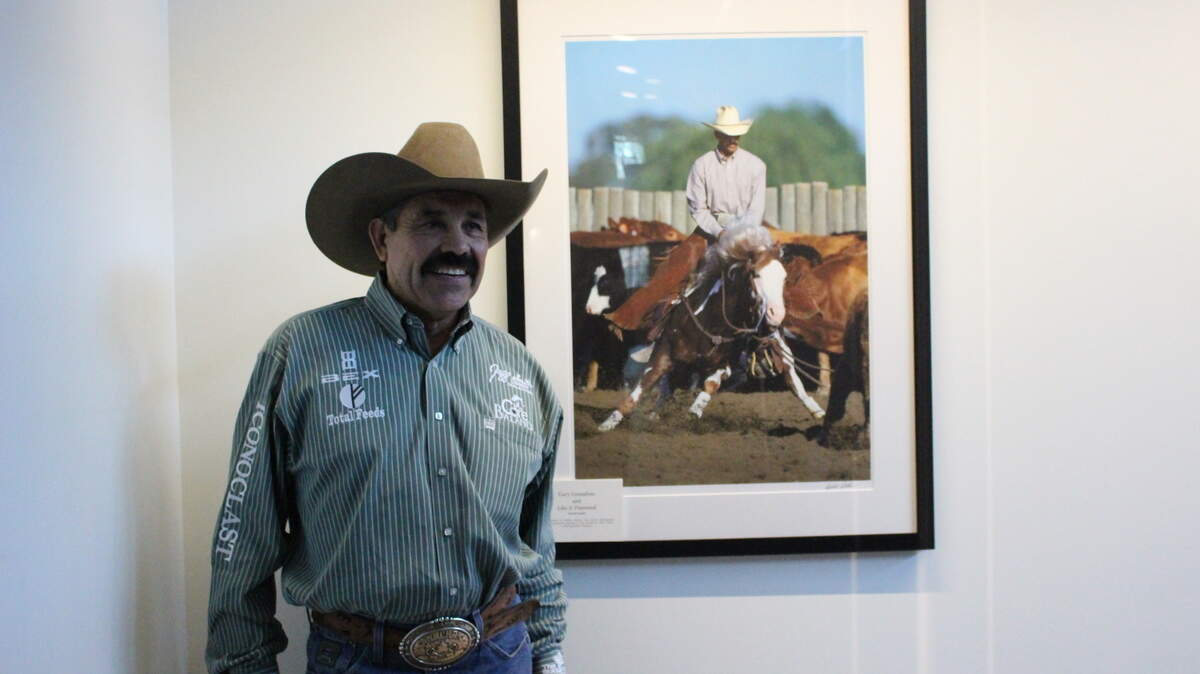
Champion cutting horse trainer Ascencion Bañuelos has passed on his training techniques to his children, just as generations of Mexican Americans have done the same with the traditions of the Mexican horsemanship competition known as charrería.
“It’s a wonderful sport but it’s a dedicated sport; you have to dedicate yourself and make a commitment,” Bañuelos said.
Bañuelos grew up around horse lovers in a small town in Zacatecas, Mexico. He was surrounded by skilled charros that competed in events like bull riding and trick roping.
But Bañuelos left Mexico at 13, an age he said was too young to develop skills in charrería. He did learn tricks on how to best train horses, he said. So when he arrived in the U.S. and first saw cutting horses trained to isolate a cow from the rest of the herd, he learned to train these horses himself. He became the first Mexican American inducted into the National Cutting Horse Association Hall of Fame.
Bañuelos will share his lessons on horsemanship Sunday at the American Paint Horse Association’s Vaquero Gathering. The three-day event starts at 2 p.m. Friday at the Stockyards and runs through Sunday. Intended to honor the history and legacy of the Mexican Vaquero, the Mexican Charro and the Paint Horse, it’s the first Stockyards event of its kind recognizing the influence of these groups on Fort Worth’s rodeo and cowboy culture.
Vaqueros were working cowboys across Texas, Mexico and the American southwest, working on ranches to herd cattle on horseback, passing down valuable skills learned from Spanish conquistadors.
“Cowboys of color probably accounted for at least a quarter and maybe a third of all the cowboys during that 1880s period when what we think of as a modern day cowboy evolved,” said Billy Smith, the American Paint Horse Association’s executive director.
Roping, herding skills, saddle craftsmanship and horse training techniques are some of the skills passed down from the Mexican vaquero that are associated with the modern American cowboy, said Smith. Words like rodeo, chaps and lariat also have Spanish origin.
Vaqueros have ultimately influenced Fort Worth’s modern legacy as a horseman’s town. The Fort Worth Stock Show & Rodeo brought in more than a million visitors last year, said spokesperson Dora Tovar.
The event will honor the tradition that Bañuelos descended from: charrería.
Charros were also influenced by vaquero skills and techniques. The rodeo-like events known as charreadas originated in Mexico’s ranches and gained popularity in the country’s big cities to eventually become the country’s national sport. The nine-event competition is known for its stronghold on tradition and competitors still dress in their traditional five to six piece outfit that inspired the mariachi look.
The sport has gained popularity in Texas and other southwestern states as migrants have made their way from Mexico. There are approximately 32 teams in North Texas.
Bridgeport resident Jose Gandara is a lifelong charro who is the delegate of the 22 North Texas teams registered in the federation that regulates the sport, Federación Mexicana de Charrería.
When he moved from Mexico in his 20s, he said he wanted to continue the sport that he grew up with in his country.
“It’s full of tradition and it’s something that’s worth teaching and spreading and having the generations continue to follow... because this is a Mexican sport and we’re not in Mexico and if we don’t continue it, eventually it’ll die off,” Gandara said.
Gandara is also this weekend’s event coordinator, planning the exhibition of traditional charro skills.
“We want people to see great horsemanship, but we also want them to walk away learning the history of these great horsemen and horsewomen and their contributions through the ages,” Smith said.
Smith said that the paint horse association hopes to expand and feature charro competitions in the future, not just exhibitions of what charros can do.
Smith said he’s looking forward to Bañuelos’ horsemanship clinic over the weekend.
“Hopefully we can draw enough people from both universes into the arena to let him connect the dots between modern day cutting and other more well-known events and how they have evolved from the charreada,” Smith said.
Bañuelos said that he also hopes to encourage charros and young people to get involved with training cutting horses.
“Not only rich people can do it. You don’t have to be rich, you don’t have to be born in the United States to do it,” Bañuelos said. “I’ve been kind of the example that you can do it if you want to.”