Russian orphan who buried body under Fort Worth house is sentenced to death
A jury in Tarrant County on Monday directed a judge to order the state to execute by lethal injection a man who tortured and beat to death his romantic partner before he buried her in the dirt of a crawl space underneath his house in west Fort Worth.
The panel was unpersuaded by a defense argument that Valerian O’Steen’s dysfunctional early life in a Russian orphanage before his adoption by a North Texas couple when he was 7 warranted a punishment of life in prison without the possibility of parole, the alternative sentence for a person convicted of capital murder in cases in which the homicide occurred when the defendant was 18 or older. Nor was the jury sufficiently moved by accounts of his birth mother’s alcohol consumption during pregnancy, his small brain or other factors.
O’Steen killed Marissa Grimes, who was 26 and the mother of three young children. Her body was found wrapped in blankets and a gray tarp underneath the single-story house painted white with blue trim.
O’Steen bludgeoned Grimes, caused a subdermal hemorrhage in her brain, dug a shallow grave for her under the house and for 10 days lived above it, according to evidence presented during the trial. Police later sawed open the floor to expose Grimes’ decomposing 135-pound body.
As Tarrant County District Attorney Phil Sorrells, who made the final decision to seek the death penalty in the case, watched from the center gallery’s second row, the panel’s presiding juror read aloud the verdict form in midafternoon. The four-hour deliberation period included a takeout Jimmy John’s lunch and a smoke break. O’Steen had no physical reaction to the death sentence.
The jury in the 371st District Court heard evidence that Grimes suffered a broken arm, nose and ribs. Both of her eyes were blackened. She had multiple cuts to her head and bruises on her arms, hands and fingers.
Her hair was in places chopped short.
Victim’s father speaks after sentencing
Marissa Grimes’ father, Daryl Grimes, addressed O’Steen in the courtroom after Judge Ryan Hill pronounced the sentence.
“You had no right to take away my daughter’s life,” Daryl Grimes said. “You had no right to take away the mother of those boys.”

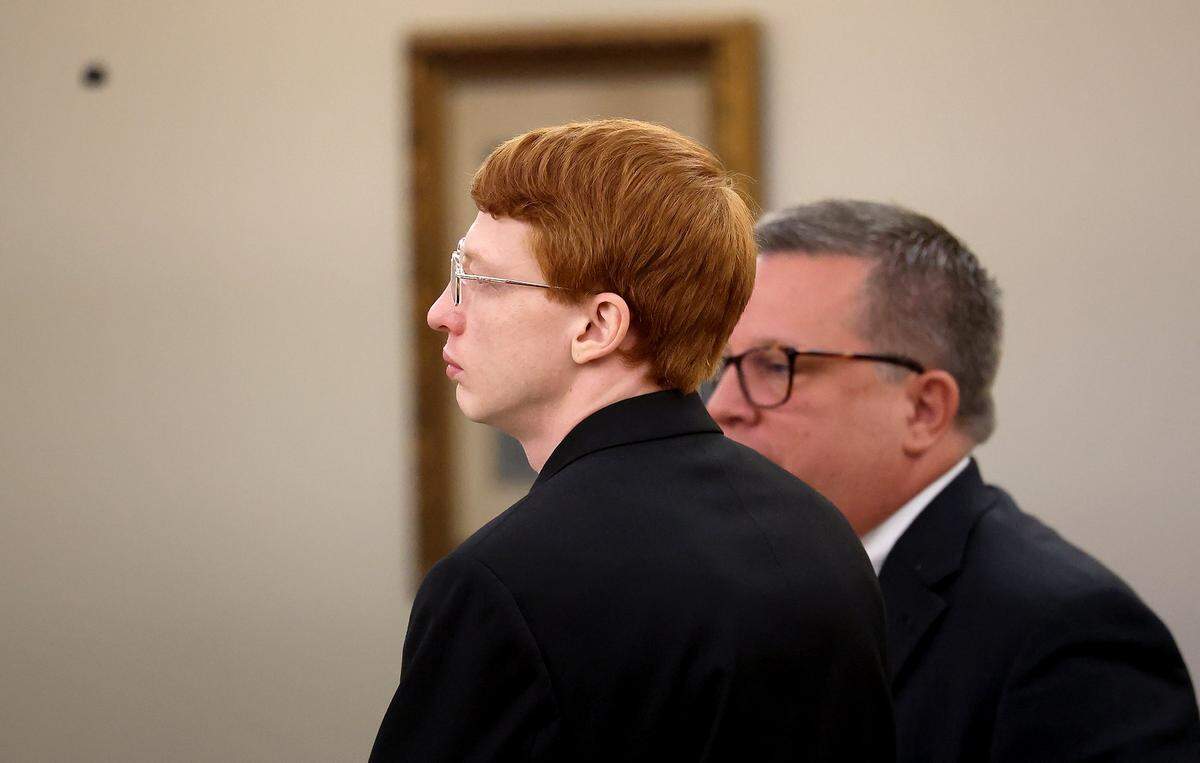
O’Steen, who is 28, stood with his attorneys in the courtroom well, facing the rail at which Daryl Grimes spoke. The defendant testified during the trial and denied that he killed Marissa Grimes.
In the days before police found the victim’s U-Haul vehicle abandoned on Lake Como Drive, her relatives reported that she was missing. The vehicle was about a mile from O’Steen’s house on Locke Avenue, according to the account of Fort Worth Police Department Homicide Unit Detective Jerry Cedillo that is included in an affidavit supporting O’Steen’s arrest warrant.
On Feb. 22, 2022, police executed a search warrant at O’Steen’s house and found a crawl space entry in a bedroom closet. A SWAT officer looked down into the space and saw a mound of dirt and smelled the odor of decomposition. The next day, police found Marissa Grimes’ body in the crawl space.
A Tarrant County Medical Examiner’s Office pathologist determined that her death was a homicide caused by blunt force trauma to the head.
In reaching the verdict, the jury was instructed to weigh whether the state proved beyond a reasonable doubt that it is probable O’Steen would commit future criminal acts of violence that would constitute a continuing threat to society. The panel also weighed whether there was mitigating evidence that it might regard as reducing O’Steen’s moral blameworthiness and warrant a sentence of life in prison without parole. The panel unanimously answered yes to the first special question and no to the second.
O’Steen is the second capital murder defendant for whom the state sought the death penalty to go to trial in Tarrant County this year.
A jury in May found Lamont Cousins guilty of capital murder in the December 2020 killings of three people, rejected the state’s preferred death sentence and assessed punishment at life in prison without eligibility for parole.
Juries in Tarrant County last year sent three defendants to death row.
O’Steen had a history of domestic violence
Six days before Grimes’ body was found, O’Steen pointed a gun at another woman and threatened to harm her if she left his house.
The woman later described to detectives seeing blood in the hall near the kitchen entryway. O’Steen told her it belonged to a man whom he assaulted. The detectives believe that Grimes was already dead, and the blood belonged to her.
In the month before Grimes died, O’Steen refused for several days to allow her to leave his house, repeatedly pointed a gun at her and threatened to kill her, according to law enforcement authorities.
At some point, Grimes sent text messages to her father, and police located her, with O’Steen, outside the house.
O’Steen was arrested at that time on domestic violence crimes. He posted a $5,000 bond and was released from a Tarrant County jail within a few days of his booking, with conditions that included wearing a GPS monitor on his leg and staying away from Grimes.
Grimes’ family persuaded her to move to West Texas to get away from O’Steen, but after she packed the U-Haul, she stopped at his house to say goodbye to him, prosecutors said.
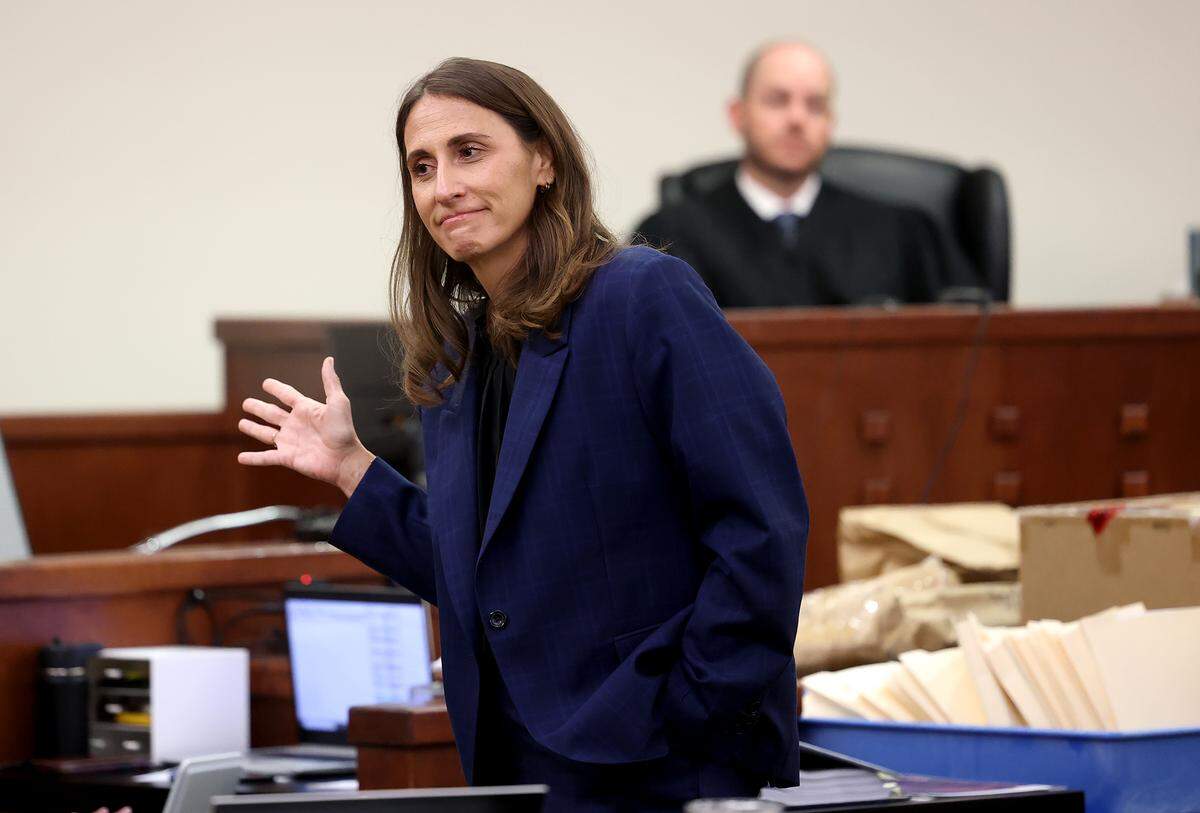
Prosecutors Allenna Bangs and Peter Gieseking argued that O’Steen was in the course of committing or attempting to commit obstruction or retaliation when he beat Grimes to death.
O’Steen may have used a bat, stick or gun to strike Grimes or may have used his hands to bash her head against the floor, Bangs suggested. The precise method of the killing is not identified in the indictment.
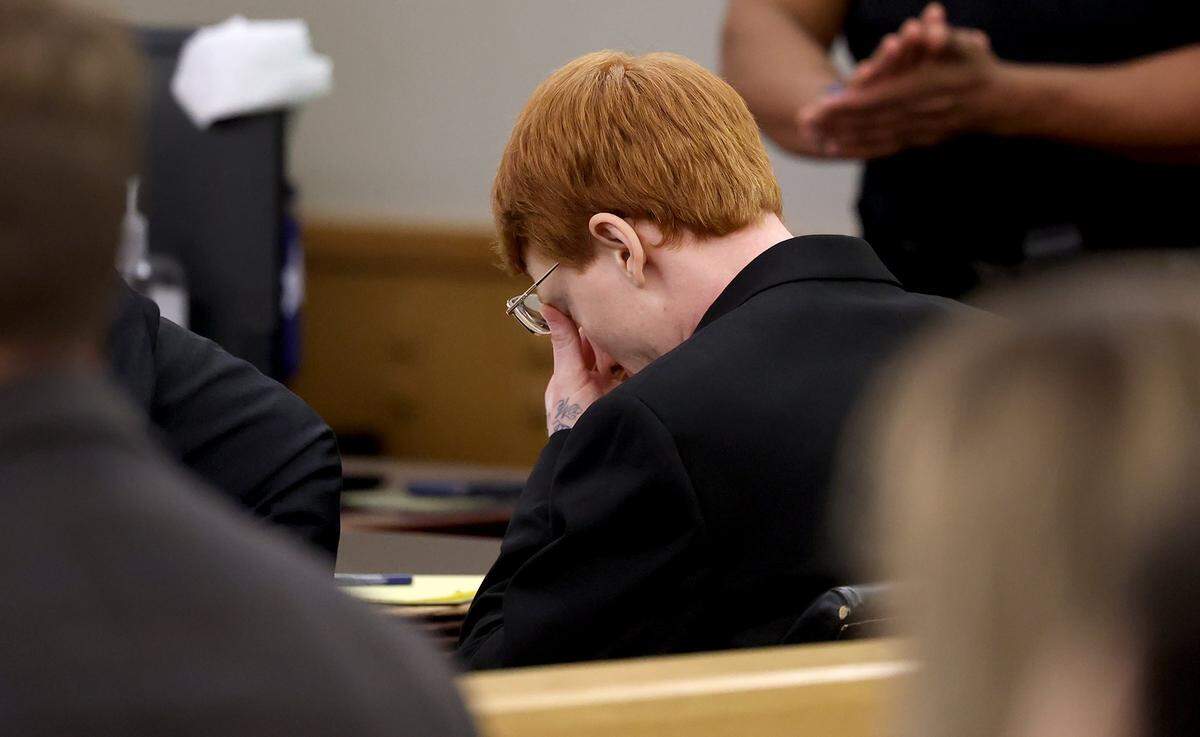
The defendant testified that he woke after hearing a thud and found Grimes profoundly injured. She was present with an acquaintance, Jake Skelly, who O’Steen said was high on drugs and unable to explain the injury. Together Skelly and O’Steen buried Grimes, the defendant told the jury. In earlier testimony, Skelly denied he was inside the house at the time Grimes was injured.
Defense attorneys Bob Gill, Miles Brissette and Colin McLaughlin were appointed to represent O’Steen.
The trial began on March 27. Jury selection is, in cases in which the state is seeking the death penalty, conducted with one prospective juror at a time.
The state will use pentobarbital to execute O’Steen.
This story was originally published September 22, 2025 at 4:51 PM.