
After unimaginable loss, a North Texas family struggles to rebuild their lives
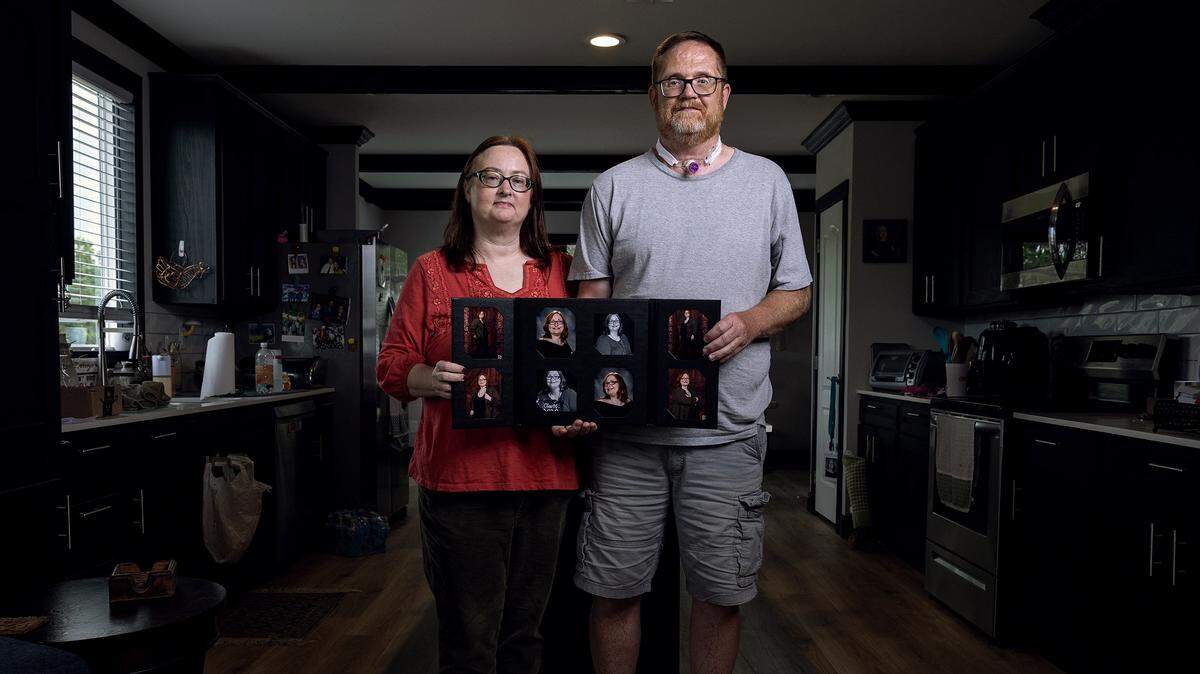
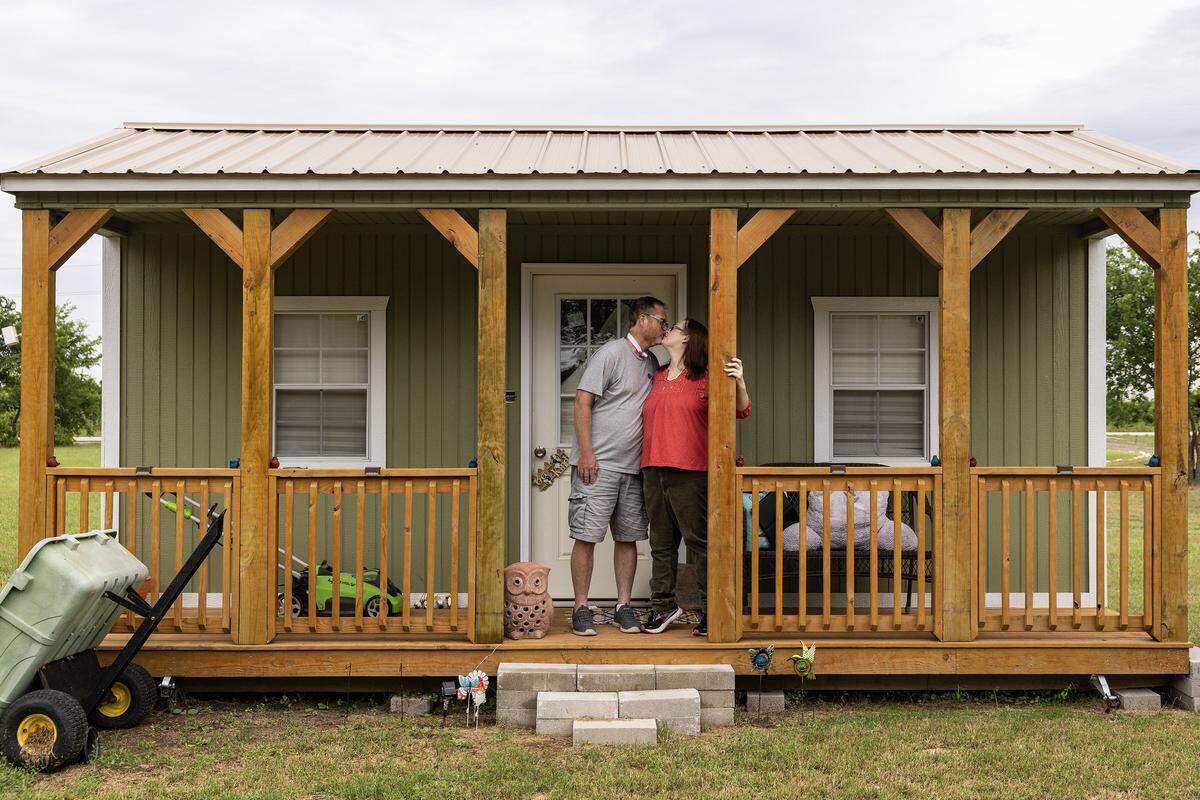
The city slowly fades as you leave Texas 114 and enter rural Haslet. At the end of a long gravel driveway, Kevin and Amy Kirkland’s home stands alone on acres of open land.
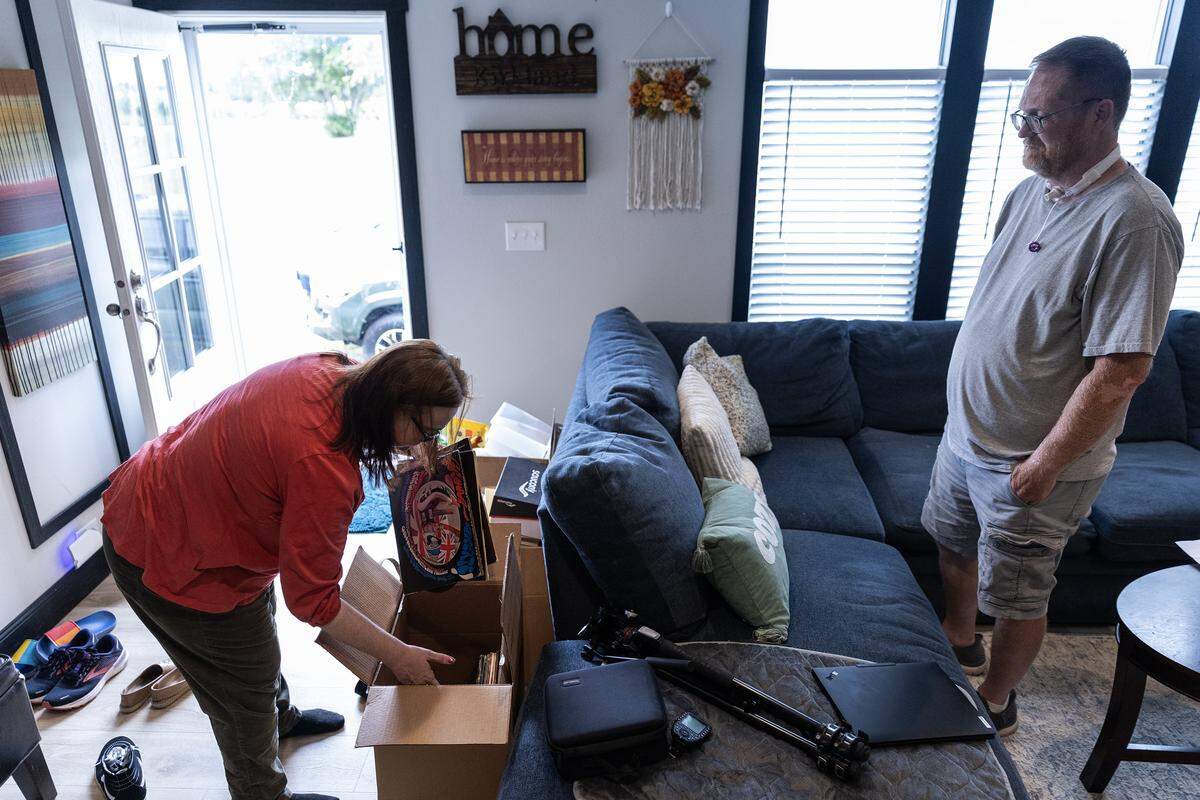
Amy, a teacher at Eagle Mountain-Saginaw ISD, opens the door. Unopened boxes sit piled in the entryway. Kevin, a retired math teacher, is sitting on the couch. A bright yellow dining chair catches the eye, and small wall decorations line the space — one reads, “Home is where the story begins.”
The couple moved in last October after a life-altering event forced them to leave the home they had lived in for 14 years.

Around 6 p.m. on Aug. 7, 2022, the Kirklands were having what they describe as a normal family day in their home on Jason Court in White Settlement. They had gone to work out in the afternoon and brought home dinner.
Amy and the couple’s 18-year-old daughter, Katey, were watching a movie together. Katey got bored after about 20 minutes and went to her room. “I think she was watching YouTube videos, as teenagers do,” Amy said.
Kevin had just taken a shower and was in the middle bedroom with Katey, Amy said.
While Amy was still watching TV in the living room, suddenly it sounded like “a bomb went off, like a pressure bomb — all the doors from all the rooms exploded inward in the hallway,” she recalled. “Took me a second to realize something was wrong, and I started screaming, and found my phone and ran outside.”
Amy said people in the neighborhood thought an airplane had hit their house. “It was that loud and forceful.”
A drunk driver had lost control and crashed a pickup pulling a flatbed trailer through a neighbor’s fence and trees, and then crossed the street and crashed into the Kirklands’ home. Katey was killed in the crash, and Kevin was critically injured.
Amy said when she went to the hospital to visit Kevin, she didn’t recognize him. “His eyes were swollen, his face was swollen — I thought they had taken me to the wrong person.” It was as awful as one can imagine, she said.
Kevin doesn’t remember anything from that day through about March of the next year, Amy said.
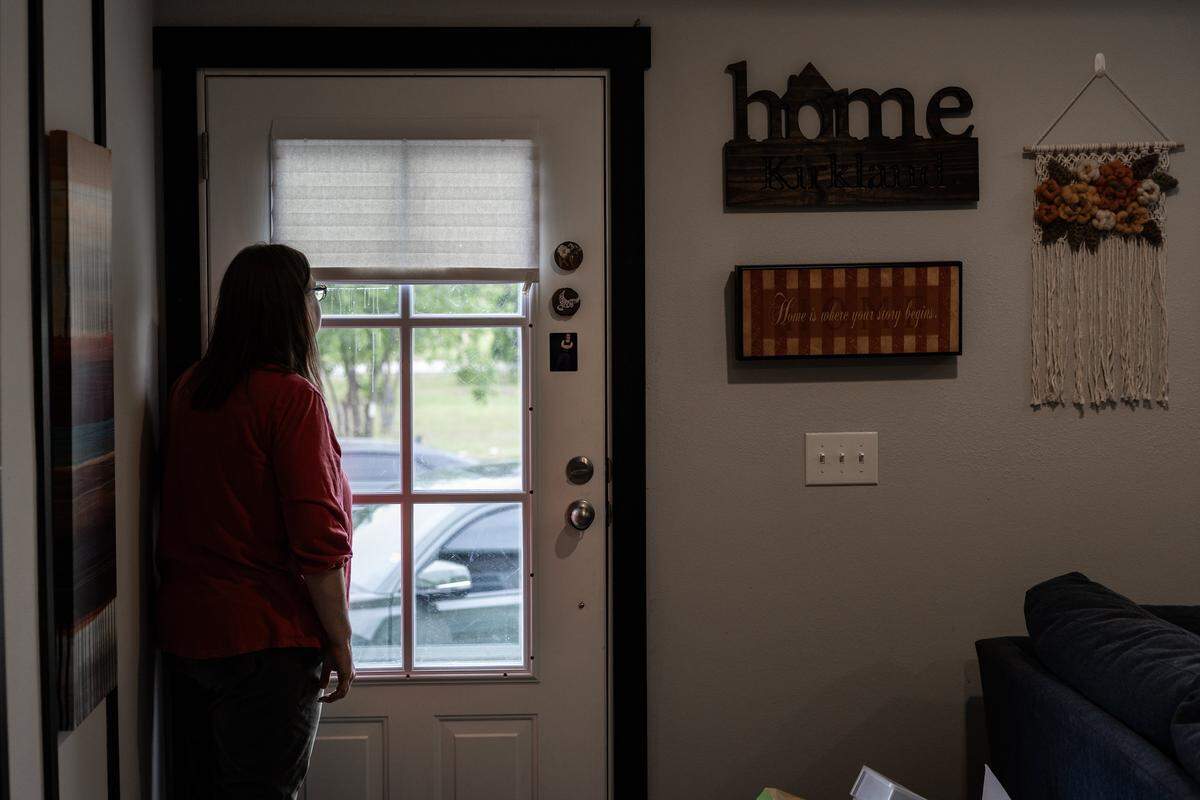
In the months that followed, every day was filled with uncertainty.
“You’re living with questions like: Is my husband going to survive the night? The week? Is he going to be OK? Will he remember me? Will he even want to be married?” she said. “Everything felt uncertain.”
The Kirkland family had moved into their White Settlement home when Katey was 3 years old. But after the loss of their only child, Amy couldn’t go back to the house that she had called home for 14 years. She ended up staying alone in a hotel, which was covered by their homeowners’ insurance, through February of the next year.
“It was just obviously the worst time in my life, but I was grateful to have somewhere to live,” she said.
Parents cherish memories of their only child
Amy and Katey were watching the new “Teenage Mutant Ninja Turtles” movie minutes before the crash.
“One thing that we did like to do was see if we recognize the voice actors in movies. So we were realizing that we were recognizing some of the voice actors from some other shows,” Amy said.
“I remember her getting up ... and walking in a room and that was it,” Amy said. That was her last interaction with her daughter.
Katey had just finished her junior year at Saginaw High School and was a week away from being a high school senior, Amy and Kevin said.
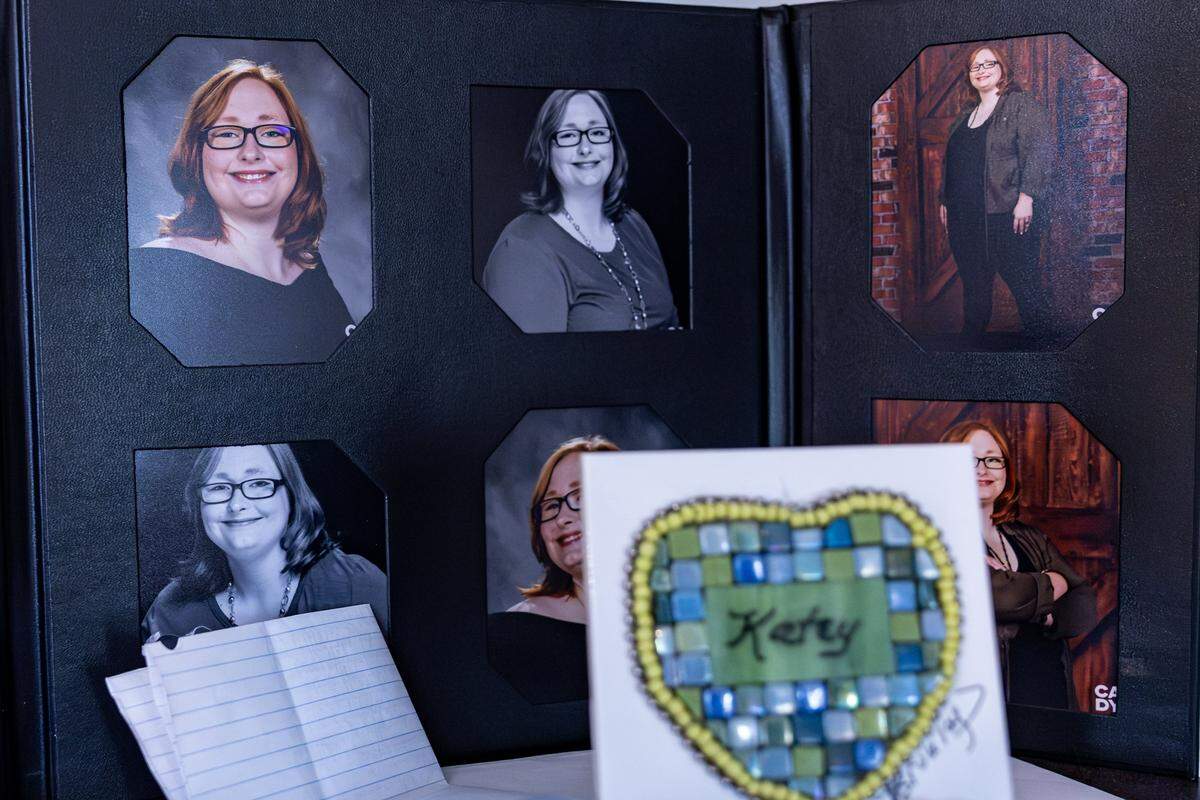
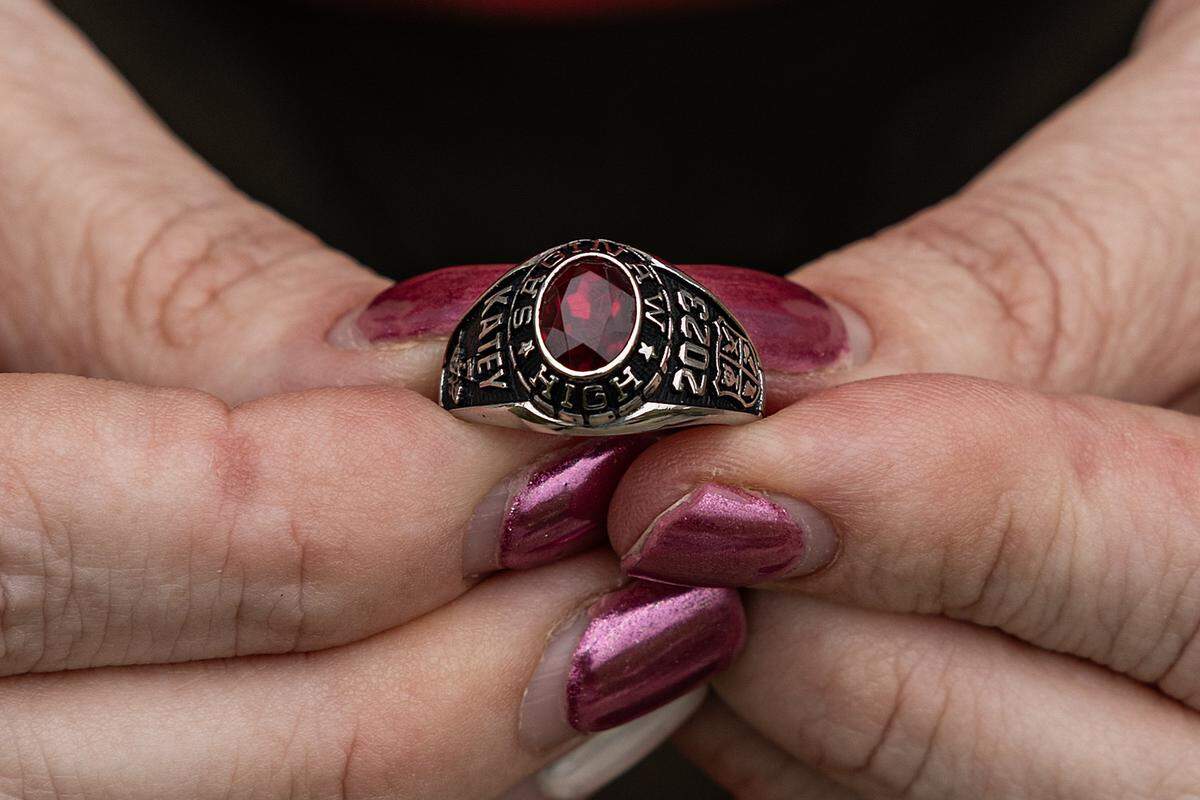
Katey liked watching YouTube videos, painting, drawing and art in general. Most of her art was destroyed in the crash.
Katey had just registered to vote, got her driving license and bought herself a car, her parents said proudly.
Amy said her daughter was excited about being a senior. She was nervous about being an adult, but she was excited to start that next phase of her life.
“That summer, we could see her mature and just coming into herself and getting ready to go out into the world and do great things,” Amy said.
The Kirklands had been touring colleges, and Katey was trying to decide which one to attend.
“She just turned 18, we had almost done everything we were supposed to do,” Kevin said, to which Amy added, “I feel like we got her to the finish line — we just had to finish that one more year.”
Amy said Katey was “a really good person” whom they tried to raise to “do the right thing, be honest, follow rules.” Kevin added that she was “quiet for the most part, especially around people she didn’t know, but was always willing to help you out.”
A box filled with records of old and new songs is in their new living room. Talking about a family tradition, Amy and Kevin said they would go comic book shopping and record shopping with their daughter. Katey collected records because she liked the artwork on the albums.
“She was my friend,” Kevin said with tears in his eyes.
Amy said Katey was her “whole life,” and losing her felt like Amy’s “whole adult life is over.”
“It’s your whole world,” she said. “And not just to lose her, but to compound it with potentially losing your husband and your house.”
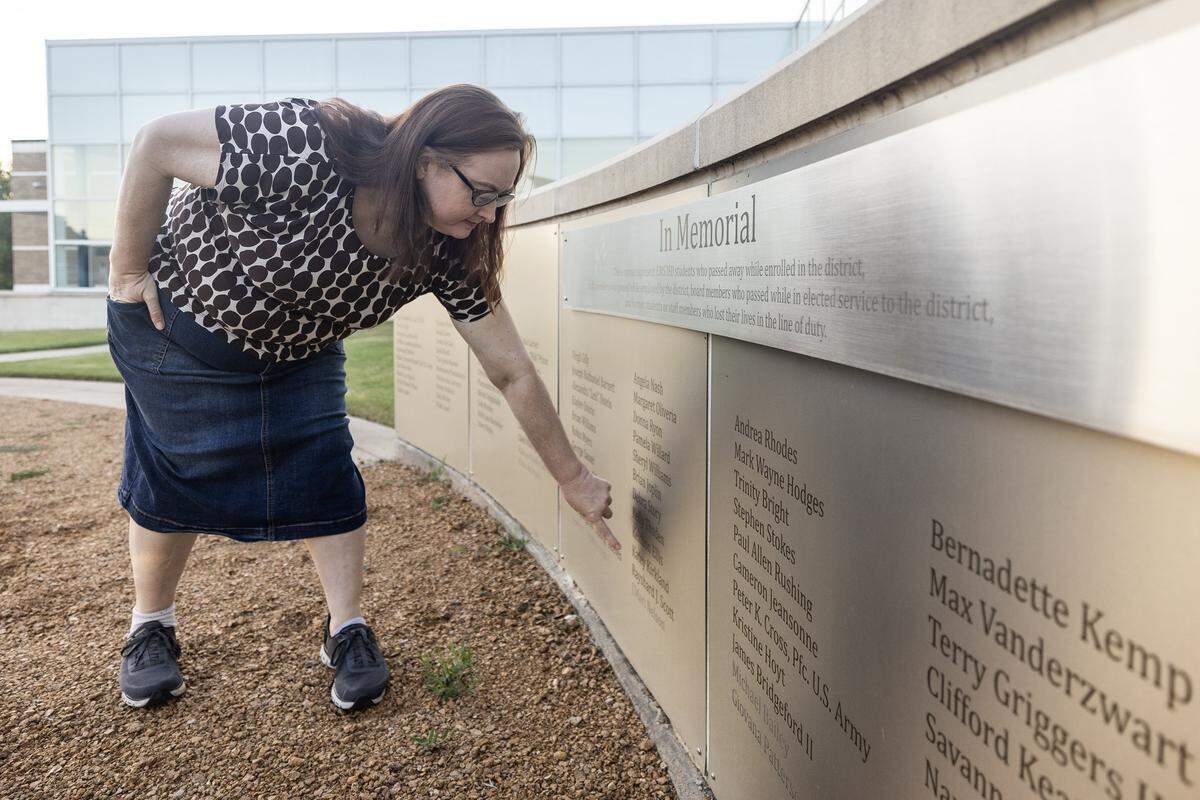
A few months after the crash, Amy returned to teach at the same school her daughter had attended, seeking the only sense of normalcy she had left.
“It was good to come back and see all the same people,” she said. “I’ve never hugged so many people in my life.”
“It changed some facets of some relationships, some got strengthened, some kind of fell away. But yeah, that, to me, felt like my safe place, as cliche as that is, because that really was the only place that I had left was to go back to work and see the same people and be in the same environment and just have some normalcy,” she said.
Kevin’s recovery meant relearning everything
Kevin was hospitalized, and he did not know his daughter had died.
“I don’t remember the accident at all. The first memories I started having that were anything realistic, that weren’t just me having dreams, probably was in about March (2023),” Kevin said.
“There were a bunch of people, family members, and they came by to visit me,” he said. “That’s when I kind of figured it out.”
Amy said she first told her husband about their daughter’s death in November, around Thanksgiving. A detective met with Kevin, Amy and her cousin in the lobby of the facility where he was staying.
“She had the autopsy report and all of that,” Amy said. “She was the one who actually told him, and that was hard.”
Later, she said, he didn’t remember that moment and believed it had been a dream.
Kevin suffered multiple skull fractures, an ischemic stroke and traumatic brain injury and needed extensive medical intervention, said Kylie Chang, a spokesperson for the Centre for Neuro Skills.
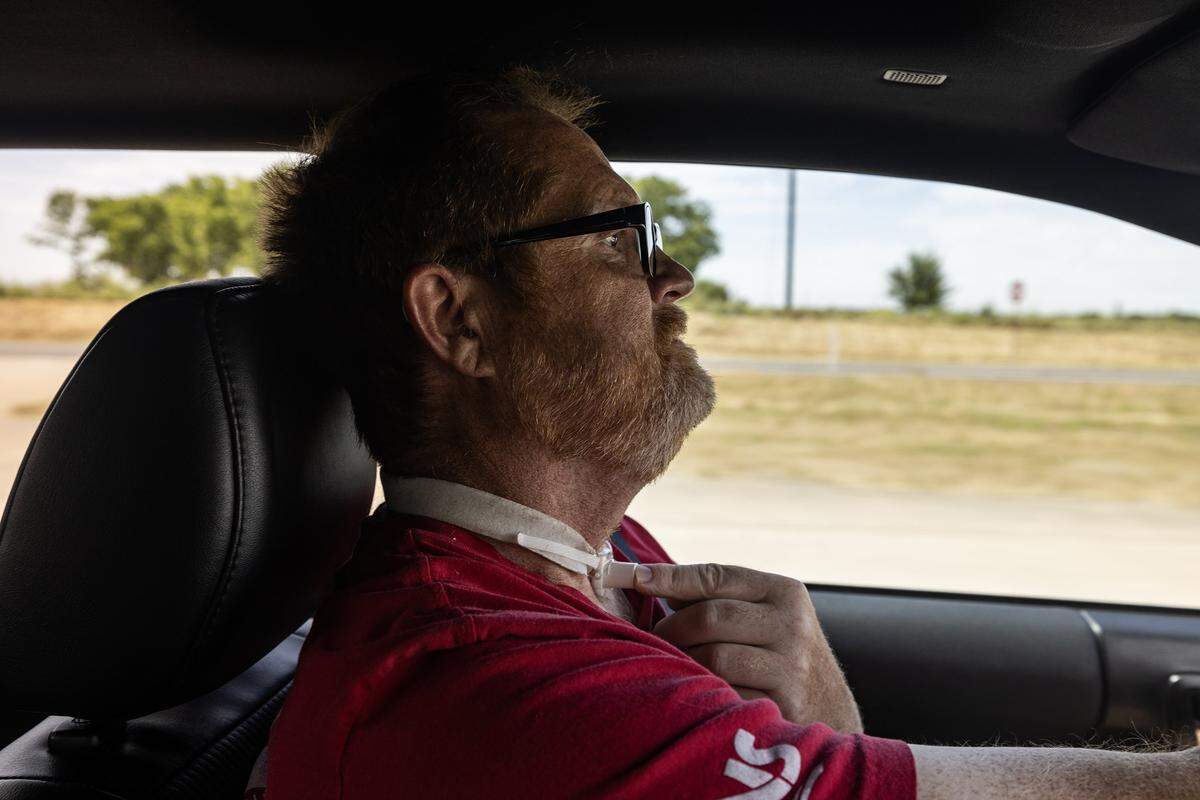
In March 2023, Kevin had a shunt put in, and “that made all the difference and he was able to start progressing from there,“ Amy said. His awareness improved. Kevin had been asking if every red-haired person walking down the hallway was their daughter, Amy said. That’s when she told him again that Katey was gone.
“I think that’s when it kind of sunk in,” Kevin said. “I realized it was real.”
“It was upsetting, for sure, especially to find out about it so far after the fact. It was very, very hard, and there’s nothing you could do about it,” Kevin said.
The driver who crashed into their home fatally shot himself two years later, about a week before his trial for intoxication manslaughter was scheduled to begin.
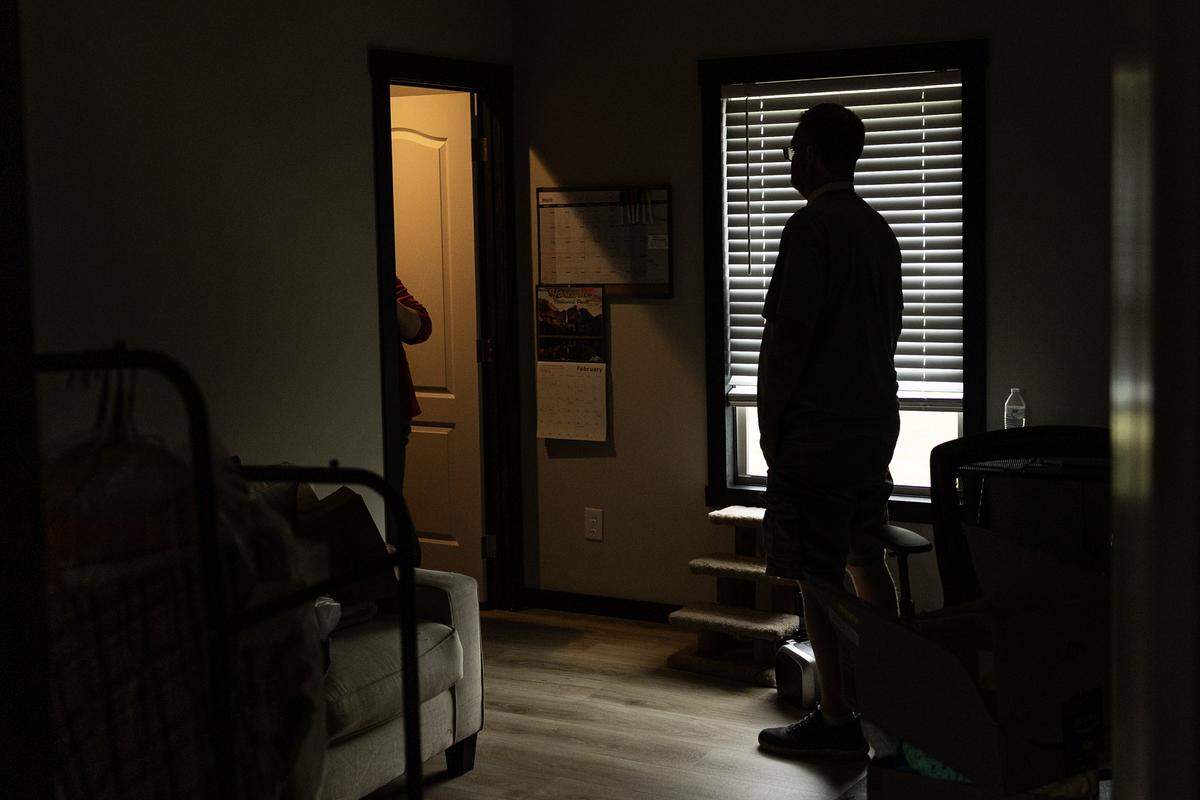
Amy and Kevin did not live together for about a year and a half while Kevin was hospitalized and later transferred to the Centre for Neuro Skills for rehabilitation therapy.
Getting better one day at a time
Chang said Kevin was admitted to the CNS Fort Worth clinic in May 2023 in a challenging condition, unable to walk, and struggling to talk and process his emotions.
“Our staff had to approach it with sensitivity, knowing how much Kevin and Amy’s lives were upended — counseling therapy was a major part of his treatment,” she said.
Kevin made remarkable progress, relearning basic functions like walking, speaking and swallowing, she said.
Chang said helping Kevin regain a life of independence is all that they hoped for.
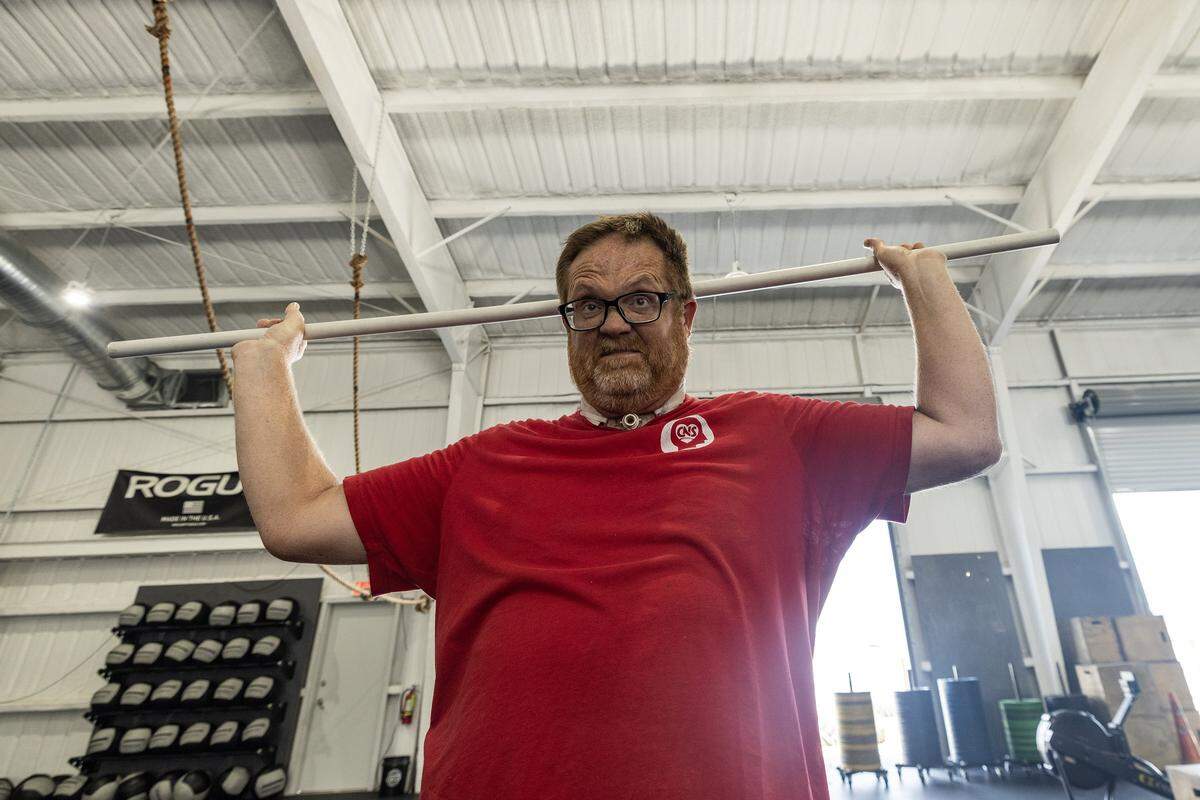
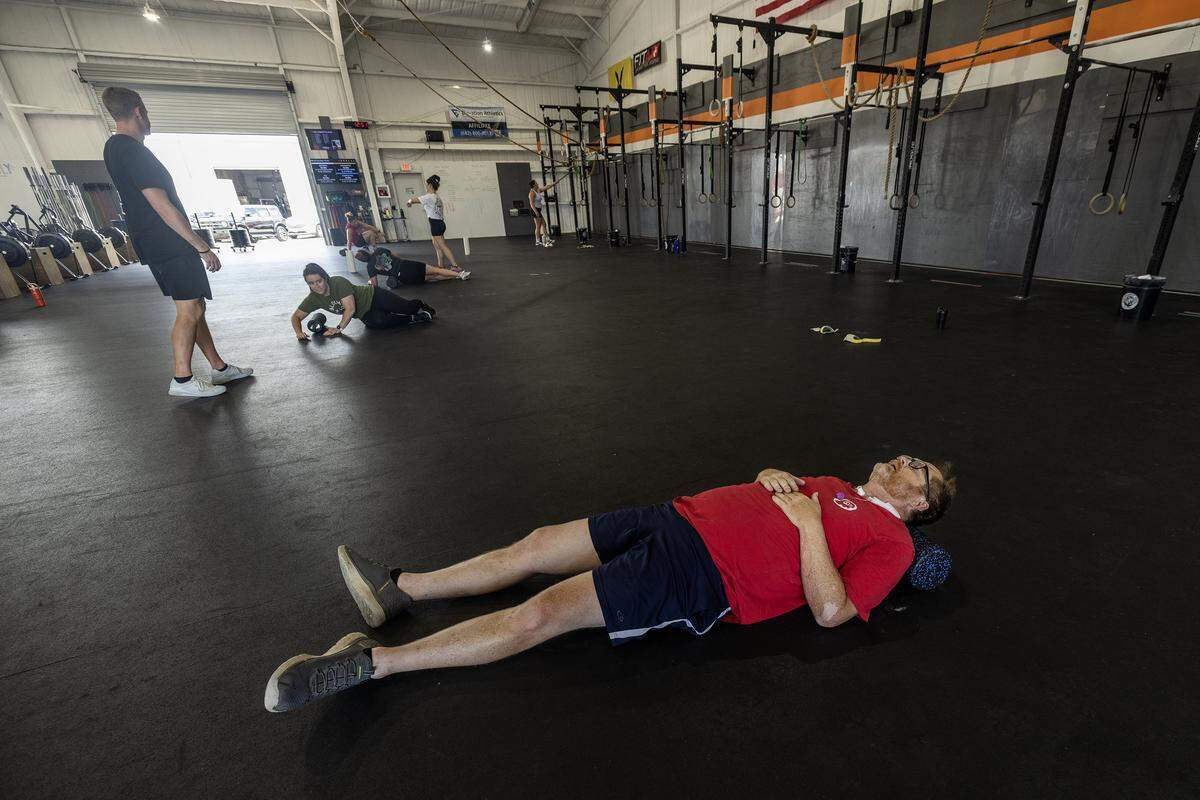
“It was a balance between helping him process his own grief while also encouraging him to focus on his rehabilitation,” Chang said.
At the Neuro Skills house, there was a lot more to do — going shopping, cleaning your room, just watching TV, moving around and doing things,” Kevin said. “In the hospital, you were basically just waiting on someone to do everything for you.”
Amy said his progress has been significant.
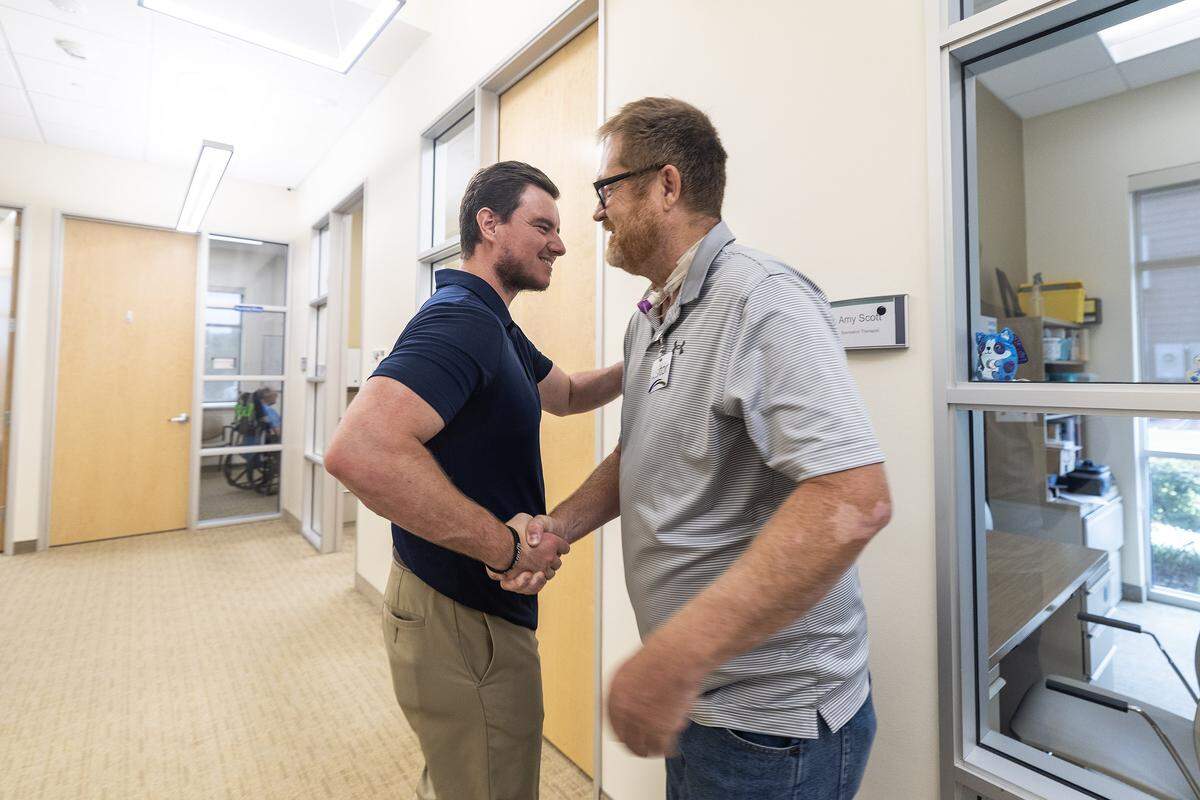
“Physically, he still has some balance issues, but he’s come a long way,” she said. “He went from being completely immobile and unconscious, to sitting up, getting into a wheelchair, going outside, standing, walking — and now, he’s driving again.”
Kevin began driving in October of last year. He and Amy now go to CrossFit together.
“He can’t run yet, but he can lift and do all the things, just a little bit modified,” Amy said.
At the Centre for Neuro Skills, Kevin participated in a range of therapies, including physical, occupational, speech and recreational therapy, as well as counseling.
“All of it was helpful,” he said. “They started from the very beginning and helped you build small successes. That got you ready for the next day and the next one after that. It seemed simple at the time, but it was necessary.”
“They were helpful, but they didn’t do it for you,” he said. “There’s a delicate balance there.”
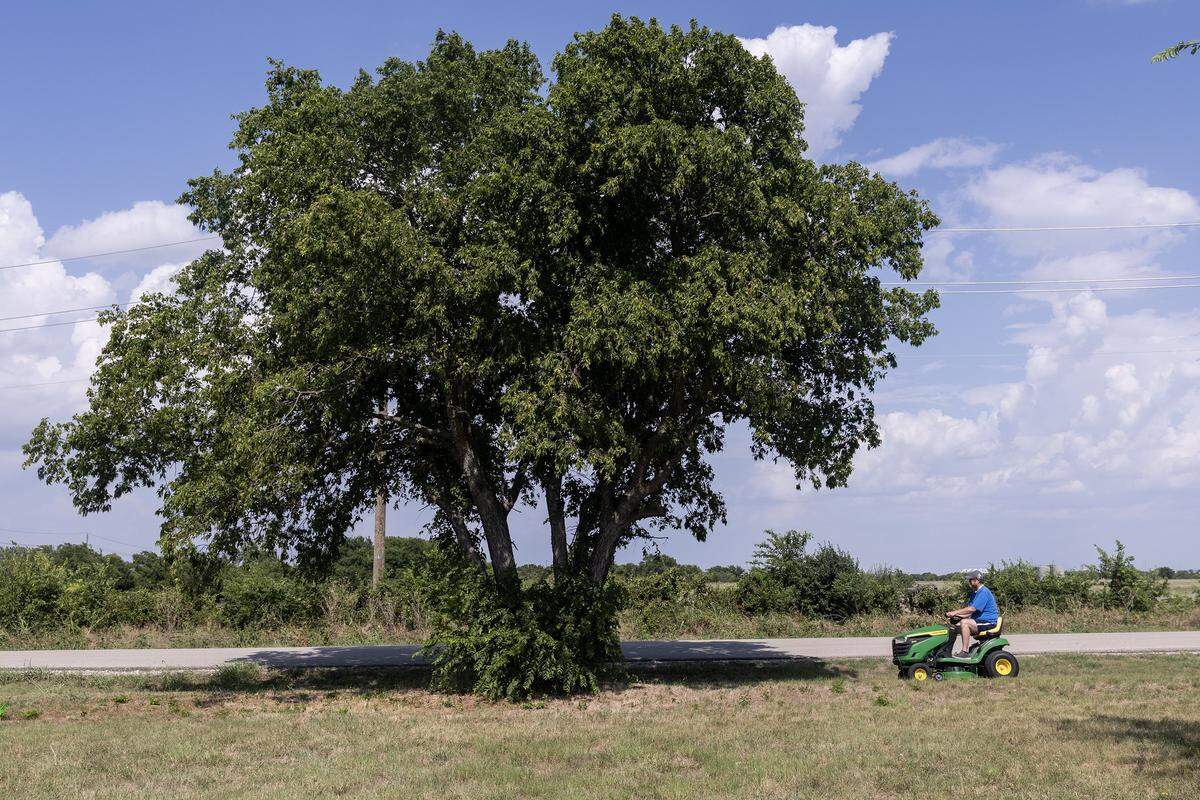
Kevin said he still has some issues with balance and does not have binocular vision — the ability to use both eyes to focus on a single image — anymore. “I can do things like drive — like if I’m just sitting still in the car, I’m OK. But when I change my view suddenly, I can get a little dizzy,” he said.
“I’m still getting better, and working to get better,” Kevin said. ”You improve a little bit every day, but you’re never back to where you were. And that’s the frustrating part about it.”
Amy said she is really pleased and impressed with his progress. “These little victories, he thinks they’re small, but I think they’re huge,” she said.
This story was originally published September 26, 2025 at 4:30 AM.