
In appeal, Aaron Dean cites 4 trial errors in Atatiana Jefferson manslaughter conviction
READ MORE
Murder Trial of Aaron Dean
The case against Aaron Dean in the shooting of Atatiana Jefferson finally began to unfold Nov. 28, 2022, with jury selection. Dean was sentenced to more than 11 years in prison Dec. 20 after he was convicted of manslaughter. Read the trial coverage here.
Expand All
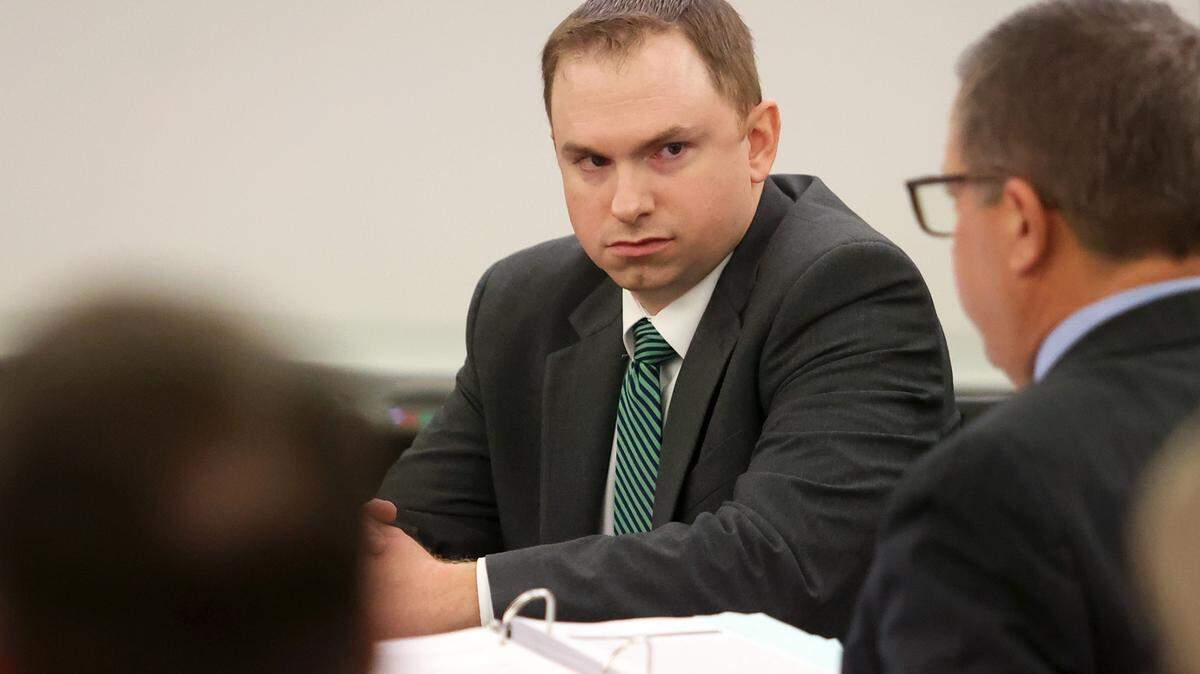
Four trial errors merit appellate court reversal in the case of a former Fort Worth police officer who last year was convicted of manslaughter in the shooting death of an armed woman inside the house where she was living, an attorney who represents the former officer argued in a document filed this week.
Judge George Gallagher, who presides in 396th District Court in Tarrant County, erred at Aaron Dean’s trial by instructing the jury on the lesser included offense of manslaughter, by not changing venue for the trial under either of two legal standards and by providing to jurors an erroneous definition of reasonable belief, defense attorney Bob Gill wrote in the document.
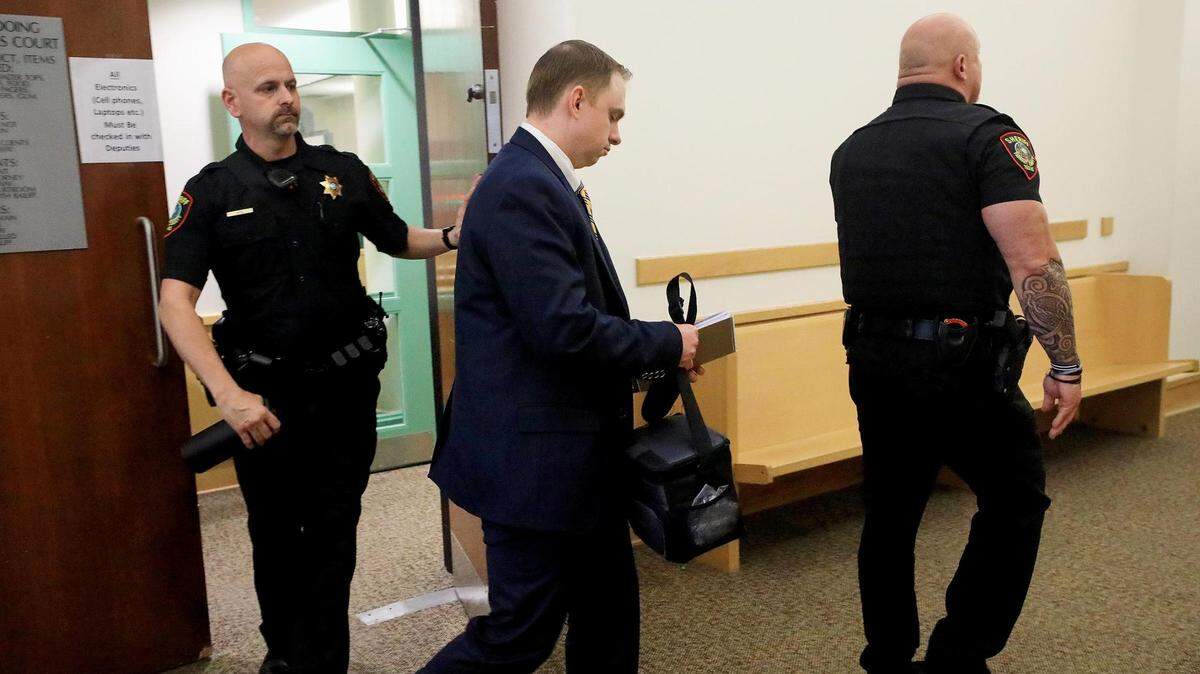
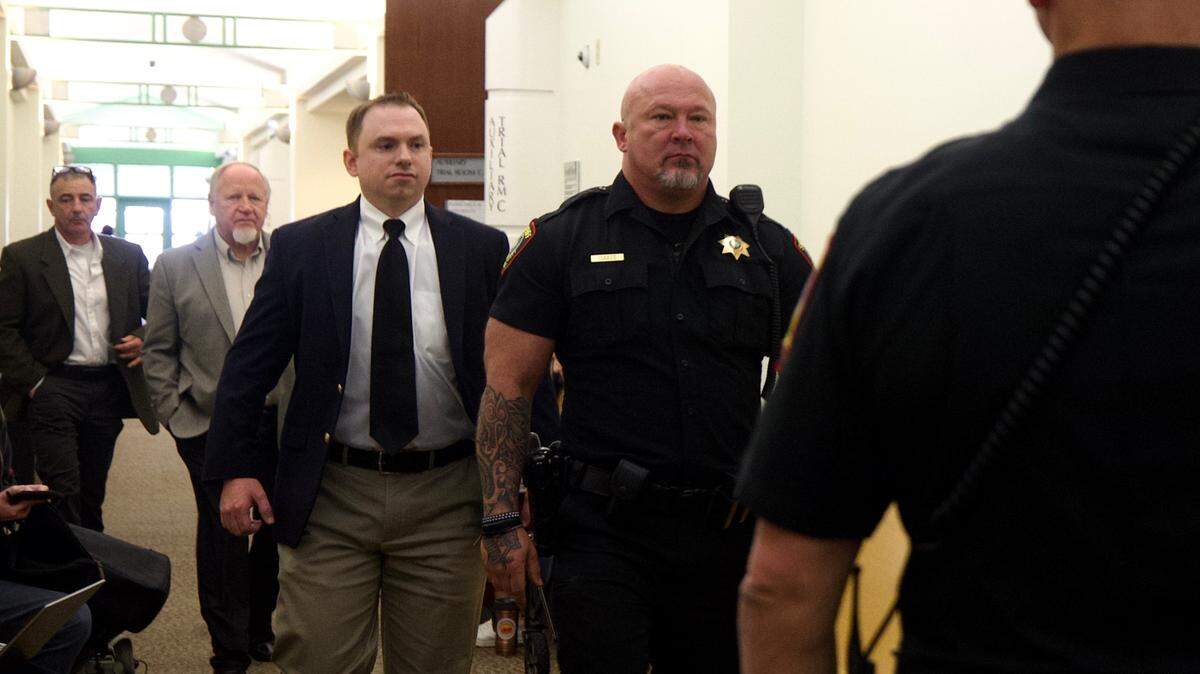
The appellate brief was filed on Tuesday in the Second Court of Appeals. A jury on Dec. 20 sentenced Dean to 11 years, 10 months and 12 days in prison. Dean will be eligible for parole on Nov. 18, 2028, the date on which he will have served half of the sentence.
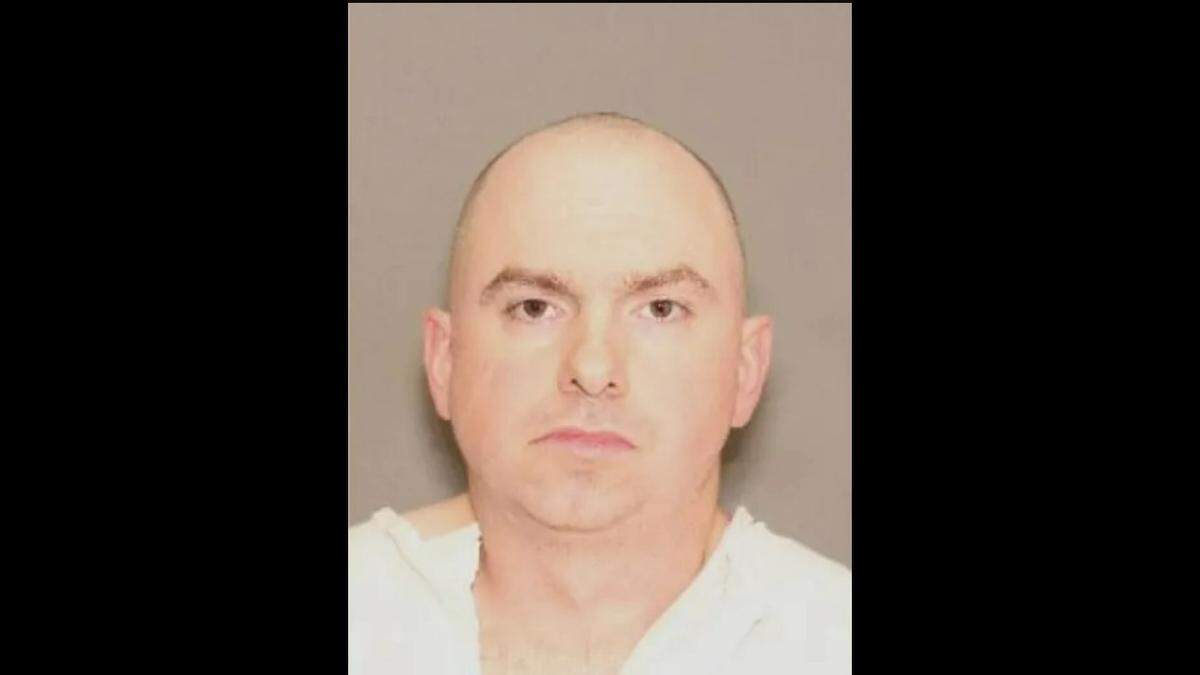
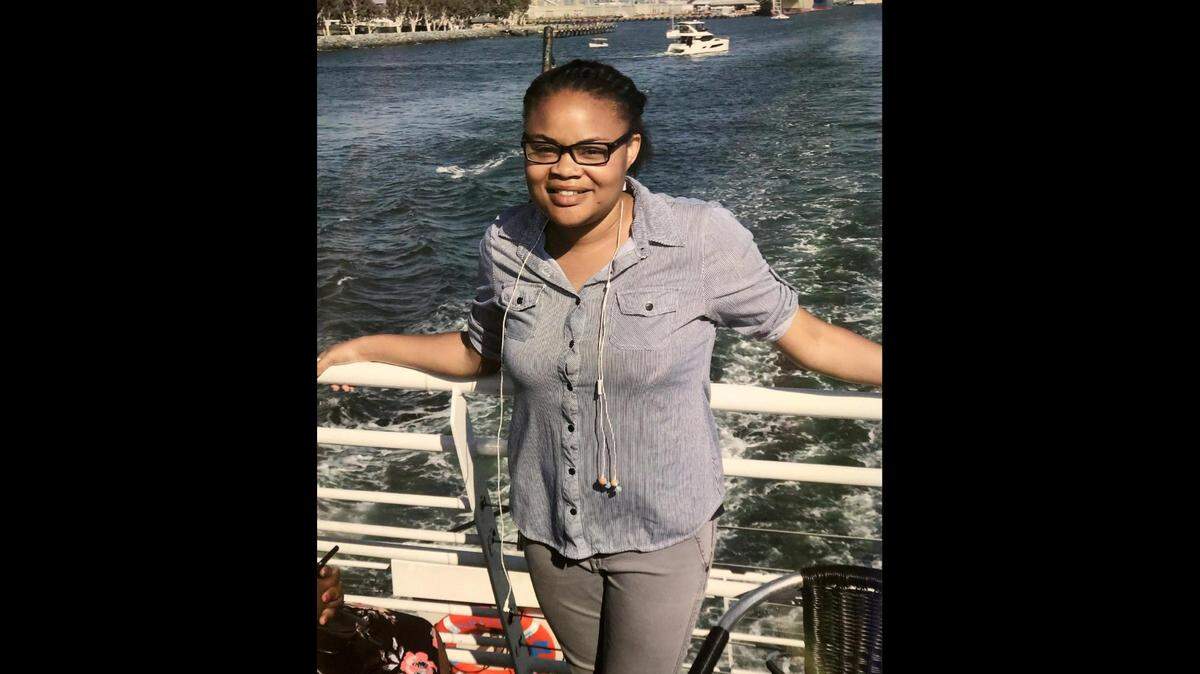
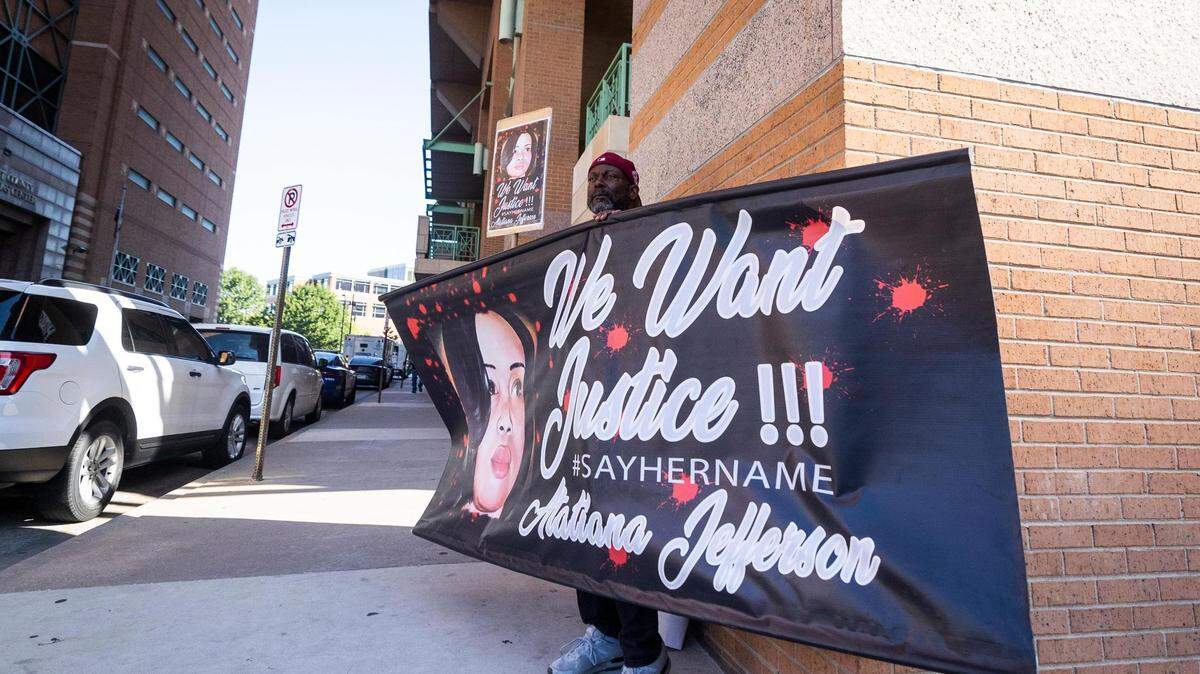
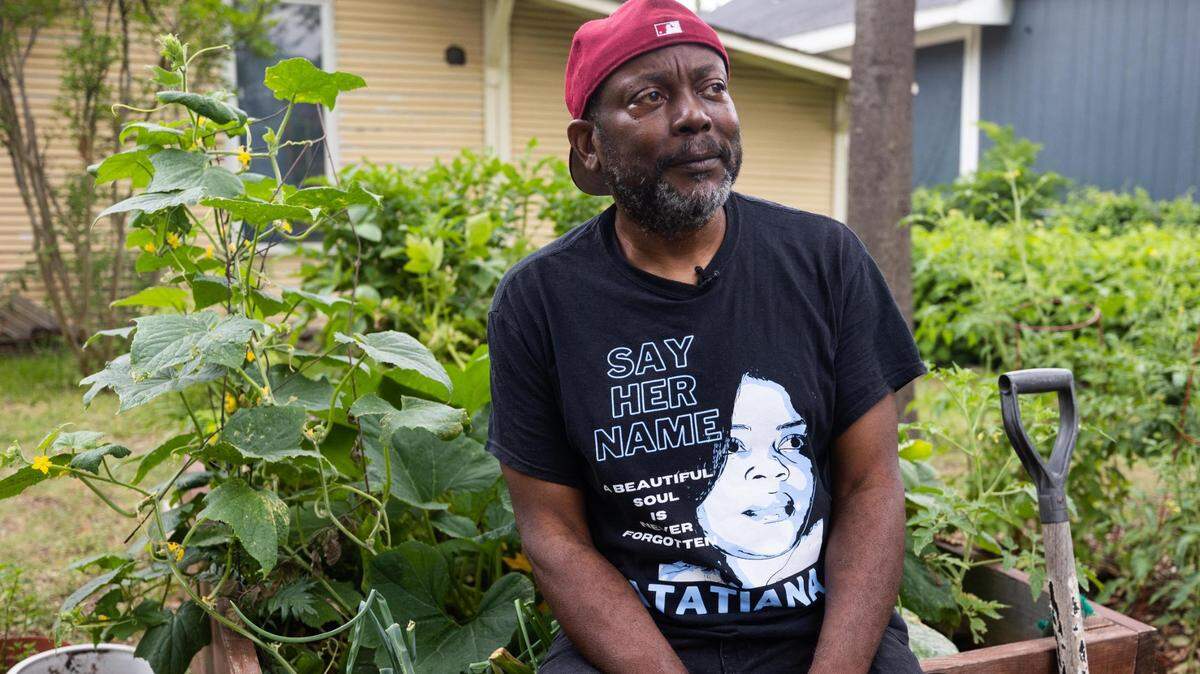
A grand jury indicted Dean for murder. In October 2019 he shot to death Atatiana Jefferson, a 28-year-old Black woman, through a window at her mother’s house in the 1200 block of East Allen Avenue.
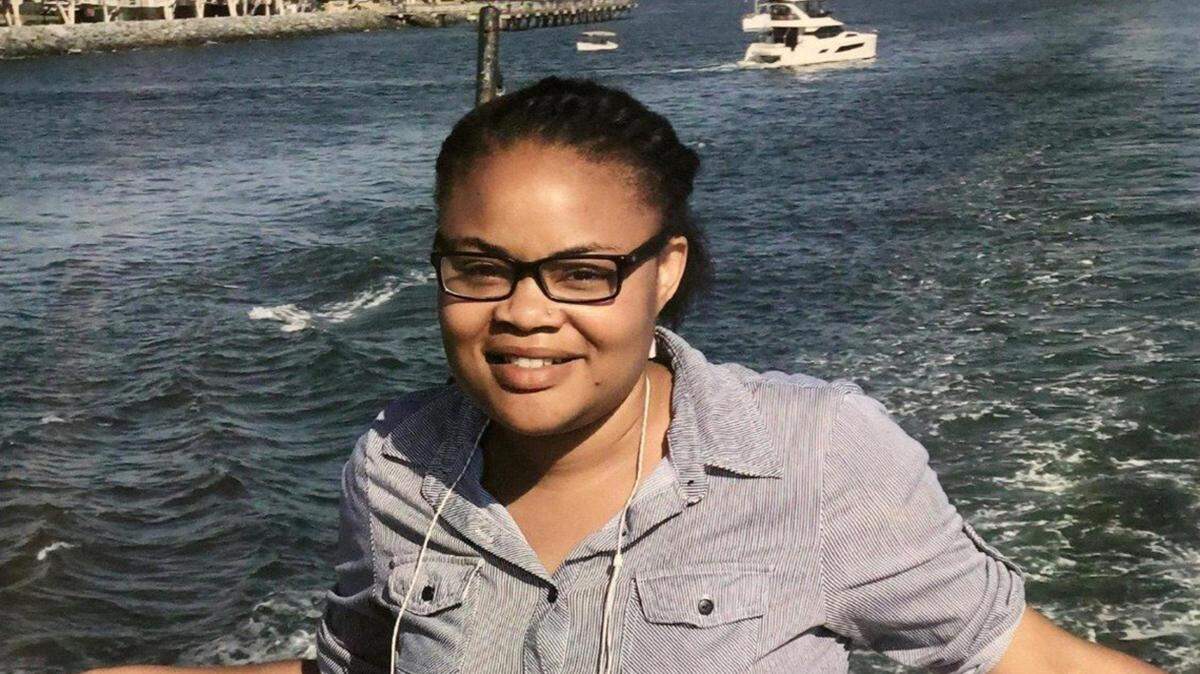
No evidence justified the inclusion of an instruction to the jury on the lesser included offense of manslaughter, Gill wrote in the appellate brief. The state requested the manslaughter instruction, and Gallagher overruled defense objections to its addition to the document that guided the panel’s deliberation.
Jefferson’s neighbor described open front doors in a phone call with a police communications employee. Dean and another officer were dispatched to the house to investigate an open structure.
The officers walked to the back yard. Inside the house, Jefferson was playing video games in a bedroom in which her 8-year-old nephew was also present. Hearing a sound in the yard, Jefferson grabbed a handgun from her purse and moved toward the window.
From opposite sides of the house’s outer wall at night, Dean and Jefferson stood facing one another. The direction Jefferson pointed the gun at the time that Dean fired is in dispute. Her nephew testified at trial that she was holding the gun by her side. In the hours after the shooting, the boy told a civilian forensic interviewer trained to question children who may have knowledge of crimes that Jefferson raised the gun and pointed it toward the window.
Dean shouted, “Put your hands up! Show me your hands!”
“As I started to get that second phrase out, ‘Show me your hands,’ I saw the silhouette ... I was looking right down the barrel of a gun,” Dean testified at trial. “When I saw the barrel of that gun pointed at me, I fired a single shot from my duty weapon.”
Dean, who is white, did not identify himself as a police officer and shot Jefferson within seconds of seeing a silhouette in a window, according to his body-worn camera video recording. Prosecutors argued Dean did not see the gun until he went inside the house after he shot Jefferson.
Dean resigned from the police department the same day he was arrested, two days after the shooting. Dean was 35 and had been employed by the department for 18 months when he shot Jefferson in the chest.
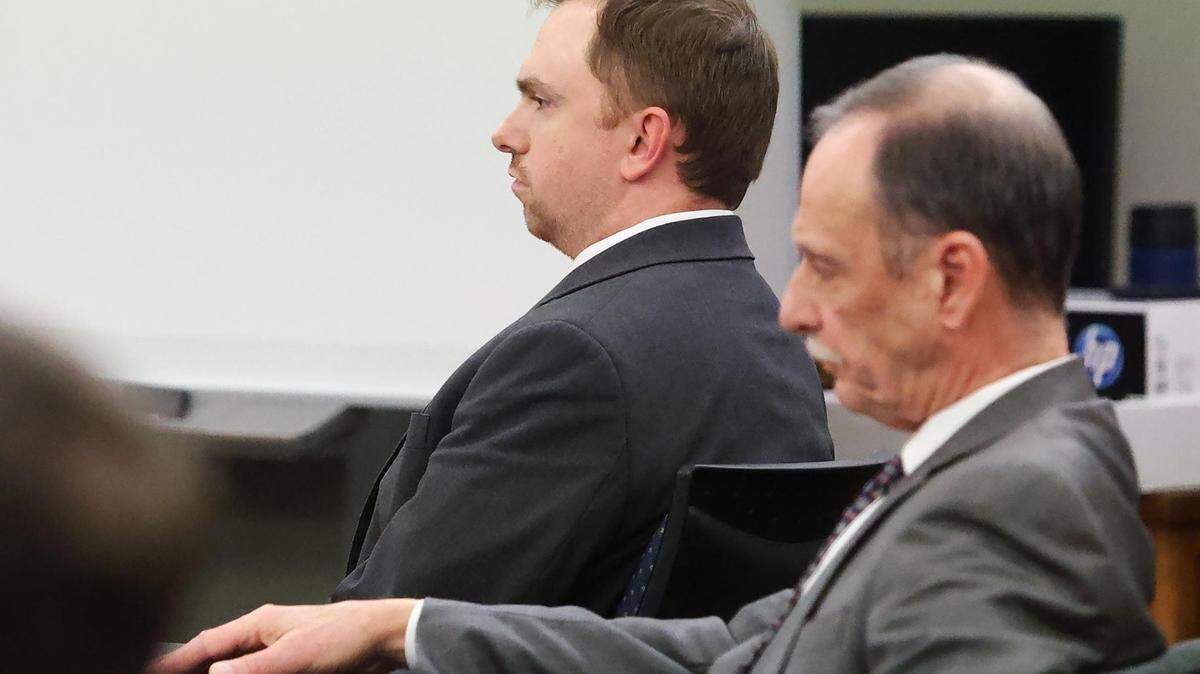
The case was prosecuted at trial by Tarrant County Assistant Criminal District Attorneys Dale Smith and Ashlea Deener. Victoria Ford Oblon is handling appellate matters in the case for the state. With Gill, Dean is represented by Miles Brissette.
Gallagher erred by not changing venue for the trial because there was sufficient evidence developed of the existence of a dangerous combination of influential people to convict Dean, Gill argues in the brief. The venue change was sought in a defense motion Gallagher denied on Dec. 5.
The defense suggested at a pretrial hearing that prosecutors concluded they needed to arrest Dean in order to make a recommendation on indictment to grand jurors without departing from longstanding protocol.
The Tarrant County Criminal District Attorney’s Office procedure in cases in which civilians were shot by law enforcement officers who were not arrested called for the office to refrain from making an indictment recommendation to grand jurors, testified Robert Huseman, who at the time of the Jefferson killing was the chief of the office’s law enforcement shooting investigation team.
Then-District Attorney Sharen Wilson determined that for her office to make a recommendation in the Dean case, a law enforcement officer would need to prepare an arrest warrant affidavit and take Dean into custody, Huseman testified.
Under direct examination by Gill, Huseman recalled a meeting in Wilson’s office two days after the shooting in which Wilson took a 15-minute call on her cellphone from Ed Kraus, who was then the interim chief of the Fort Worth Police Department, during which Wilson asked Huseman and others to leave her office.
Later in the day, Judge Chris Wolfe, who presides in 213th District Court, signed the warrant. Dean was arrested.
Huseman testified that Wilson was present when the case was presented to a grand jury.
“This deviation from protocol shows that [Dean’s] case was given unusual treatment by influential persons involved in its investigation and prosecution,” Gill wrote in the brief.
Huseman’s account of Wilson’s thinking on an indictment in the Dean case was the second time a witness testified at a pretrial hearing about the involvement of Wilson, the county’s chief law enforcement officer at the time. Wilson departed the office in the weeks after the trial. She declined to seek reelection.
Craig Driskell, the executive chief deputy of operations at the Tarrant County Sheriff’s Office, was subpoenaed to testify for the defense at a hearing on its motion to recuse Judge David Hagerman, who first oversaw the case.
After the defense witness list for the hearing was filed, Driskell testified, Wilson called him and asked why he was on the list.
Driskell testified that he told Wilson that he expected to be asked about his courtroom observations of Hagerman.
“Well, you don’t work for me,” Wilson observed in the telephone conversation. She offered advice: “Quit talking,” Driskell testified, recalling the then-district attorney’s statement.
Kraus, Wilson, then-Mayor Betsy Price and others dangerously combined against Dean beginning immediately after the killing in offering an opinion that Dean was guilty of murder and that there was no justification for the shooting, according to the appellate brief.
Price assessed publicly the fact a handgun was found next to Jefferson was “irrelevant.” Price also said that the shooting was unjustified. The statements were untrue and may have misled people who later became jurors at the trial, Gill wrote.
Price later testified at a pretrial hearing that she assumed she understood at the time she made the first statement that Jefferson had pointed the weapon at Dean. Price said that Jefferson had a right to have a gun at home and use it to protect herself and her nephew.
Kraus, Price, Wilson and others “did not want to take any public stance that cast the decedent in a negative light so they cast [Dean] in a negative light instead,” Gill wrote.
The trial’s focus was on whether Dean knew that Jefferson had a gun, whether he believed it presented an imminent threat of serious bodily injury or death and whether such an assessment was reasonable for Dean to make.
This story was originally published August 23, 2023 at 11:56 AM.


.jpeg)