Fort Worth detective starts nonprofit to tackle cold cases; Here’s how you can help.
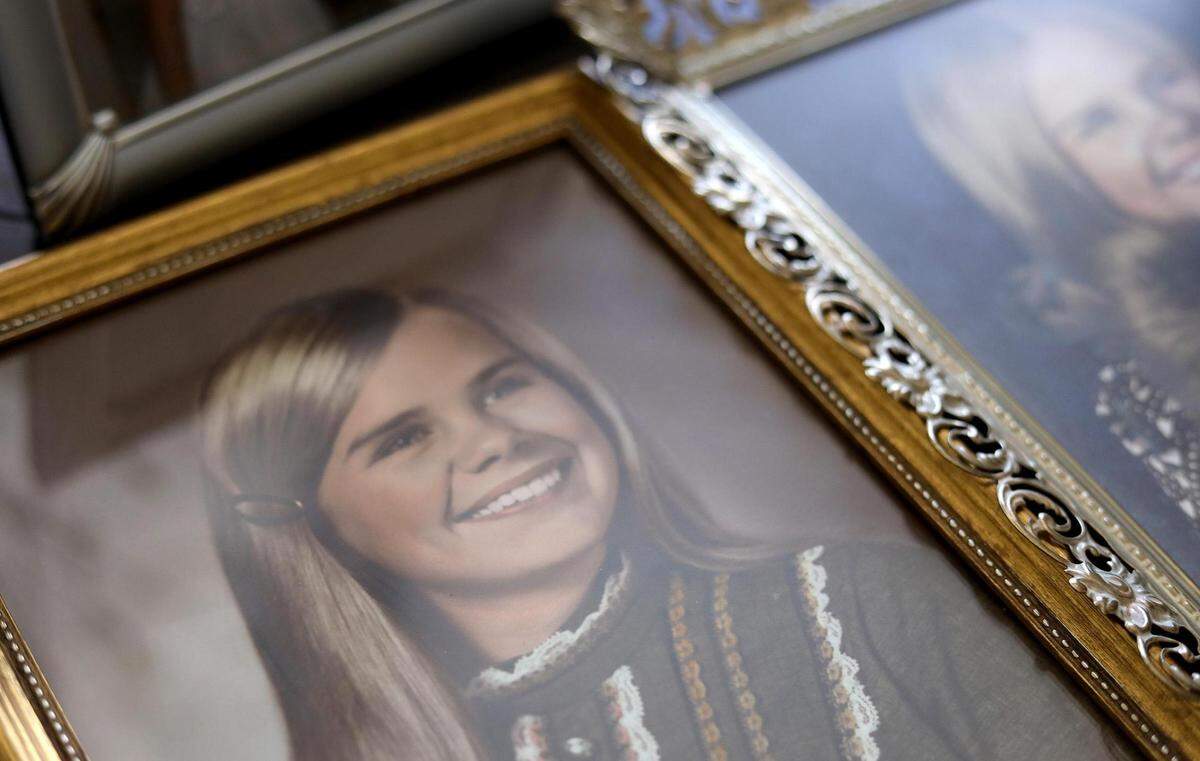
On Aug. 24, the decades-long case of Carla Walker’s murder finally came to a close when Glen McCurley was convicted of killing the 17-year-old in 1974.
But nearly 1,000 other families in Fort Worth still search for answers to their own cold cases. The name for these cases itself tells of the emotional limbo families face; they remain frozen, waiting for resolution as years and decades go by.
Carla’s brother, Jim Walker, and the Fort Worth detectives who solved the case want to change that. In September 2020, after police arrested McCurley for the murder of Carla, Detective Jeff Bennett asked the department for permission to create a foundation dedicated to solving Fort Worth’s unsolved murders.
On Wednesday, the FWPD Cold Case Support Group officially began accepting donations.
“We’ve got justice for Carla,” Walker said. “We all understand what families go through. And I believe that’s where the focus is now. And to let the bad guys know, ‘We’re coming after you.’”
Limited funds for forensic testing
When they used forensic genealogy testing to solve Carla’s case, Bennett and cold case Detective Leah Wagner knew they needed a way to fund this form of testing in more cases.
In Carla’s case, forensic genealogy and new DNA extraction technology allowed police to zero in on McCurley as Carla’s killer. The process cost tens of thousands of dollars. Walker said to his knowledge, the price tag was at least $18,000. Bennett said the cost for forensic testing was “in the mid-five figures.”
The testing was made possible through $15,000 donations from NBC and producers of “The DNA of Murder,” who coordinated with Fort Worth police for an episode about Carla on the Oxygen show.
Not every case is able to draw the kind of attention Carla’s received. And like every department at FWPD, the Fort Worth cold case unit has a budget.
“I don’t want to say that cold cases are not important,” Bennett said, “but they prioritize where the money goes and obviously current crimes take priority.”
Forensic genealogy is more in-depth than typical DNA testing. In most criminal cases, police develop a DNA profile and upload it into CODIS — the national DNA database. But if someone has never been put into that system — like McCurley — they won’t show up as a match to the DNA profile.
With no matches on CODIS, Bennett and Wagner turned to Othram, a Houston-based lab that focuses on matching unknown DNA to people through genealogical databases, like 23AndMe and Ancestry.com.
Othram, which started in 2018, builds genetic profiles from challenging DNA evidence, CEO David Mittelman explained. The lab helps law enforcement in homicide, missing persons and unidentified remains cases across the U.S. and Canada. Mittelman hopes the technology “goes from becoming this kind of unusual and extraordinary event to being kind of expected.”
“In the future at some point, it will almost be negligent not to try,” he said. “When a case goes unsolved, it compounds and more and more people are traumatized. It robs people of their lives.”
Money donated to the foundation will also go toward travel and other types of testing, such as ballistics. In many cold cases, witnesses or family members have moved away from Fort Worth, and detectives often have to travel across the country to talk with them.
Impact of unsolved cases
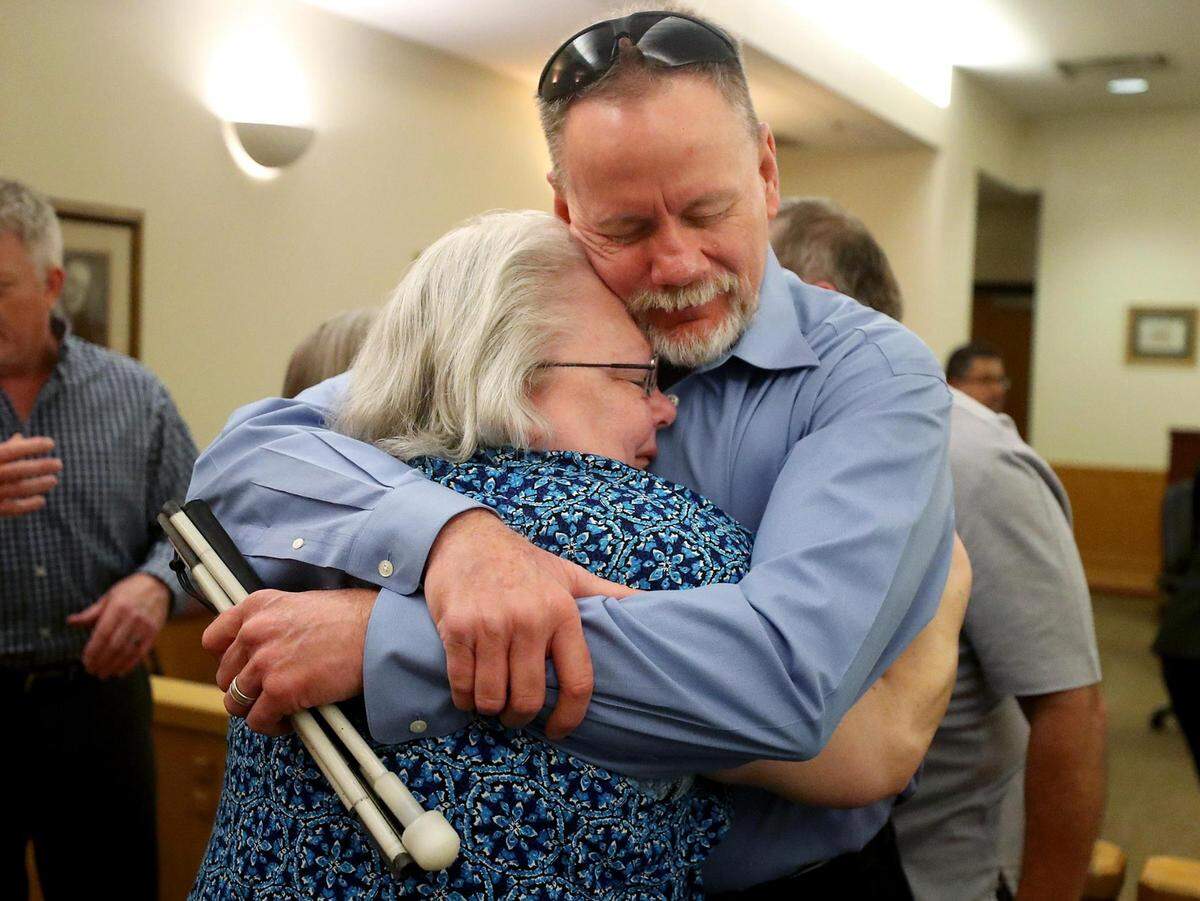
Many people have already asked how they can contribute to cold case investigations, Bennett and Walker said. Most of those wishing to donate are not directly connected to an unsolved case — they just understand the impact those cases can have on a community. Bennett calls this impact the “ripple effects of homicide.”
“The ripple effect is just huge,” he said. “And you multiply that by 1,000 cases. There are so many people that are affected by it. And so many people can see the benefit of something like this.”
The foundation is already raising awareness about cold cases. The accounting firm, law firm and advertising firm working with the foundation offered their services for free.
“They said, ‘Your money is no good to us — this is a cause we want to get behind,’” Bennett said.
Walker plans to spread the word about the foundation through public presentations. He plans to “be a face for Carla to talk about why it’s so critically important.”
The Fort Worth cold case unit is working on numerous other unsolved cases, including looking into if other cold cases may relate to McCurley.
“We are going to be looking into that,” Bennett said. “That’s pretty much all I can say.”
How to donate
The foundation’s application was filed with the IRS and is pending approval. Bennett, meticulous by nature, at first told people donations needed to wait until the process was complete. But on Wednesday, the foundation’s accountant let him know they are now allowed to receive those donations. They’ve already had “a lot of people eager to donate,” Bennett said.
Bennett, Wagner and Walker make up three of the seven members of the FWPD Cold Case Support Group Board of Directors. The other members are Emily Dixon with the Tarrant County Criminal District Attorney’s Office, Detective John Galloway, former Sgt. David Thornton (who started the cold case unit in the 2000s) and Adam Palmer, the founder of the oil and gas company Resource Sense LLC.
Those who want to donate can send a check addressed to:
FWPD Cold Case Support Group
PO Box 185052
Fort Worth, TX 76181-0052.
This story was originally published September 20, 2021 at 5:00 AM.