
A bloody struggle, an invisible palm print and a 25-year-old mystery in Irving
Bridget Johns didn’t want anyone to forget about her big sister.
She was only 9 when Megan Beth Johns was stabbed inside the Irving apartment where she lived alone on Oct. 5, 1994. Too young to have but a few cherished memories of the 29-year-old half-sister who used to babysit her.
“She was crazy about me and liked having me around and I felt that,” Bridget said. “I have been told that, but I remember feeling that.”
So when she turned 21 in 2006, Bridget marched into the Irving Police Department unannounced, determined to learn more about Megan’s case and make sure that police were still working to solve it.
“That’s really when I started to get angry about this, thinking, my goodness, someone out there is walking around who has done this horrible thing to this beautiful person and no one is being held accountable for this,” Bridget said.
She left that meeting with Tom Rowan, the lead investigator on her sister’s case, realizing that Megan was far from forgotten.
“Right before I left, he pulled a picture of my sister out of his wallet,” Bridget said, her eyes filling with tears as she recalled the memory. “That, to me, said more than anything. ... To carry that around with him 12 years later because he hadn’t forgotten this girl, I’ll be forever grateful for him to that.”
It’s been almost 25 years since Megan’s murder. The case is the latest focus of the Star-Telegram’s “Out of the Cold” podcast series.

Since 1968, Irving police have recorded 413 homicides, and 73 remain unsolved.
Rowan retired from the department as a sergeant in 2016. He closed his 32-year career with 11 unsolved homicides — eight over which he had been a supervisor and three the lead investigator.
Megan’s case is among the three he couldn’t solve.
“I asked an older investigator one time, I said, ‘What happens to these … when can you move on?’ He says you never do, you never do. He says you’ll carry those unsolved cases the rest of your life,” Rowan said.
A gruesome discovery
Megan’s co-workers called the apartment complex after she failed to show up at her secretarial job at Smith Barney in Las Colinas.
Staff at the Apple Apartments found Megan’s front door locked. When she didn’t answer, they jimmied open the patio door and soon spotted her lifeless body face-down on the living room floor, still dressed in her pajamas and robe.
She had been stabbed 10 times and had blunt force injuries to her head and extremities, an autopsy determined.
The apartment showed signs of a struggle.
.jpg "IMG_5160 (1).jpg")
A small table and plant had been toppled over. Some slices of bread and Megan’s purse lay scattered on the floor.
Police later found traces of blood on the railing of the staircase leading up to Megan’s bedroom. There, they found dresser drawers and bathroom cabinets open and evidently rifled through.
“You could tell that somebody was looking for something,” Rowan said.
A VCR and piece of jewelry would be among a few items noted missing from the apartment.
But crime scene officers later determined that the killer had left a vital clue — a partial palm print in blood not visible to the naked eye.
Based on the height, investigators estimated the person was between 5-foot-10 and 6-foot-1.
‘Sometimes you can’t help somebody’
Police surmised Megan had known her attacker based on the lack of forced entry into the apartment and how she had been dressed.
But complicating the case, Rowan said, was Megan’s large circle of friends.
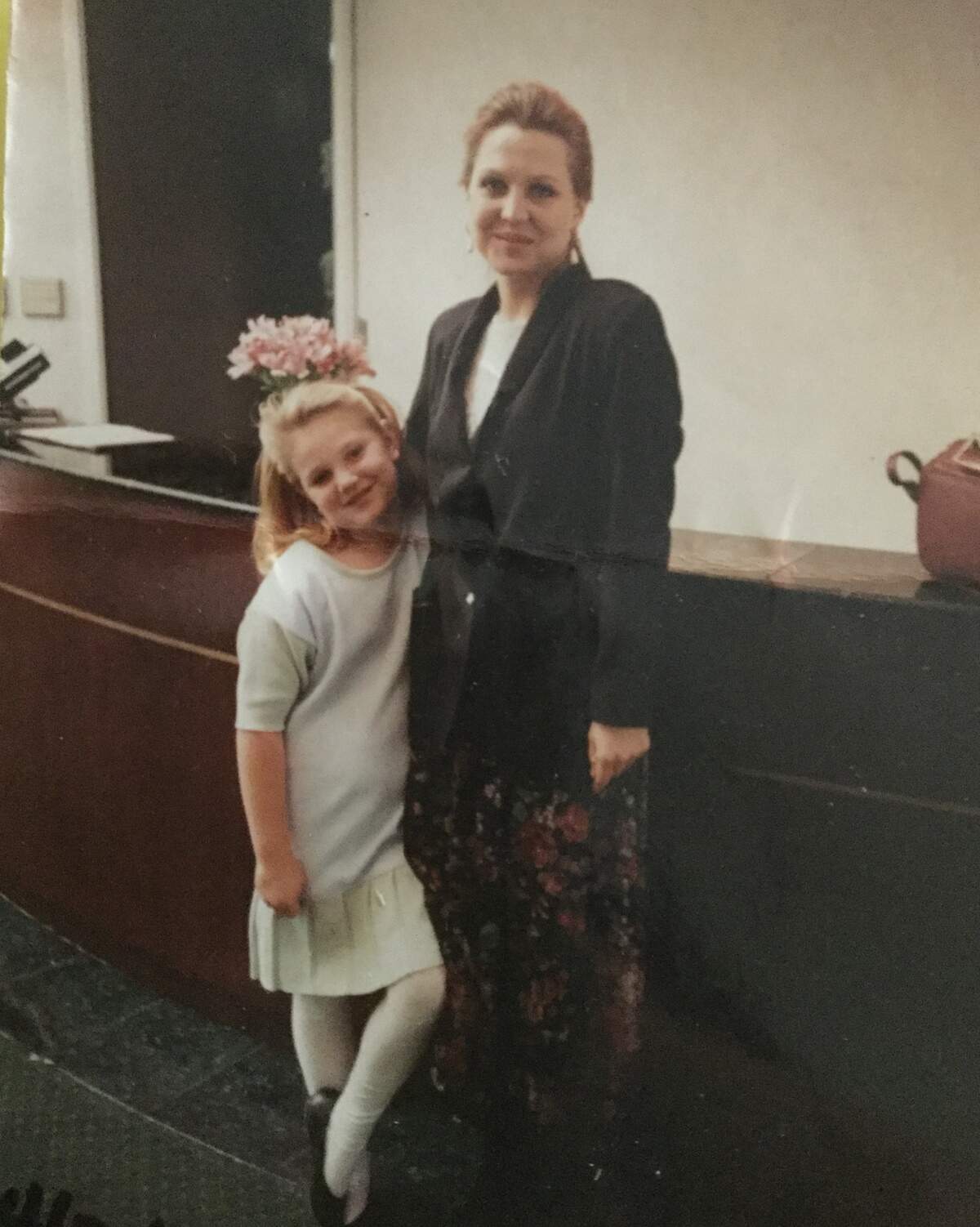
A former drug and alcohol addict, Megan had sought help through Narcotics Anonymous and celebrated five years of sobriety. She had a passion for helping others, whether it was homeless and runaway youth at a Dallas emergency shelter she volunteered at, or others still entrenched in their addictions.
“This was a beautiful young girl who was trying to help people and loved kids. She had cleaned her act up but I think her one mistake, in my opinion, was she was still taking in all these high-risk people and she still thought she could help all these people,” Rowan said. “Sometimes you can’t help somebody.”
Officers scoured pawn shops for the stolen VCR and jewelry, theorizing Megan’s killer may have been looking for some quick cash to buy drugs. Detectives interviewed neighbors, maintenance workers at the apartment complex, and people Megan knew through Narcotics Anonymous and the youth emergency shelter.
.jpg "IMG_5456 (2).jpg")
Even Bridget’s brother, Brian Johns, a recovering addict who had previously served stints in prison for burglary and theft convictions, was interviewed, polygraphed and fingerprinted.
Brian said he later learned that his own father suspected his involvement and hired a private investigator. He said it crushed him that anyone would think he would harm his sister, a false assumption that he believes was perpetuated by the fact that his sister had named him as one of three beneficiaries on a life insurance policy she had through work.
“My sister was my best friend,” he said.
Rowan said police interviewed from 50 to 70 people, eventually whittling the number of suspects down to three or four. Even Brian was polygraphed and his prints compared to the physical evidence, but no matches were made. Rowan said he took prints from “every person I came in to contact with, even the dad.”
“I knew if I could ever find that palm print, I could hone in on that person,” he said.
Years later the partial print was entered into the Automated Fingerprint Identification System, but has still yielded no matches.
A search for answers
Police aren’t the only one looking for Megan’s killer.
Kelly Chance had met Megan at Dallas Sunset High School during summer school and built a long-lasting friend. Megan had even been maid of her honor in her wedding.
“When I look at my wedding pictures, I mean, that’s one of the happiest days of my life and I’m very blessed to have Megan there with me but it’s a little bit of sadness every time I open that book,” Chance said. “I’m going to carry her with me always because she was a special girl and she deserved much more than she got out of life.”
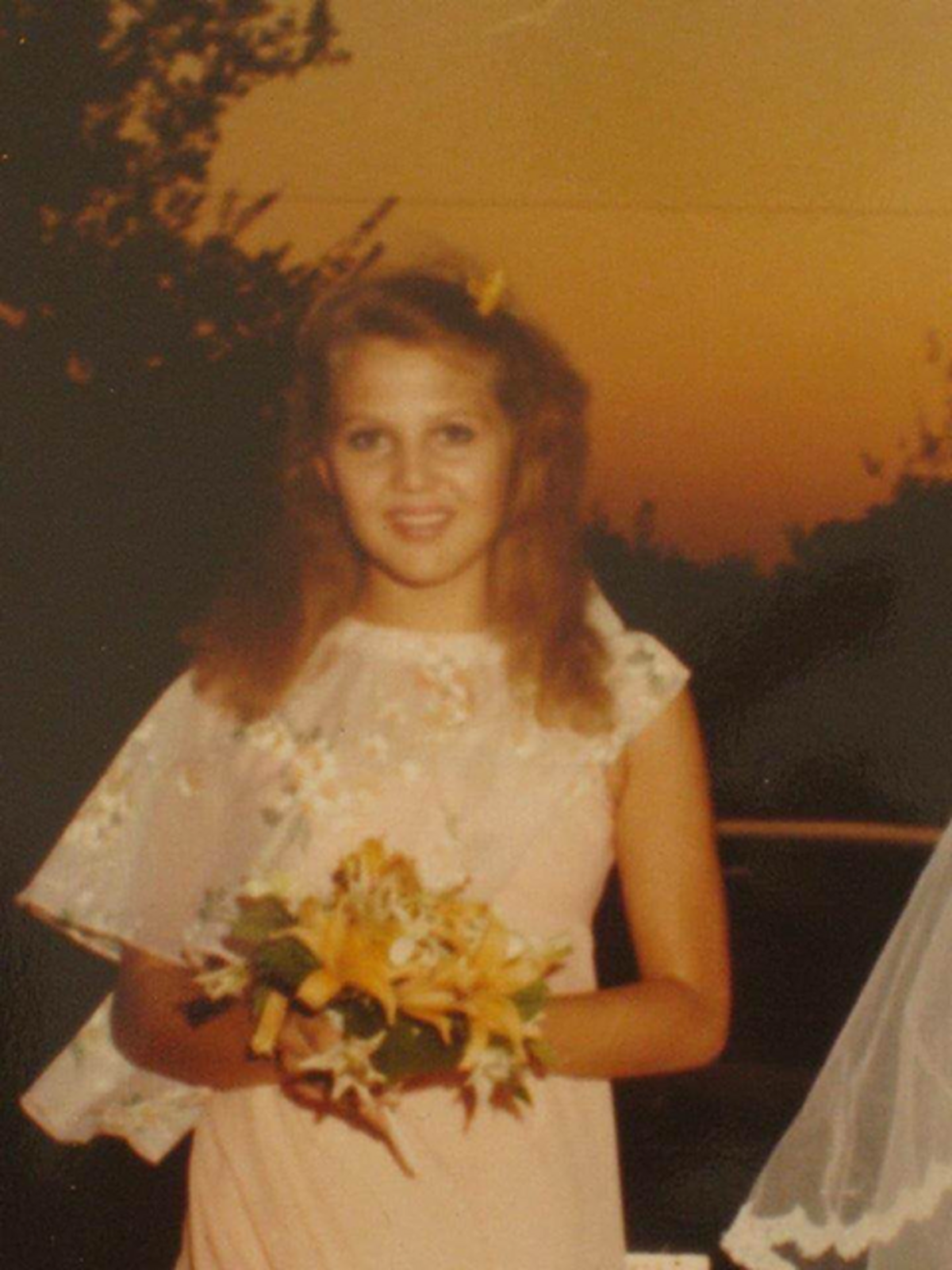
A retired nurse, Chance was prompted to bring Megan’s case back into the spotlight after seeing firsthand last year that cases do sometimes get lost in the shuffle. She had called a Louisiana police department to learn if a cousin who had been missing for 47 years was entered into a national database for missing persons.
“His file had been lost. They didn’t even know they had a missing person case from that long ago,” Chance said. “It was there. They had to dig it up from microfiche, but my cousin is not in that database.”
Chance said she began to worry about Megan’s case. She said she tried to call Irving police, but was told little because she is not family.
“People retire. Balls gets dropped. Things get pushed to the side,” Chance said. “Resources are minimal for law enforcement so if there’s something we can do to help them, I’m more than willing to do it.”
She’s created online groups to gather and exchange information about Megan’s case.
“Hopefully we can come up with some idea of who may have done this to Megan,” Chance says. “I know they may never get a conviction when you’re looking this far out. Anymore, it’s not even about seeing somebody punished. It’s about knowing who, how and why?”
When Rowan retired from the department, he took the photo of Megan — a memorial card he’d been given by her father— from his wallet and placed it in the case file for future investigators tackling her case.
“To this day, I don’t care who clears it. As long as it gets cleared,” Rowan said.
If you have any information about Megan Beth Johns’ murder, call Irving police at 972-273-1010 and reference case number 94-48943. Information can also be shared at ipdcrimetips@cityofirving.org.
This story was originally published May 28, 2019 at 2:09 PM.