Over 500 affordable homes planned across these Fort Worth area neighborhoods
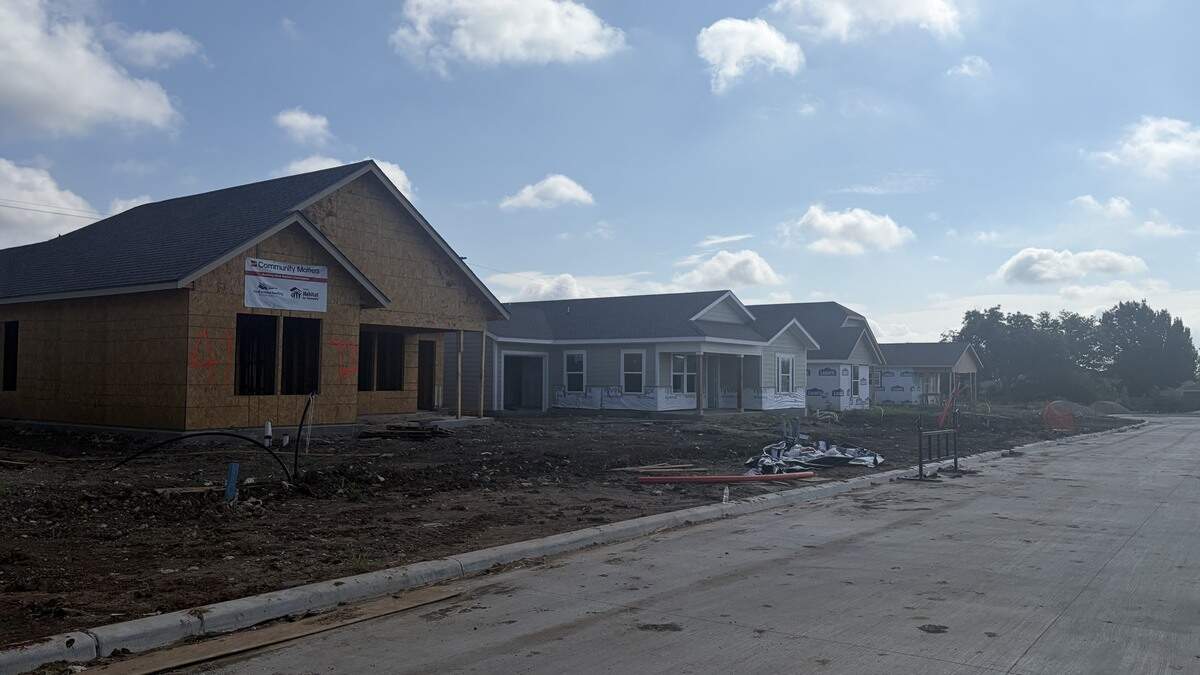
Trinity Habitat for Humanity is working to develop over 100 homes a year across multiple neighborhoods in the Fort Worth area to help drive homeownership and better communities.
The nonprofit’s goal is to build over 60 homes this year and, in the future, to have 100 to 150 new homes every year for new homeowners within its service areas in Tarrant, Johnson, Parker and Wise counties. Habitat has 572 lots in development, according to a fact sheet from the nonprofit.
Gage Yeager, CEO of Trinity Habitat for Humanity, says homeownership is an agent of change for families. The ability of a family to stay in one place helps with children’s educational attainment, wealth accumulation and safer neighborhoods.
“What they need is stability,” Yeager said. “This is stability.”
The U.S. Census Bureau estimates the median household income in Fort Worth is $79,507, while the median home price hovers around $330,000. As a result, a household earning the median would have to commit roughly 40% or more of its monthly gross income to its mortgage to live in Fort Worth.
Habitat for Humanity purchased property across its service area to build subdivisions, including Garden Springs in south Fort Worth, Fox Meadows in Cleburne and Sayers Landing in Mansfield.
In Garden Springs, there will be 88 single-family homes, Fox Meadows will have 76 homes, and Sayers Landing will have 22. Garden Springs is expected to finish its last homes in 2029.
Most neighborhoods will be mixed income where 25% of families earn 80% to 120% of the area’s median income, and the rest earn below 80% of it. The maximum household income for a family of four is $88,250 under HUD requirements.
To be eligible for homes, applicants must meet certain criteria, including not owning a home and having a minimum household income of $42,000. Families that have been priced out of the market are able to use Habitat’s below-market interest rate loans and down payment assistance.
Applicants must also provide 200 hours of sweat equity, such as volunteering or in construction, and attend 20 hours of home maintenance training and financial classes.