
Fort Worth’s $330K reality: Even those with ‘good jobs’ can’t afford a home
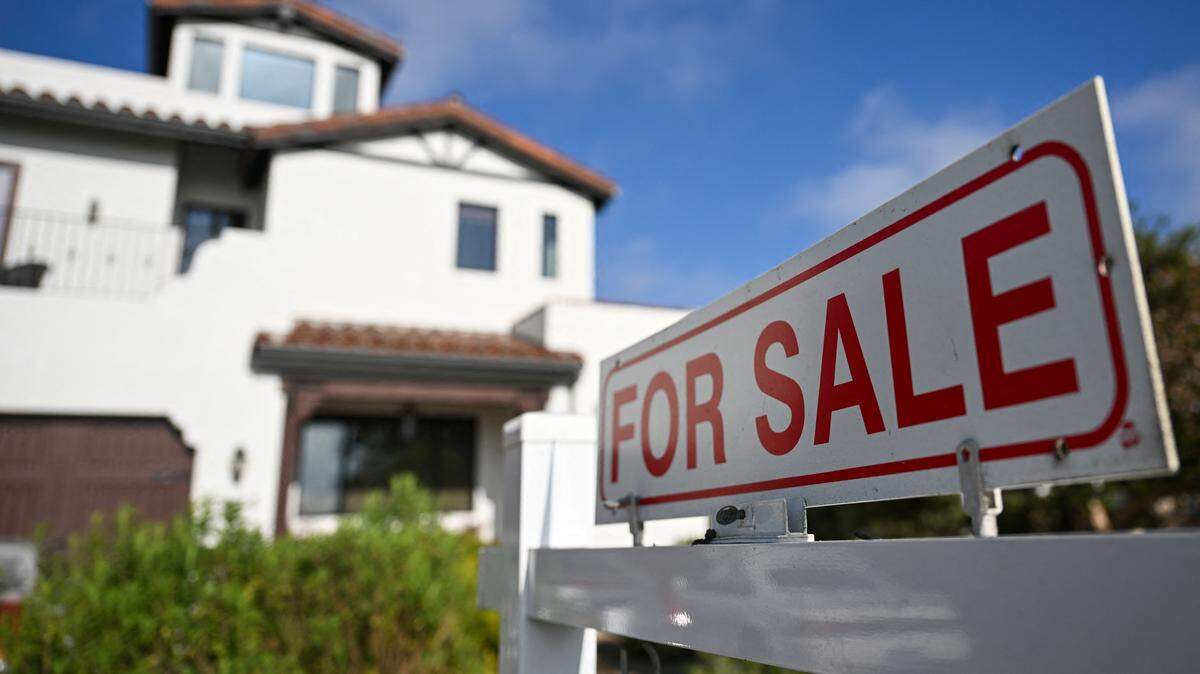
Housing affordability is a growing concern in Fort Worth as more new residents pour into the area, putting the dream of homeownership in jeopardy, even for those making decent salaries.
At a conference last week hosted by the Greater Fort Worth Association of Realtors, attorney and fair housing advocate Carol Johnson spoke to the Star-Telegram about how the affordability problem affects the “missing middle” — people who have jobs but don’t quite earn enough to a make the mortgage payments on a median-priced home in Fort Worth, which now hovers around $330,000.
The U.S. Census Bureau estimates the median household income in Fort Worth is $79,507. Using the median home price, a household earning the median would have to commit roughly 40% or more of its monthly gross income to its mortgage to live in Fort Worth, far exceeding the recommended 25-30%.
Johnson said the missing middle includes the younger generation, people starting out building careers and families. They’re not poor, Johnson said, but they’re not in a financial position to buy a $300,000 home, either. Trouble is, they also don’t qualify for city, state or federal assistance in a lot of cases because their earnings are just high enough.
Johnson advocated for expanding grants and subsidies to help that group in particular.
“We want our millennials to be able to become homeowners and to build assets, to build wealth and to really understand that they can make a difference in this world — that they can be happy, and they can be fulfilled, and they can love their life. But if we don’t allow them those opportunities, how are they ever going to achieve?”
Another group that could use some help are teachers, police officers, firefighters and others working in essential roles who can’t afford to live in the city they serve. Realtors association President Shawn Buck previously told the Star-Telegram it’s crucial that Fort Worth finds a way to provide those individuals with a better path toward homeownership.
But while the system isn’t perfect, there are resources available to mid-to-lower income earners through sources some might not consider, like the nonprofit Habitat for Humanity.
Greg Hart, director of loan origination at Trinity Habitat for Humanity, the branch that serves the Fort Worth area, told Realtors association members his office was on pace to close more than 60 loans this year for working families seeking to buy a home.
More than half of those borrowers are single mothers, Hart said, and many work in fields like teaching. Thanks to subsidies, Hart said he’d helped one client get into a home with a $900-a-month mortgage.
Help could also come from an affordable housing bond Fort Worth voters approved this month. That bond will set aside $10 million to be used in part to purchase land and build affordable single-family housing. Some of the money will also go toward funding grants and subsidized loans for qualified buyers.
That support will supplement programs already in place in Fort Worth, including the city’s Homebuyer Assistance Program, through which eligible first-time homebuyers with moderate incomes can receive up to $25,000 for down payment and closing cost assistance. There are also programs available through the Texas State Affordable Housing Corporation, like the Homes for Texas Heroes program, which offers home down payment assistance for teachers, police officers, corrections officers, firefighters and emergency medical technicians.
Without that kind of help, it can take years for an average earner to save up enough for a down payment. Individuals making less than around $60,000 a year are eligible for Fort Worth’s Homebuyer Assistance Program, and families of four with a household income less than $85,350 qualify.
Housing affordability is certainly an area of focus for the city. In 2023, Fort Worth published its Neighborhood Conservation Plan and Affordable Housing Strategy, which identified an estimated 100,000 households in the city that struggled to pay their monthly mortgage or rent payments. To combat this, the report said $100 million would be needed by 2027 for affordable housing.
The $10 million housing bond that passed this month may only be a fraction of what’s needed, but it’s a start. In fact, it’s the first affordable housing bond in Fort Worth history.
Jake Wegmann, an associate professor at the University of Texas at Austin School of Architecture and an expert on affordable housing, previously told the Star-Telegram that relatively modest investment could pave the way for bigger investments in the future once people see the difference that money can make.
Wegmann said similar, albeit much larger, affordable housing investments in Austin have stabilized housing prices after years of steep increases.