What makes this Fort Worth neighborhood unique? The answers will guide growth
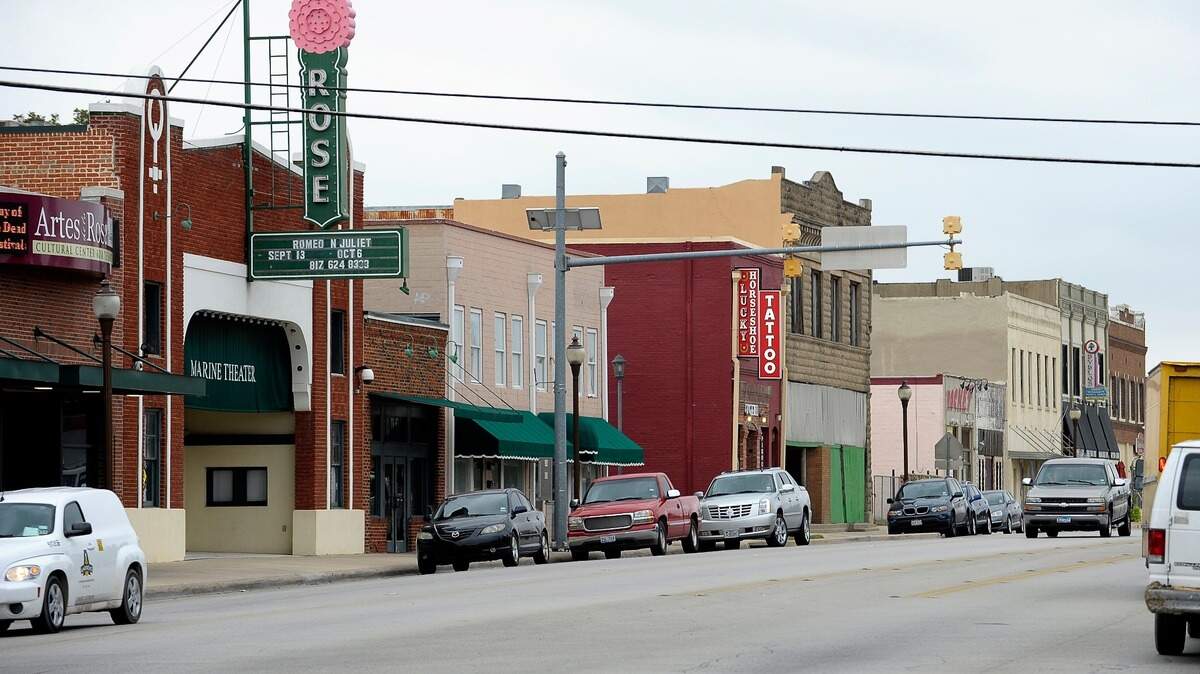
Efforts are underway to help document the cultural identity of the Historic Northside District of Fort Worth amid fears of displacement from development.
Community Design Fort Worth, an urban planning nonprofit, received a $110,000 grant from the Sid W. Richard Foundation, which helps to advance the missions of nonprofit organizations that serve the people of Texas. The grant will be used to begin a cultural asset-mapping project for the Historic Northside community.
The project will include volunteers from the Community Action Committee, a group of people who serve as community liaisons and advocates in the Northside. They will conduct walk-along surveys to capture the stories of places and the cultural meaning behind traditions that are often missed in planning, while centering on residents’ collective memory and lived experiences, says Ann Zadeh, the executive director of Community Design Fort Worth.
“I think that will definitely be helpful, because it’s educational and gives people a say in what happens in their community, so it’s not just things happening to them,” Zadeh said.
The grant will pay volunteers to record street interviews and document routes with locals during walk-along surveys. The grant will also pay for training and capacity‑building, equipment, data management and analysis, community meetings, and a final report.
Vanderbilt University will serve as the research and methodology partner. It will help design and implement the “walk‑along interview” model, train interviewers, collect and analyze data and support the creation of the final report.
In the fall, project leaders will conduct community outreach and recruitment, train volunteers, map routes and manage logistics. In the winter and spring of 2027, they will conduct walk-along surveys, among other work. In the summer and fall of 2027, the nonprofit will analyze the findings, translate the interviews into a cultural asset map, draft the report, conduct community review and finalize publication.
The results will be accessible for residents and the city.
The goal is for the cultural asset-mapping to expand where it can be used to preserve not only the Historic Northside but also the planning, preservation and development across Fort Worth neighborhoods, Zadeh said.
Zadeh was part of the selection committee that chose the Historic Northside and Polytechnic Heights neighborhoods to join Fort Worth’s first pilot program to create business corridors through a partnership with Main Street America in August 2022.
The project comes amid years of anxiety in the Historic Northside community over possible displacement from development at The Stockyards and Panther Island.
The city approved a $1 billion expansion plan for the Stockyards in 2024 that includes commercial and residential development, underground parking garages and improvements to the Cowtown Coliseum. The expansion has since been put on indefinite hold due to a dispute among the project’s developers. For Panther Island, plans are moving forward to dig a 1.5-mile bypass channel in the Trinity River to create the island and open the gates for further development.
In September 2024, the Urban Land Institute Advisory Services Program, which gathers real estate professionals, in partnership with the Fort Worth Hispanic Chamber of Commerce, held a week-long workshop for eight panelists to explore the concerns of Fort Worth Northside residents.
The panelists recommended a variety of tasks, including creation of a zoning overlay to preserve the neighborhood’s historical integrity, formation of the Community Action Committee and conducting a cultural asset mapping effort. Since then, Community Design Fort Worth has worked to generate funds to conduct a cultural asset mapping project.
Dee Lara O’Neal, Main Street Project manager for the Northside, says the project is not only about preservation, but also about raising awareness on what the community values, from cultural landmarks or cultural identity, which can be elevated or supported by those who grew up there rather than outsiders.
“I think it’s really helpful as we’re looking at how development patterns are impacting the community or how we can use some of the investment and these changes that are happening in the neighborhood to really benefit the community understanding what the community strengths are by the people that live there and work there,” O’Neal said.
Dennis Chiessa, an assistant professor of architecture at UT Arlington and a board member of Community Design Fort Worth, grew up in the Northside and understands how every community has its own history, needs and importance to its residents.
This project provides documentation that allows Historic Northside residents to have a say while guiding those with the power to shape policies to better serve their residents, Chiessa said.
“That’s where the power is,” Chiessa said. “That policymakers then can choose to respond and address those needs or not, and if they don’t, then they can be held accountable for that.”
This Sid W. Richardson Foundation helps to fund the Star-Telegram’s Crossroads Lab. The Star-Telegram retains independence in decision-making about news coverage.