
Roof damaged during North Texas storms? Beware these pitfalls
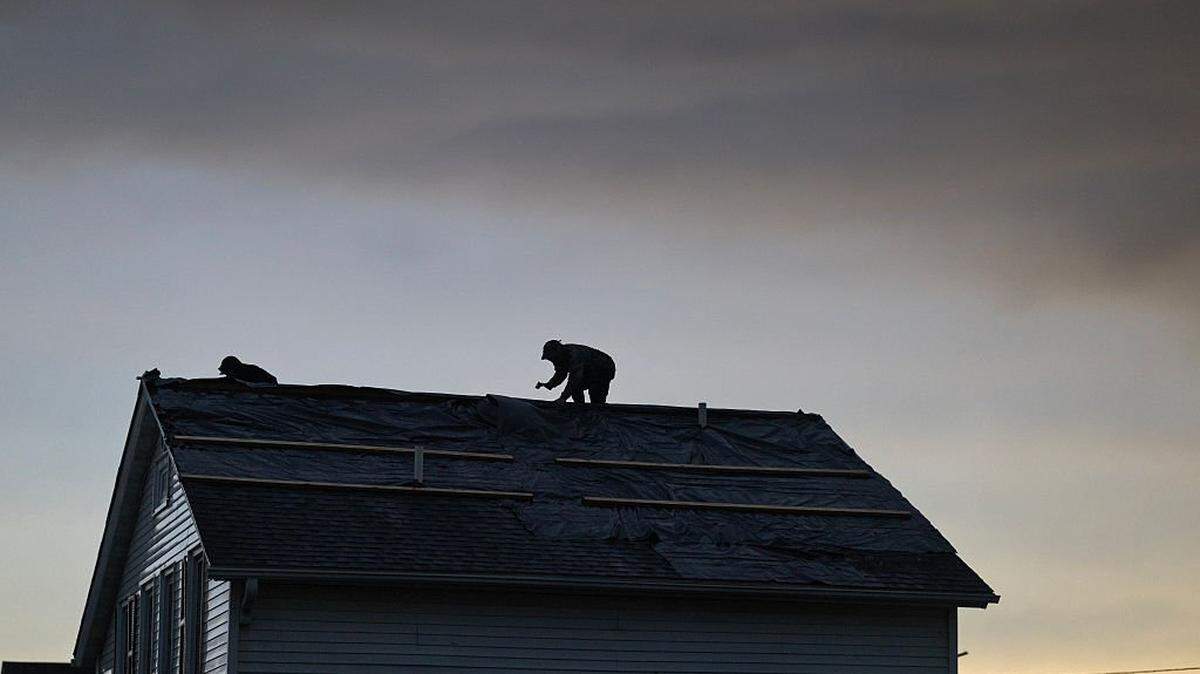
If you’re a homeowner, you probably know the drill: storms roll through, and like clockwork, here come the roofing contractors, knocking at your door or calling you on the phone offering free roof inspections.
The more cynical among us might dismiss this practice, but is there anything wrong with it? And what are some things homeowners should consider — and look out for — when it comes to roof maintenance and repair after a major storm brings high wind and hail?
Kristen Harford, executive director of the Fort Worth-based North Texas Roofing Contractors Association, said legitimate contractors use cold-calling techniques, like knocking on doors, to drum up business, and there’s nothing inherently wrong with that, just like there’s nothing inherently unscrupulous about offering free inspections. In fact, many roofers do that as standard practice.
But before you let anyone up on your roof to do anything, be sure to carefully read the contract you’re presented and understand what you’re agreeing to, said Harford.
If you have damage, a contractor may offer to cover your roof with a tarp or perform emergency repairs, but some do that to entice homeowners into signing binding roof replacement contracts. Read the fine print, Harford cautioned, and don’t rush into anything. Also don’t be afraid to get a second opinion before moving forward with a roofing company.
And if a contractor offers to cover or waive your insurance deductible for a damaged roof, run the other way. For starters, that constitutes insurance fraud, and both the homeowner and the roofer can be held liable. Second, roofers who are willing to absorb deductible costs, which can easily be several thousand dollars per customer, are going to make that money back somehow, likely by cutting corners with low-quality workmanship.
It’s also illegal for a roofing contractor to act as an insurance adjuster for a homeowner while also performing work on the homeowner’s roof. Beware of any roofer who offers to negotiate or otherwise handle insurance claims and payouts.
Harford encouraged homeowners to do their research before selecting a roofer, and she advised going with a local company with an established reputation. It’s not uncommon for out-of-town roofers to descend upon areas hard hit by storms — storm chasers, they’re called — then leave after the work is completed never to be heard from again, leaving homeowners on the hook for shoddy repairs.
If you do sign a contract with a roofing company, you should know you have three days to cancel the contract in writing, assuming work hasn’t begun, Harford said, but she warned it’s harder to get out of a contract once a roofer has a tarp up.
“The important thing is to slow down and read the contract,” Harford reiterated.
The NTRCA has a number of resources available for residential customers on its website. You can also search for vetted and insured contractors on the site.
Harford said hail that damages vehicles is certainly capable of damaging a roof, so homeowners who were hit by this week’s hailstorm might consider having their roofs inspected. Just do your due diligence before making any decisions that could cost you more in the long run or limit your options.
This story was originally published April 30, 2026 at 4:34 PM.