
Seen for the first time, photos by Bob Schieffer of Texas soldiers in Vietnam
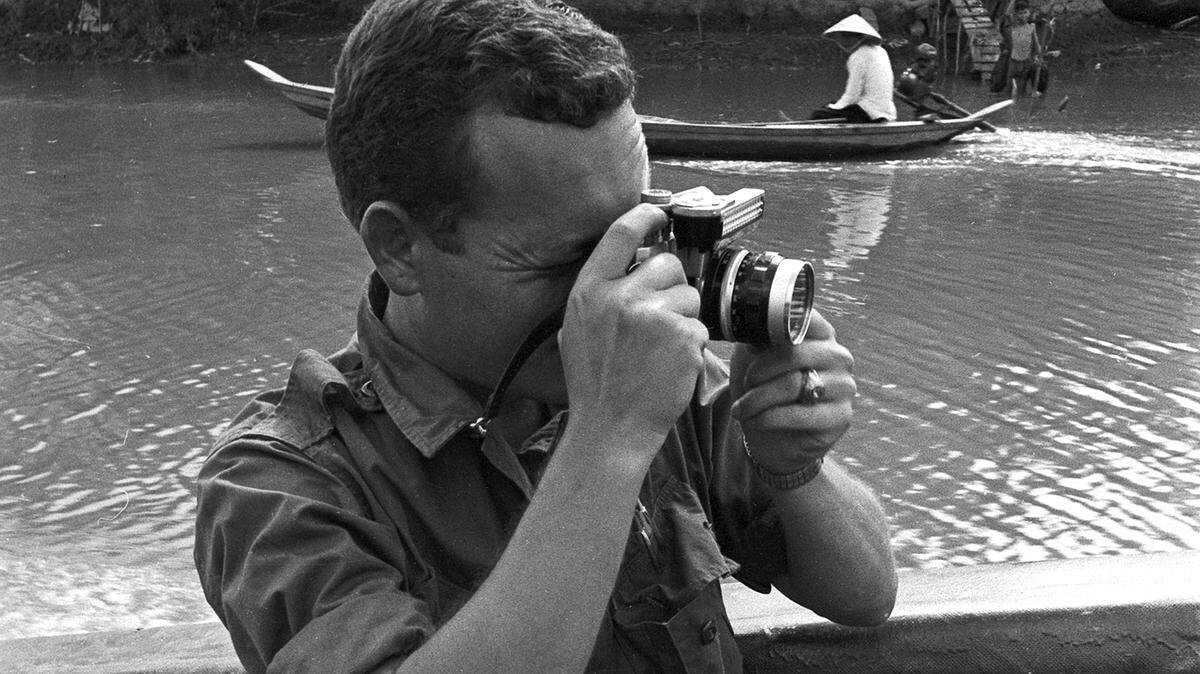
It’s been 60 years since Bob Schieffer, longtime CBS News correspondent and Fort Worth native, embarked on one of the most meaningful missions of his journalistic career — to bring home the stories of Texas soldiers from the front lines of the Vietnam War.
It was 1965, and the war was quickly accelerating. Schieffer was persistent in pleas to Star-Telegram editor Jack Butler to be sent to Vietnam. Once Butler finally relented, Schieffer left for Saigon in December as one of the first correspondents from a major Texas newspaper to cover the Vietnam War. He was just 28 years old.
Star-Telegram photographer Harry Cabluck handed a 35mm Nikon film camera to Schieffer prior to his departure and offered a lesson on how to focus the lens.
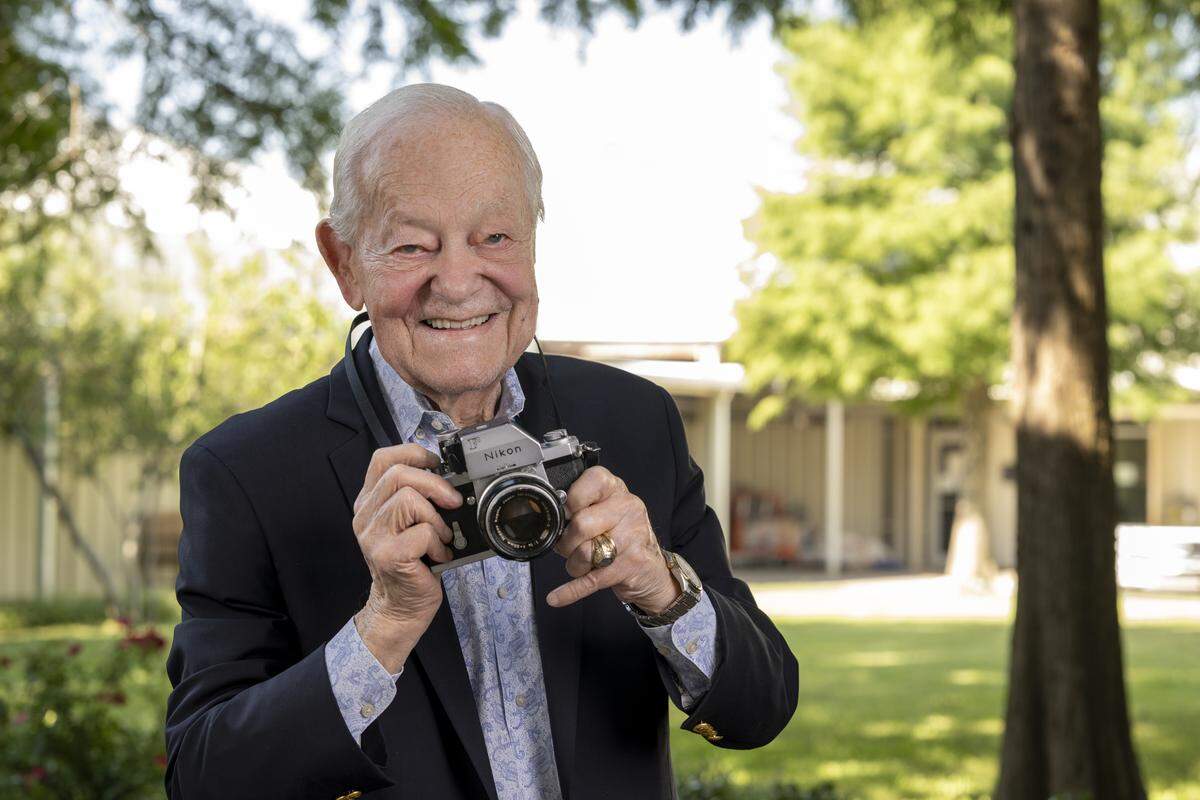
The Star-Telegram encouraged readers to write to Schieffer to connect with their loved ones in service. “He won’t be talking to many generals,” the Star-Telegram promotion read. “He’ll be looking for your sons and daughters.” Ultimately, Schieffer located 235 soldiers deployed from Texas and interviewed dozens of them for the Star-Telegram. He says he has yet to match the thrill he felt upon seeing a young soldier’s face light up when he approached and said, “I’m from the Star-Telegram, and your mom wrote me a letter and asked me to check on you.”
During the four months he shared the war with these soldiers, Schieffer traveled from one end of South Vietnam to the other — bumming rides on cargo planes and traveling with soldiers on ground patrols and bombing missions — all to seek out their stories. He maneuvered through Vietnam’s dense jungle and foliage alongside notable journalists such as Peter Arnett, Horst Faas, George Esper, and Eddie Adams.
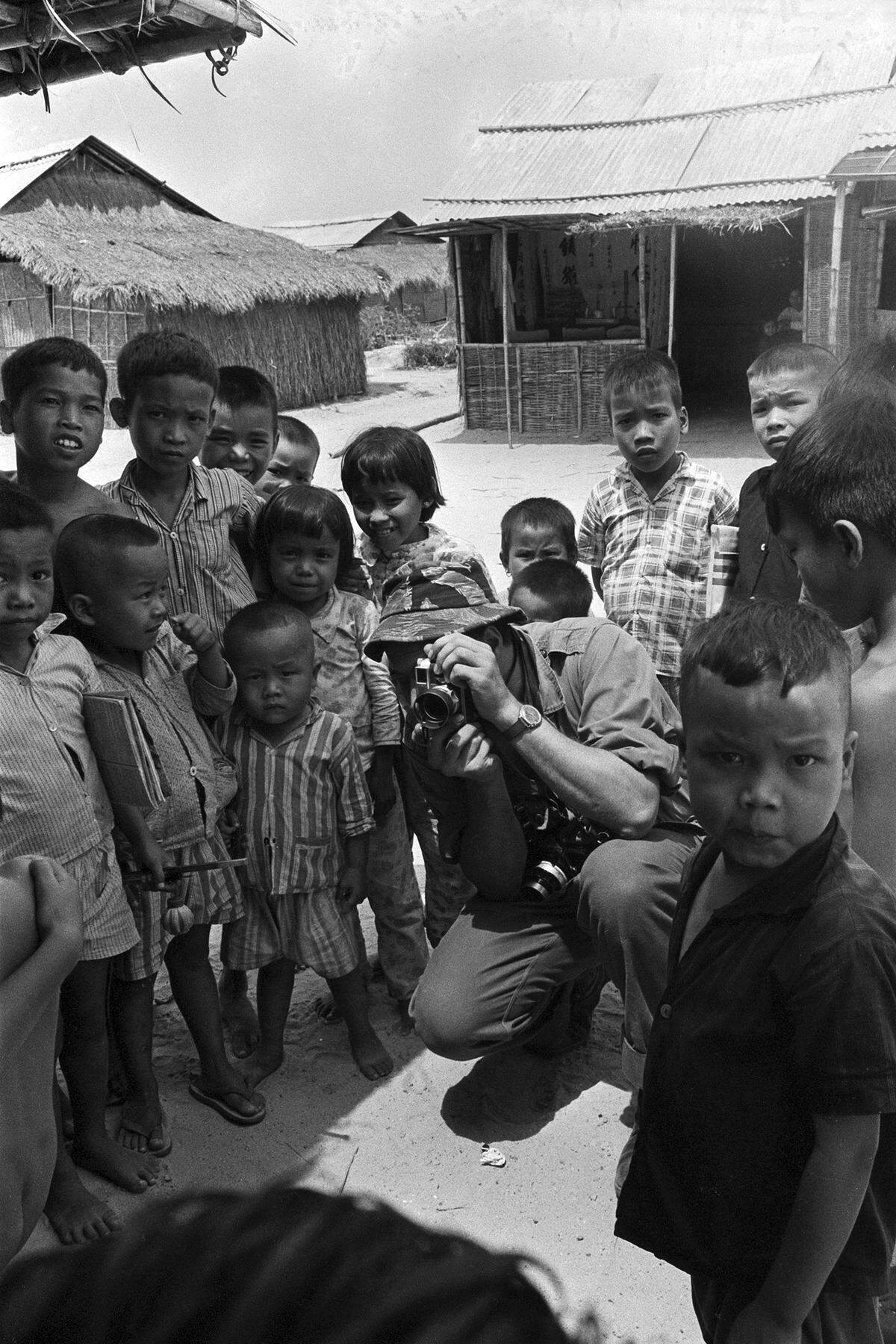
The soldiers he encountered, who were young and homesick in a country many had never heard of until the war began, made Schieffer proud to be an American. He shared their stories with compassion, empathy, and sometimes humor at a time when soldiers were struggling to cope with feelings of loneliness, confusion, fear, and frustration.
According to Schieffer, this was the most rewarding mission of his life.
Schieffer’s work lifted the morale of troops
Lt. Col. Dave O’Hara wrote in to Jack Butler to praise Schieffer for his efforts in boosting morale among the soldiers. O’Hara noted there were about 355 accredited newsmen in Vietnam with 125 from the U.S., commending Schieffer as “one of the finest guys I’ve met over there, and one of the best reporters ... it means a lot to the boys to have someone from back home listen to them.”
Among the many stories brought home to Texas, Schieffer often relayed requests from soldiers. Marine Capt. Robert Woodward of San Antionio mentioned a need for “a company cook who knows the recipe for making Mexican tortillas” during an interview with Schieffer. Woodward’s unit had 400 pounds of cornmeal to distribute to the Vietnamese, stating that “a good batch of tortillas would be an instant hit with the villagers.” Schieffer promptly received a letter from Star-Telegram reader Lucille Nelson of Olney with a cornmeal tortilla recipe attached.
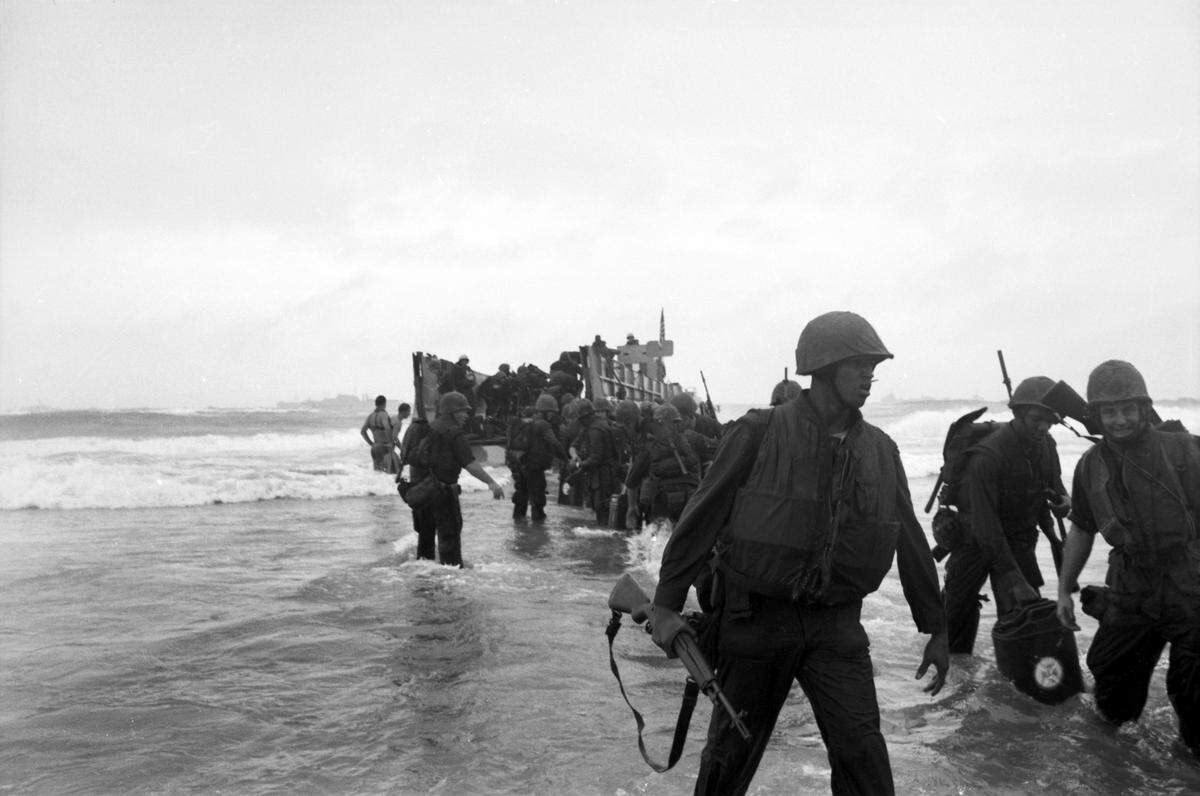
Schieffer never took a moment of his assignment for granted. He kept busy by embarking on Skyraider missions with the likes of Bernard F. Fisher, who later became the first Air Force member to receive the Medal of Honor in the Vietnam War, and embedding himself within a Marine unit during Operation Double Eagle, the largest U.S. amphibious landing since the Korean War
Schieffer also witnessed firsthand the atrocities and permanent damage inflicted by the Vietnam War. Following a visit to wounded and dying soldiers at the 93rd Evacuation Hospital at Long Binh, he reflected on the consequences of war: “It dawns on you that when all of the policy is settled, when all of the things that have caused a war have been decided and when Vietnam has become a topic for the historians and not for the soldiers, it will still not be over for these people. They still will not have grown new arms and legs.”
Vietnam became a national tragedy of unimagined proportions, and it was the turning point in Schieffer’s life.
Schieffer has returned to the four months he spent in Vietnam with a new exhibit at UTA Libraries’ Special Collections titled “Our Man in Vietnam.” On display are a selection of never-before-seen photographs taken in Vietnam by Schieffer, recently donated to UTA Libraries’ Special Collections, in addition to a series of paintings Schieffer created based on photographs he took of Texas soldiers serving in the war.
The exhibit’s grand opening ceremony, with Bob Schieffer in attendance, will be held from 4 to 7 p.m. Monday, Feb. 9, in Special Collections. The exhibit will remain on view until April 4, 2026. Visit libraries.uta.edu/schieffer for more details.
Sara Pezzoni works toward promoting greater access to Fort Worth Star-Telegram archival collection materials as a staff member of the Special Collections department at the University of Texas at Arlington Libraries.