
Bob Schieffer’s lens captured truths of the Vietnam War. UTA now shows his photos
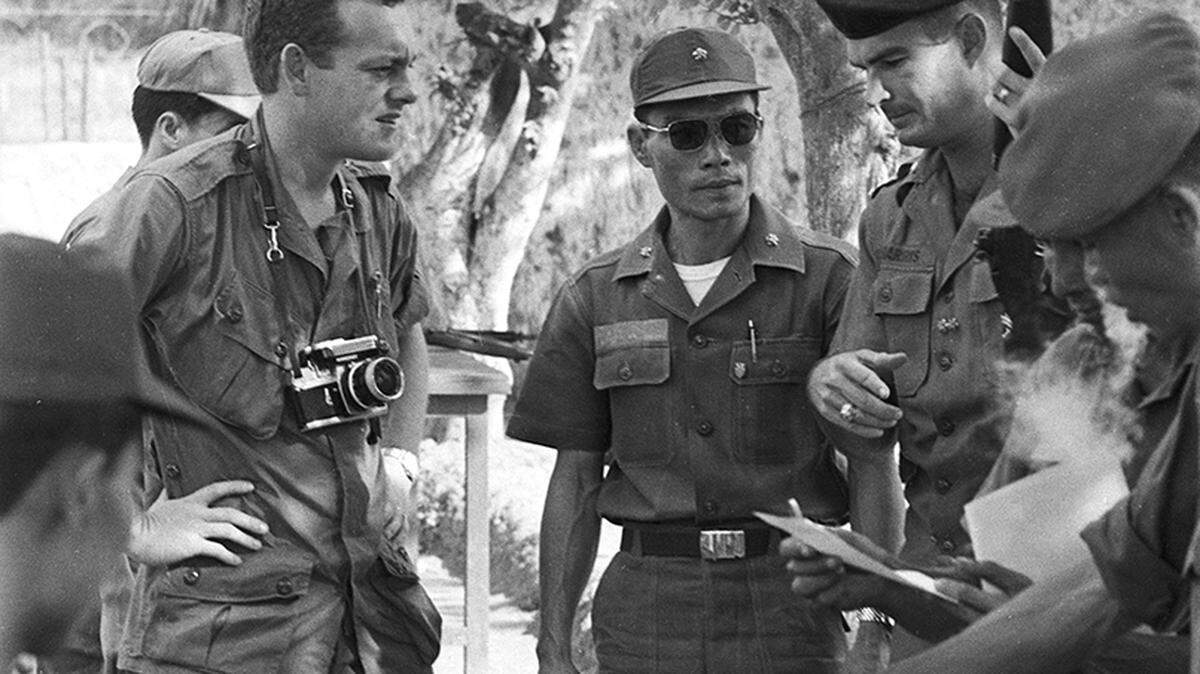
Over his long and illustrious career as a CBS news correspondent and anchor, Bob Schieffer won awards and earned acclaim as one of the finest journalists in America. But to hear him tell it, it might not have happened had it not been for an assignment he volunteered for as a young Star-Telegram reporter, covering the Vietnam War from a local perspective.
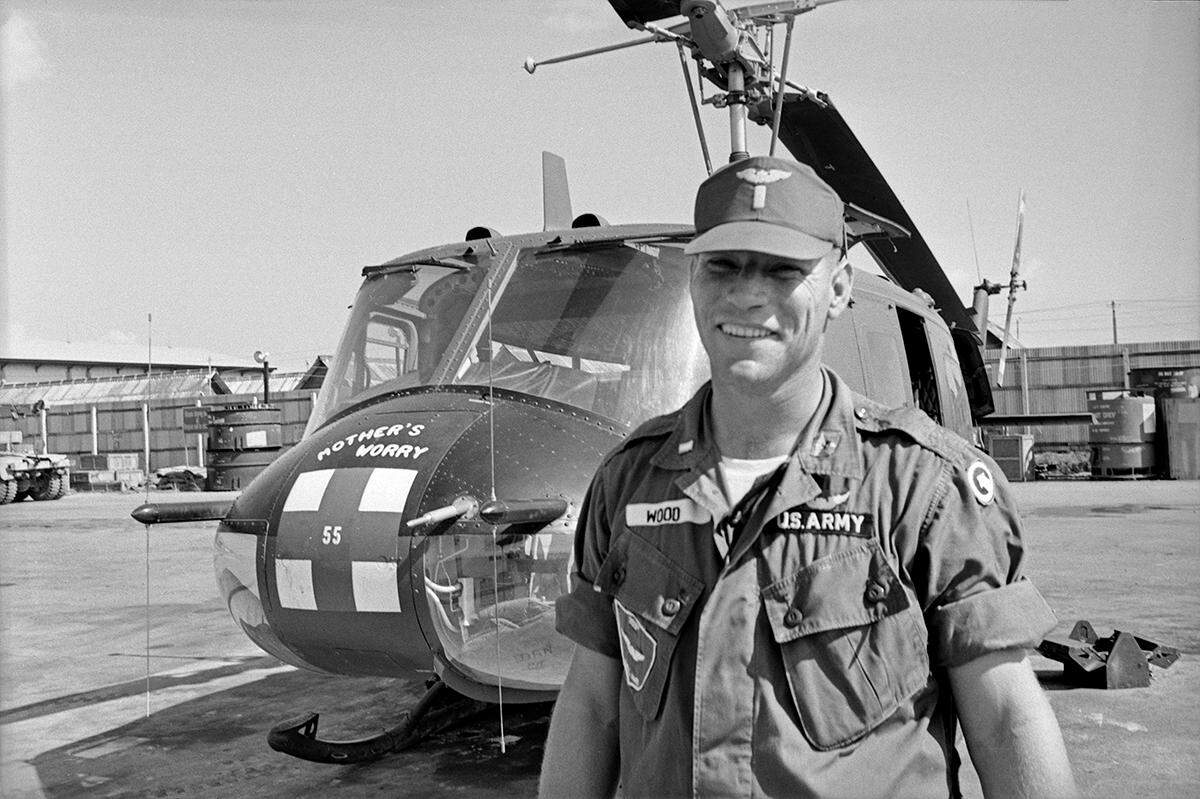
Starting in January, the University of Texas at Arlington’s library will host an exhibition of photographs Schieffer took during his months in Vietnam documenting the lives of servicemen from the Fort Worth area. Many of the photos have never been seen by the public, and Schieffer is thrilled to revisit what he describes as a formative experience for him as a journalist.
“Nobody could have had a more active career than I had,” he said. “I went all over the world, moderated presidential debates, did all those premier kinds of things, but I never got the satisfaction or felt that what I was doing really meant more than those times when I went out to find those kids from my hometown.”
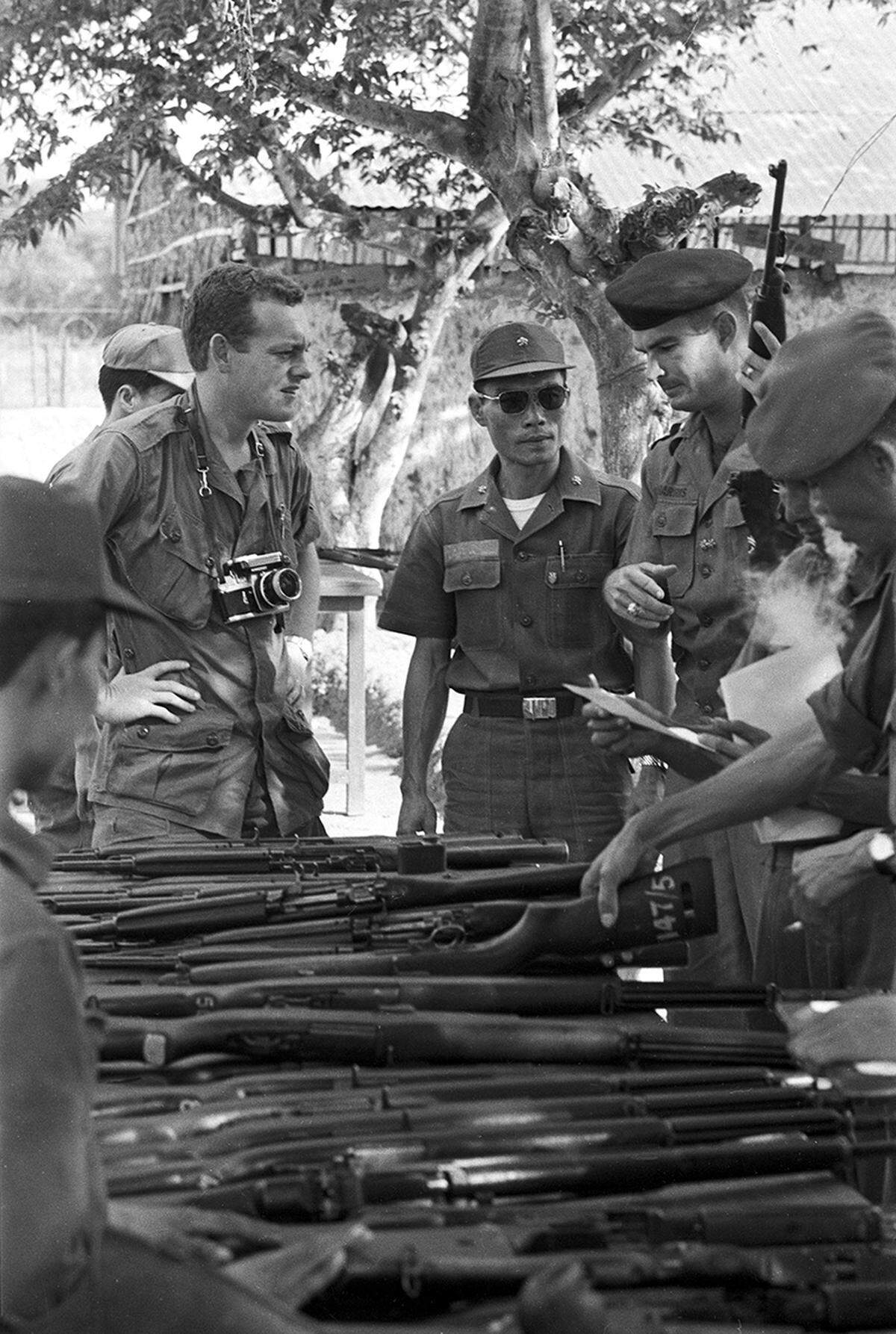
While UT Arlington will begin displaying the photos in January, Schieffer is scheduled to attend the exhibition’s formal opening on Feb. 9 from 4-7 p.m. The exhibition will run through March.
Bob Schieffer, ‘Our man in Viet Nam’
After the U.S. officially began military operations in Vietnam in 1965, Schieffer, then a beat reporter at the Star-Telegram, wanted to go cover the war, but he was told no. The Star-Telegram hadn’t had an overseas correspondent since World War II, Schieffer said, so he wasn’t entirely shocked by the response.
Soon, though, his editor had a change of heart and decided Schieffer should travel to Vietnam to report on hometown servicemen while also relaying messages to them from their families in Texas.
In the weeks leading up to Schieffer’s departure, the newspaper ran full-page ads calling him “our man in Viet Nam” and touting him as one of the only Texas correspondents to be in the country.
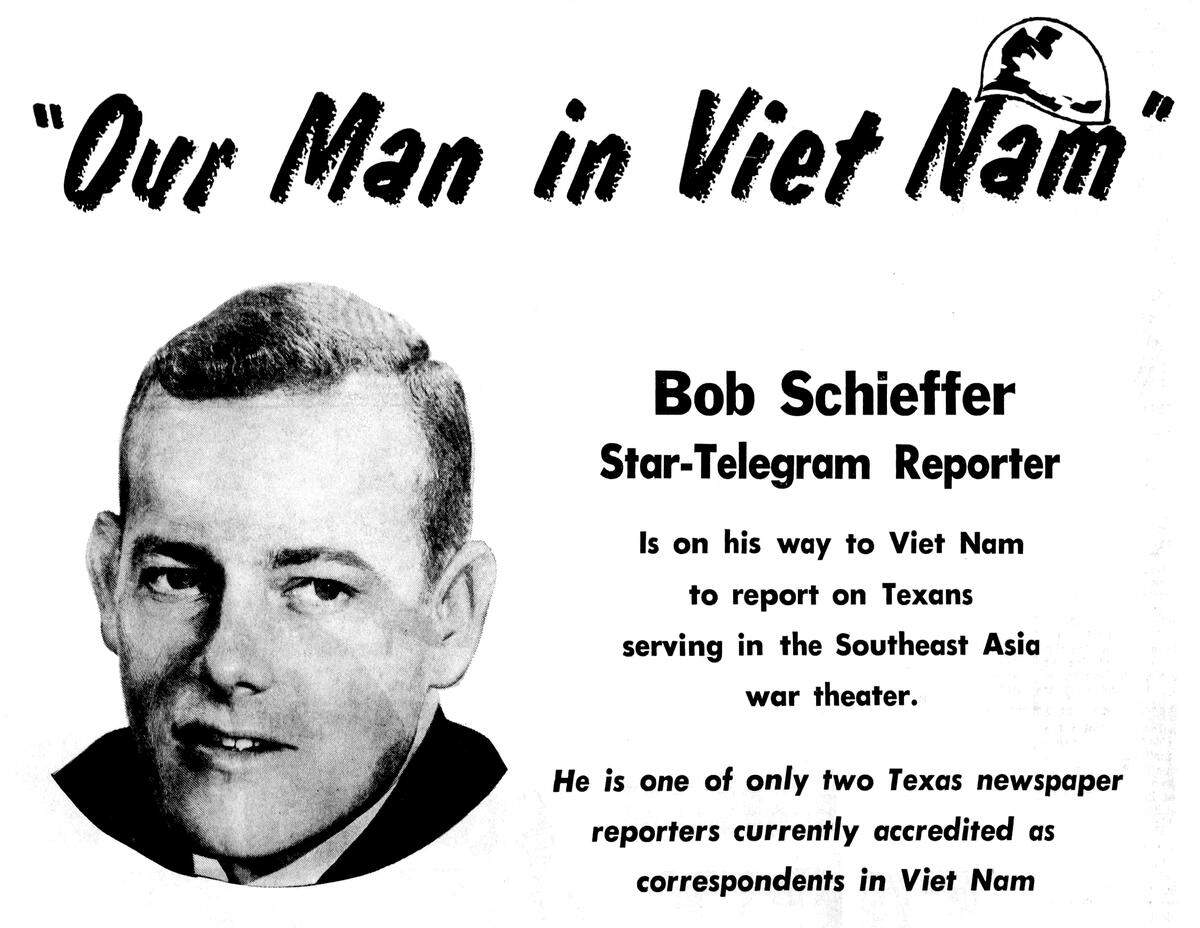
“To keep our readers in closer touch with their sons, husbands, brothers, relatives and friends in the battle zone, the Star-Telegram is sending one of its writers to that distant land,” the ad read. “He will operate at the company, platoon and squad level, talking with the men you know. His dispatches will tell you about their triumphs, their trials and their tragedies.”
In December 1965, Schieffer arrived in Saigon (now Ho Chi Minh City). His editors back home would forward him letters from readers, and Schieffer would set out to find their loved ones in the field, slogging through jungles and rice paddies, facing some of the same dangers as the men he was covering.
“I would go out for maybe 10 days, then come back to Saigon and write pieces to cover those 10 days and mail them back,” Schieffer recalled.
He said the young men he encountered had a deep sense of duty, but many also felt isolated in such a foreign place.
“A lot of those kids didn’t know where Vietnam was when they were drafted,” said Schieffer. “I’m not sure I knew where it was in those days. They wanted to do what their country had asked them to do. They were very patriotic and very enthusiastic in that sense, but they were also very lonely. I was 28 years old by this time, and sometimes these kids would be 17, 18, 19 years old. It was their first time away from home, and they were just lonely.”
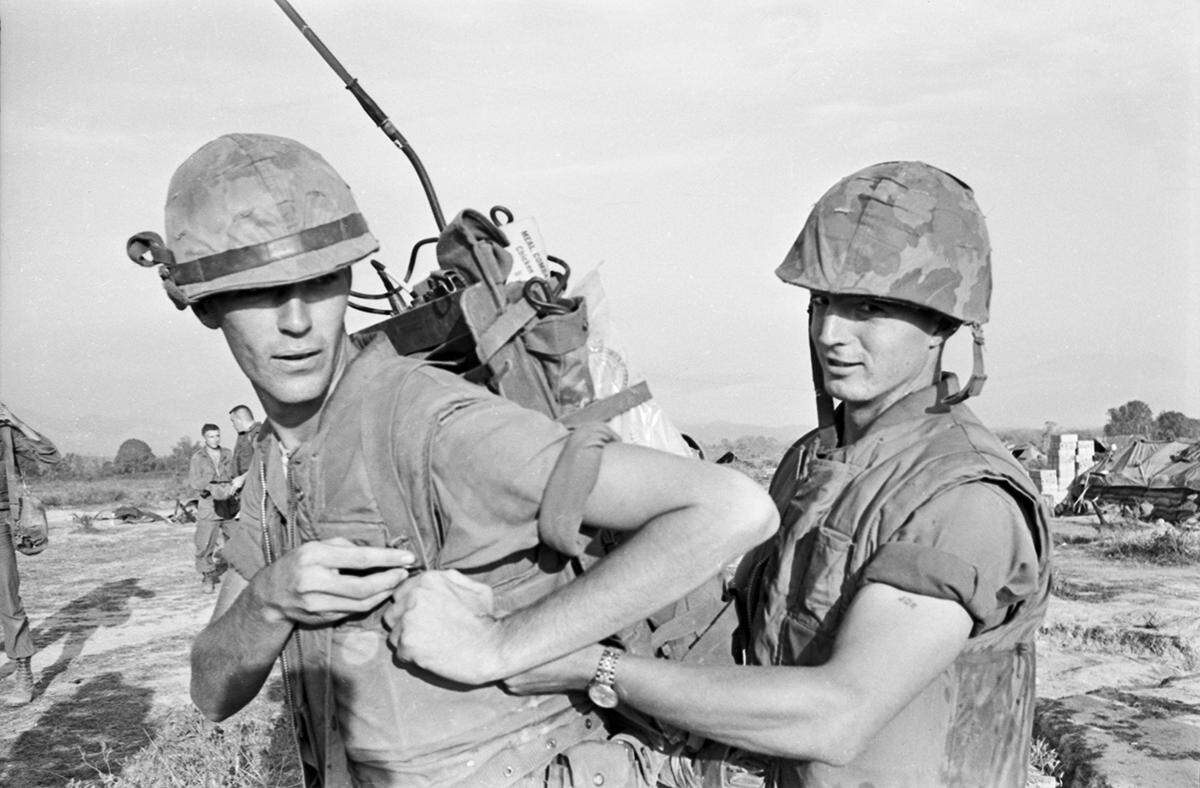
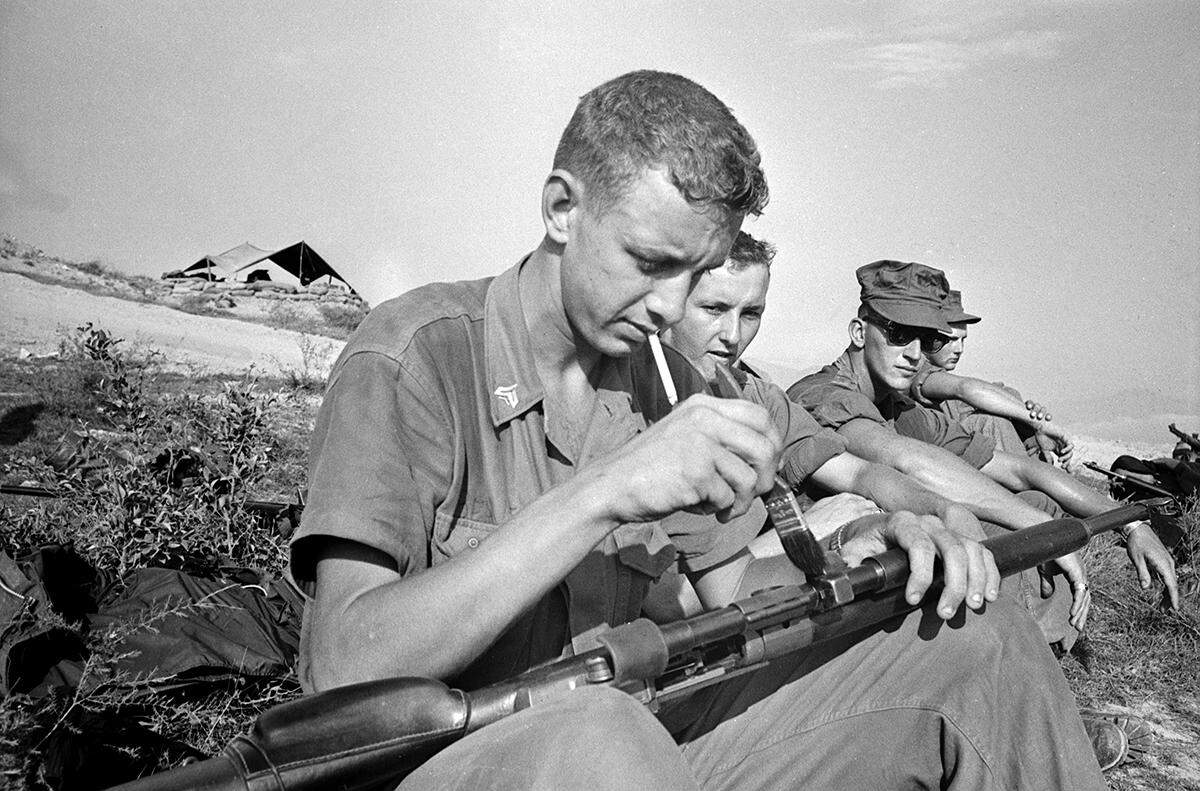
One of Schieffer’s most vivid memories is of meeting a young Marine in the field preparing for combat.
“He had on full battle gear, his armor, carrying his weapon, and I said ‘I’m Bob Schieffer from the Star-Telegram, and your mom asked me to come see how you were.’ The kid just broke down and bawled. He was totally overcome.”
Over four months, Schieffer traveled from one end of South Vietnam to the other, bumming rides on transport planes to get where he needed to go to find the men he needed to talk to. In some cases, he even accompanied his subjects on missions.
“I decided early on I couldn’t tell these kids I want to write a story about what you’re doing over here unless I’m there with you,” said Schieffer.
On one occasion, Schieffer took part in a large-scale seaborne assault that required him to go over the side of a ship and down a rope ladder into a landing craft, which transported him and the troops he was with to the shore for an invasion.
“The kids said ‘this sure isn’t the way John Wayne did it,’” recalled Schieffer.
While he participated in those kinds of operations, Schieffer said he never felt he shared the same risks as the soldiers and Marines he accompanied.
“For one, I wasn’t carrying a weapon,” said Schieffer. “The other part was, any time I wanted to leave, I could leave. They had to go where somebody told them to go. That’s why I respected them so much. But I never compared any kind of danger I was in with what they were having to contend with.”
Schieffer’s celebrity grew back home
Upon his return to Fort Worth in the spring of 1966, Schieffer discovered he’d become a hometown celebrity thanks to his reporting. Suddenly, his calendar was filled with speaking engagements at local clubs and organizations.
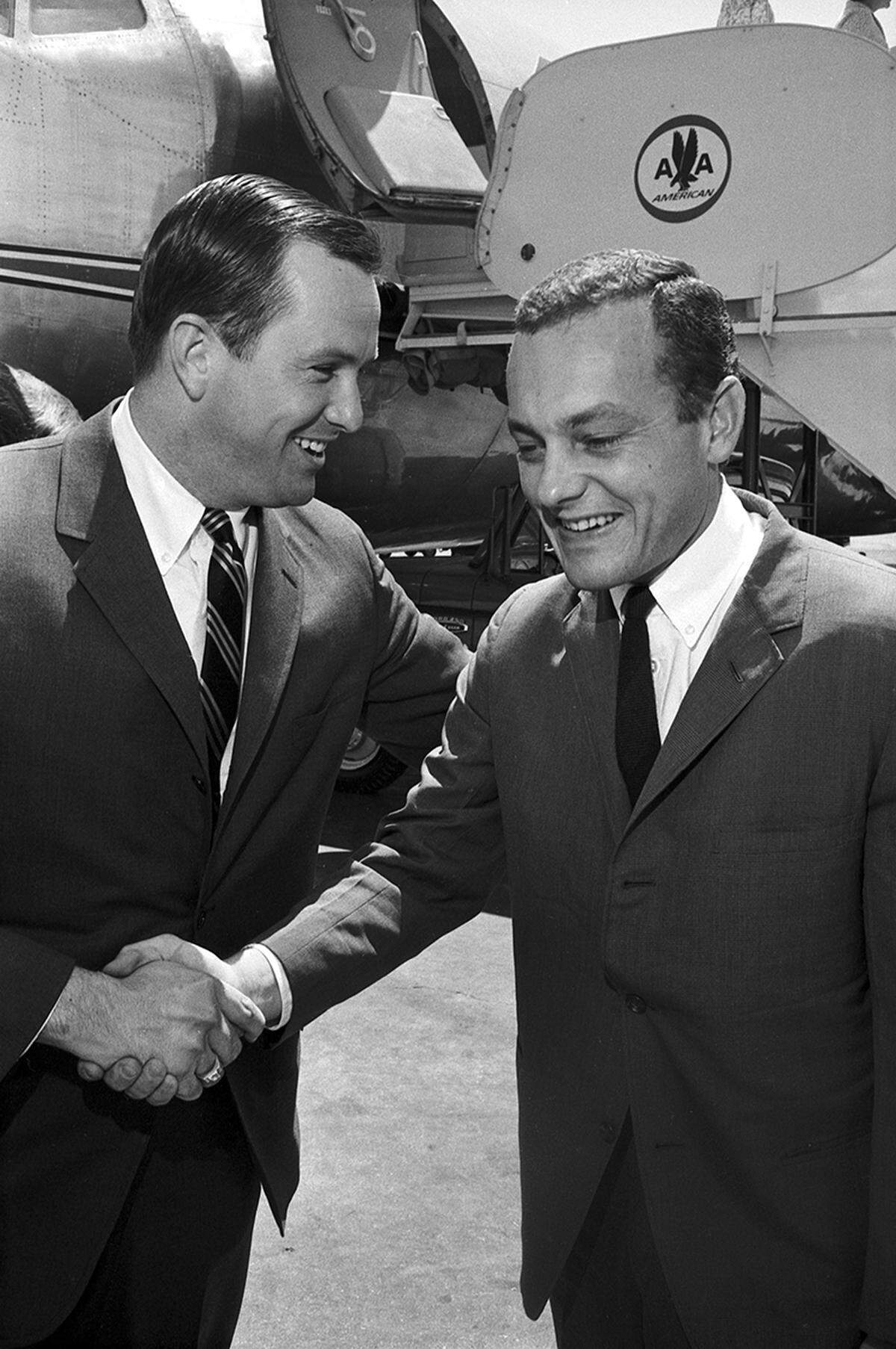
Not long after, Schieffer moved to the news desk at Channel 5, which at that time was owned by Star-Telegram publisher Amon Carter, Jr.
Schieffer’s career took off after that, he said, and by 1969 the Fort Worth native and TCU grad was reporting on the Pentagon in Washington for CBS. From there, Schieffer’s trajectory took him to heights most journalists never even dream of, most notably hosting “Face the Nation” on Sunday mornings for nearly a quarter of a century.
His stint in Vietnam made all that possible, Schieffer believes. That’s why he said he’s dedicating the upcoming photo exhibition at UT Arlington to the Star-Telegram.
“I just owe them so much for all the things they did for me,” he said. “(Going to Vietnam) was clearly the turning point in my career.”
But more important than reminiscing, Schieffer said, is the message his photos convey about this country and its people, particularly those who served in Vietnam.
“I just want them to understand what these kids went through and how brave they were,” said Schieffer when asked what he hopes visitors to the photo exhibition will take away from the experience.
“I’ll never forget it. I never did anything in my professional life that I ever felt more strongly about than dealing with those kids and kind of helping them through the day, as it were, although that was a very small part.”
The free exhibit of Schieffer’s photos, titled “Our Man in Vietnam,” will be held in the University of Texas at Arlington Libraries’ Special Collections area at 702 Planetarium Place. Visit libraries.uta.edu/schieffer for more details.
This story was originally published October 21, 2025 at 11:06 AM.