
This venomous snake blends in best during the Texas fall season. How to avoid
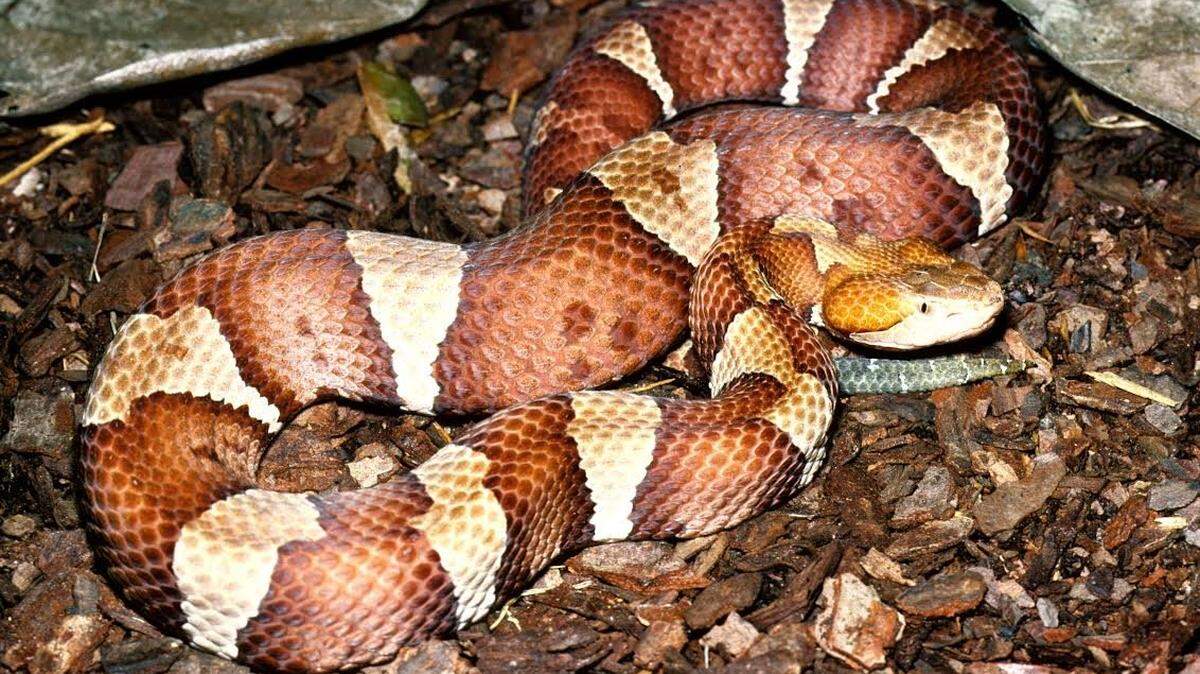
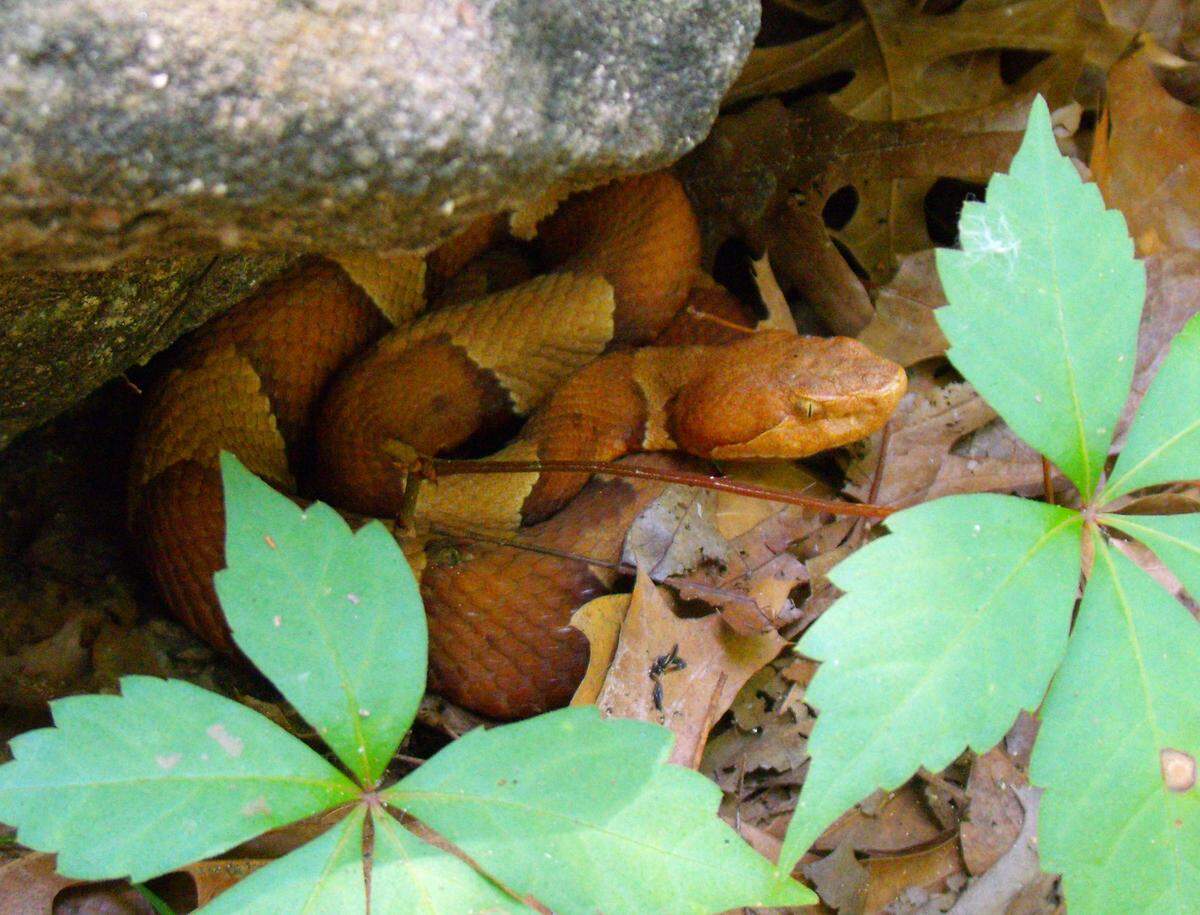
As the leaves turn to shades of orange and brown, a copperhead snake starts to blend perfectly into its habitat.
These are one of four venomous snakes found in Texas alongside rattlesnakes, cottonmouths (also known as water moccasins) and coral snakes.
North Texas suburbs may see more rattlesnakes, however it is not a surprise to see copperheads as well. After all, copperheads are the most common venomous snake in Texas, according to Texas Parks and Wildlife.
They love wooded areas with rocky bottoms, rivers and streams. But “they are sometimes present in wooded suburbs, adapting to the presence of humans,” said TPWD.
A copperhead’s mating season is in the spring and newborns are out and about by August and September. With both adults and babies slithering around, here is what you should know in case you run into one of these stealth vipers.
What to know about copperhead snakes
According to TPWD, copperheads are reddish-brown in color.
There are three types of copperheads in Texas:
- Southern copperhead: 20-30 inches long and found in the eastern one-third of the state.
- Broad Banded copperhead: about two feet long, widely scattered in central and western Texas.
- Trans-Pecos copperhead: 20-30 inches in length and found near springs in the southern part of the Trans-Pecos.
Are baby copperheads more dangerous than adult copperhead snakes?
People often believe juvenile copperheads are more dangerous than adults.
But according to TPWD, there is no difference in the venom’s potency of a baby or adult snake bite. This is true for all venomous snake species.
In fact, “The bite of a copperhead is seldom fatal because of its short fangs (1.2 to 7.2 mm in length) and small amount of venom,” says TPWD. “Taking some simple safety precautions, however, can keep you from harm.”
How avoid a copperhead snake bite
- Do not play with or catch snakes if you are not properly trained.
- Keep your house landscape or camping grounds well cleaned and manicured.
- In wooded areas, or marshes near water, wear long pants and boots to keep snakes out.
- Be careful where you are stepping and do not put your hands in places you are unable to see.
- Avoid areas with visible snakes.
Copperhead bite symptoms and treatments
The following are possible symptoms that many snake bite victims experience, according to the Texas Department of State Health Services:
- blurred vision
- convulsions
- dizziness
- excessive sweating
- fainting
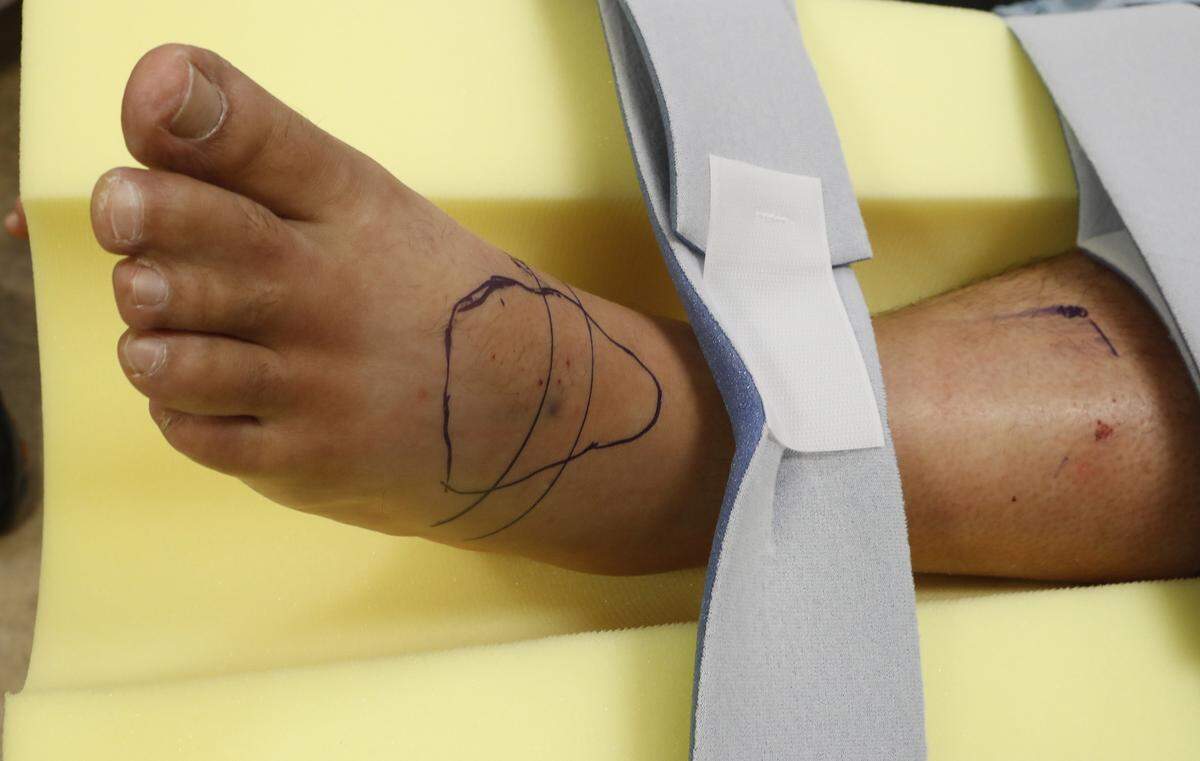
- fang marks
- fever
- increased salivation
- localized pain and burning muscle contractions
- muscle incoordination
- nausea and vomiting
- numbness and tingling
- rapid pulse rate
- skin discoloration
- swelling in the bite area
- thirst
- tissue death
- weakness
_fitted.png "Screenshot (1290)_fitted.png")
What to do if you are bitten by a copperhead snake
If bitten, move away from the snake. If you see the snake, take a picture (if safe) or try to remember what it looks like, says DSHS. That way you can tell your doctor and that can aid in diagnosis and treatment.
Other suggestions after being bitten are:
- Keep calm.
- Remove jewelry or constricting clothing quickly, before any swelling begins.
- Lift the bitten limb so that it is level with the heart. Raising it above heart level could quicken distribution of the venom to other parts of the body. Holding the limb below heart level could increase swelling.
- Limit movement of the bitten limb, and avoid any unnecessary exertion.
- Gently wash the bite wound with soap and water, if available.
- If have cell service, seek medical attention immediately by calling 9-1-1. You can also call the Texas Poison Center Network at 1-800-222-1222 for information about which medical centers are closest.