
Watch out! It’s copperhead season in Texas. What you should know about the venomous snake
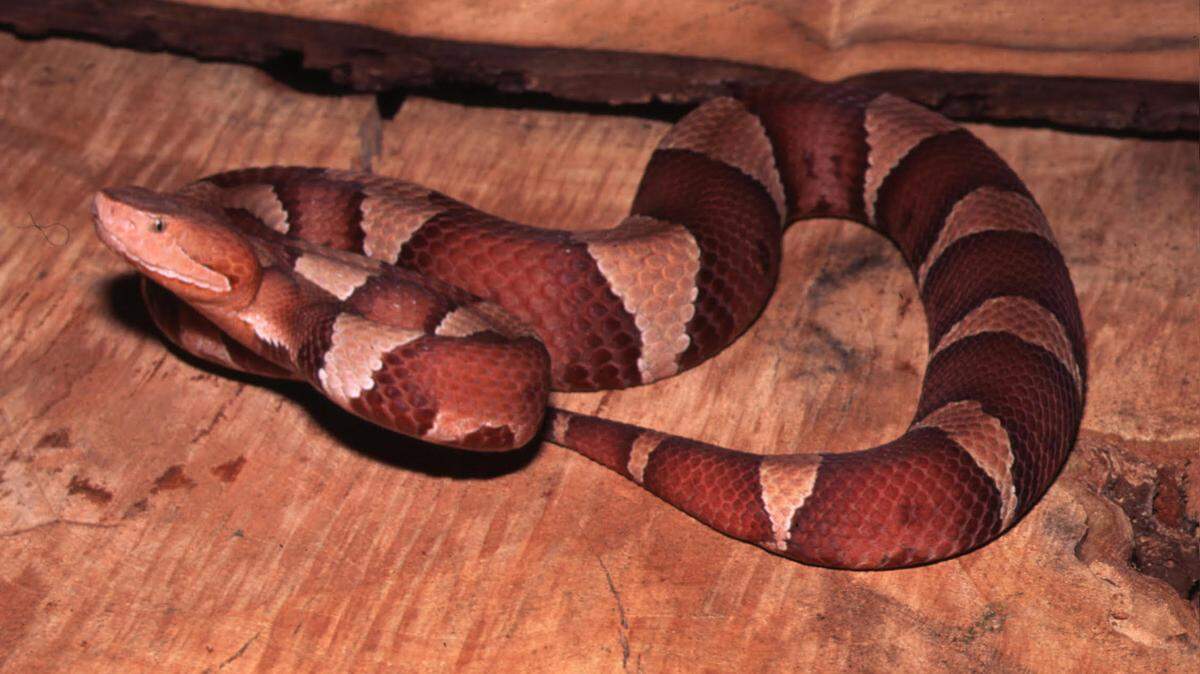
Fall brings all the creepy crawlies, including slithering copperheads.
These are one of four venomous snakes found in Texas. The Lone Star State has other pit-vipers: rattlesnakes, cottonmouth (or water moccasins) and also coral snakes.
While North Texas sees more rattlesnakes, it is not a surprise to see copperheads as well. After all, copperheads are most common type of venomous snake in Texas, according to Texas Parks and Wildlife.
Recently, a Fort Worth resident spotted a copperhead at River Legacy Park, according to a Reddit post.
“I have heard of more copperhead sightings this year than ever,” commented a Reddit user.
Poisonous or non poisonous snake bites hurt, so it’s important to be on alert to avoid a bite. Take these steps to stay safe and avoid getting bitten by a copperhead.
What to know about copperhead snakes
According to Texas Parks and Wildlife, copperheads are reddish-brown by nature. They love wooded areas with rocky bottoms and rivers and streams.
There are three types of copperheads in Texas:
Southern copperhead, 20-30 inches long and found in the eastern one-third of the state.
Broad Banded copperhead, about two feet long, widely scattered in central and western Texas.
Trans-Pecos copperhead, 20-30 inches in length and found near springs in the southern part of the Trans-Pecos.
“The bite of a copperhead is seldom fatal because of its short fangs (1.2 to 7.2 mm in length) and small amount of venom,” says TPWD. “Taking some simple safety precautions, however, can keep you from harm.”
_fitted.png "Screenshot (1290)_fitted.png")
How avoid a copperhead snake bite
Do not play with or catch snakes if you are not properly trained.
Keep your house landscape or camping grounds well cleaned and manicured.
In wooded areas, or marshes near water, wear long pants and boots to keep snakes out.
Be careful where you are stepping and placing your hands in places you may not be able to see.
Avoid areas with visible snakes.
Copperhead bite symptoms and treatments
The following are possible symptoms that many snake bite victims experience, according to the Texas Department of State Health Services:
blurred vision
convulsions
dizziness
excessive sweating
fainting
fang marks
fever
increased salivation
localized pain and burning muscle contractions
muscle incoordination
nausea and vomiting
numbness and tingling
rapid pulse rate
skin discoloration
swelling in the bite area
thirst
tissue death
Weakness
_fitted.png "Screenshot (1568)_fitted.png")
If bitten, move away from the snake. If you see the snake, take a picture (if safe) or try to remember what it looks like. That way you can tell your doctor and that can aid in diagnosis and treatment.
Other suggestions after being bitten are:
Keep calm.
Remove jewelry or constricting clothing quickly, before any swelling begins.
Lift the bitten limb so that it is level with the heart. Raising it above heart level could quicken distribution of the venom to other parts of the body. Holding the limb below heart level could increase swelling.
Limit movement of the bitten limb, and avoid any unnecessary exertion.
Gently wash the bite wound with soap and water, if available.
When you do have cell service, seek medical attention immediately by calling 9-1-1. You can also call the Texas Poison Center Network at 1-800-222-1222 for information about which medical centers are closest.
This story was originally published October 2, 2024 at 4:03 PM.