What to do if a copperhead bites you in Texas and you don’t have cell phone service
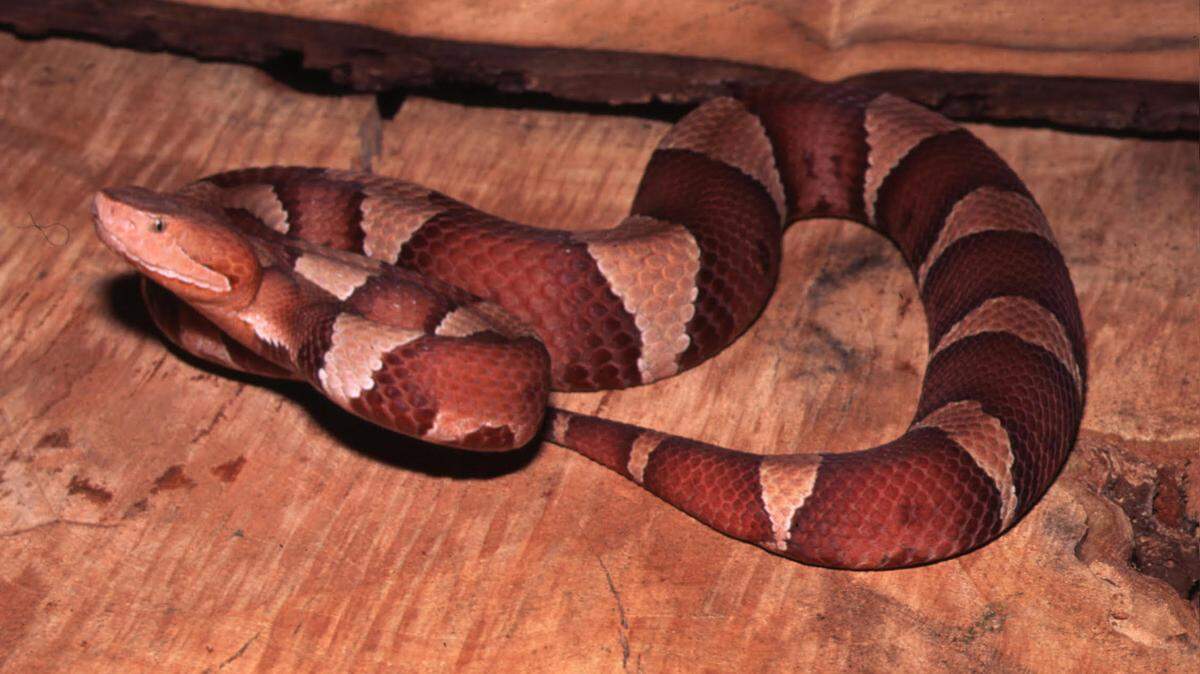
Plans to enjoy the outdoors may be foiled in Texas if you get bitten by a venomous copperhead, where there might not be cell phone service to seek professional medical care.
Here are some guidelines you should follow after a venomous snake bite, according to Texas experts.
What to know about copperheads
In Texas, there are 15 species of snakes that are potentially dangerous to humans, according to Texas Parks and Wildlife. Copperheads are pit vipers, the most common type of venomous snakes in Texas, with an opening on each side of the head between the eye and the nostril. They have chestnut or reddish-brown crossbands and a lighter colored body. The snakes are found in rocky areas and wooded bottomlands.
There are three subspecies of copperheads in Texas: the Southern copperhead, 20-30 inches long and found in the eastern third of the state; the Broadbanded copperhead, about two feet long and scattered in central and western Texas; and the Trans-Pecos copperhead, 20-30 inches long and found near springs in the southern Trans-Pecos.
How to avoid snake bites
- While most snakes in Texas are not venomous, avoid handling or playing with snakes unless you’ve been properly trained.
- Keep the landscape or campsite well manicured.
- Wear long pants and boots when in areas known to have snakes.
- Watch where you step and place your hands where you can see them when outdoors. Avoid areas where snakes may be resting unless you can see it’s safe.
What are common snake bite symptoms?
The following are symptoms that many snake bite victims experience, according to the Texas Department of State Health Services, but not every victim will have all of these symptoms:
- blurred vision
- convulsions
- dizziness
- excessive sweating
- fainting
- fang marks
- fever
- increased salivation
- localized pain and burning
- muscle contractions
- muscle incoordination
- nausea and vomiting
- numbness and tingling
- rapid pulse rate
- skin discoloration
- swelling in the bite area
- thirst
- tissue death
- weakness
What to do after a venomous snake bite
- Move away from the snake. If you see the snake, try to remember what it looks like or take a picture of it if you can do so safely.
- Identification of the snake will aid the doctor in the treatment assessment, including if antivenom is needed.
- Keep calm.
- Remove jewelry or constricting clothing quickly, before any swelling begins.
- Lift the bitten limb so that it is level with the heart. Raising it above heart level could quicken distribution of the venom to other parts of the body. Holding the limb below heart level could increase swelling.
- Limit movement of the bitten limb, and avoid any unnecessary exertion.
- Gently wash the bite wound with soap and water, if available.
- When you do have cell service, seek medical attention immediately by calling 9-1-1. You can also call the Texas Poison Center Network at 1-800-222-1222 for information about which medical centers are closest.
What not to do after a snake bite
- Do not try to suck venom from the bite wound.
- Do not make cuts over the snake bite.
- Do not apply a tourniquet or other constricting device.
- Do not apply a cold pack or ice to the snake bite.
- Do not apply an electrical shock to the snake bite.
- Do not take pain reliever or other medications unless instructed to do so by a physician.
- Do not drink alcoholic beverages.
- Do not administer antivenom yourself.
This story was originally published July 5, 2023 at 7:40 AM.