Can you get a coronavirus vaccine while COVID positive? Here’s what to know
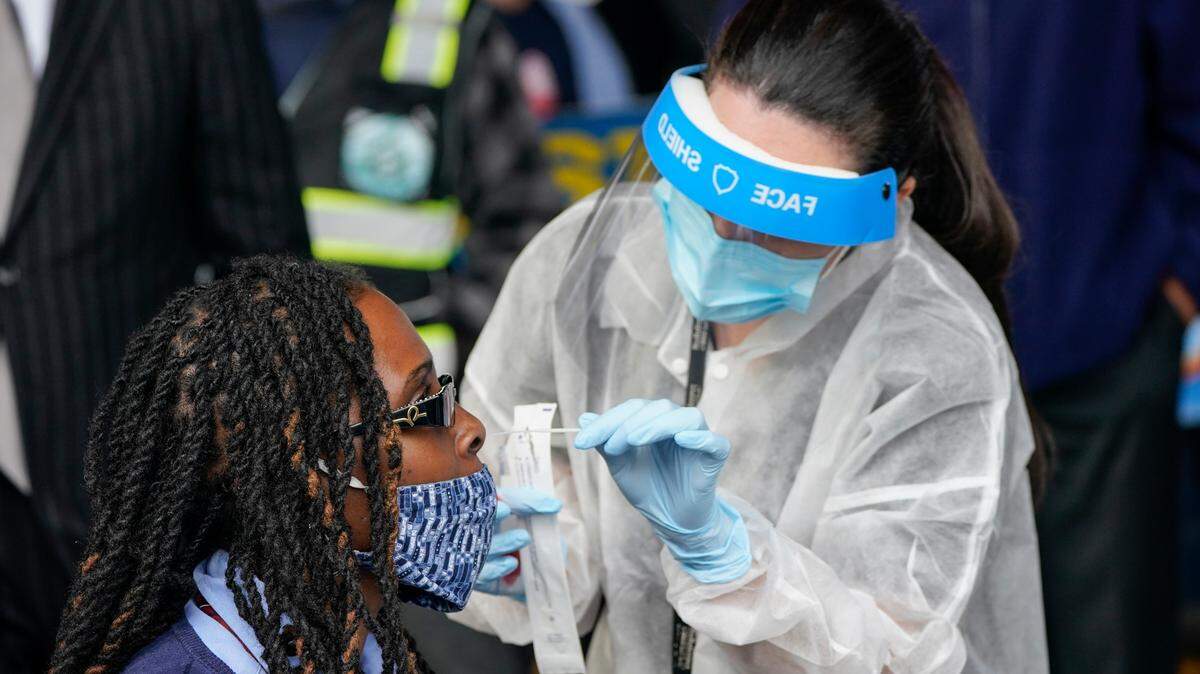
The COVID-19 pandemic feels like the world’s longest dodgeball game, ducking left and right to escape coronavirus infections thrown our way. And similar to the rules of the real game, if you get smacked with a positive test right before your scheduled vaccination, then you’re out — at least until you recover.
So, no, you should not receive your first, second or third COVID-19 vaccine dose if you are infected with the coronavirus, the Centers for Disease Control and Prevention says, because you don’t want to sicken health care workers or others during your vaccination process.
If you have symptoms, you should wait until you have fully recovered and no longer feel sick, the agency says. You should also make sure you meet all criteria for ending isolation before getting vaccinated, which got a makeover on Dec. 27. This guidance also applies to people who never experience symptoms.
Regardless of vaccination status, you should isolate yourself from others for five days if you test positive for COVID-19. If your symptoms disappear or are on their way out, you can leave isolation and should continue to wear a face mask for another five days.
You don’t need a negative COVID-19 test to end isolation, however, federal health officials said on Jan. 2 that they are considering reversing their newly updated guidelines to include a testing recommendation.
If you know you’ve been exposed to someone who has COVID-19, you should wait until your time in quarantine has ended before getting vaccinated, the CDC says.
The updated quarantine guidance says:
People who are unvaccinated, not yet boosted, more than six months out from their second Pfizer or Moderna shots, or more than two months out from their Johnson & Johnson vaccine, should quarantine for five days, wear a mask for another five and then get tested on day five, if possible.
All others don’t have to quarantine but should wear a mask for 10 days after exposure to COVID-19 and get tested on day five, if possible.
How long should you wait after breakthrough infection to get a booster?
If you catch COVID-19 before your booster, you should also wait until you feel better and symptoms have resolved before getting it, Dr. Jorge Luis Salinas, an assistant professor of medicine focusing on infectious diseases at Stanford University in California, told McClatchy News.
Experts say you should meet criteria to end isolation, too.
Dr. Angela Branche, an associate professor of infectious diseases and co-director of the Vaccine and Treatment Evaluation Unit at University of Rochester Medical Center in New York, said vaccinated people who have a breakthrough infection likely do not need a booster “for three to six months after they have recovered, though it would be safe to obtain a booster dose as early as two weeks after full resolution of symptoms.”
That’s because people who recently recover from an infection “are expected to have high levels of circulating antibodies that are likely to be broadly protective for several months,” Branche said in a news release. The same thinking applies to your primary vaccination series.
Vaccinated people who received a monoclonal antibody treatment for COVID-19 will also need to wait three months before getting a booster, experts say.
Anyone 16 and older can receive a booster shot at least six months after they received their second dose of the Pfizer or Moderna vaccines or at least two months after they received their single dose of the J&J shot. The Pfizer vaccine is the only shot currently authorized as a booster for 16- and 17-year-olds.
The U.S. Food and Drug Administration expanded its emergency-use authorization on Jan. 3 to allow 12- through 15-year-olds to receive a Pfizer booster, but the CDC must sign off on the authorization before teens can roll up their sleeves. The agency is expected to make a decision in upcoming days.
This story was originally published January 3, 2022 at 11:16 AM with the headline "Can you get a coronavirus vaccine while COVID positive? Here’s what to know."