Here’s why it’s hard to find entry-level homes in Fort Worth. (It’s not just the pandemic)
READ MORE
Where are the starter homes?
Fewer than 10 developments offer entry-level homes for less than $300,000 in Fort Worth due to high buyer interest, low housing inventory and the rising cost of land and materials.
Expand All
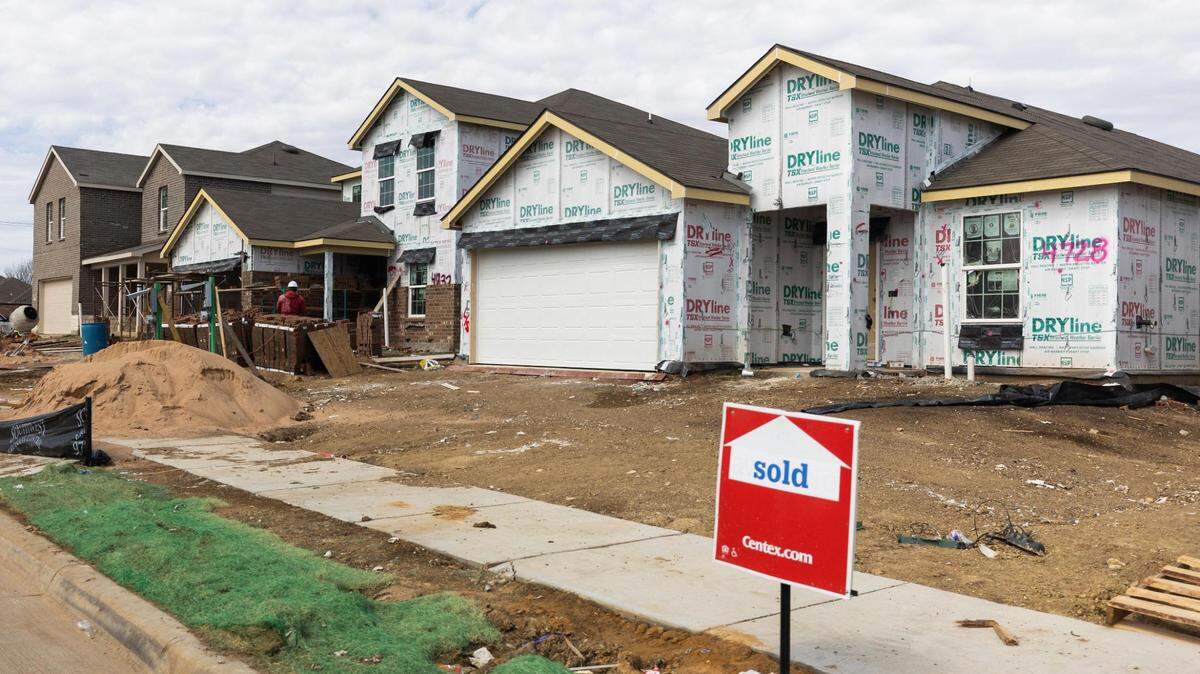
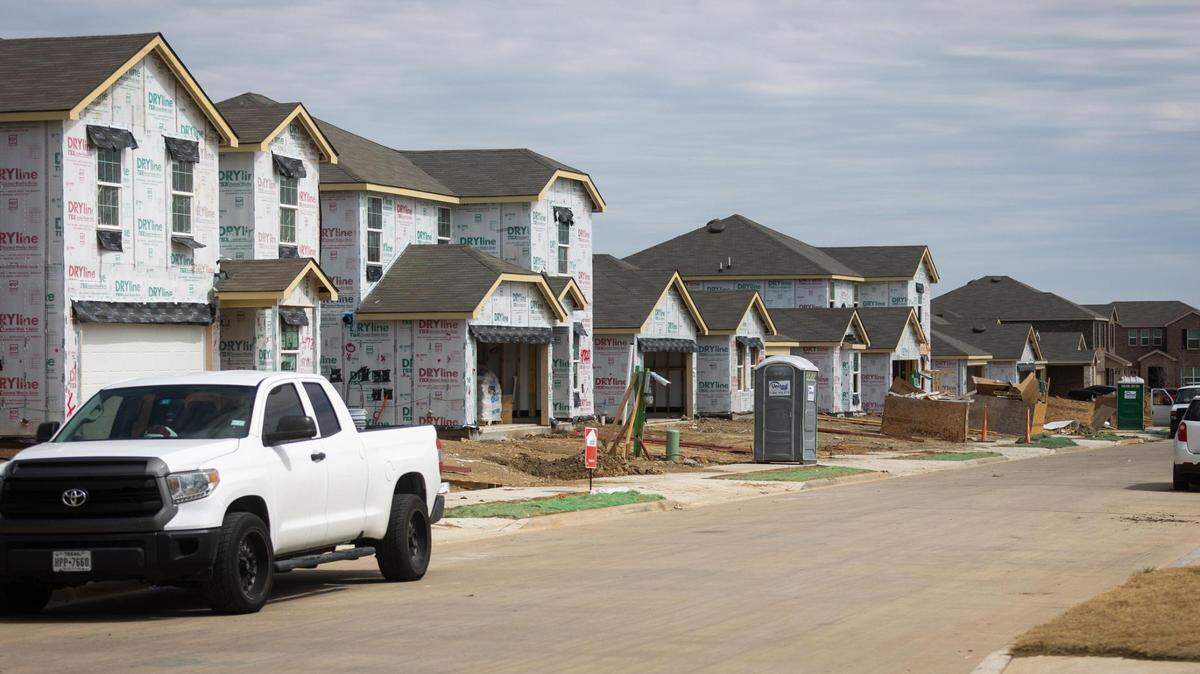
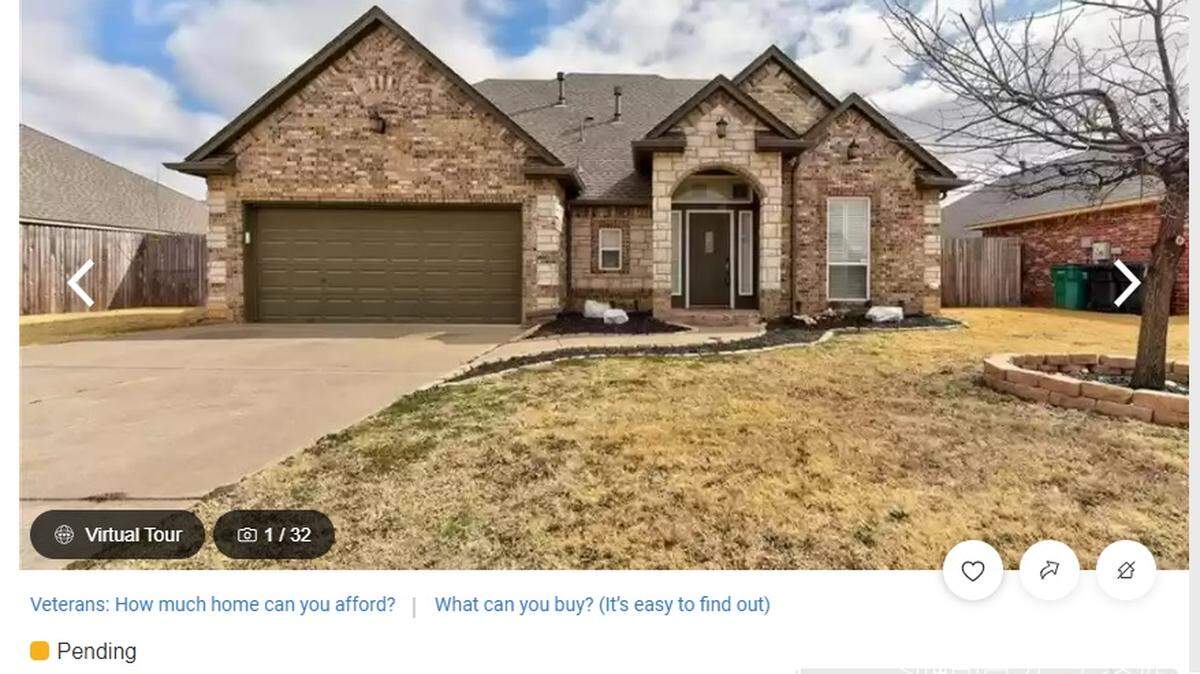
Having just arrived from Southern California, Allen and Karina Dockey were glad they wore their coats on the blustery day they chose to tour the model home in their new neighborhood near Crowley.
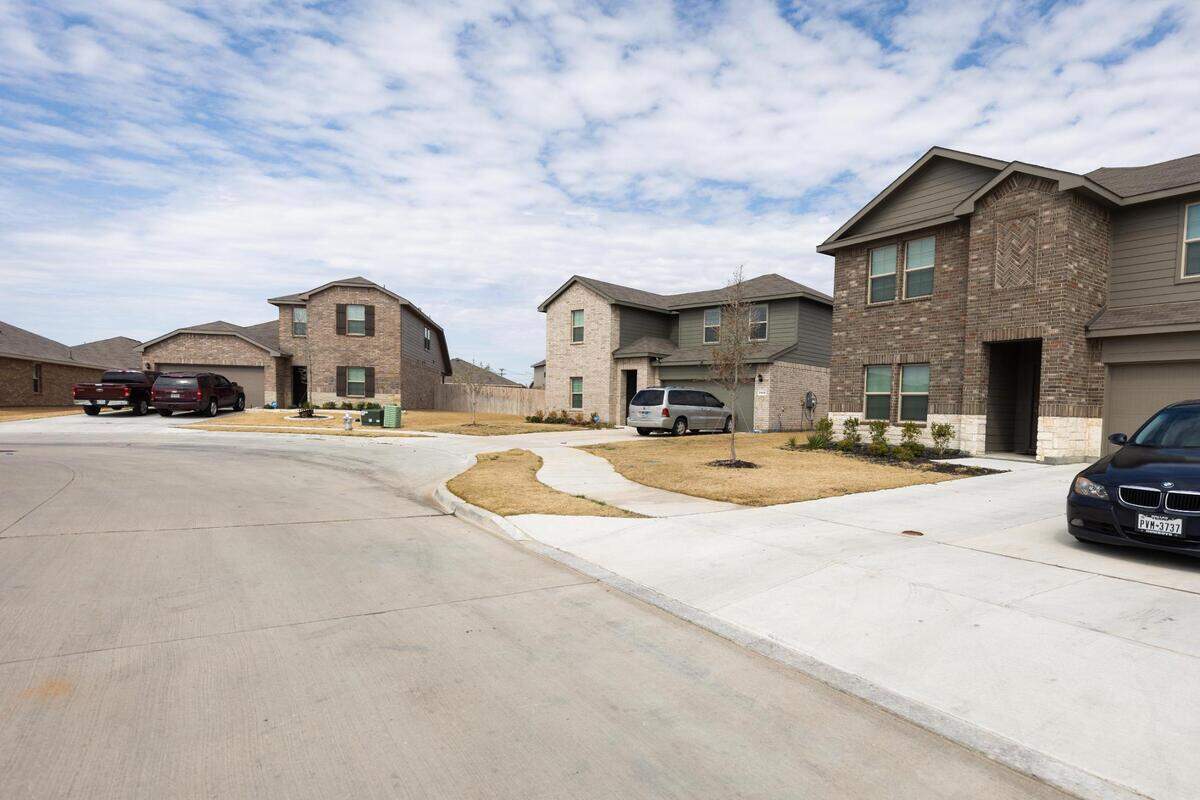
Newberry Point in Fort Worth features about 170 single and two-story homes neatly woven through a small web of streets. Some are completed and occupied; others are just a slab of newly poured concrete foundation.
With 1-year-old Maverick and 3-year-old Mazikeen in tow, the Dockeys are exactly who you’d picture moving into Newberry Point — a young couple in search of an affordable house in a good school district with a yard for their growing children to play.
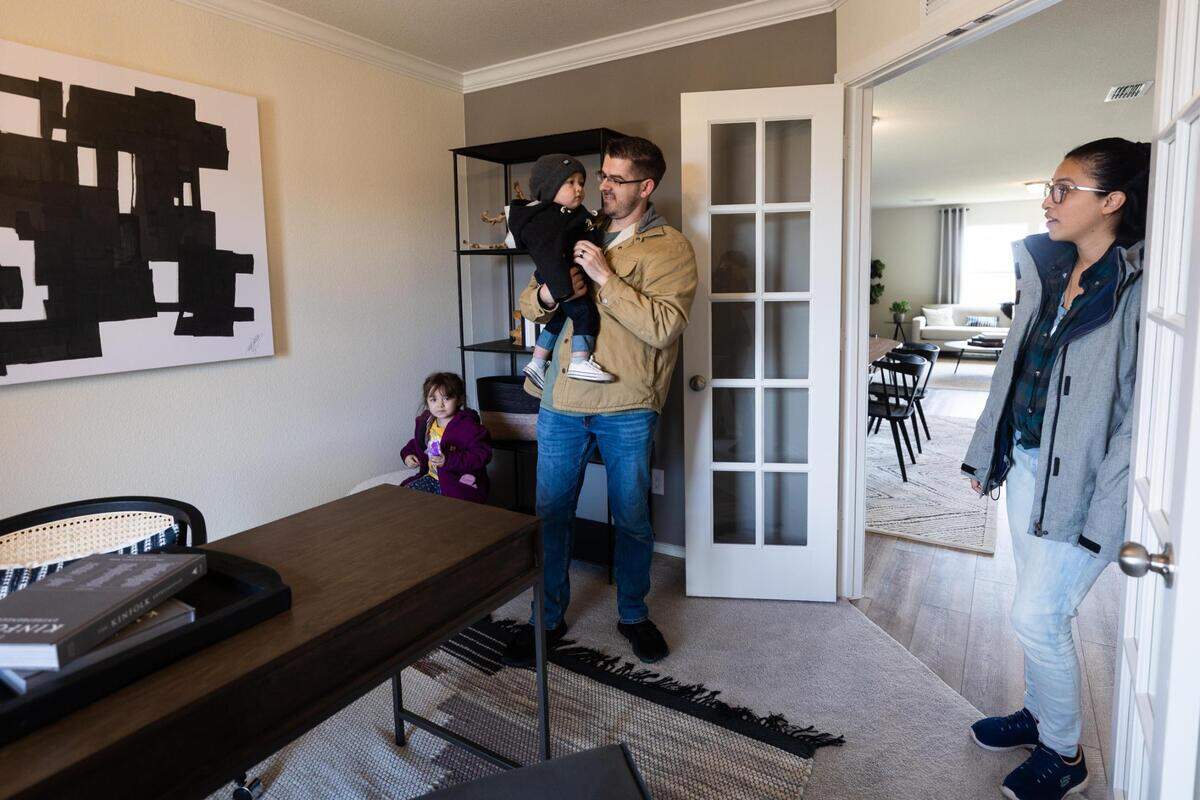
Their new neighborhood is one of less than 10 Fort Worth area developments offering new homes starting under $300,000. At 20 minutes from downtown Fort Worth, Newberry Point is one of the closer options.
If it seems like starter homes — a first home with two or three bedrooms — are harder to come by in Fort Worth and around the country, it’s because they are.
High demand, low inventory and rising land and lumber prices have transformed the starter home from the American dream into the American pipe dream.
In fact, Realtor.com reported the median listing price of a starter home reached $297,000 in July 2021 in the nation’s 50 largest metros.
Because of the pandemic’s effect on prices and rapid migration to North Texas from more expensive housing markets, Fort Worth’s starter home is disappearing — and with it, the wealth-building stepping stone an entry-level home offers.
So, how far do you need to travel to find an affordable starter home?
“In this case, 1,800 miles,” said Dockey.
Death of the starter home
Michael Schleicher got lucky with timing.
He signed a contract for his new south Fort Worth home in Parkview Estates in November 2020.
By February, prospective homebuyers were packing the model home parking lot on weekends to snag a lottery ticket and pray fate would allow them to buy a house.
Finding a starter home has gotten more difficult; there are fewer on the market, and over the last decade, prices have crept up. But since the pandemic the average price of a starter home has skyrocketed.
Just since 2016, the median listing price of starter homes in the U.S. has jumped 64% from $159,000 to $260,000, according to Realtor.com. In the same period, active listings of starter homes have dropped 54%, to 303,000 nationwide.
The same pattern is at play in Fort Worth.
In 2019, the median home price in Fort Worth was $230,000, and more than 30% sold were under $200,000.
In January, the median price was $325,000. Less than 11% of homes sold in 2021 were less than $200,000.
The figure includes single family homes, condos and townhomes.
To purchase a $325,000 home with 10% down payment ($32,500), a buyer would need to make at least $75,756 a year to qualify for a 30-year mortgage with an interest rate of 4.5%.
That’s more than $13,000 above Fort Worth’s median household income.
Price pressures
When Atlanta-based Pulte Homes started developing Newberry Point in 2020, prices were in the mid-$200,000s.
“We’re now on the cusp of 300,” said Regina Pinnell, vice president of sales for the Dallas-Fort Worth market. “And probably here within the next 30 days or so, we’ll be in the 300s.”
The pandemic alone did not kill the starter home, but it certainly exacerbated nascent price pressures and spiked interest in getting more space.
Supply chain issues sent the cost of building materials, especially lumber, soaring. The price of land jumped, pushing builders to move farther from downtown Fort Worth.
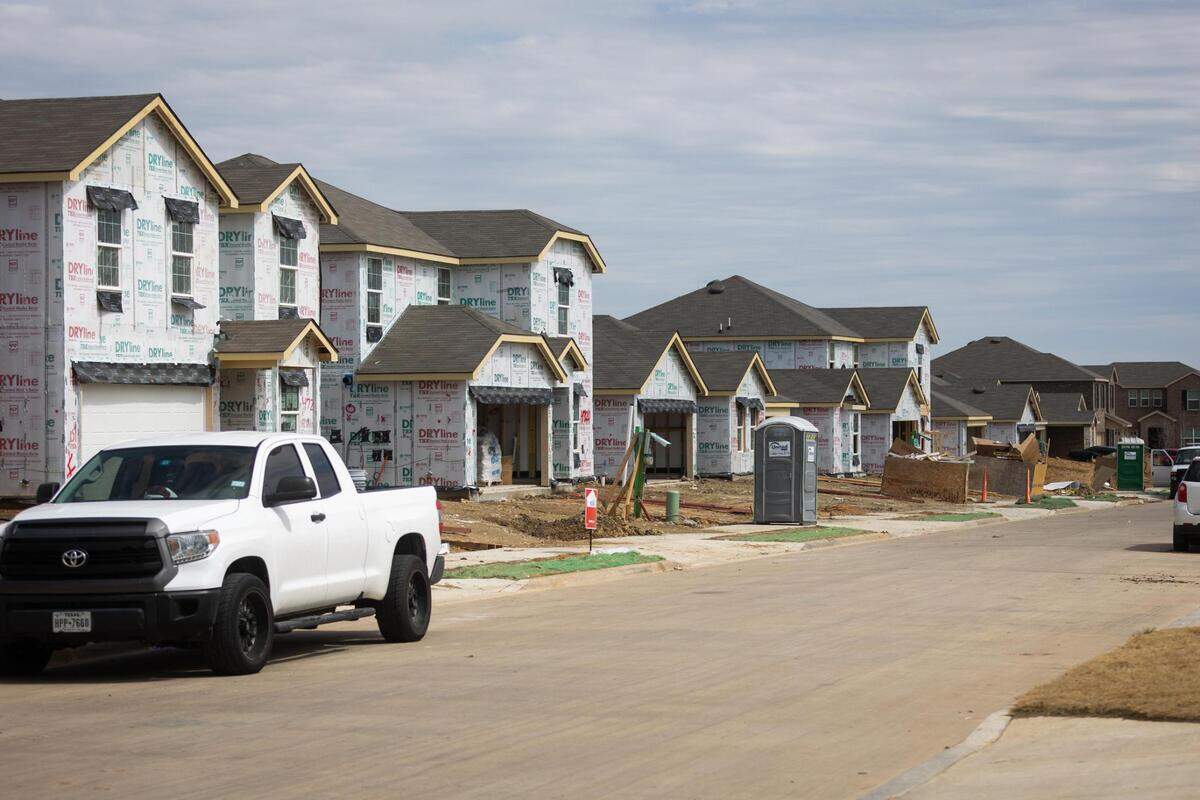
“As a home builder, we’re always trying to find affordable homes for those people coming out of apartments or just needing something that is price-sensitive, and we’re having to go a little bit farther out in order to accomplish that. And so that’s what finds us in places like Crowley. We’re even looking at getting into the Cleburne market,” said Pinnell.
Builders are effectively passing the increased costs to buyers.
For example, between May 2021 and March 2022, HistoryMaker Homes raised the starting price of its homes in The Villages at Mayfield from $233,990 to $284,990.
In November, Arlington-based homebuilder D.R. Horton reported a 76% increase in net income in fiscal year 2021, up from $2.4 billion in 2020 to $4.2 billion in 2021.
Still, moving out in search of cheaper land exacts an additional price on homebuyers.
While the increased prevalence of remote work makes it easier to live farther from downtown, the cost of finding affordable real estate in a distant suburb is paid in gas, time spent in traffic and car repairs incurred on potholed country roads — which is undoubtedly increasing as more people flock to places like Cleburne.
Eventually, the market shake-up becomes self-fulfilling, said Shelby Kimball, a real estate agent and former president of the Greater Fort Worth Association of Realtors.
“People who own a home and are thinking about selling realize it’s really hard to find something now, and they don’t sell their home,” he said.
There is no end in sight for this market activity, experts warn. At least while people continue to flock to Texas in search of cheaper housing.
“As long as that continues, I think you’ll see prices increase,” said Pinnell.
Why buy new?
On March 8, there were 142 homes for sale on Zillow for under $300,000 within the Fort Worth city limits, which, for the uninitiated, stretches south to Burleson, east to Euless, north to Elizabethtown and west nearly to Willow Park.
Buyers looking to get into the market at this price point and live near downtown Fort Worth will almost exclusively have to choose from pre-owned homes, which were built as early as 1918 and could require extensive labor or pricey repairs.
Homes in good shape will likely collect multiple offers.
“If you’re not willing to drop 20% over the asking price, you’re essentially not going to get it,” said Dockey, the home-buyer from California. “They want you to drop 50 grand over asking.”
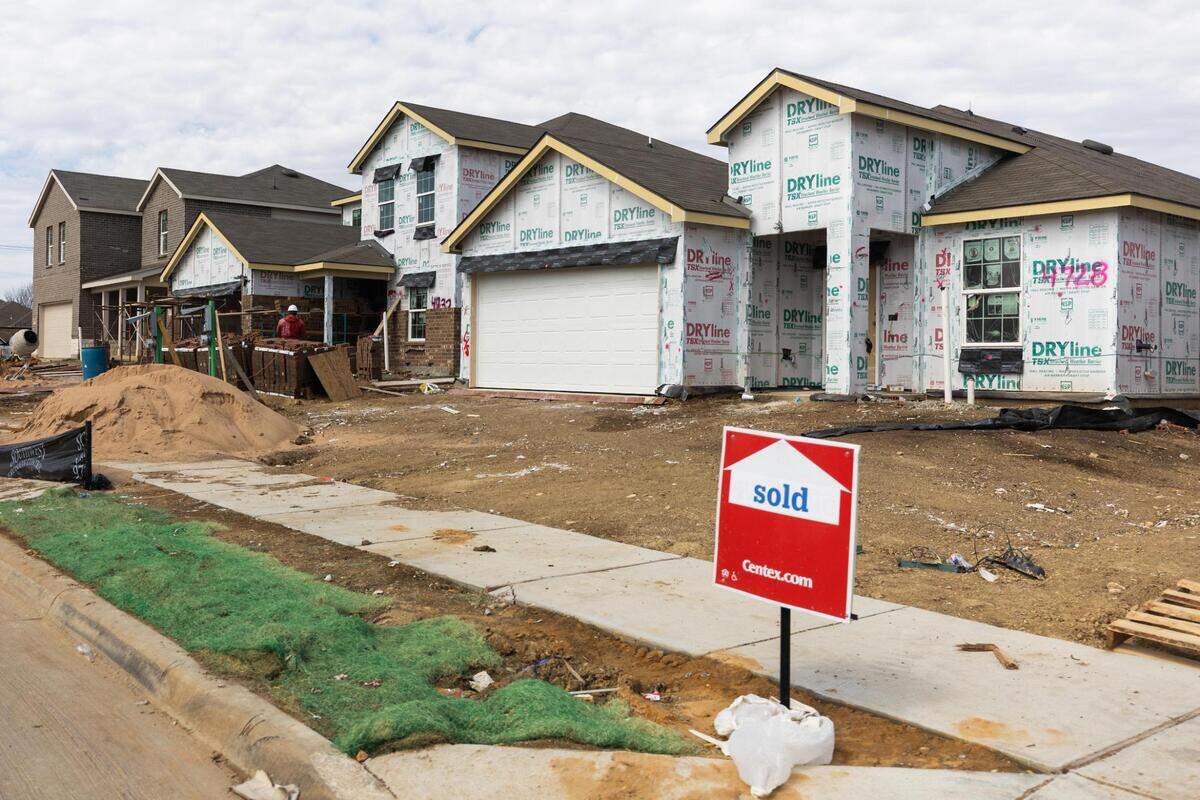
Getting a contract for a new home can still require some game-playing, like the lottery at Parkview Estates.
Pulte releases new homes monthly, said Pinnell. Interested customers on a waiting list then receive an email. The first person to respond gets the house.
Additionally, while buyers opting for a new build can avoid contentious bidding wars, they can also be on the hook for fluctuations in the cost of materials.
It’s critical to carefully read contracts for new builds, said Kimball.
“We do not have something called an escalation clause,” said Pinnell, which means home buyers signing a contract with Pulte will not be saddled with extra costs from the rising prices of building materials. “But, I’ve heard of other home builders that do that.”
Entry-level ... for whom?
The Dockeys exemplify local starter home buyers in a second way — they’re from California.
When entry-level home prices soar quickly in a once-affordable city, “those who can afford are coming from a different market,” said Kimball.
It’s a lot easier to purchase a $300,000 home when you’ve just sold a more expensive home in a large coastal city.
As a result, would-be first-time homebuyers get pushed out.
Without the financial stepping stone of an entry-level home, people don’t start building equity until later, and it’s a lot harder to eventually break into the market at a higher price point.
“There will be a fallout where people are unable to build the equity,” said Kimball. “We need homes for people to buy so they can build equity.”
Kimball would like to see builders diversify their entry-level products and offer townhomes and duplexes, which would allow first time homebuyers to start building equity in a more affordable product.
But, if these trends continue without creative intervention of some kind, “People will be stuck renting for who knows how long,” said Kimball. “Maybe forever.”
This story was originally published March 20, 2022 at 5:00 AM.