Gas prices in Texas are slowly dropping. What’s pushing prices down and for how long?
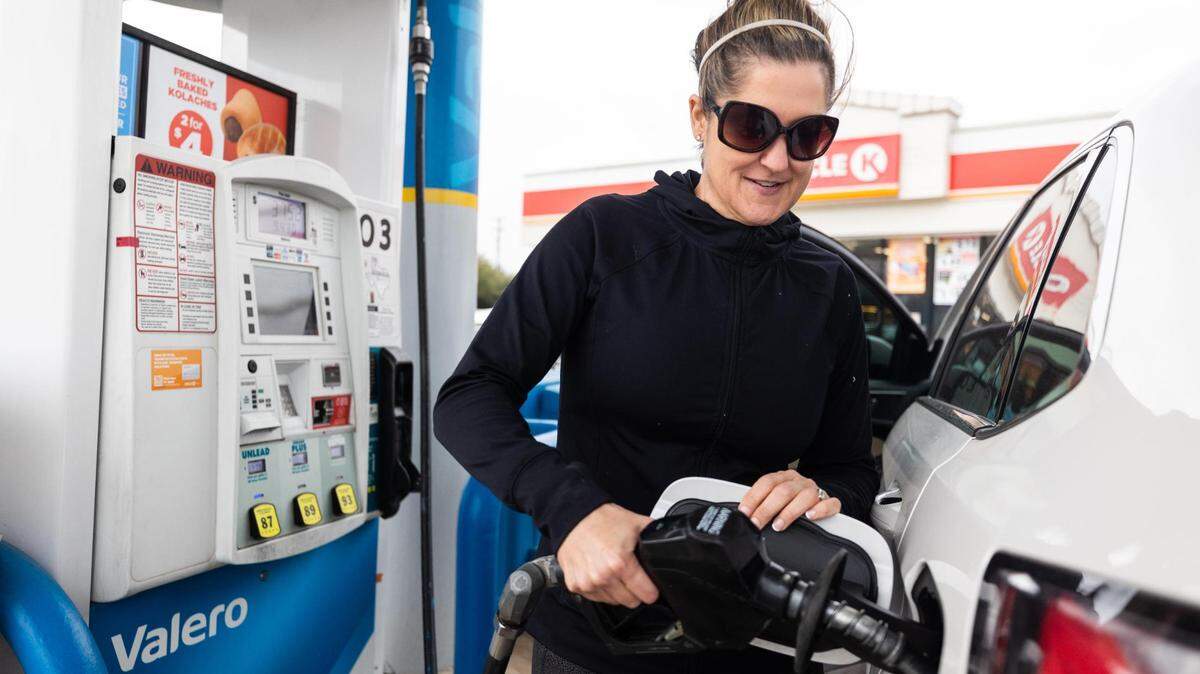
Gas prices in Texas have slowly decreased over the past month after rocketing up to record highs in March.
But how long will it take for gasoline to return to something like what we were paying a year ago, closer to $2.50 a gallon?
In Fort Worth on Friday, the average price for regular gas was $3.70, a big drop the record high of $4.07 on March 10, according to AAA price data. Statewide, gas is averaging $3.70 a gallon, and nationally it is still above the $4 mark.
The squeeze that many have felt at the pump has lessened, but it’s hard to pinpoint just how long it will last.
What’s causing Texas gas prices to go down?
One factor helping in decreases at the pump comes from the White House.
President Joe Biden announced on March 31 a release of oil from the Strategic Petroleum Reserve at 1 million barrels a day for six months.
So what exactly does that do?
Currently, the U.S. is producing about 1.2 million to 1.3 million oil barrels a day less than it did in late 2019, said Karr Ingham, a petroleum economist with Texas Alliance of Energy Producers.
Ingham said the math is pretty simple on how the release from the reserve will knock down supply shortages.
“There’s just no doubt about the fact that adding that supply over a six month period of time would tend to have a downward effect on prices,” he said.
Regardless of whether people think the move was politically motivated, for the next six months a majority of the gas production shortfall will be addressed, Ingham said. During then, the hope is for U.S. production to be higher than it is now and a good portion of the shortfall will be made up.
It’s unclear how caught up U.S. oil production will be, and it’s unlikely that the full deficit will be fulfilled, Ingham said. However, saying that the shortfall will be cut in half may be a potential bet.
“These higher than expected prices tend to incentivize more drilling and more production,” Ingham said. “Especially in a place like Texas.”
How did we get here?
Surging gas prices broke records in early March after Russia invaded Ukraine.
In Texas, gas prices were hitting $4 per gallon, while nationally the average price rose to over $4.30. Tarrant County’s $4.07 per gallon was higher than the previous record set in 2008.
The U.S. banned Russia crude oil imports after the invasion, among other sanctions. The U.S. used to get about 1.5% of its crude from Russia.
So if the U.S. only imports a small percentage of crude oil from Russia, why did prices skyrocket? The main factor at play was the price of crude, which at one time in March sat at $125 a barrel, and is set by global supply and demand. And global demand was greater than supply, causing rising prices.
What’s the endgame?
There’s two things consumers should be hoping for over the next six months after the release from Strategic Petroleum Reserve ends, Ingham said.
One, a solution to the Russia and Ukraine war not just for economic purposes, but for global geopolitics.
Two, an increase to U.S. domestic oil production as rapidly as possible.
On the home front, the U.S. has the resources to meet domestic needs and supply crude to the rest of the world. It just needs to be developed, Ingham said.
From a consumer and gasoline price standpoint, the best-case scenario is that a resolution to the Russia and Ukraine war doesn’t end up hurting oil production.
Russia is being punished by countries not buying its crude oil. That could end up making energy prices higher.
“This is just the tightrope we find ourselves walking in 2022,” Ingham said.
Summer gas prices outlook
Drivers may be getting some relief now, but the summer months could change that. Typically, gas prices tend to go up in the summer months as people take vacations and gas is changed from a winter to summer blend, said Daniel Armbruster, a AAA Texas spokesperson.
It’s hard to put an exact figure on how high gas prices swing during summer, but Armbruster said the average bump is around 15 cents.
The switch to summer blend gasoline, which is required to take place before May 1, per the Environmental Protection Agency requirements.
Since there’s never been a release from the Strategic Petroleum Reserve quite like this one, it’s difficult to say how much that will impact things, Armbruster said.
Gas saving tips
Even with gas costing a little less today, drivers can still save money by adjusting their behavior, Armbruster said.
Limit quick “jackrabbit” accelerations; instead, speed up smoothly at a medium pace.
Follow the speed limit.
A maintained vehicle can do wonders for its long term viability.
Keeping tires in good condition with the correct air pressure will improve mileage.
This story was originally published April 14, 2022 at 11:47 AM.