Thinking of trading that gas guzzler for an electric car or hybrid? Read this first.
READ MORE
High gas prices got you down?
Here are ways to save, whether you take public transportation, join a supermarket gas savings program or even buy an electric or hybrid car.
Expand All
Thinking of trading that gas guzzler for an electric car or hybrid? Read this first.
Gas prices too high? Here are the public transit options in Fort Worth/Tarrant County
Save at the pump: Stores that earn you points and discounts on gasoline
Fact check: Do electric vehicles really save money? What about charging locations?
A lot has changed in the auto industry since 2008, the last time gas hit a record-high in the United States. With Texas gas surging to $4 a gallon, it’s become a tipping point forcing families to rethink what they drive.
Hybrids, plug-in hybrids and electric vehicles can now provide energy-efficient transportation while lowering emissions, diminishing noise and reducing operating costs.
“We always see a big increase in interest and different types of clean vehicle technologies every time fuel prices go up,” says Lori Clark, coordinator for DFW Clean Cities Coalition, which works with fleets to reduce energy consumption and promote clean air. “It’s really one of the biggest drivers for changing behavior and changing consumer choice.”
But electric cars are different from gasoline models, so it’s important to understand some key points before choosing your next ride.
Hybrids vs. electrics
According to Consumer Reports, vehicle manufacturers are set to introduce almost 100 new EV models by 2024. Makes include Honda, BMW, Ford, GM, Hyundai, Jaguar, Kia, Mazda, Mercedes-Benz, Mitsubishi, Nissan, Stellantis, Subaru, Tesla, Toyota, Volkswagen and Volvo.
“The increasing interest has a lot to do with the increasing variety of vehicles being available,” Clark says.
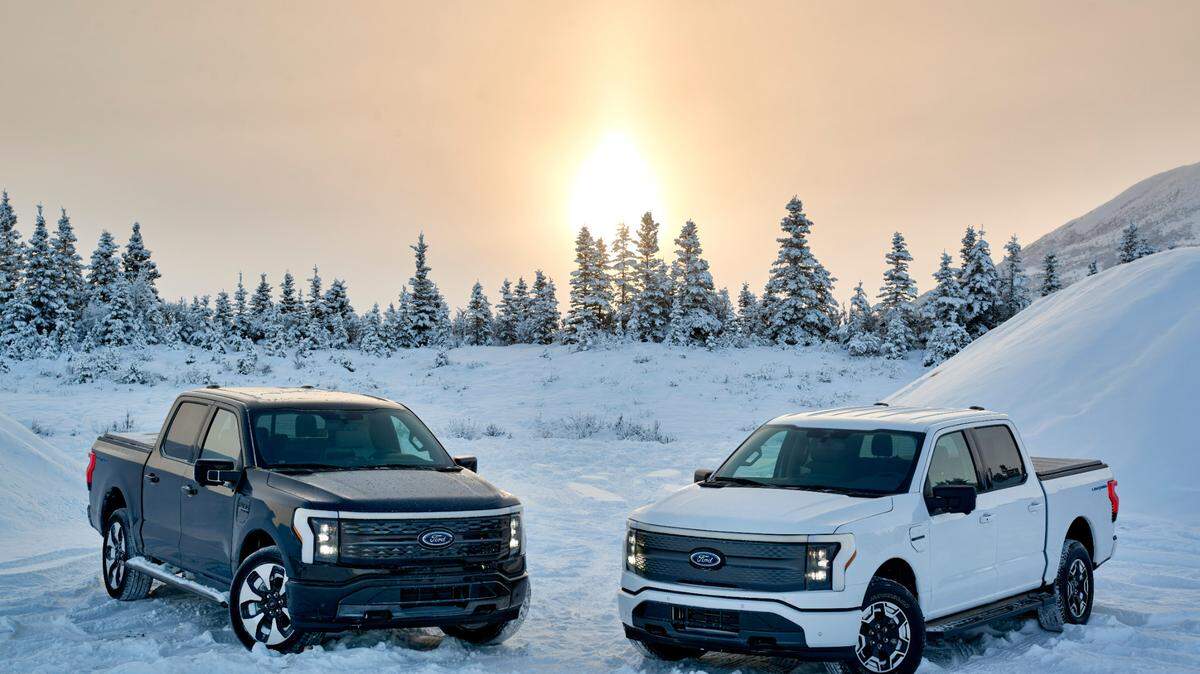
Years ago, buyers were limited to sedans. But today, there are electric trucks, SUVs and minivans in the pipeline, growing the market further. Ford’s first electric pickup, the 2022 F-150 Lightning, is an electrified version of the most popular car in Texas and is arriving this spring. Karl Popham, a manager of electric vehicles at Austin Energy, says the F-150 Lightning will be a “game changer” for Texans.
As more choices in EV models are introduced into the market, you might wonder what’s right for you. Here are the different types of EV cars, from Consumer Reports:
- Hybrids: Electric motors with gas engines. Hybrids provide excellent mileage and lower emissions compared with regular cars. You don’t have to worry about plugging it in; you can fill it up at a regular gas station. These cars typically cost $2,000 to $3,000 more than comparable conventional cars, but you’ll save on fuel. Hybrid owners tend to report higher overall satisfaction than do owners of other cars. There are many affordable hybrids, from $22,000 to $30,000, such as the Honda Insight, Hyundai Ioniq, Toyota Prius, Hyundai Tucson and Toyota Camry.
- Mild hybrids: These cars have a battery and electric motor to help power the vehicle and can allow the engine to shut off when the vehicle stops (at traffic lights or stop-and-go congestion). Typically, mild hybrids cost less than regular hybrids.
- Plug-in hybrids: These have larger batteries to drive on electric power alone, providing the flexibility of an electric car while still having a gas engine available for longer trips. Owners can get by with Level 1 charging, which can be plugged into typical household outlets, because the battery packs are smaller than those of EVs. They can typically go 15 to 50 miles on battery power alone. They get good fuel economy even after electricity is depleted. They start at about $27,000. Usually more expensive than hybrids. Some of the best options are the BMW 330e ($42,950-$44,950), Lexus NX 450h+ SUV ($56,725-$57,975), Jeep Wrangler 4xe ($52,530-$58,105) and Toyota RAV4 Prime ($39,800-$43,125).
- Electric vehicles: Currently, electric cars cost thousands more than comparable gasoline-powered cars. That may soon change as more affordable models become available. But if you decide to buy one now, you’ll save on maintenance and fuel, and can use incentives to reduce the price. The average all-electric vehicle range was 260 miles in 2020, with some exceeding 400 miles. Tesla and Kia offer models with the best range. They start at about $33,000.
- Fuel-cell car: This is an electric car that produces its electricity from hydrogen. Drivers of fuel cell cars can fuel up at retail stations in less than five minutes for a driving range of more than 300 miles. Only Honda, Hyundai and Toyota offer this type of car, so you have fewer options with this type. There is a very limited number of stations nationwide.
Which type is right for me?
Experts say there are three main things you should consider when buying a car: how much range you need, overall lifetime costs and how you’re going to charge the car.
The North Texas Auto Show, from March 17 to 20 at the Kay Bailey Hutchison Convention Center in Dallas, will feature an electric vehicle test track. It’s a great opportunity to explore electric car options in-person and visit with local dealers.
“Without a doubt, first and foremost, when people decide to buy a car, it’s more of, ‘Is it fun? Is it cool?’” Popham said. “It’s really a top of mind emotional response. And then second is, ‘Well then can I afford it?’ The switch to electric vehicles really does well in both of those. What can they expect is a very low-maintenance, hassle-free, fun, fast, quiet, cool car to get around town.”
Give one or two a try and then make a decision, Popham recommends. Arrange the test drive ahead of time with the dealership on the phone or online.
With supply chain issues affecting the entire automotive industry, you may have to talk to the dealership about placing an order and waiting for a car. Or, you can get the car transferred from another location.
Generally, electric cars built in the U.S., including GM, Nissan and Volkswagen, are more available than cars that have to be imported from other countries, according to Tom Smith, executive director of the Texas Electric Transportation Resources Alliance.
You’ll save with an electric car
According to a Consumer Reports study from 2020, EVs cost less to fuel and are cheaper to repair and maintain than comparable gasoline-powered models.
“The best way to insulate yourself against the very volatile cost of fuel is to switch to something that has a very stable price, which is electricity,” said Clark of the DFW Clean Cities Coalition. “If you look at the price volatility of electricity, it’s very low relative to any other fuel.”
On average, it costs about half as much to drive an electric car than a gasoline car, experts say. With gas prices spiking, the savings could be even greater. Currently in Texas, an eGallon — the cost of powering a vehicle using electricity — is $1.08, while a gallon of gasoline hovers around $4, meaning you would save about $3 per gallon.
Electric vehicle drivers save $500 to $1,500 per year in refueling costs, according to the Texas Department of Transportation.
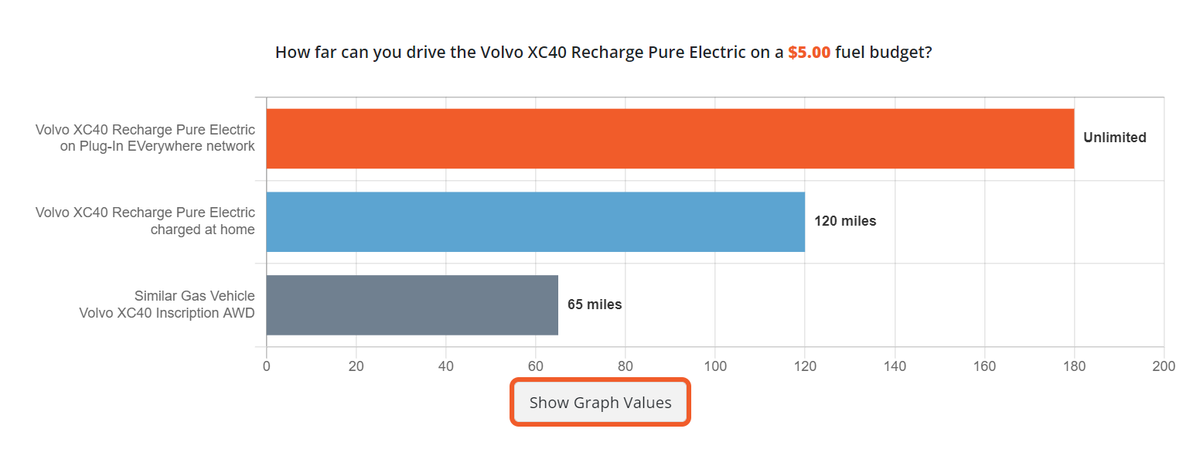
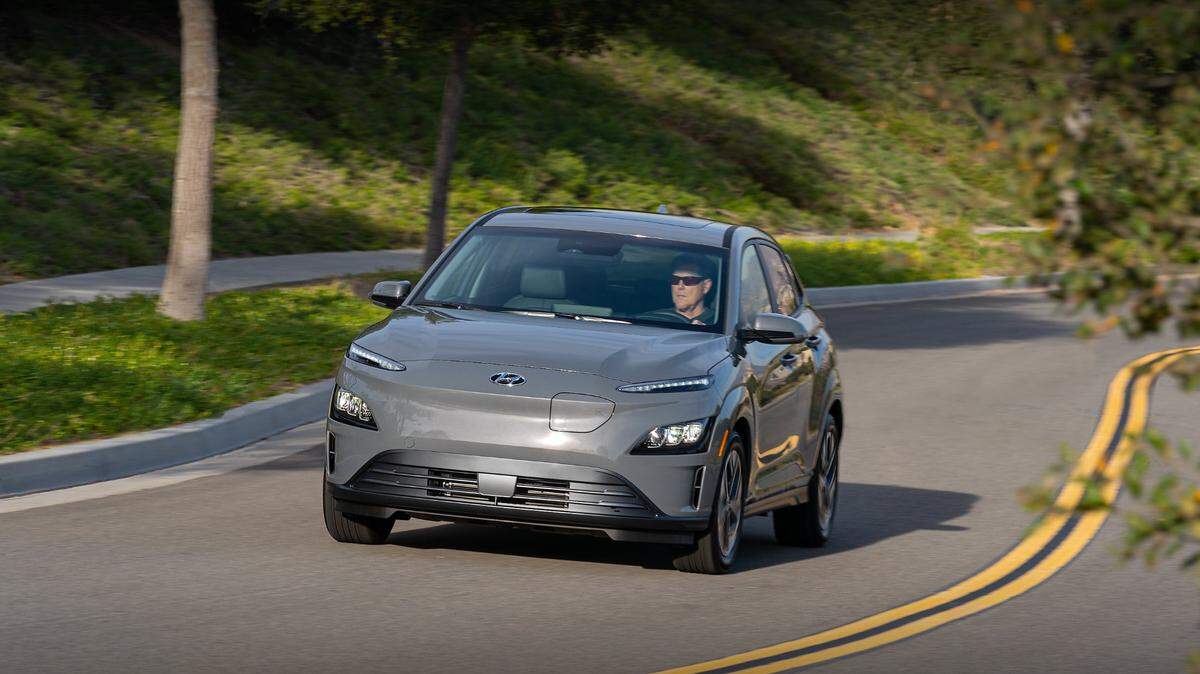
For example, using a U.S. Department of Energy calculator, fuel costs for a Hyundai Kona would cost over $2,000 a year in gasoline at $3.99 per gallon, but only $550 for an all-electric version of that same vehicle. Total cost per mile is 29 cents for the gasoline Kona and 18 cents for the electric Kona. The more you drive, the more substantial the savings of an EV.
Because electric cars have fewer moving parts and fluids to change, you’ll also save about 40% on maintenance over the car’s lifetime.
Wondering what that looks like for monthly expenses? Popham, the manager of electric vehicles at Austin Energy, estimates that a comparable conventional car costs $111.50 more per month than an electric car, including $40 on maintenance and $71.50 on fuel.
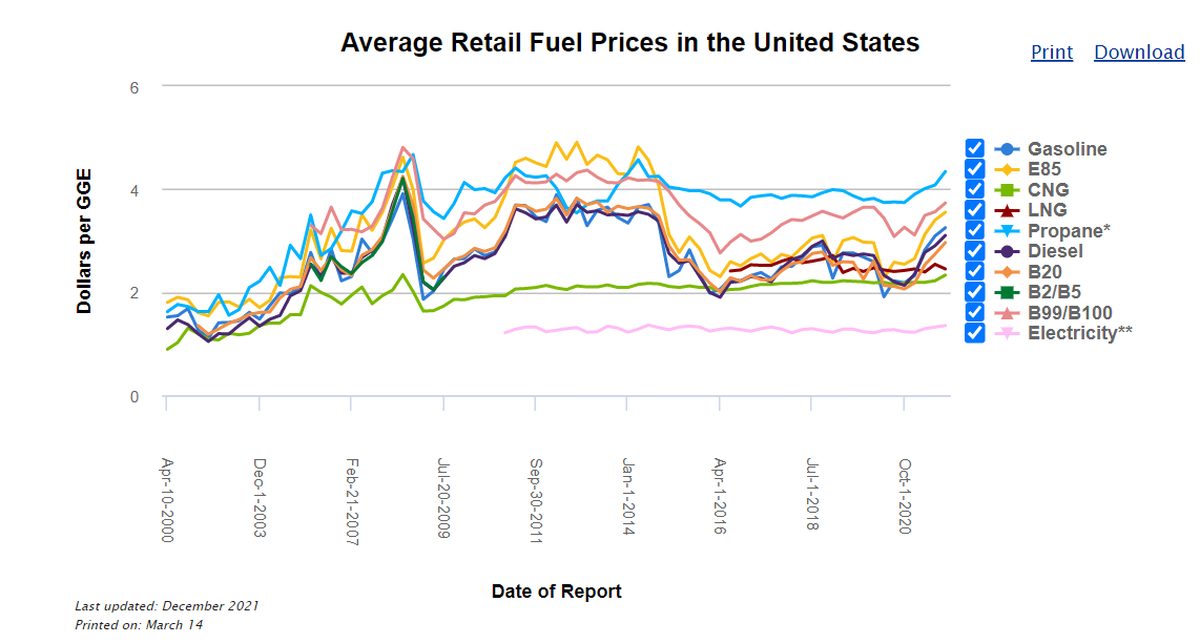
To calculate a car’s lifetime costs, consider fuel, purchase price and maintenance costs. Use the calculator at afdc.energy.gov/calc to estimate the cost of owning an electric car.
Electric cars are better for the environment
When you buy an electric car, you could be helping Earth, too.
Although electricity production can cause pollution, the U.S. Environmental Protection Agency categorizes all-electric vehicles as zero-emission because they produce no direct exhaust or tailpipe emissions.
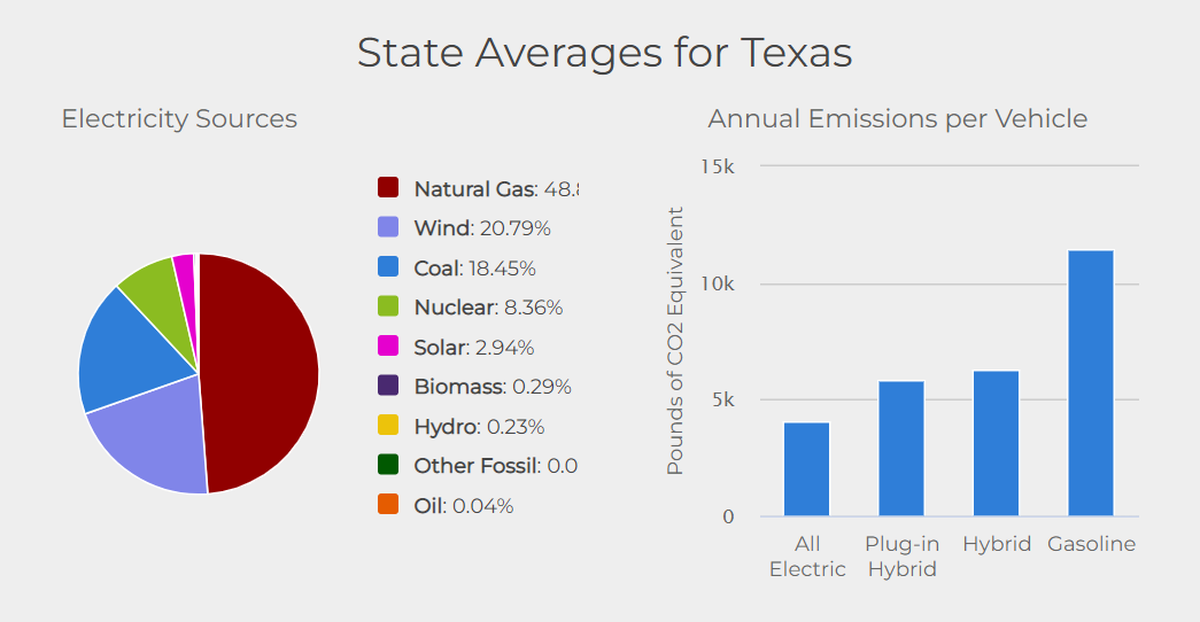
Electric cars produce 60% fewer carbon dioxide emissions compared with conventional cars.
More Texans are going electric
There are about 115,000 electric cars registered in Texas. Austin has been named the third best city in the nation to own an EV, based on stations per capita, incentives and low-priced electricity power, according to Austin Energy.
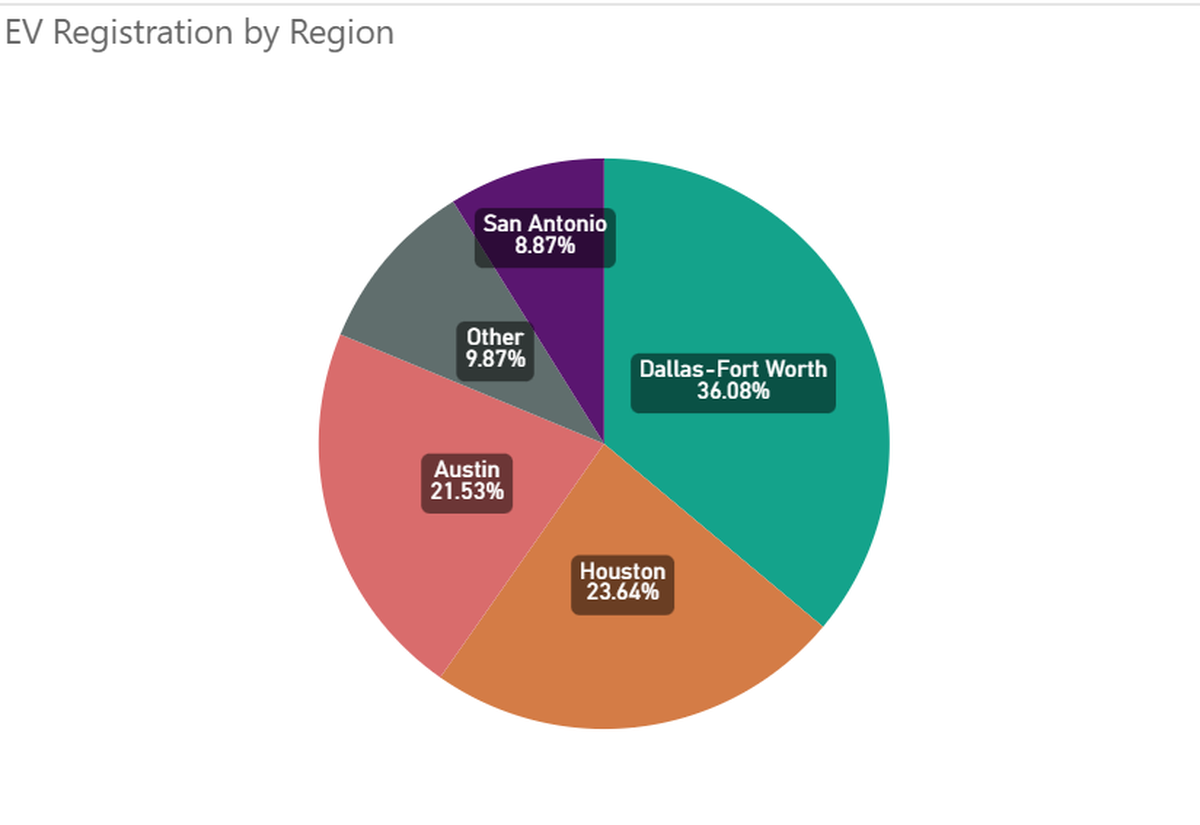
In North Texas, 42,000 electric vehicles were registered as of this March, about 36% of the state total. About 8,000 were registered in Tarrant County.
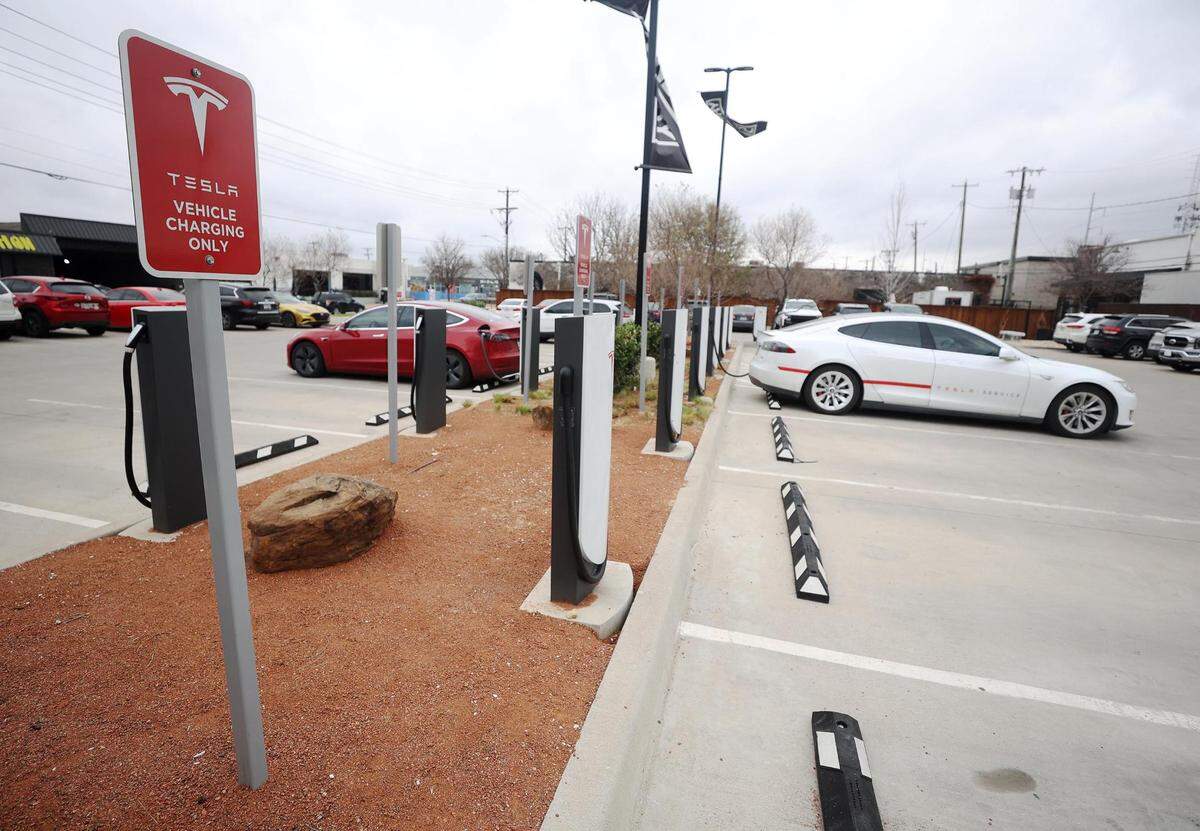
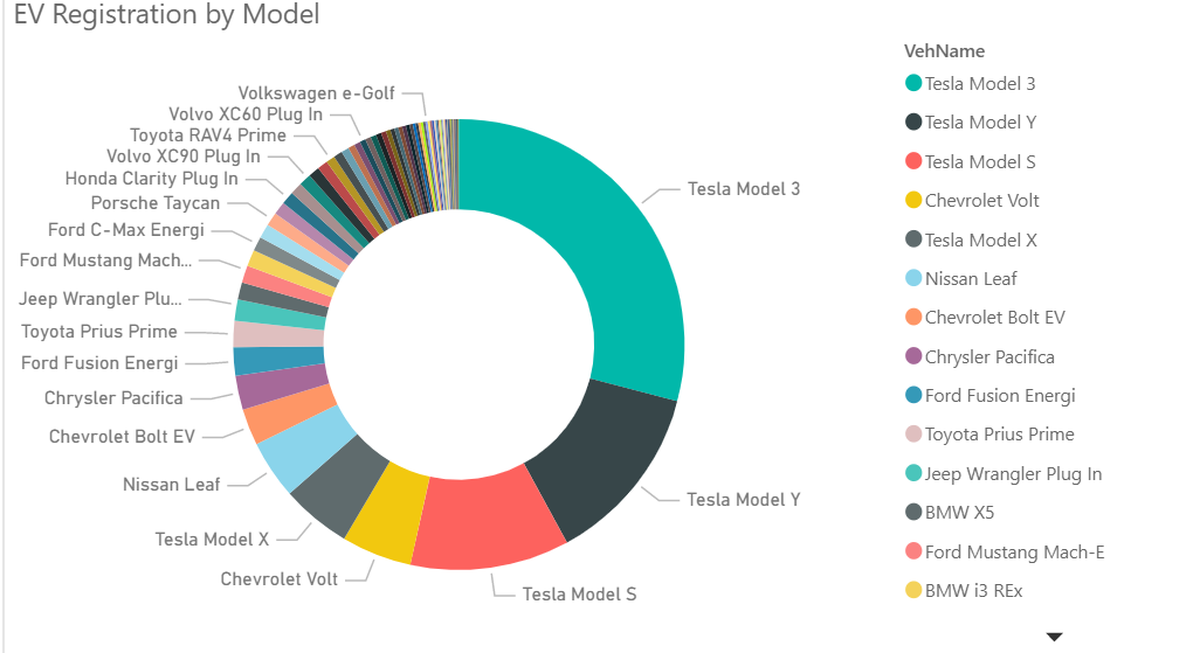
Tesla and BMW are the most popular electric car brands in the state. The most popular models in Dallas-Fort Worth are the Tesla Model 3, Tesla Model Y and Tesla Model S.
By 2025, EVs should be about 9 percent of the U.S. market, according to Consumer Reports.
You’ll get incentives for making the switch to electric
Purchase prices for hybrid and plug-in electric vehicles are generally higher than for conventional vehicles. But state and federal incentives can offset the higher cost.
By purchasing or leasing a car powered by compressed natural gas (CNG), liquefied petroleum gas (LPG), hydrogen fuel cell or other electric drive, you’ll get a $2,500 rebate from the state. Apply for the rebate by Jan. 7, 2023. A list of eligible vehicles can be found on the website for the Texas Commission on Environmental Quality.
Eligible rebates for the purchase or lease of a car powered by CNG or LPG are:
- Purchase or lease (at least three-year term): $5,000
- Lease (at least two-year term): $3,330
- Lease (at least one-year term): $1,665
Eligible rebates for the purchase or lease of a car powered by hydrogen fuel cell or other electric drive are:
- Purchase or lease (at least three-year term): $2,500
- Lease (at least two-year term): $1,665
- Lease (at least one-year term): $832.50
In addition, you’ll get a federal tax credit of up to $7,500 for a new plug-in electric car.
There are also $400,000 to $600,000 grants for homes and businesses for the installation of alternative fueling stations.
Keep in mind that you may have to pay an annual fee in the future if you own an electric car. In May, the Texas legislature proposed Senate Bill 1728, which would require an annual EV fee between $190 and $240, to offset revenue lost from gas taxes. While that didn’t pass, a similar bill will likely be proposed during the next legislative session.
Where will you charge your car?
The cost to charge an electric car is about one-third the cost to fuel a gas-powered car, according to AEP Texas.
“One of the biggest concerns that people raise is the availability of charging infrastructure,” Clark says. “A lot of people think it’s challenging to find a place to charge, when really it’s just a matter of doing a little bit of planning ahead to know where those locations are.”
Before buying an electric car, consider where you’ll be charging it, Clark suggests.
Most electric car owners, or more than 80%, charge at home, according to Consumer Reports. That’s because it’s more expensive to fuel at a public charging station (15 to 50 cents per kilowatt hour) than at home (about 12 cents or less per kilowatt hour).
If you live in a house, you can charge your EV at home overnight. Most EVs come with a 110-volt Level 1 cordset that can be plugged into a typical household outlet. This is the cheapest option, but also the slowest, requiring up to 24 hours to fully charge a battery. Your workplace or apartment building might be able to install a charger.
For quicker charging, install a home charger inside or outside your garage that works on 240-volt (Level 2) charging. A home charger costs $500 to $700. Parts and labor can add $1,200 to $2,000. An electrical contractor can evaluate your home wiring to determine the best approach for charging at home. It takes about eight to 10 hours when the battery is empty.
You may need to use faster public charging when taking a long trip. Stations can replenish 200 miles in under 45 minutes.
There are over 2,000 charging stations in Texas, mostly at offices, shopping malls, restaurants and hotels. More are on their way. The Bipartisan Infrastructure Law passed in the fall includes $7.5 billion to build a network of EV chargers. Texas will receive $408 million for charging stations over the next five years, more than any other state.
You can recharge your car while you’re shopping for groceries, having dinner at a restaurant or working out at the gym. Blink, ChargePoint, Chargeway, Electrify America, PlugShare and Tesla have websites and mobile apps to help you find where to charge an electric car.
Some stations work as soon as you plug the charging cord into you car, while others will require you to swipe a network card or use an app. You sign up with a network online and link a credit card to your account. You’ll receive a small key tag with a barcode, or you can use an app on your phone. When you wave the tag in front of the charger, your account will be billed.
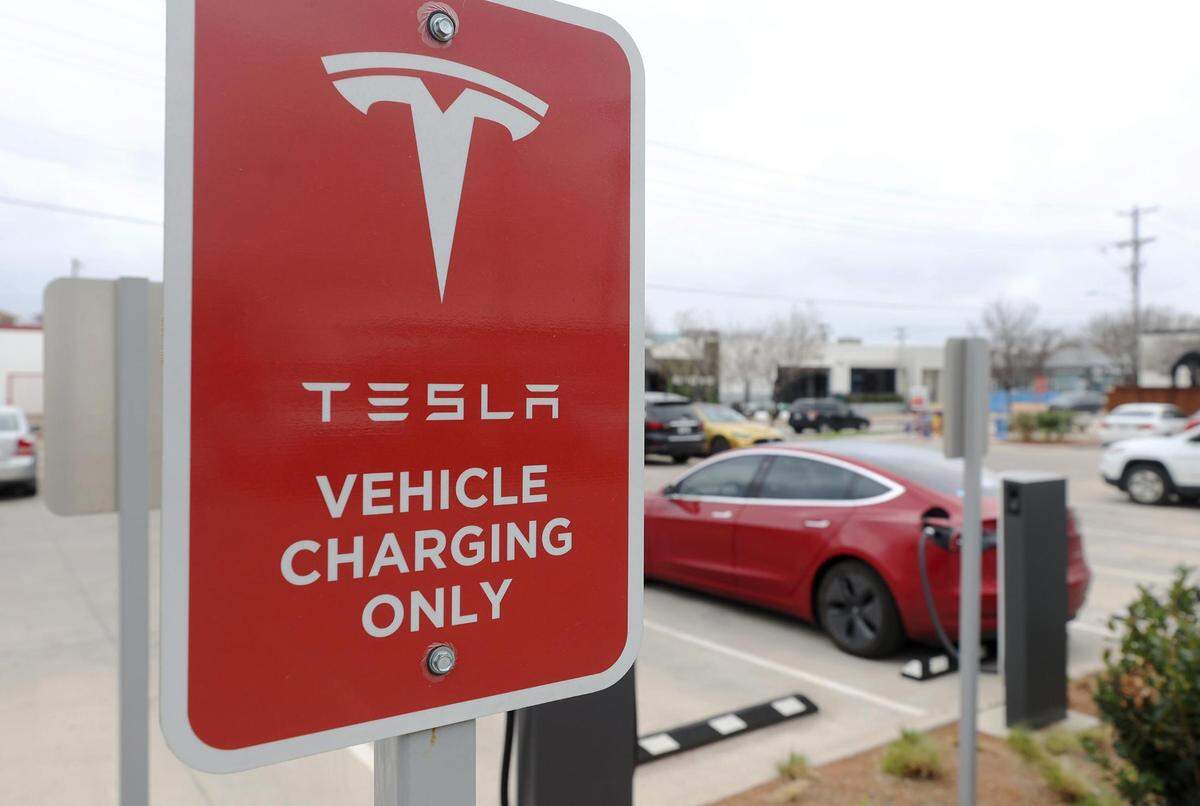
Charging stations are connected to the web, displaying station status, occupancy, cost and charge rates.
Here are some tips on charging from the Texas Department of Transportation:
- The best time to charge your electric vehicle is between 10 p.m. and 6 a.m. This is when renewable wind power peaks and there is typically more capacity in the Texas grid. Avoid charging late afternoons (4 to 7 p.m.) when there is typically less capacity in the Texas grid.
- For improved battery longevity, maintain a charge between 20% and 80% when possible.
- Before long trips, charge to 100%. For normal daily driving, charge to 80%.
- While on long trips, don’t charge to 100% at DC Fast Charging stations. Only charge what you need to get to your destination, usually 80% or less.
- Don’t let your battery sit at 0% or 100% for long periods of time.
- Use an online route planner that factors in charging stations.
New vs. used
You’ll save more buying a used electric car over a new model. Some used EVs are available for under $10,000.
Texas is the second biggest used EV market in the country, with the average cost of a used EV being $31,367.
“For those who don’t typically travel long distance, buying a used EV with less range is going to be more than adequate to get you back and forth to work and do all your errands,” said Smith, the executive director of the Texas Electric Transportation Resources Alliance.
If you’re considering a used car, age and mileage are important factors to consider when assessing remaining life, according to the government. Maintenance costs are also important to consider for older, high-mileage cars. Experts say all pre-owned electric cars should undergo a safety and maintenance assessment before you buy.
One major concern is the quality of the battery, according to Plug In America, an advocacy group for plug-in vehicle drivers. Make sure a battery warranty is included that protects against battery deterioration. Most manufacturers, including Nissan LEAF and Tesla, offer eight-year battery failure warranties. Ask a reputable used car dealer or an EV mechanic to measure battery health through an on-board diagnostics check.
Plug In America recommends the following used car models. U.S. News and World Report publishes an expanded list of the best used car models.
- All-electric: Nissan LEAF, Chevy Spark EV, Ford Focus Electric, Fiat 500e, Tesla, Volkswagen eGolf
- Plug-in hybrid: Chevy Volt, Ford Fusion Energi, BMW i3 REX, Ford C-Max Energi
This story was originally published March 18, 2022 at 5:00 AM.