
Sure, you can grow this gorgeous flowering tree in North Texas. But be warned.
Before I write a second paragraph — before you read any words of encouragement — you and I must come to an agreement. If you ever decide to plant a flowering peach in your landscape, it will be done with the understanding that it will bring with it one inherent drawback. It’s not going to live very long.
Few trees that we grow have any shorter life expectancies. Ornamental peaches, thanks to peach tree borers, are in the same list with weeping willows and purpleleaf plums — trees that will give us a great show for 10 or 20 years, then die off rather suddenly.
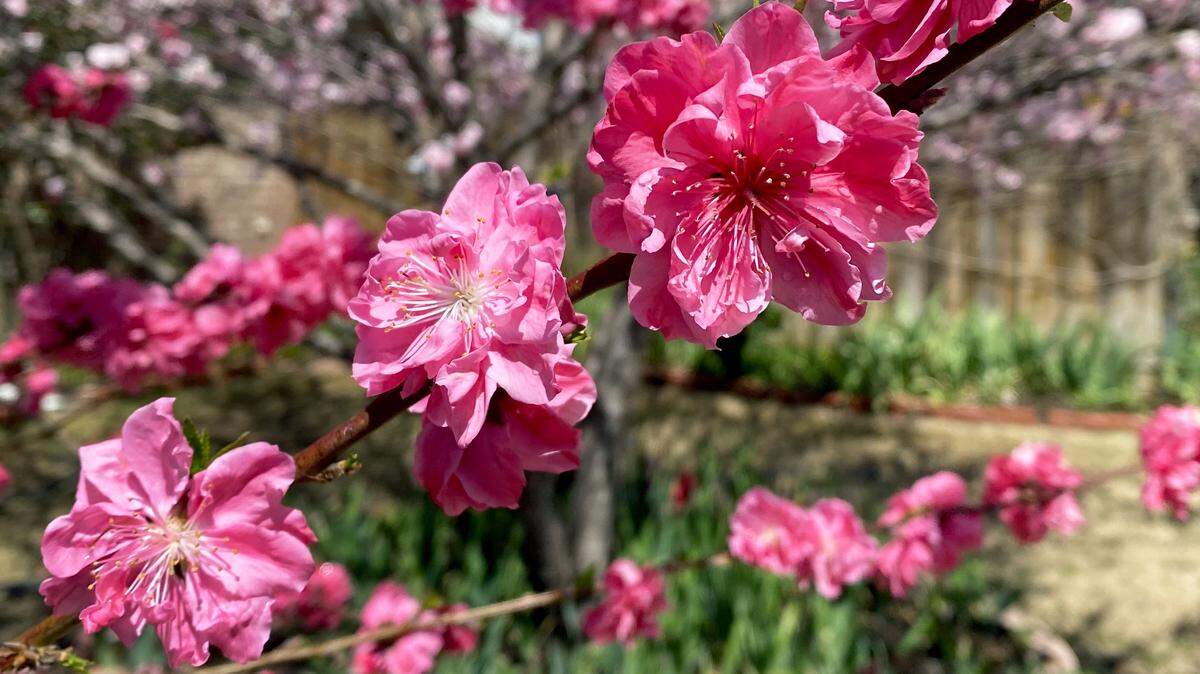
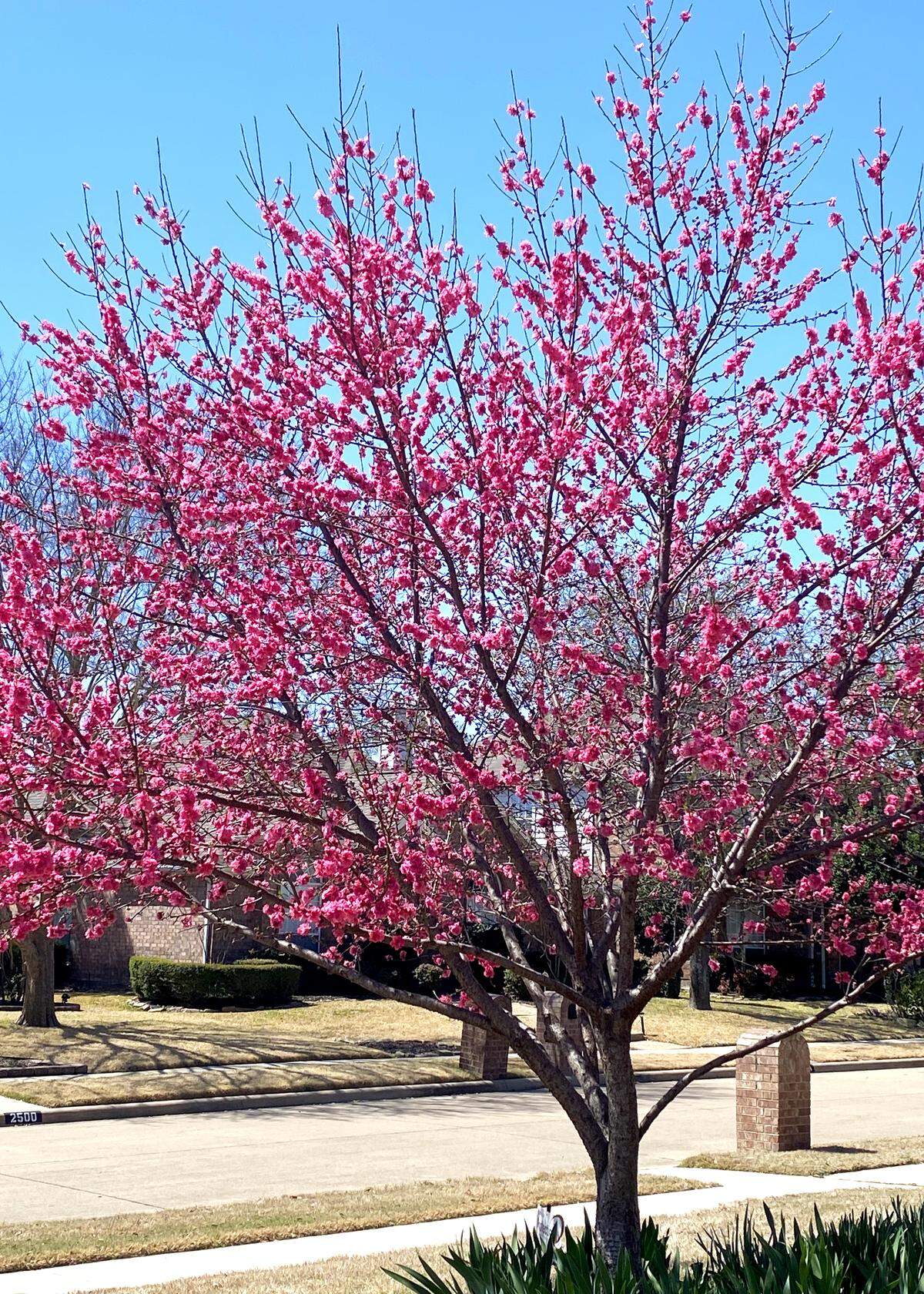
Why would anyone want to plant one of these trees, then? Because they’re beautiful when they bloom. They draw full attention to their part of the garden for a couple of weeks unlike any other flowering fruit tree in our repertoire.
I asked that once of a landscape planner who was using several in a very conspicuous part of a big public garden, and he told me exactly that. He wanted the drama they brought early in the spring, and he was willing to replace them as soon as they started to decline. “We do it with annuals, and we even do it with other woody plants. We plant, knowing full well that we’ll have to replace. What makes these small flowering trees any less replaceable?” he asked.
In years of writing for the Star Telegram, I’ve resisted the urge ever to glamorize these pretty little trees here. I’d rather see you plant oaks and crape myrtles and other more enduring trees that your great-grandkids can enjoy. But who am I to judge what’s right for your tastes? They deserve at least an occasional mention. So, this will be my mention of flowering peaches for this half of the century. I’ll make the most of it.
Let’s start with their history. These are no “flash-in-the-pan” latecomers. These are botanically Prunus davidiana, namely ornamental selections from that variety. They date back to China where they were selected for use in temple gardens many centuries ago.
Plant collectors found them and introduced them to Western horticulture in the 1700s and 1800s and subsequently into the U.S. nursery trade in the late 19th century. They were first concentrated in the Southeast, notably in Georgia, Louisiana and East Texas.
By the 1920s to 1960s, they were quite popular in the eastern half of Texas. Some of those later plantings survived toward the end of last century – long enough that gardeners continued to ask for them. You still see them being planted today.
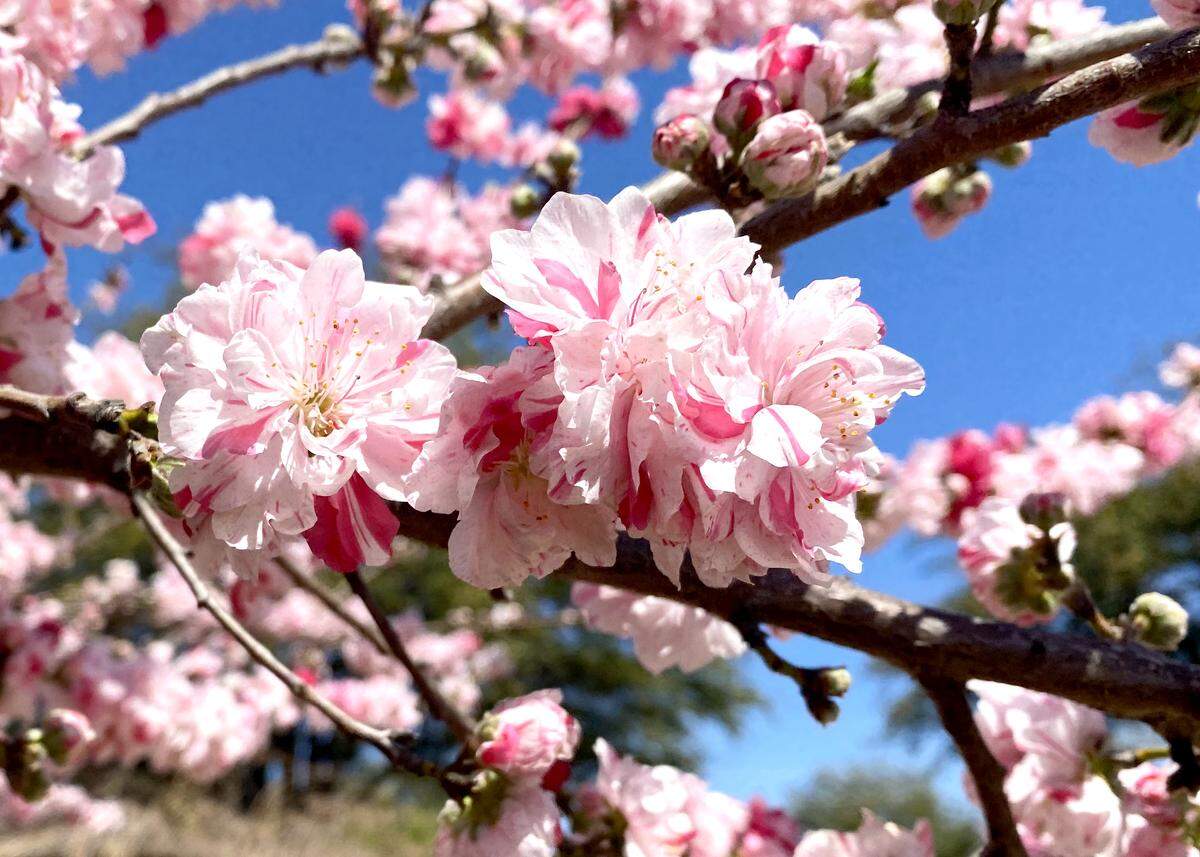
In addition to these two colors, you will also see double pink, double light pink, and double white forms sold in the nursery marketplace. There won’t be many in stock, n so if you see one that you like, don’t wait to buy it. Purchase it and get it planted before someone else beats you to the punch.
These are small trees, so they’re best used off to the sides of your gardens, not in a spot of prime visibility. They’ll show up just fine when they’re blooming, and by planting them off to the sides they’ll shrink visually when they’re not. Unlike fruit-producing varieties, these peaches won’t need much pruning, so you won’t have to worry about scaffold branches and annual winter shaping. Just give them ample space to grow to their mature sizes of 14 to 16 feet tall and wide. It’s best to grow them in full sun so their natural growth will be symmetrical. The tree won’t care what its shape is as it develops, but you don’t want its showy mass of flowers to be lopsided when it’s in full bloom.
Bloom time is late February south of the Metroplex and early March in and around Fort Worth/Dallas. That’s subject, of course, to temperatures that hit us during those times. Oh, and to answer the question, the fruit won’t be good. It will look like a peach, but don’t count on eating them.
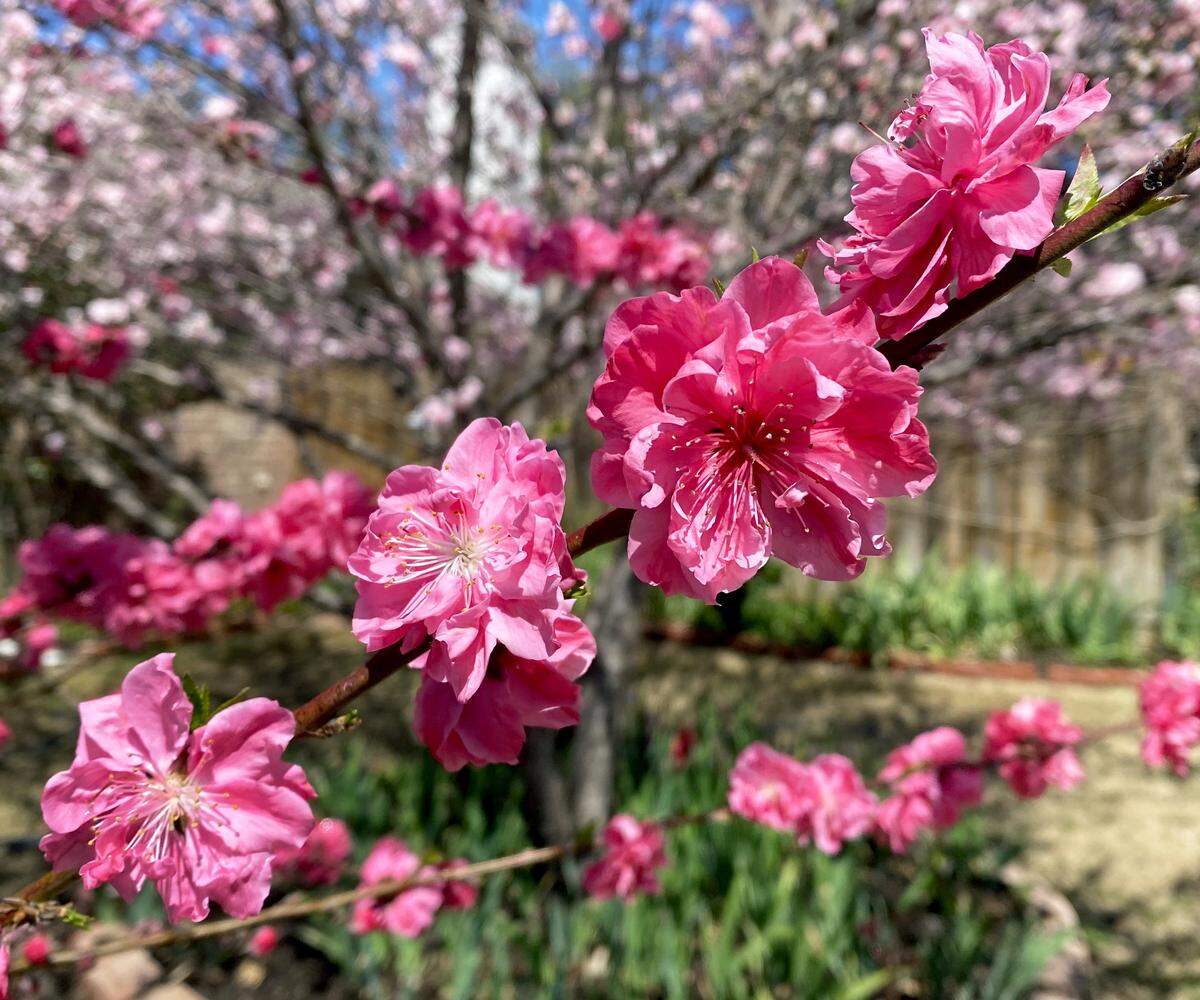
The showy flowers are 1-1/2 inches across, and they fully line the branches for a couple of weeks. During that time your landscape will be admired by all who pass by. You’ll be glad you included them. Years later, if the trees begin to decline, you’ll know you can dig and replace them and carry the old Chinese legacy forward.