
Now’s the time to plan your perennial garden in North Texas. Here are 5 tips.
There’s no time any more perfect for planning your new perennial garden than the mid-part of February, and I’m here with five tips and five types that will all but ensure your success.
Folks get into growing perennials with a lot of misinformation, and Mr. Facts has arrived to bring light to your life.
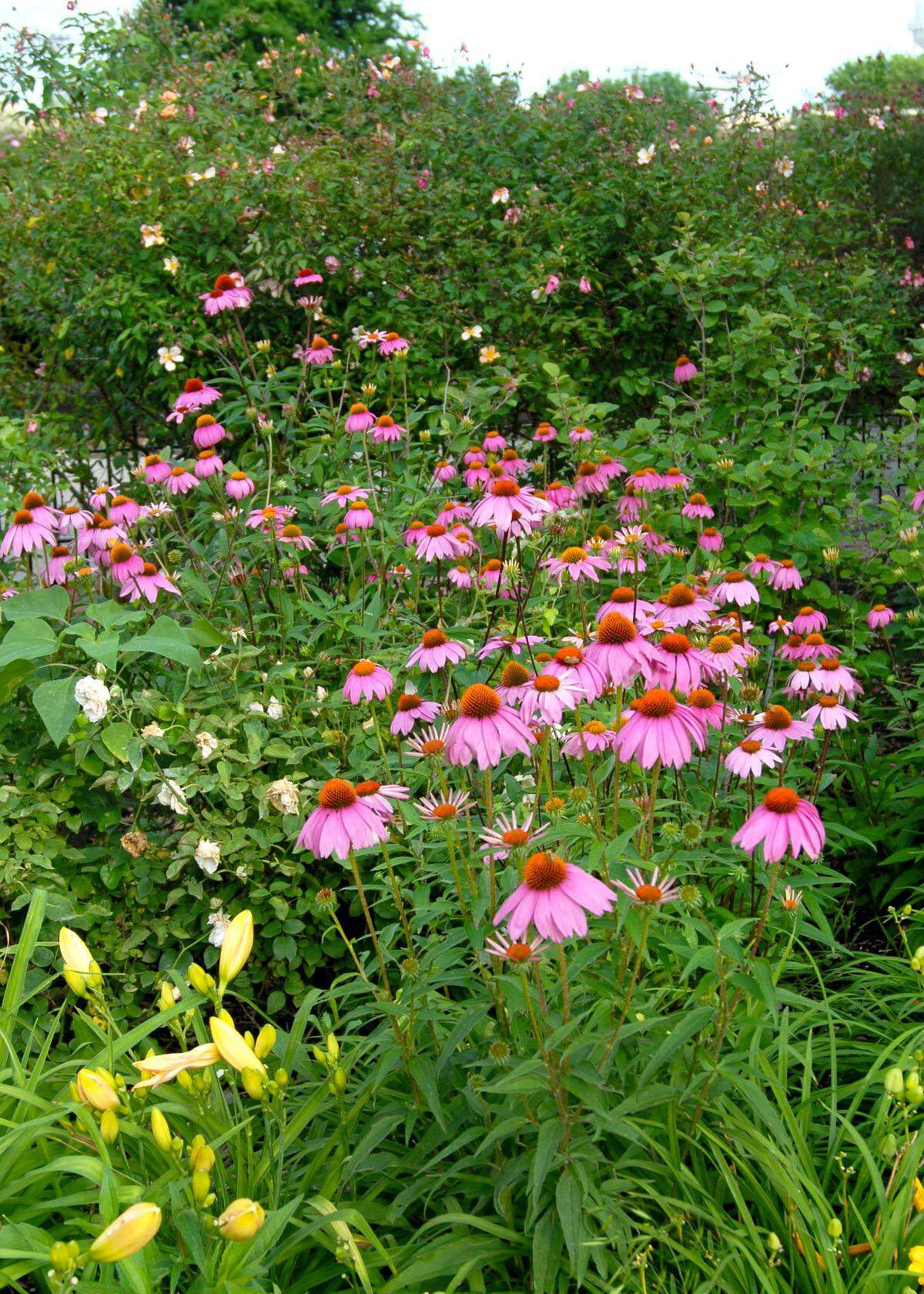
5 tips for growing perennials
I challenged myself to give you one handful of suggestions that would boil down the essentials of growing this great group of plants. Here’s what I came up with. These assume, of course, that you’ve prepared your perennials’ soils to perfection – just like you’d do for all other flowers and vegetables.
• Perennials look best when they’re clustered in groups of like kinds. Translated: You don’t want a long row of daffodils or an endless border of daylilies, and here’s the simple reason why. Almost all types of perennials bloom for a short period, maybe two to four weeks, then they shut up shop for another year. They’re gone. A long row of “zero” in that part of your garden. So, you want those daffodils or daylilies to be clustered more naturally in a grouping, huddled within a planting of shrubs, groundcover or other perennials so they can disappear when they’re done.
• Choose perennials that will provide a full season of color. Remembering what you just read: perennials are in peak bloom for less than a month. You need to have another perennial ready to grab that baton and start blooming as the prior one finishes. It doesn’t have to be contiguous. In fact, it’s cool if it isn’t. That lets interest in your perennial garden jump around like instruments in a symphony. Beethoven would be proud of you.
• There’s always something going on in a perennial garden. You don’t “plant ‘em and forget ‘em.” You “dead-head” them to remove spent flower stalks and brown leaves. These plants grow and multiply, so every couple of years you’ll have to dig and divide them, and because they’re in those catchy little clusters and clumps, you’re going to be using a spading fork and shovel, not power equipment. Translated: Perennials may actually be more work than annuals. But they’re really classy additions to a great Texas garden, so don’t be deterred.
• Use dwarf shrubs and clump-forming groundcovers for year-round continuity in your perennial gardens. Translated: Your garden will look very bleak in mid-winter when nothing is blooming, in fact when few plants have any leaves at all. It’s nice to have some permanent “bones” to the structural framework. Dwarf hollies, Tam and other dwarf junipers, dwarf nandinas – those are the sorts of plants that will give you that look. Liriope in part shade, Harbour dwarf nandina, purple wintercreeper euonymus kept trimmed into tufts in the sun – there you have a few groundcovers. You could even use a few carefully (as in “naturally”) spaced small landscape boulders or a short sweep of river rocks for the same purpose – something to look at when there aren’t any flowers.
• Don’t be afraid to supplement your perennials with some well-placed annual plants for those in-between times. Sun-tolerant coleus in patio pots. Or firebush or copper plants. Perhaps angelonias, pentas or purple fountaingrass. You’ll find lots of fun options.
5 essential perennials to grow in North Texas
That part was easy compared to this one. How do you take a list of 120 common perennials we grow here in North Texas and whittle it down to the five most reliable performers? These are the ones that made cut after cut. These are five plants I would always have in any perennial garden I had here in Texas.
Before you read through it, I’ll admit to being a seven-decade Texas gardener. My list is filled with personal adoration for each of these plants. You couldn’t find a more biased list if you tried.
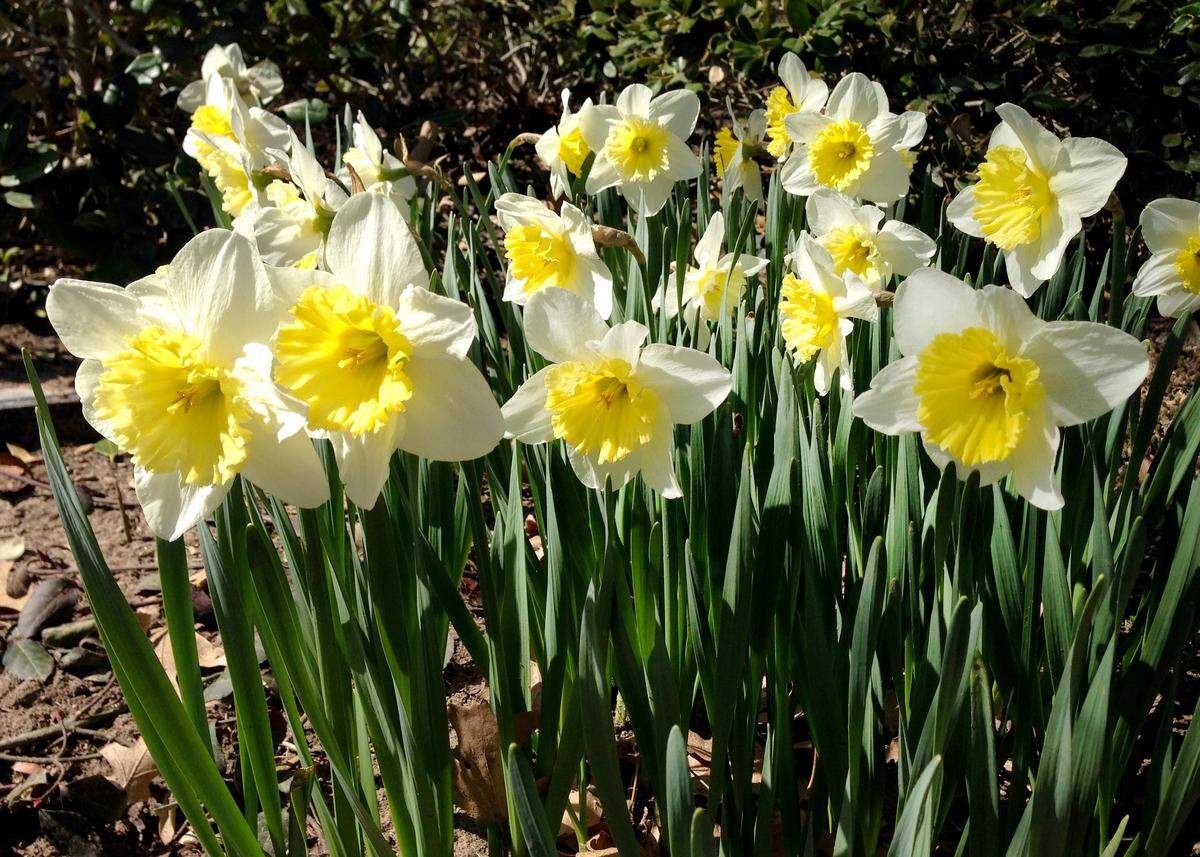
• Ice Follies and Carlton daffodils. You want daffodils that will “come back” year after year. These do where the giant types like King Alfred and Mount Hood will not. Each of these is around 100 years old since its introduction, and they’re near the tops in popularity worldwide. I love them because they help me celebrate coming out of the winter with the first warm days of springtime. What’s not to love about that!
• Purple coneflowers. The plant breeders got busy and improved a Texas wildflower. They’ve actually given us many variants and there’s something beautiful for everyone’s garden as a result. They’re favorites of bees and butterflies, not to mention the thousands of Texans like me who can’t conceive of a garden without them. They’re easy maintenance, and sure to bloom in late spring with just a little love out of you.
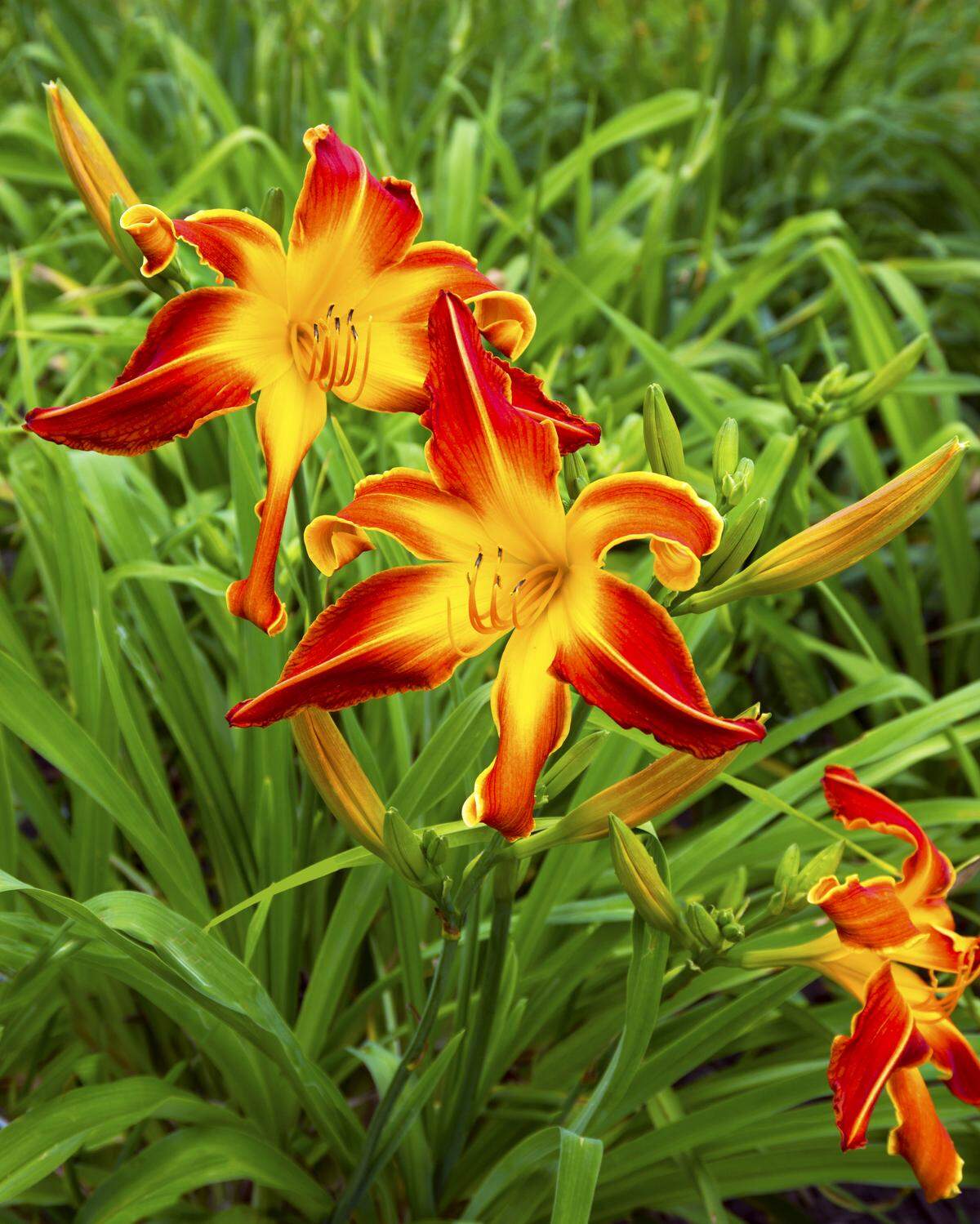
• Daylilies. With tens of thousands of varieties in all colors but true blues, these are my all-time favorites. They bloom in May and June, some a bit earlier, and a few a bit later. Heights, flower sizes, and styles vary, but to my taste give me bright lemon yellow on a mid-sized plant and I’ll be one happy guy. Newer types out-bloom the old varieties several fold, so invest in the best.
• Goldsturm gloriosa daisies. Think of black-eyed Susans, the wildflowers. Make her perennial and let her bloom for six to eight weeks in the first half of the summer. This is what she’ll look like, and you’ll love her. There’s just not a better daisy-like perennial for Texas. One gardener I know always pairs his bed up with blue fanflowers in front of these. It’s a showstopping garden.
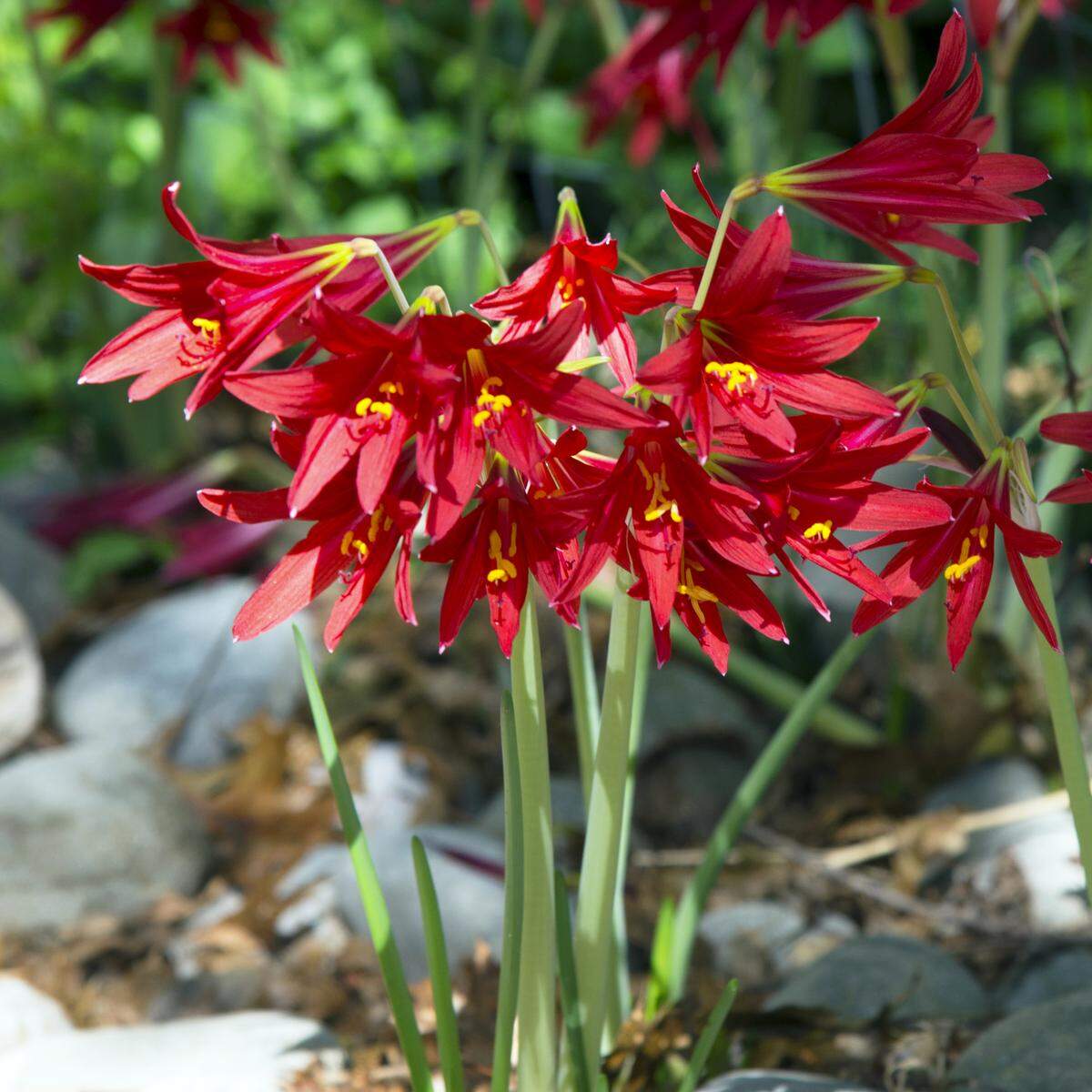
• Oxblood lily. This will be the one you may never have heard of, but you need to get that corrected. This is a beauty. It blooms in September. Mine always bloom three times, with about 10 days in between explosive episodes. Their golf ball-sized flowers are rich crimson-red, and they’re borne on 12-inch stems that shoot out of the ground almost overnight, then open their floral display without any leaves. Those come along after the blooming has finished and they persist until spring. This one is sold in better nurseries and through online sources. Be sure you’re getting full-sized bulbs so you’ll get the best razzle dazzle.