
Here’s your North Texas landscape and garden checklist for spring
If there was anything good to be said about last week’s cold and ice, it was that from a gardening standpoint, the timing couldn’t have been better. It came at a time when most mid-winter tasks could be laid aside for a few days without our losing any important ground. Now we head into February with better prospects ahead of us — a chance to get ourselves right up to speed. Let’s develop a checklist.
Vegetable garden
Last week really proved the value of raised beds. Every last drop of the snow and ice soaked into our soils. Raised gardens drained properly and became workable several days faster than gardens-on-grade.
Whichever is your case, if you had onions and snap-type English peas in your garden, odds are that you’ll need to start over. Nurseries have slips for the onions and seeds for the peas, so that can proceed on right away.
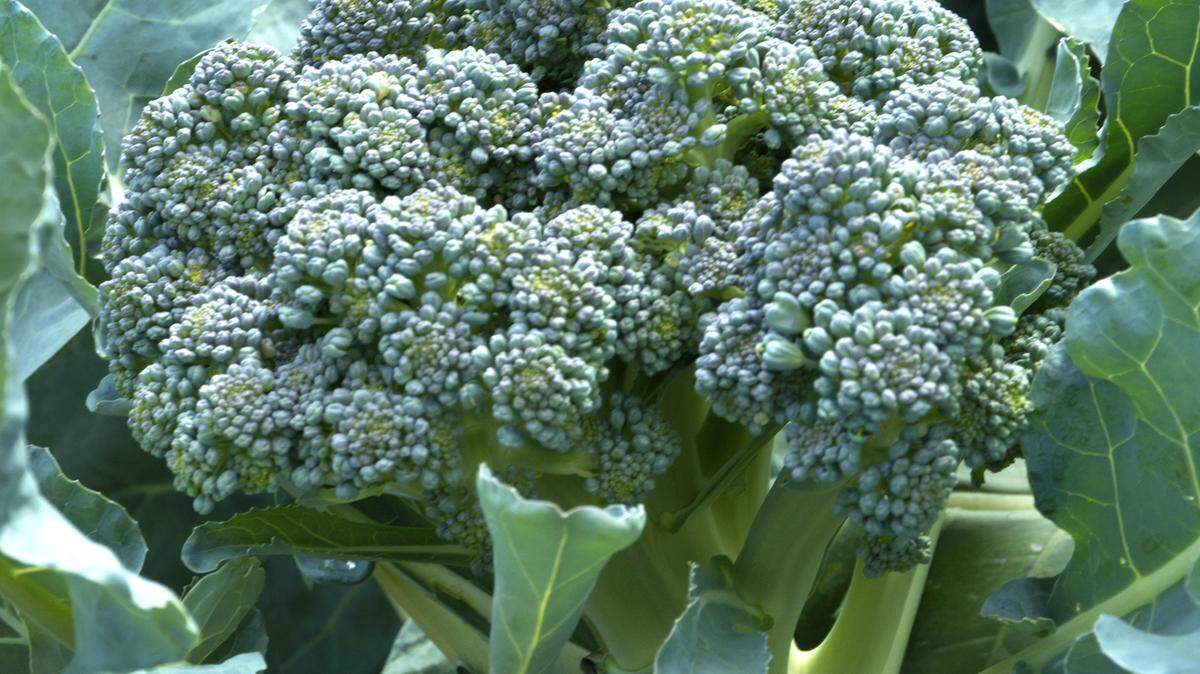
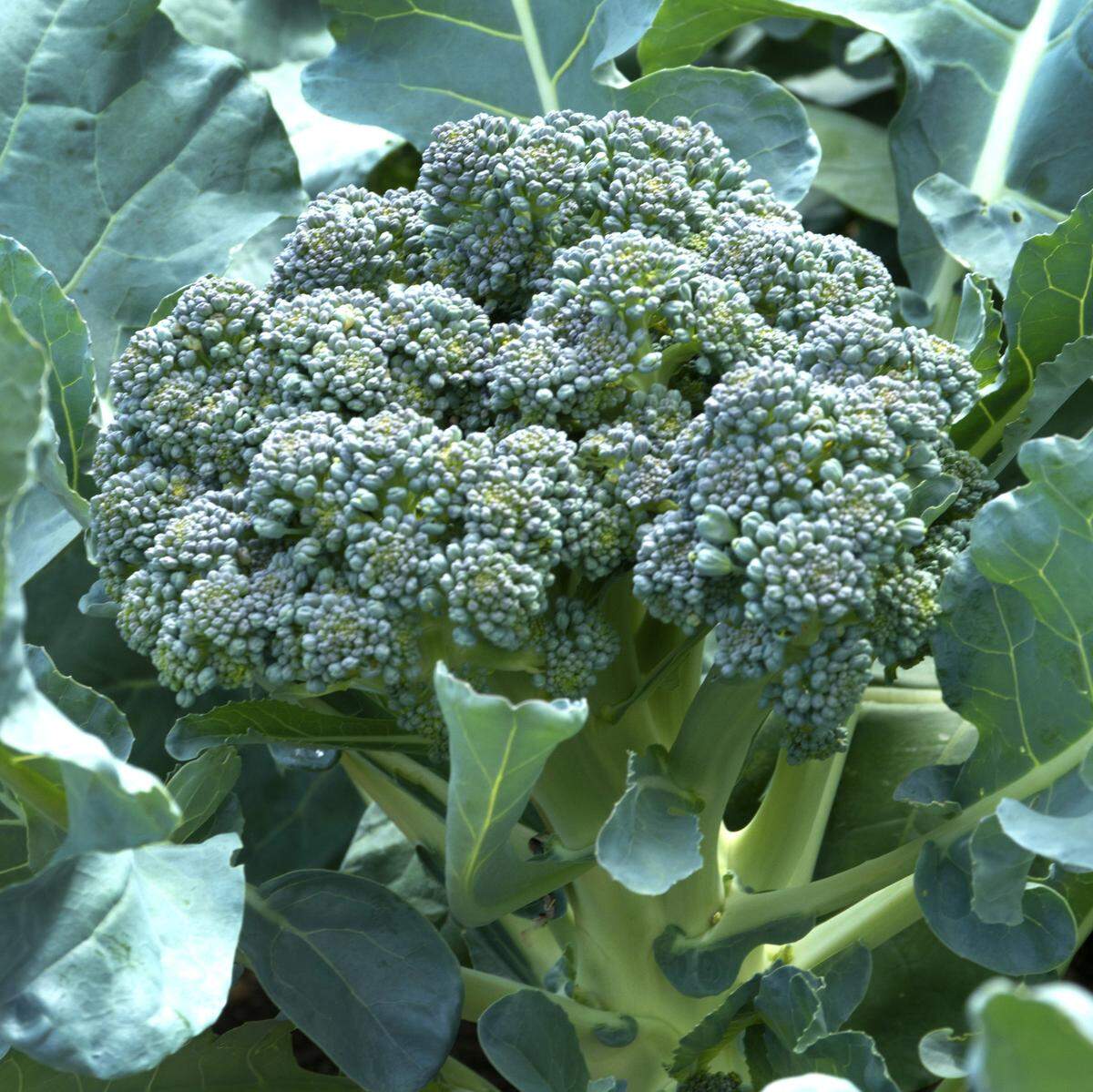
Within the next week or two you’ll want to plant Irish potatoes and the various Cole crops (cabbage, broccoli, Brussels sprouts, cauliflower, kale, etc.). All these vegetables need cool soils to get started, and relatively cool mid-spring temperatures to mature.
Late this month you’ll want to plant leafy and root vegetables including lettuce, spinach, endive, radishes, carrots, beets, chard, and turnips, among others.
Most of the really popular vegetables like tomatoes, peppers, squash, beans, corn, cucumbers, and melons will be planted after the average date of the last killing freeze here in the Metroplex (March 18-22).
Annual color
If you didn’t have your cool-season color plants protected with frost cloth during the cold, those plants have probably been lost. Replace them with 4-inch or larger pansies, pinks, snapdragons, ornamental kale, sweet alyssum, larkspur, petunias, candytuft, and other frost-tolerant plants. There’s still good chance of very cold weather ahead, so it might be best to feature these plants in large pots so they could be moved into the garage for a brief period if necessary. We’re in an in-between period for annuals.
Perennials
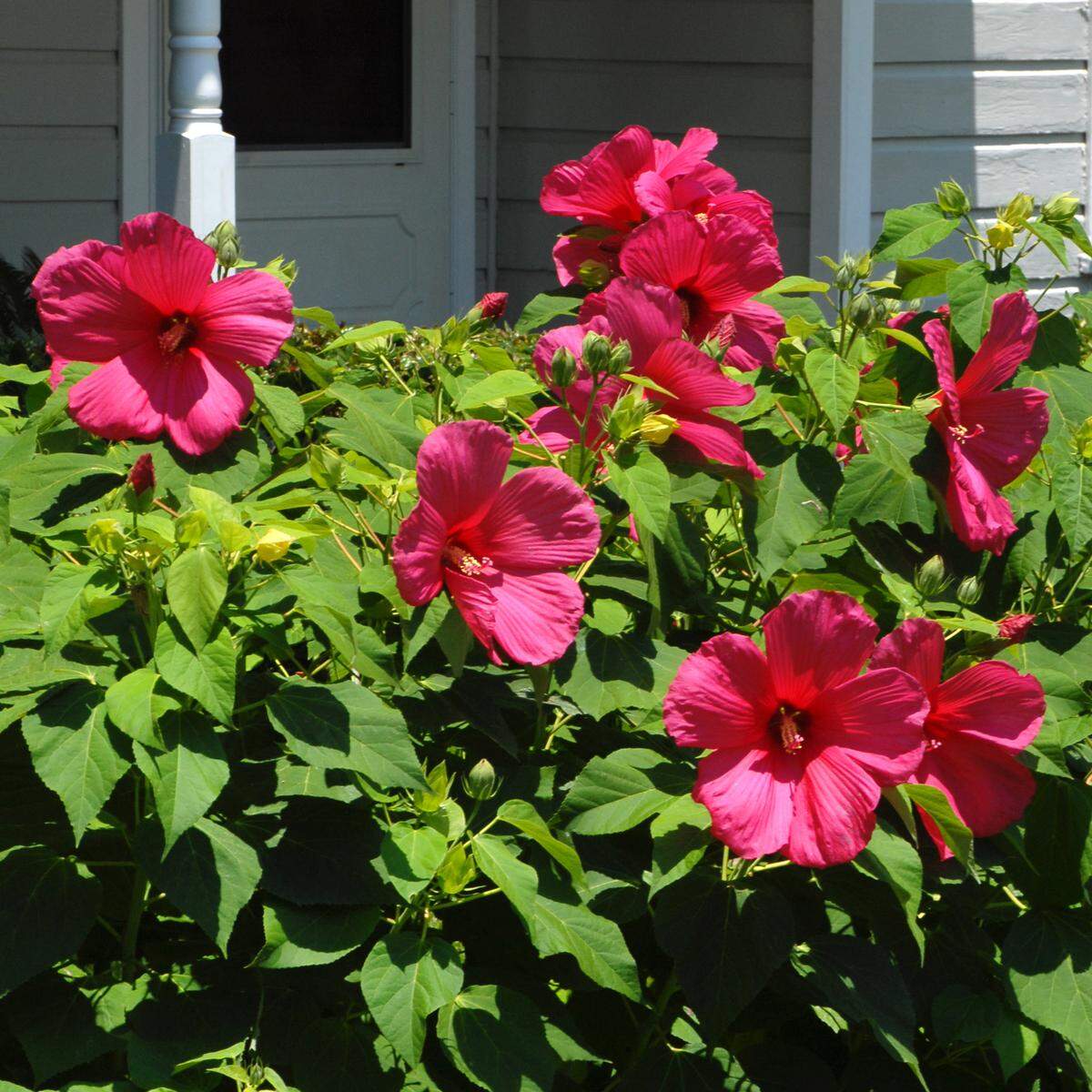
The old adage is that “if it blooms in the late summer or fall, you dig and divide it in late winter or very early spring.” That would apply now to chrysanthemums, fall asters, mallows, summer phlox, and even gloriosa daisies if you can get them replanted before they start growing vigorously.
Otherwise, late winter is the ideal time to develop your plans for your perennial garden so that you can finish it over the growing season. Lay the bed out and remove the existing sod. Rototill to a depth of 10-12 inches and work in 5-6 inches of organic matter (a combination of sphagnum peat moss, compost, rotted manure, shredded bark mulch) and 1 inch of expanded shale.
Provide evergreen continuity through your bed with dwarf shrubs such as hollies, nandinas, and spreading junipers. Know their mature sizes so you can avoid any that might encroach on your perennials.
Plan a sequence of blooms so you’ll always have things in flower. Supplement with outstanding annual color to keep the bed looking its best. As your chosen plants come on the market, buy them and get them planted according to your plans. Keep track of placements and planting dates so you can keep a good idea of when you’ll want to dig and divide them years down road.
Trees and shrubs
If you intend to transplant established trees and shrubs, you must do so while they are dormant in winter. That would be now, but your time is quickly running out. Use a sharpshooter spade to dig them carefully. Sever their roots with smooth cuts that will allow you to keep the balls of soil intact around their root systems.
Lift the plants carefully by their soil balls, wrap them in burlap if you need to transport them very far, then reset them at the same depths at which they were growing originally. Stake and guy them as needed. Water deeply and regularly their first season to be sure they don’t dry out. Prune to remove branches proportionate to the number of roots lost in the digging.
On other notes, this is the time to finish up dormant season pruning of shade trees, notably oaks. They should be pruned by mid-February to lessen the chance of spread of the oak wilt fungus. Wounds on oaks should be coated with pruning sealant. It is not needed for other species.
If you have peach or plum trees, you must prune now to maintain their bowl shape of their branching structure. Your goal will be to keep them at 9-10 ft. tall as they spread to 14-16 feet wide. Remove all upward shoots so that the developing fruit will be low enough to reach from the ground, and so that it will be exposed to sunlight for proper ripening. This will also spread the weight of the fruit out more evenly so that limbs won’t be likely to break.
Pears are pruned only to remove dead and damaged branches. The same for apples, although you do want to remove any “watersprouts” (strongly growing vertical shoots).
Grape vines should be pruned and thinned to remove 80-85% of the canes as you maintain the plants along their trellises. Again, that will limit the numbers of clusters to ensure the quality of the produce.
Turfgrasses
Little lawn care is needed yet. That time will come in 6 or 8 weeks. Simply keep things mowed to remove winter weeds and to pick up any tree leaves that have continued to fall.
One important task that you can do, however, is to treat for broadleafed weeds that have shown up over the winter. If you’re seeing a rebound of clover, dandelions, chickweed, plantain, and henbit now that warmer temperatures have returned, prepare yourself to apply a broadleafed weedkiller spray (containing 2,4-D) to kill them before they grow and come into bloom.
If you have fescue turf, or if you have overseeded with ryegrass, apply an all-nitrogen lawn food with 30 to 40 percent of that nitrogen in slow-release form to get the grass off to good green-up and spring growth.
Finally, to answer the question many will be asking, it is not yet time to think about applying pre-emergent weedkiller granules to your lawn. Soils are still very cold. We’ll have more on that in a few weeks.