
Yes, North Texas has four seasons. How to enjoy each of them in your home garden
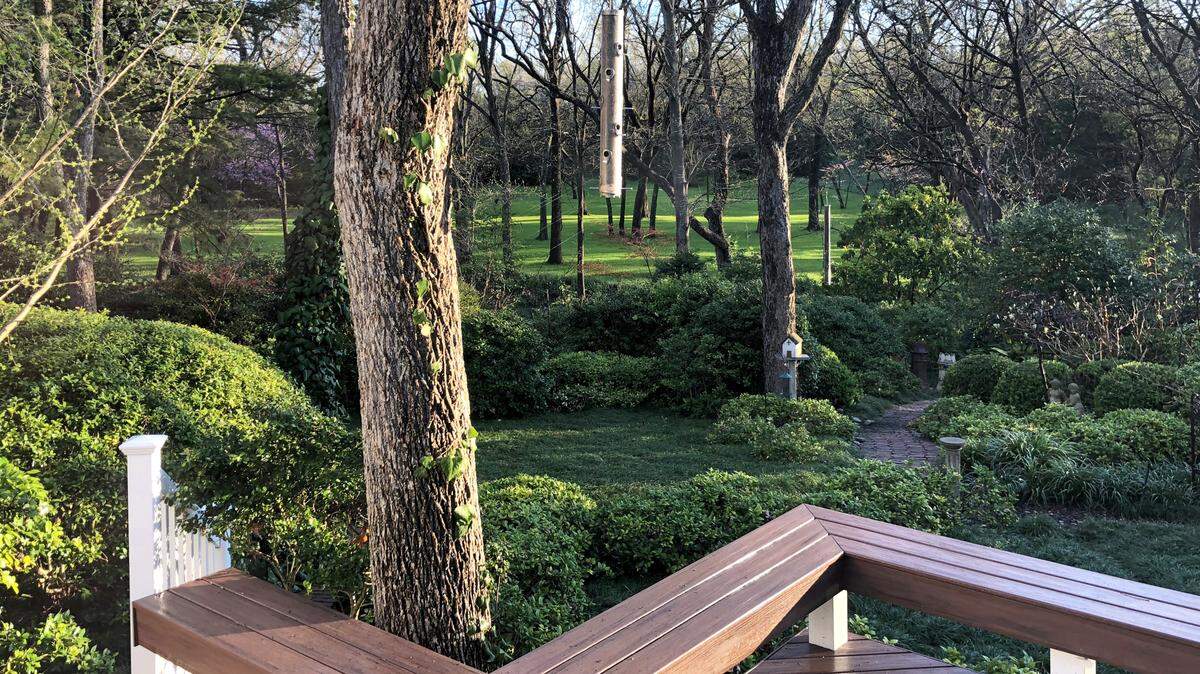
My wife and I have been married for 58 years. It seems like it was only yesterday. When we say that to our great-grand daughter she looks at us in amazement. “That’s a lot of sleeps.” It’s also a lot of springs and a lot of falls. A lot of hot Texas summers – frankly, some I’d just as soon hand back in for a refund.
But “seasonality” in the garden translates to “personality” in our plantings. It’s what gives us the sheer simplicity of winter and the glamour of springtime. The sultry steaminess of the summer and the excitement of fall. There’s something we can enjoy about every season here in Texas.
My wife isn’t fond of the fall. She likes long evenings, and it sets up some form of mild depressive spiral when the sun sets earlier and earlier until almost Christmas.
I, on the other hand, like the coziness of autumn. I love the fall colors (when we do have them), but most of all I enjoy the long, amber-colored shadows that spill across browned landscapes after the early frosts. Tree trunks function as huge sundial gnomons casting their long shadows to tell us long nights are just ahead. I’m ok with that.
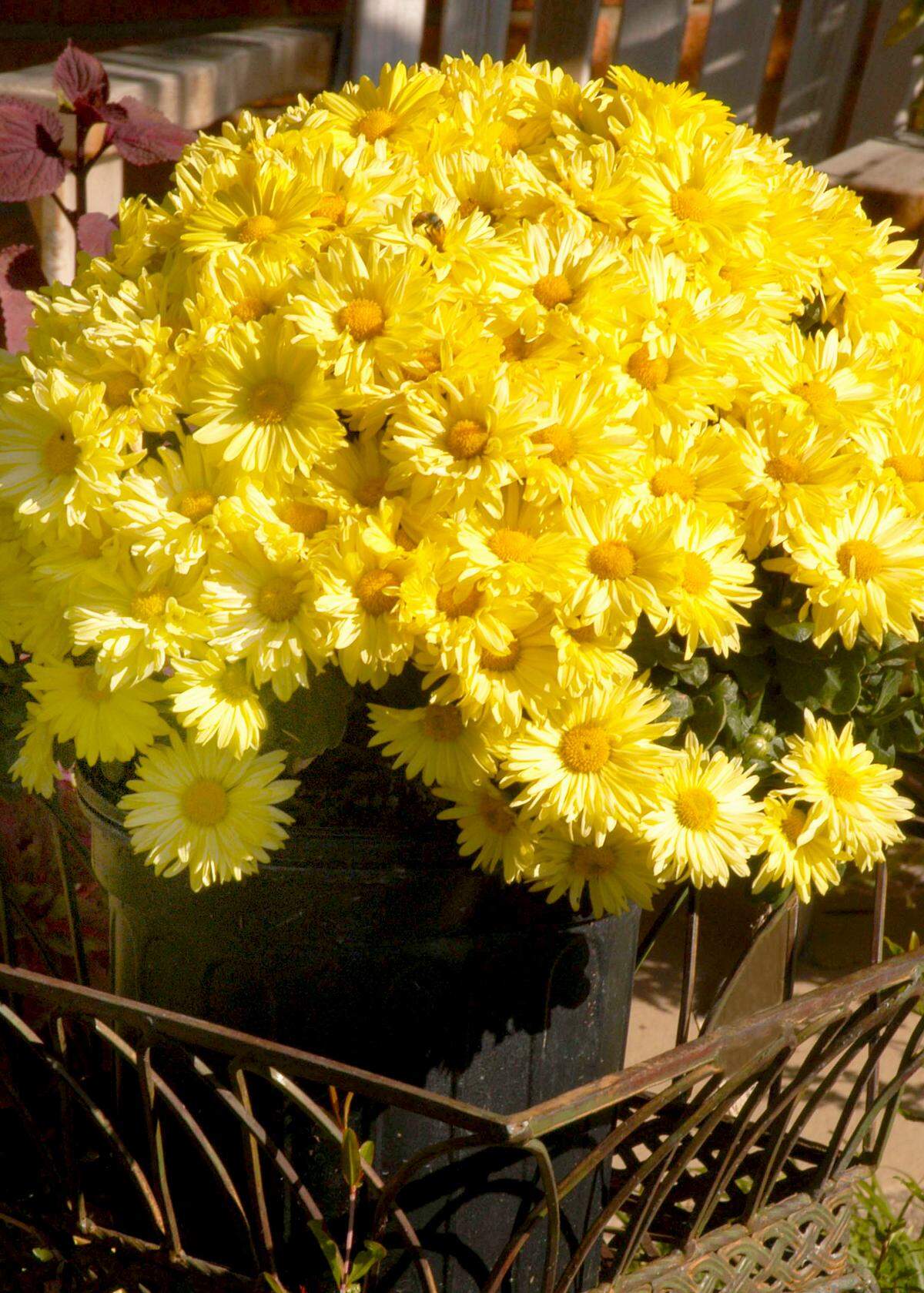
Lighting is important to our plants just as it is to us. Remember the term “photoperiodic” from botany class? Plants measure the length of the dark period (night) via hormones. Those hormones, some of which trigger production of flower buds in plants like poinsettias, mums, kalanchoes and Christmas cacti, are destroyed by light. When it’s dark long enough, the hormone accumulates and allows the plant to come into bloom, which is why those plants flower in fall or winter.
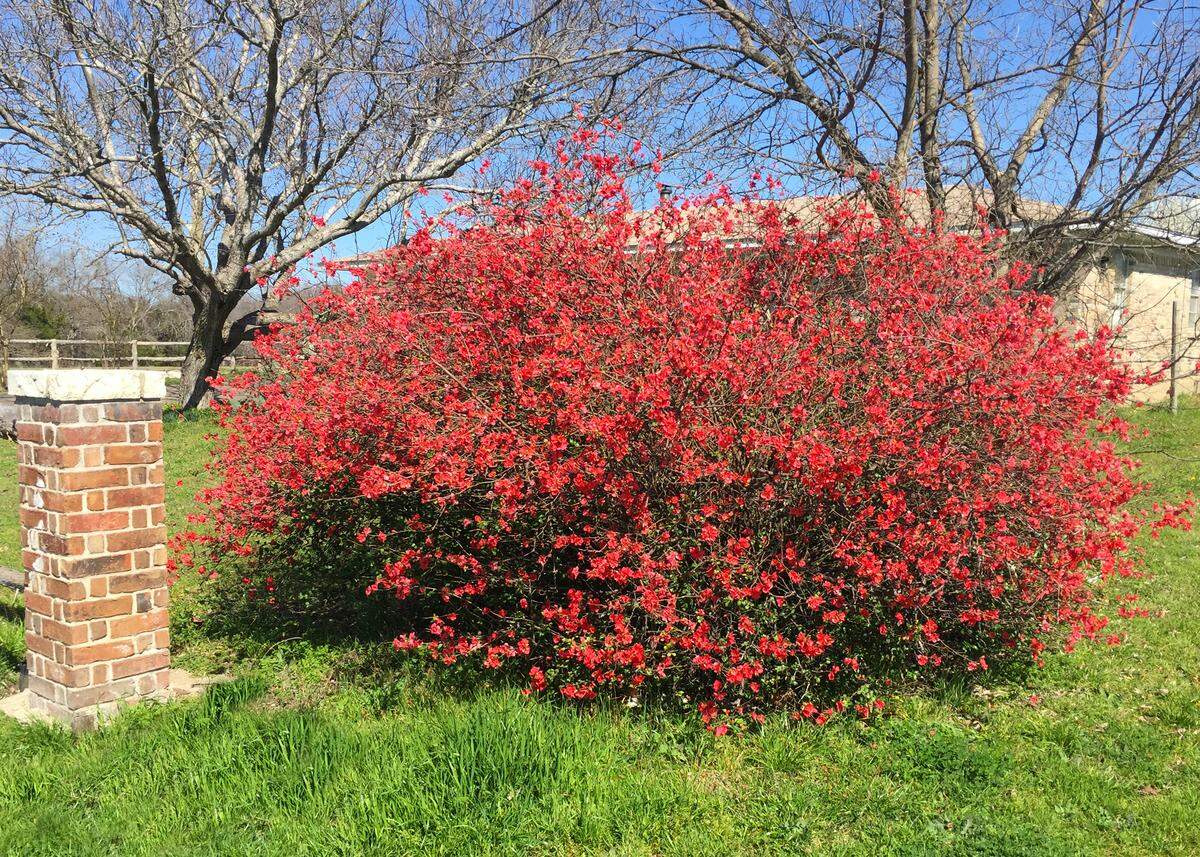
Gardeners can determine the season by more than just lighting. Buds popping open in early spring. Leaves dropping in autumn. The aroma of violets and violas in bloom in February and March. Crape myrtles and trumpetcreepers in bloom in the summer and spider lilies in the fall. Or, to get more exotic, winter honeysuckle or flowering quince blooming in February or Lenten roses in flower in late winter. Those things just don’t happen by chance. They happen because it’s “their time” in the year.
Birds at your feeders will be a big clue. Robins on the lawn and goldfinches at the feeders are all cool-season visitors from the North. Monarchs, ducks, geese and hummingbirds all migrate through. It’s all part of the seasonal shifts that make living outdoors so much fun here in North Texas.
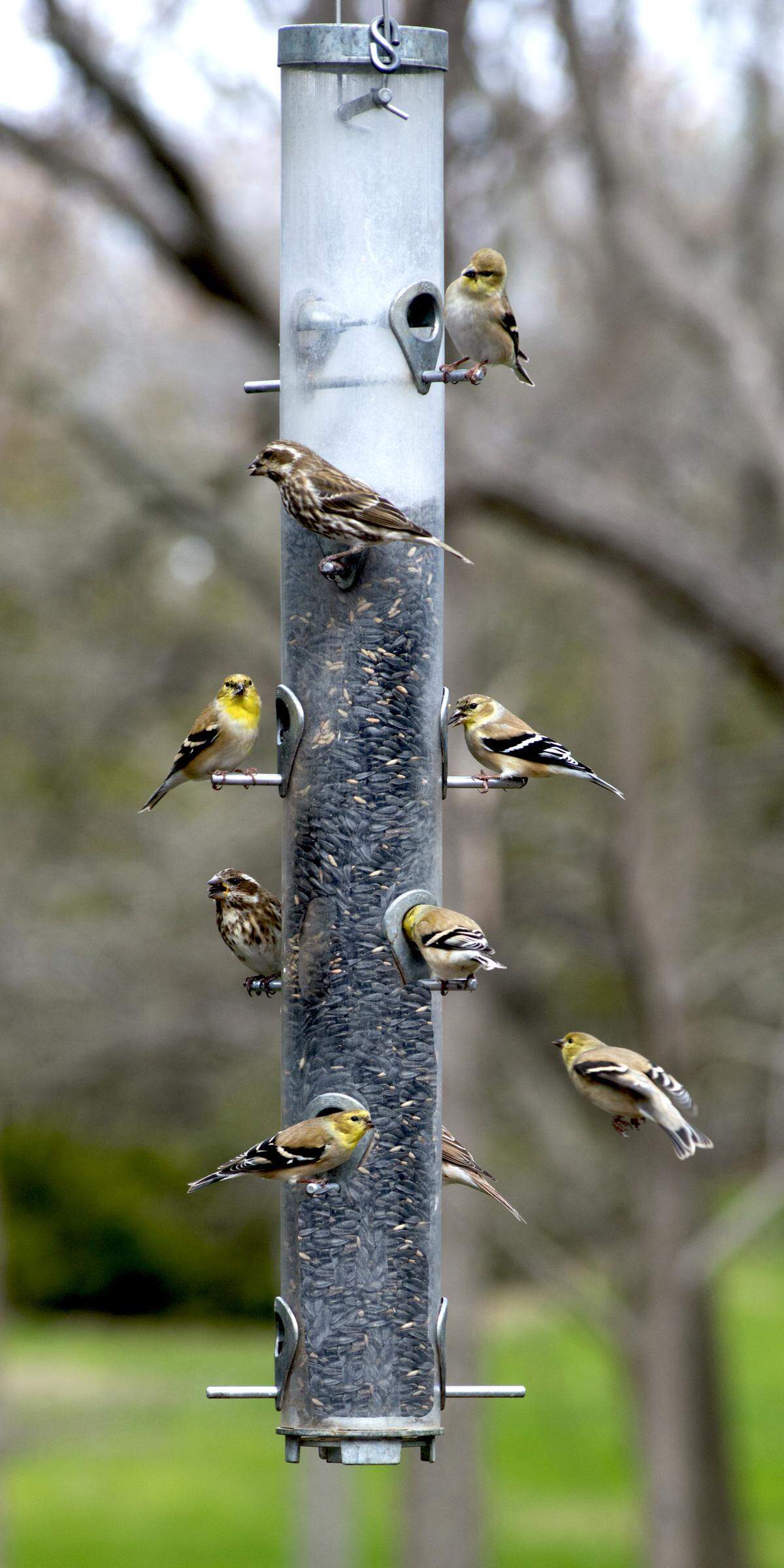
Pastor Tommy Brumett of First United Methodist Church of McKinney, an avid birder, pointed out once on my radio program that Texas is a big funnel for the migrators.
As they head south for the winter, a majority of those northern species migrate through Texas. Check the maps of inhabitation on the Cornell University All About Birds website and the associated Merlin app. You’ll see how far some of these birds fly just to spend three or five months here in Texas.
Sundials belong in everyone’s garden. Not that you’re going to give them any credibility as to when it’s time to catch the bus, but they’re a throwback to our heritage, and they’re also handsome pieces of garden art of many varied styles and sizes. I collect sundials even though we live in a pecan and oak forest. I don’t really care if I can use them to tell time. It’s just fun to have them around.
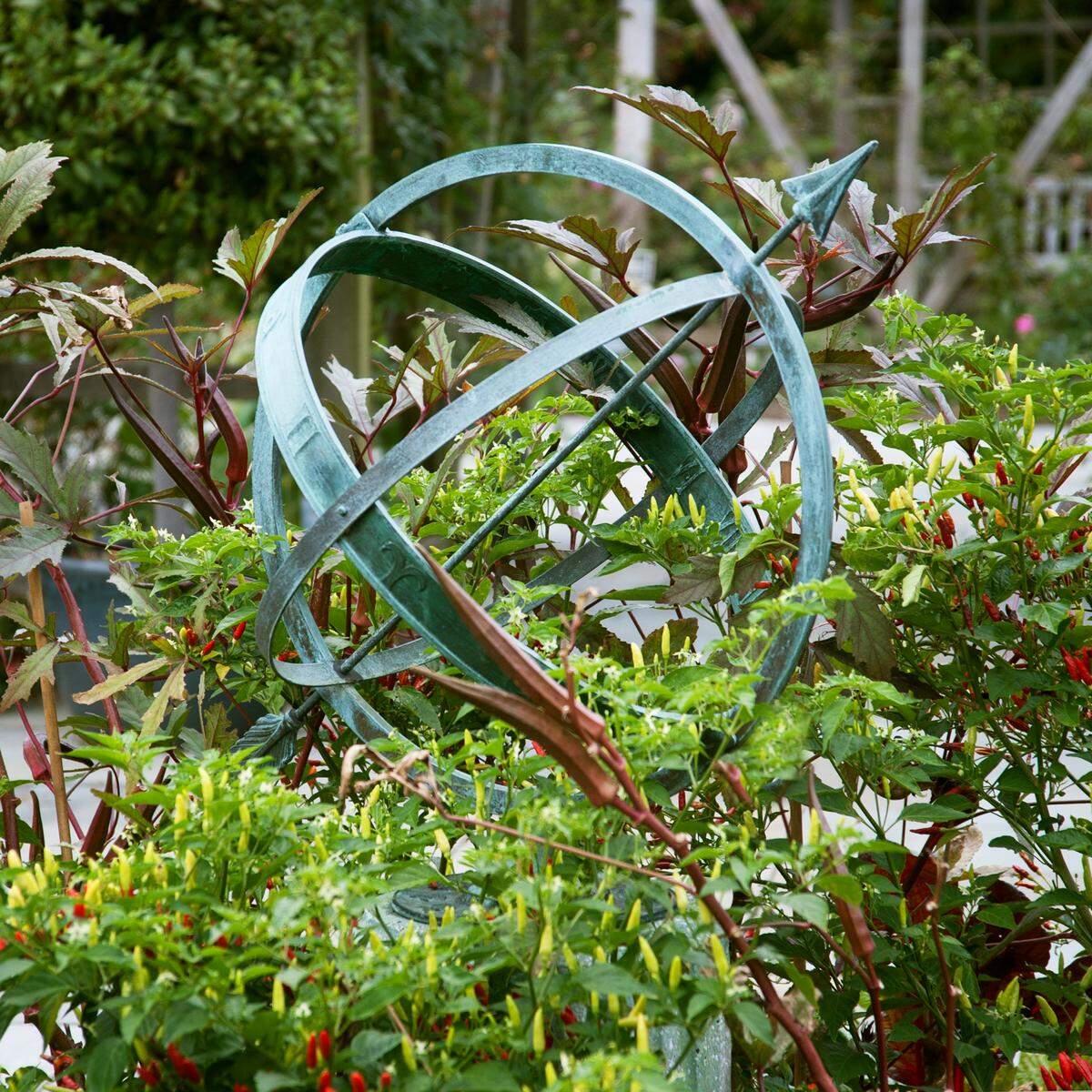
Weathervanes and wind chimes mark the seasonal changes. The direction of the daily breezes can give you a very good idea of what to expect when you set foot outside. Plus, weathervanes are just cool to look at.
As for the wind chimes, every time I mention them, there’s a fair amount of push back from people who live too close to neighbors with poor quality, high-pitched and amelodic chimes. I wouldn’t want those around me, either. When I recommend wind chimes, please know that I’m suggesting types that are musically tuned. I believe there are several such brands on the market now, but the first one that I ever heard came from Music of the Spheres in Austin. I’ve since bought five sets of their chimes in varying sizes and tones.
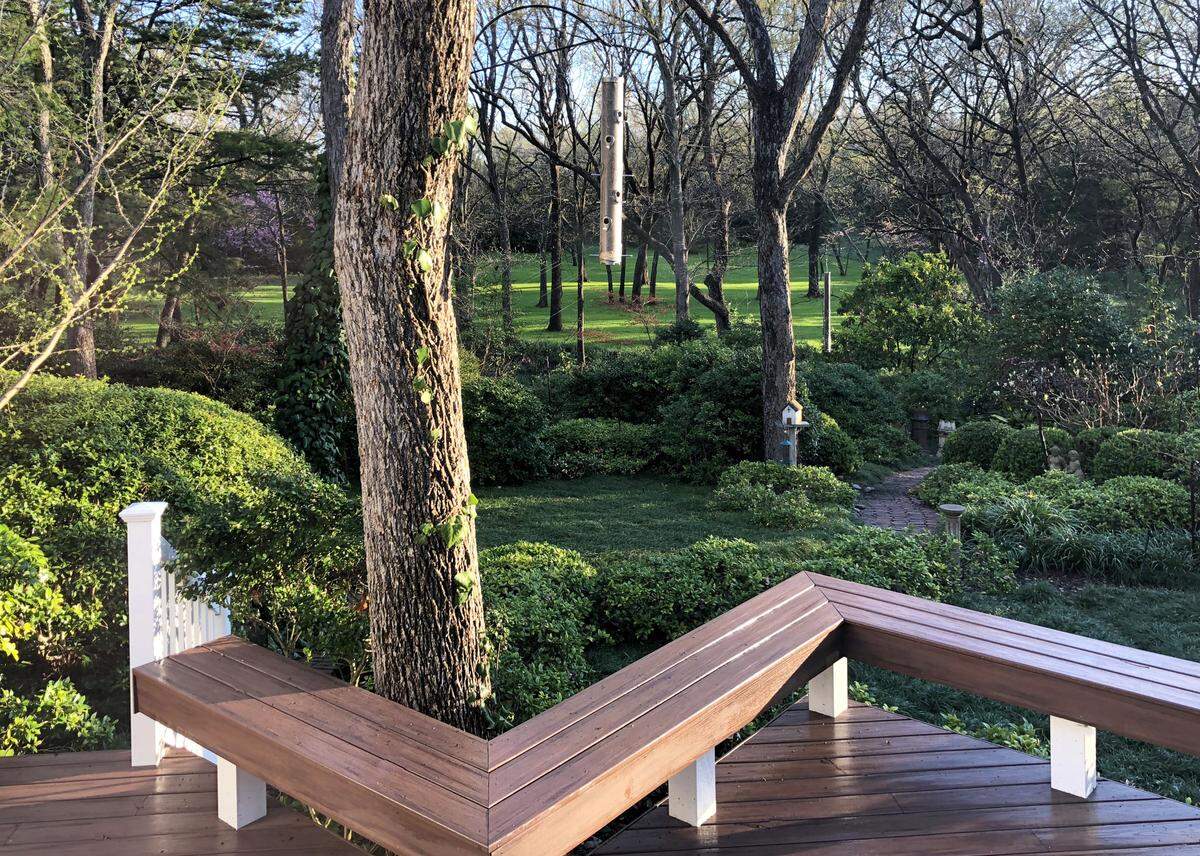
They hang in various parts of our landscape and at different heights, so they are activated by winds at different seasons. One is 30 feet up in a pecan tree. It’s the smallest, and southerly summer breezes hit it, so it reminds us that there is a little cool help on the way. Another, our largest, is 25 feet high. It’s concealed by pecan foliage until Thanksgiving. As a result, it’s only hit by the winter winds. Their website lets you hear all their different chimes for an amazing experience.
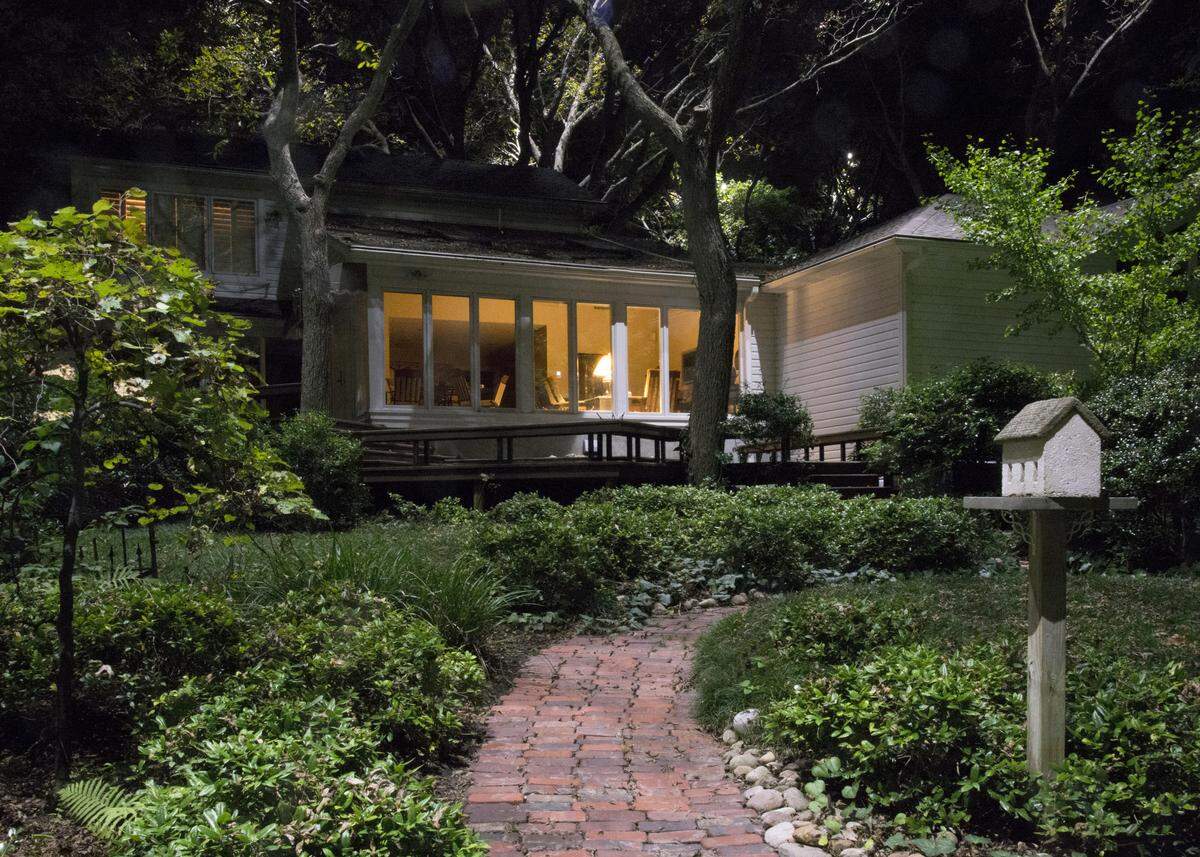
We have landscape lighting in our gardens so that we can enjoy those late spring and summer evenings after the work is done and the phones quit ringing. The lights have sensors, so they know the perfect time to come on.
We’ve had lighting for 35 years. Whether we’re outdoors, or just looking out from the inside, it’s hard to imagine our gardens without it. It’s a great way to realize more enjoyment out of the time we spend gardening.