
Here’s your winter to-do list for North Texas landscapes and gardens
It’s almost unfair of me to spread out a list of things you need to be doing in your landscape and garden when you’re still trying to digest a big Christmas dinner. But undaunted by fairness, here’s my end-of-year list. Tack this one right on top of the one your CPA gave you last week.
Evaluate your shade trees for strength of their limbs. Call in a certified arborist if you see any branch that looks like it’s dead or dying. All it takes is one ice storm or strong gust of wind to send them tumbling. You don’t want that damage or harm.
Carrying that one step farther, this is, in general, the best time for pruning shade trees. You can see right through their canopies to determine any unneeded or damaged branches. Use a company with certified arborists. Check their credentials and insurance. Good companies will be happy to show you.
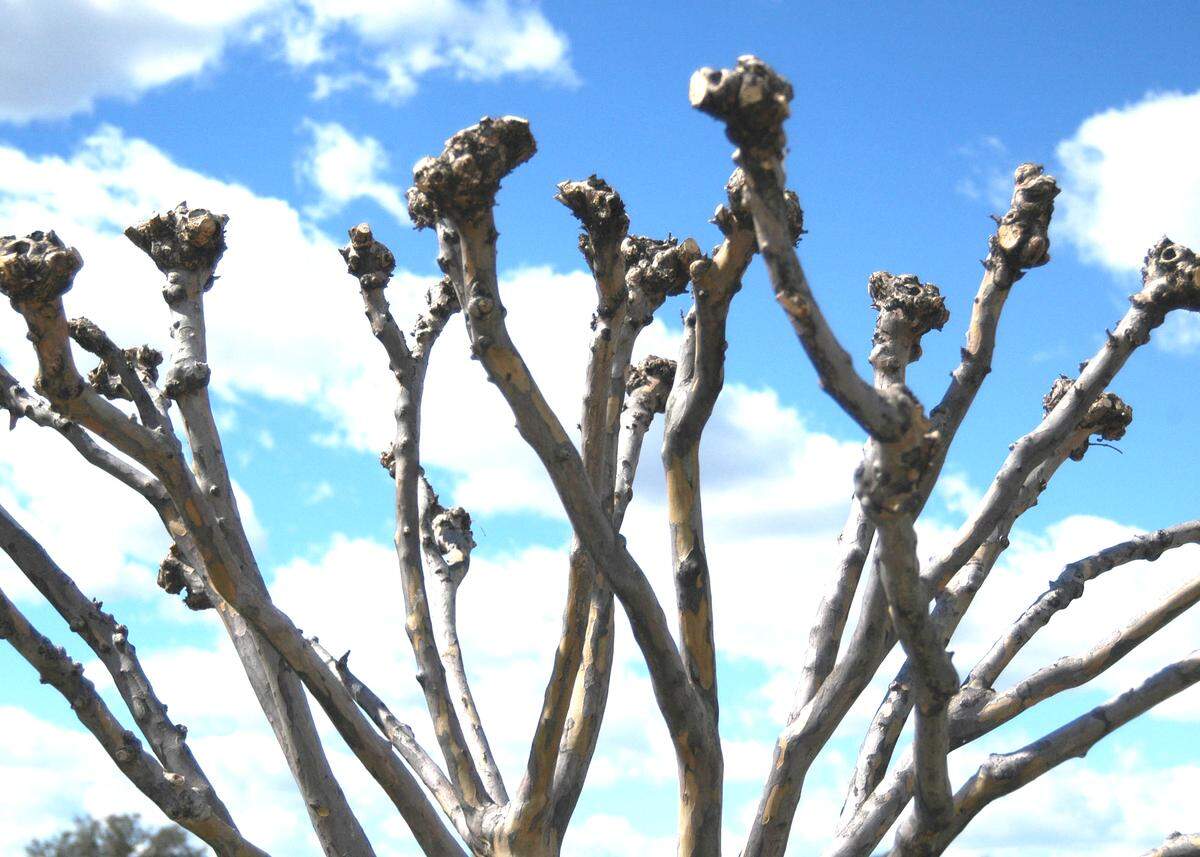
Just a quick mention. More details another time: Don’t ever top any crape myrtle. There is no valid reason for this disfiguring act. It does not improve or speed blooming. If your plant is too large, either move or re-move it. Don’t whack it.
And, just to have answered it, this is the best time of the entire year to do any necessary pruning of oak trees. They are dormant now, so it’s least likely that you will be spreading the oak wilt fungus in the process. Seal all cuts with pruning paint. Trim to leave a small bit of the branch collar to speed up the healing.
Broadening out beyond just the trees, all your plants need to be watered in winter. If they go more than seven to 10 days without rainfall, especially at temperatures like we’ve been having much of this month, their roots are going to be challenged. That’s especially critical for turfgrass, groundcovers, small shrubs and other plants with shallow roots. Water deeply and infrequently to keep your plants properly hydrated. We learned what happens when they’re not — that was the result of the cold back in February 2021.
This is transplanting time. If you have a desirable tree or shrub, but it’s in the wrong place in your landscape, this is the time you should move it. Or perhaps it’s a plant out in nature, and you’d like to move it into your surroundings. Again, this is the time. All that is because those plants are dormant right now and demands on their roots will be least. Dig your chosen plant carefully and move it with a ball of soil intact around its roots. Set it at the same depth at which it was growing originally, and, if necessary, stake and guy it for a couple of years to keep it upright. As a general rule small and mid-sized plants transplant more successfully. Don’t get overly ambitious. Large plants often require specialized equipment and extra manpower and there’s a greater mortality rate due to increased loss of roots.
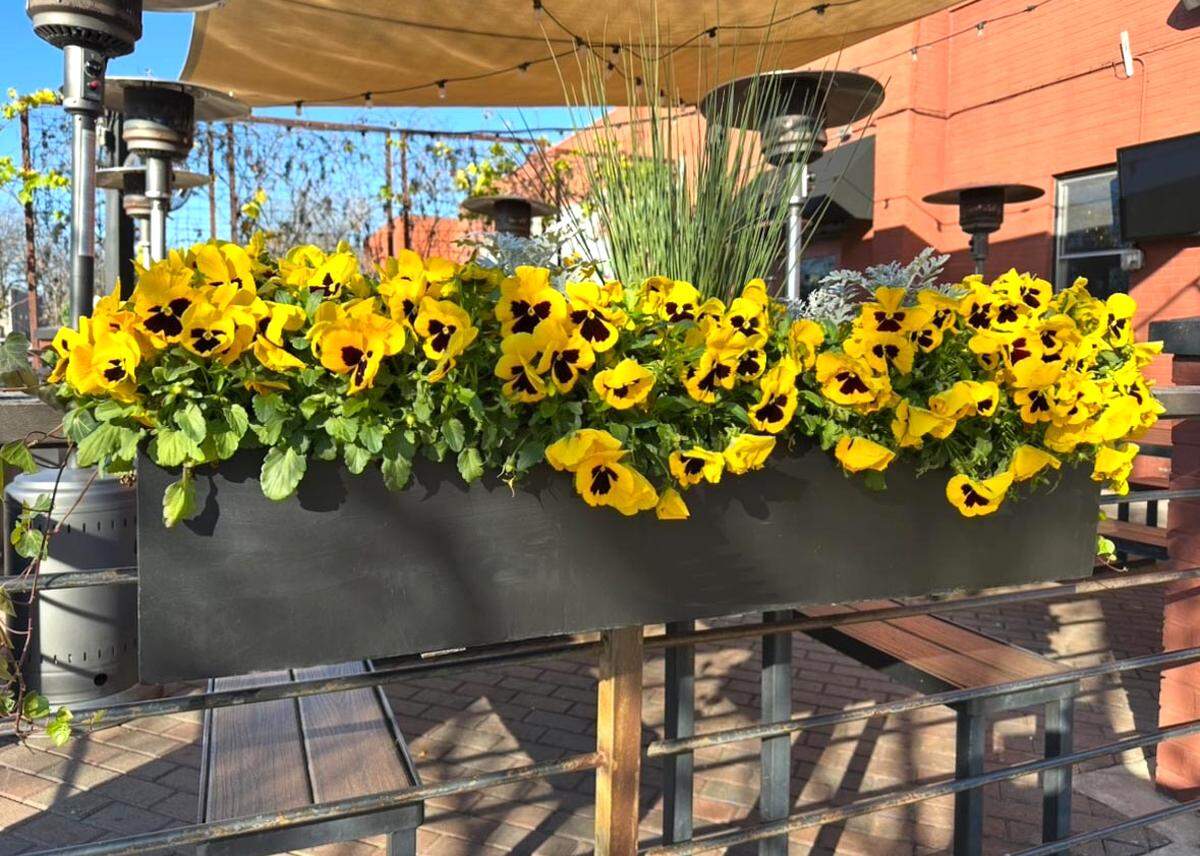
If you want to perk up your plantings, you can still add winter-hardy annual color. It’s probably best done in containers so you can move them into the garage should it turn really cold for a day or two. Pansies and pinks are most hardy, followed by snapdragons and ornamental cabbage and kale. Some gardeners even plant “hardy” cyclamen. They’re very showy, even if they must be brought in anytime temperatures are expected to fall below 30F.
Keep mowing on an as-needed basis. It amazes me how many trees are still holding their leaves and even fall color. As those fall they continue to collect in still corners of fences and patios. They trap moisture (not good for turf because of diseases), and they serve as good hiding places for rodents. Your landscape will look so much better if you buzz it up with the mower every week or two.
There’s another good way of making your surroundings look better in the winter, and that’s to spread out a fresh layer of bark mulch or compost. And not only will it give your landscape a layer of attractive organic matter, that mulch will also repress growth of weeds, slow rate of the soil drying, and discourage weed growth. To a degree, it will also moderate the rate of temperature change in the soil to avoid rapid freeze/thaw cycles.
If you’ve been composting those grass clippings and leaves all summer and fall, it’s time to start working them into your vegetable garden’s soil.
Read this carefully: Prepare your garden soil now, because you will start planting onions in only four weeks. Late January for onions and snap-type English peas. Asparagus can actually be planted early next month — as soon as you find them in feed stores and nurseries. Look for crisp, healthy 2-year-old roots.
Temperatures have been warm enough that we could have applied a broadleafed weedkiller spray containing 2,4-D to control unwanted plants like dandelions, chickweed, henbit, and bur clover. It looks like there may be a few more of those warm days ahead. You’ll want temperatures in the 60s or warmer, and you don’t want rain to fall for a couple of days after your application. When it turns cold it’s likely to stay there for six or eight weeks, and that would give cool-season weeds a chance to grow, bloom, and even go to seed.
Have your garden soil tested now, ahead of the spring rush. My suggestion is always the Texas A&M Soil Testing Lab in College Station. They do soil and well water testing for consumers and agricultural interests all over this huge state, so you can imagine they get covered up. The results won’t change between now and spring planting time in a month or two.
The basic test (“Routine Analysis”) tests for all major elements and the soil’s pH (acidity/alkalinity). I suggest you have a sample run from your flower and vegetable gardens and another run from your turf and shrub beds. The fee is $12 per sample, and you should have tests run at least every three or four years to monitor changes. All the instructions are available on the lab’s website.