
Given the same choices, I might now take another path with these recommendations
I was hired by Texas A&M in September 1970 to dispense horticultural advice to the gardeners of North Central Texas.
My degrees were both in horticulture, and my parents were both teachers. My wife and I taught. It seemed like the perfect match.
And it has been a great opportunity for those 50-plus years.
I’ve made a lot of recommendations to, I assume, hundreds of thousands of people. And most of those suggestions are ones I’d still make today. But I’m going to tell you about the ones that I’d never make again. These are the mistakes where time and experience have proved me wrong. These are the plants that have let me down. These are the bum steers I’ve given you. This is confessional time.
Floratam St. Augustine for the Metroplex. It was the early 1970s. St. Augustine decline (“SAD”) had ravaged lawns all across Texas. This deadly virus has ruined the most popular lawngrass in the southern half of the state. Trying to help us, The University of Florida and Texas A&M co-released this variety of St. Augustine with much fanfare, and we eager communicators proclaimed it loudly.
Desperate to find a replacement for the lost turf in shady North Texas landscapes, thousands of homeowners (author included) planted it. And it was in that first winter that we discovered it was not winter-hardy in the northern two-thirds of the state – certainly not in DFW. It’s a great choice for Houston and San Antonio. Just not up here.
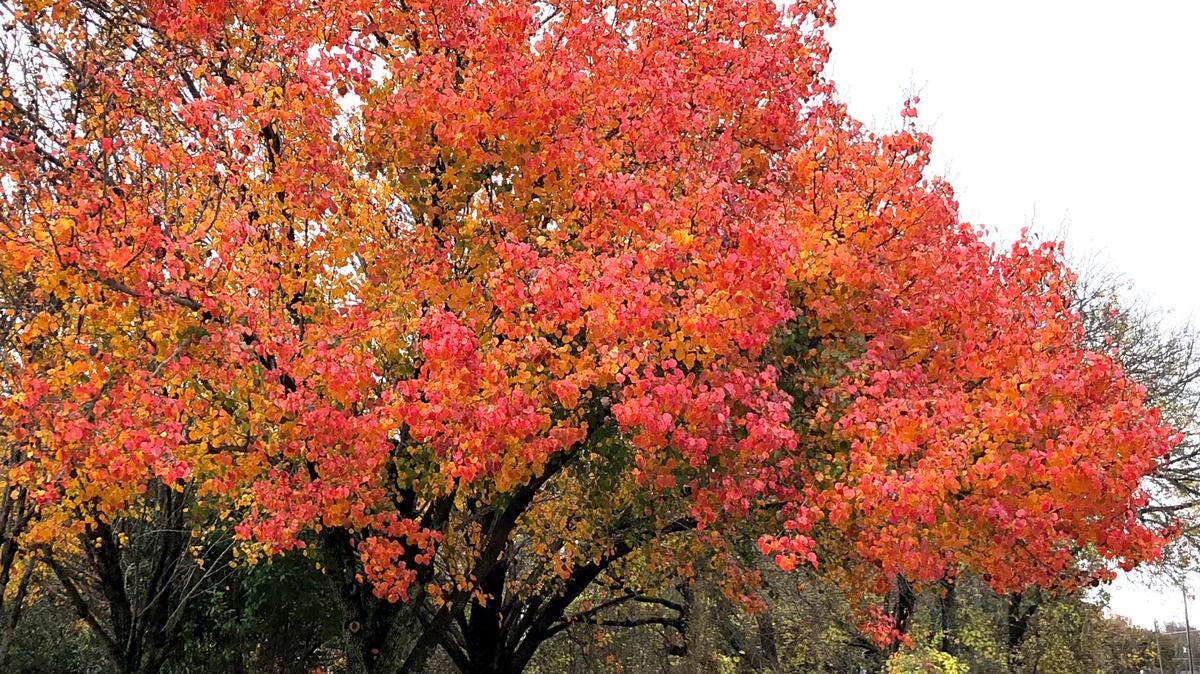
Bradford pears. Introduced into the nursery trade in the 1960s, Bradford pears and the other types of ornamental pears (not grown for their fruit) were just hitting full stride when I started doling out gardening tidbits. It looked like the perfect tree of all time. Perfect growth form. Deep green foliage all summer that turned glorious shades of red, orange and yellow in the fall. And, oh those beautiful pure white flowers in spring. They were so gorgeous, you could almost forgive them for smelling like a wet dog.
But then, 15 or 20 years later, we began to discover the real truth about our beautiful shade trees. Their branching structure was horrible. The narrow crotches were weak, and about the time the trees reached their mature size, they started splitting right down their middles. Every strong wind in March would ruin hundreds of trees across the Metroplex, not to mention the fences, patio covers, cars and landscapes that were damaged as they came down.
Disappointed in our trees’ behavior, we removed the unsightly remains of the trees, only to have sprouts coming up in our beds for years into the future. And then we started discovering that the tiny fruit were fertile and that birds had planted them in wetlands. We have the mother plant/rootstock (Callery pears) growing far and wide.
Eldarica pines. Everybody loves puppies and kittens, and it seems like everyone loves pine trees. But they’ve always been difficult to grow here in the Metroplex. In short terms, most types of pines don’t like our alkaline soils and arid conditions. So when New Mexico State told of an introduction of Pinus eldarica from Afghanistan in the mid-1970s, it made us curious. It came from an area with alkaline soils and less rain than we have. It’s winter-hardy in our area. Initially sold as “Mondell” pine, it soon became known as “Afghan” pine or “Eldarica” pine. And it grew very well for about 20 years.
But then a very wet year came along. Instead of our normal 35 inches per year, North Texas received 50 inches of rainfall that year. The Eldarica pines, native to areas that rarely receive more than 15 inches, slowly began to go downhill. By the following year, scores of mature trees were dying, and the loss was repeated following other wet years. Those of us who once recommended Eldarica pines pulled back on those suggestions.
Leyland cypress. Back in the 70s and 80s we were looking for stately evergreen screens, and these beauties came onto the scene. They grew quickly, and they were downright beautiful. But there were two things we were overlooking. First, they grow much larger than many of us were expecting. Their mature size tops out at 35 feet tall and 25 feet wide. Many of us had been planting them in spots one-fourth those dimensions.
But even worse is the plant’s susceptibility to a terrible disease called Seiridium canker. It’s a fungal organism that invades the vascular system. The first thing you’ll notice will be branches dying back 12 or 18 inches at a time. You’ll also see black, tarry ooze seeping down the trunk. Unfortunately, there is no product that will prevent or cure the canker, so Leylands’ usefulness in Texas landscapes is now highly questionable. The disease has now spread to Italian and Arizona cypresses as well.
It’s painful to throw plants I once recommended out like the trash, but none of us knew at the time we were suggesting them that these problems would crop up. Actually, this isn’t the entire collection. Sometime in the future I’ll complete it for you with several others that have made my own personal “never-again” list. I offer them to you here, not to discourage you, but merely to help you avoid the mistakes that I’ve made over the decades.
You can hear Neil Sperry on KLIF 570AM on Saturday afternoons 1-3 pm and on WBAP 820AM Sunday mornings 8-10 am. Join him at www.neilsperry.com and follow him on Facebook.
This story was originally published December 18, 2020 at 5:30 AM.