
From peaches to poinsettias with dandelions thrown in for good measure
I’ve never claimed to be psychic, but I’m a veteran of the gardening wars of North Central Texas.
After 50 years of answering questions, I can predict those will come up at each time of the year. Here are a few that may be crossing your mind in the next several weeks.
- “My poinsettia always drops its lower leaves before Christmas. What can I do this year to keep that from happening?”
That is usually a reaction to letting the plant get too dry one or more times. The solution, obviously, would be to stay on top of the plant’s water needs. While you don’t want to keep it sopping wet, you must not let it wilt from drought. It will help if you will keep it out of hot drafts at the same time. It was grown in a relatively cool greenhouse (65 degrees).
- “I can already see my daffodils beginning to sprout. Aren’t they awfully early? Will a winter cold kill them? Is there something I should do to protect them?”
That is absolutely normal for established daffodils and narcissus. The only thing you need to do is make sure that you water them during prolonged dry spells this winter. Like bluebonnets and several other types of spring wildflowers, bulbs will sprout early. It is their way of getting established so that they’ll be ready to bloom when the weather begins to warm in late February and March.
- “In past winters my gardenias and oleanders have suffered cold injury. What can I do to prevent that this year? At what temperature do I need to worry?”
Water your plants deeply when extreme cold is expected. (For gardenias and oleanders that would be low-20s and colder.) Properly hydrated plants will always suffer less damage than those that are allowed to get too dry. Additionally, covering the plants with frost cloth will gain you 6 to 8 degrees of protection from cold, windy weather. These are lightweight materials that should be pulled over the tops of the plants and weighted or tied to the ground. You can leave them in place for weeks if necessary. Your local independent nursery or hardware store will have them and can explain how to use them, but buy them ahead of time and avoid the rush and sellouts.
- “When and how do I prune my peach and plum trees, and should I prune my fig bush? The fig has become way larger than I had planned.”
Peach and plum trees are pruned similarly. The timing is late December through very early February – before their buds start to swell. Your goal is to develop a cereal bowl shape to the plants. Ideally the trees will be nine or 10 feet tall and 15 or 16 feet wide. Each winter you will remove all of the strongly vertical shoots. That will probably involve trimming off 30 or 40 percent of the growth annually. That will keep the fruit low enough to be harvested from the ground, and it will allow good exposure to sunlight for even ripening.
As for figs, it’s best not to prune them at all. Pruning stimulates new growth, and that comes at the expense of flowering and fruiting. If you need to remove a branch, do so entirely. Do not “cut it back.”
- “I want to prepare my garden soil for early spring plantings now. Can I work the tree leaves that I have run through my mower into the soil? Also, how often should I have the soil tested?”
Absolutely, you can work the leaves into the top 8-10 inches of garden soil. It’s a good idea to incorporate other sources of organic matter at the same time. That might include rotted manure, other types of compost, sphagnum peat moss and finely ground pine bark mulch. If you’re trying to improve a clay soil, include 1 inch of expanded shale as well. Rototill all of that together, and let the freezing and thawing of winter weather “mellow” the soil. As for the soil testing, it’s a good plan to have it checked every three or four years. I would recommend the Soil Testing Laboratory at Texas A&M. Their website will give you instructions, pricing and other important information.
- “I have clover and dandelions blooming in my yard. Is there a weedkiller spray I can use to eliminate them now?”
Some of the broadleafed weedkillers can be used at colder temperatures than others. Talk to a Texas Certified Nursery Professional to discuss your problems. You’ll be looking for a product containing 2,4-D. Read and follow label directions carefully for best results. A spray bottle application might be best if you don’t have a huge outbreak. Apply it on the warmest possible day, and be patient. It may take a couple of weeks to see good results at these cooler temperatures.
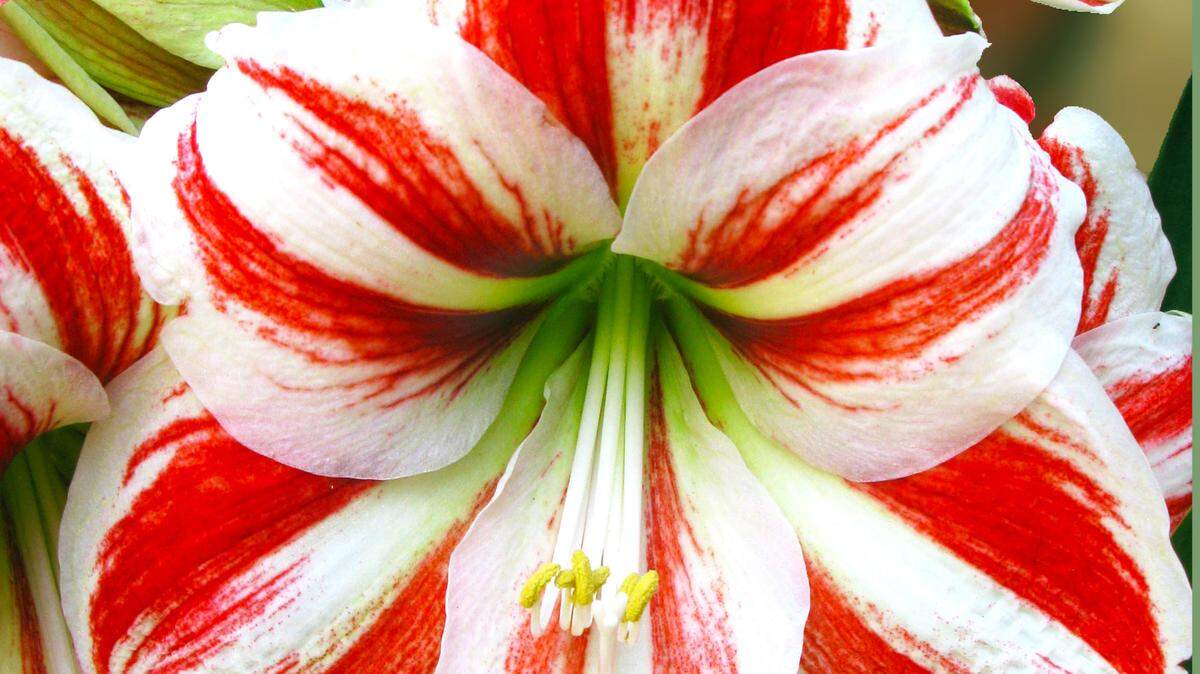
- “I’ve been given an amaryllis in bloom as a gift. Can I plant it into my garden once it’s through blooming?”
Yes, but the worry is in whether it will survive the winters. The types of amaryllis that we see in stores before Christmas are subtropical by nature. They are not as hardy to our cold as the red-flowering St. Joseph lilies. If you’re going to plant them into the ground, I would definitely do so in a protected location with morning sun and afternoon shade. Their leaves will die in the winter anyway, so I would pile shredded tree leaves over them each fall just to moderate the soil temperatures.
You could also leave your plant growing in its pot. Let it stay in the pot until springtime. Then, repot it into the next larger size of pot with fresh potting soil and grow it through the summer. By mid-September, lay the pot on its side for six weeks so that the plant will dry out. At that point, repot it again into the same pot with fresh potting soil. Water it and fertilize it to encourage new growth. That dry cycle is how they come into bloom in nature. That would allow you to bring the plant indoors for winter protection.
You can hear Neil Sperry on KLIF 570AM on Saturday afternoons 1-3 pm and on WBAP 820AM Sunday mornings 8-10 am. Join him at www.neilsperry.com and follow him on Facebook.