
As we begin to experience cold weather, make sure you know these winter terms
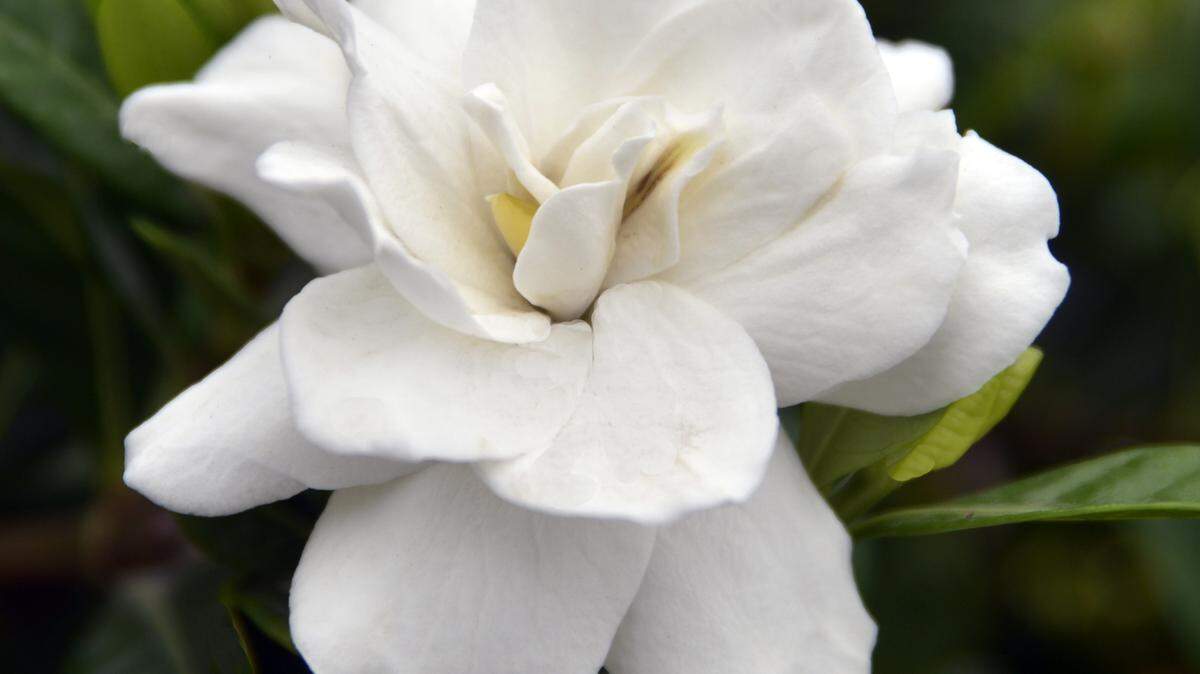
Now that we’ve had our first hard freeze here in North Central Texas, it’s time that we defined a few terms that you’re likely to encounter over the winter.
These are horticultural phrases that pour from the lips of gardeners, and it’s important that you know and understand them if you’re going to be successful in your plant-growing endeavors.
Hardy. This is the word we use to refer to plants that can be reasonably expected to survive average winter conditions in our part of America. Wherever you go in the United States or across the world, you will encounter plants that can survive the winter low temperatures in that area without problems. Those plants are said to be “winter-hardy”.
Hardiness Zones. Almost 100 years ago the United States Department of Agriculture (USDA) introduced a map showing the expected low temperatures of each county in the United States. It was based on historic measurements over an extended period of years.
Every 20 or 30 years since, as weather records have accumulated, the USDA Plant Hardiness Zone Map has been updated. Lines have been drawn to show 10-degree increments in a sort of “connect-the-dots” form across the country.
To speak on local terms, Zone 7 gardeners can expect temperatures to fall to between 0F and 10F on average one time per winter. Zone 8 falls into the 10F to 20F range. The 1990 map showed DFW to be in Zone 7. Due to warm winters the early part of the 2000s, the averages shifted up and put us into Zone 8, but my warning is that you should use Zone 8 plants with great caution. They may not be winter-hardy enough for long-term survival here.
One important thing to remember is that containerized plants such as large patio pots lose 15 or 20 degrees of winter hardiness when they’re kept above ground outdoors during the winter. That’s equivalent to two Hardiness Zones, and it happens because their roots are completely exposed to the freezing weather. Normally in our part of Texas the soil rarely freezes more than 1-2 inches deep, but for plants in pots it’s very different. Their entire root systems will freeze.
Hardened. This sounds like a redundant term with those just described, but it really is not. This refers to a plant that has become acclimated to increasingly cold conditions. It happens over several weeks in October and November as temperatures get progressively lower with each successive cold front. The same thing happens to people. By February, those 60-degree nights feel a lot better than they did back in September.
Plants that are well hardened have a much better chance of surviving cold winter weather. When we get an unusually early first freeze, and especially if it’s a very hard freeze down into the 20s, many of our normally hardy plants will not have become hardened. That’s why we see crape myrtles with dieback. They fail to leaf out normally come spring. They failed to acclimate before the cold hit.
Covering plants to protect them. It’s always difficult to see freezing weather kill your plants. Sometimes the first frost of fall will take out your summer crops. That may need to happen to make room for your winter color. However, if you were trying to buy time for just a few more weeks of color, or if you still had tomatoes and other vegetables that could be producing more harvests, you could protect them with floating row cover. That is a lightweight, gauze-like material that would gain you 6 to 8 degrees’ worth of help.
The same floating row cover can be placed over plants that are known to be tender in your part of Texas to protect them from extremely low temperatures in the winter. That’s not practical for large shrubs and trees, but you can certainly use it for low shrubs like gardenias, aspidistra or pittosporum.
Floating row covers can be left in place for weeks or even months. They allow water to penetrate, and your plants will get enough light to survive quite well. Be sure that you bring the fabric all the way down to the ground, and weight it down so that the wind won’t blow it away. Pin it at its seams, again to hold it in place. If you need to water your plants, stick a hose in under the side of the cover.
Planting and transplanting. I sometimes confuse people with my use of these terms. Most nursery people refer to “planting” as they picture selling a plant and the customer taking it home and planting it out of a container. “Transplanting,” by comparison, involves the actual cutting of roots of a plant growing in one location and the physical moving of the plant to a new location.
Planting from nursery containers can be done at any time during the year. Since the roots are left intact, the plant won’t even know that it’s been moved. Fall is an outstanding time for planting, since it gives the plant half a year to become established before the next summer arrives.
However, transplanting must be done while woody plants are dormant. That means mid-winter (late December, January or very early February). You don’t want to attempt it while the plant has active growth and is filled with leaves.
You can hear Neil Sperry on KLIF 570AM on Saturday afternoons 1-3 pm and on WBAP 820AM Sunday mornings 8-10 am. Join him at www.neilsperry.com and follow him on Facebook.