Gardeners have seen unbelievable changes in mums. Here’s how to care for them
Talk to a grandma who’s been gardening for several decades, and she’ll tell you she hardly recognizes the chrysanthemums she sees in garden centers today.
I grew up in Texas, and I’m a grandpa — same age bracket. Back in those days we never saw potted mums being sold in garden centers like they are today. They were passalong plants one gardener dug, divided, and handed off to another. That was done either in fall after they finished blooming or the following spring before vigorous new growth began. That was the 1950s and ‘60s, and our choices in flower sizes and plant forms for use in the landscape was really quite limited.
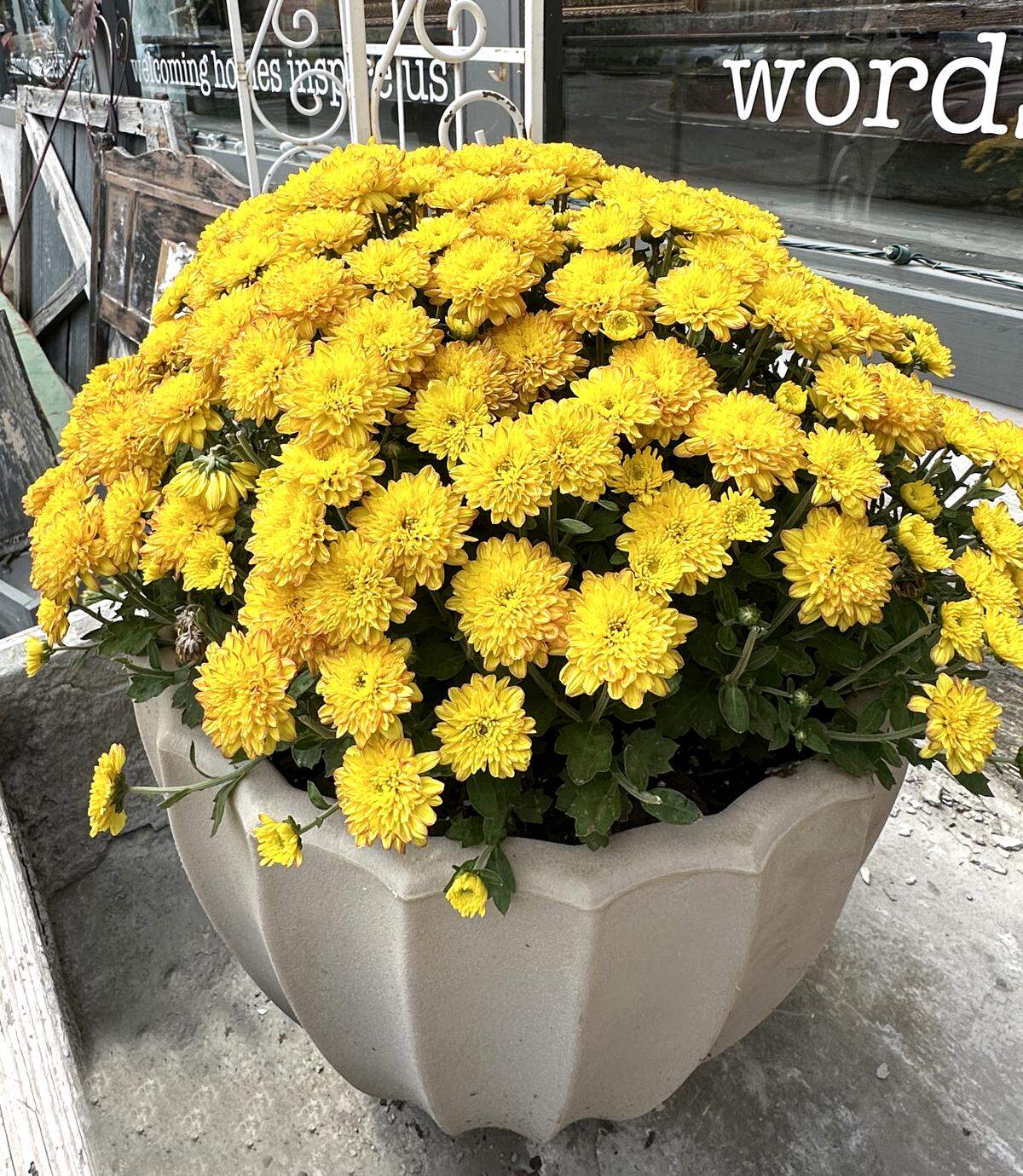
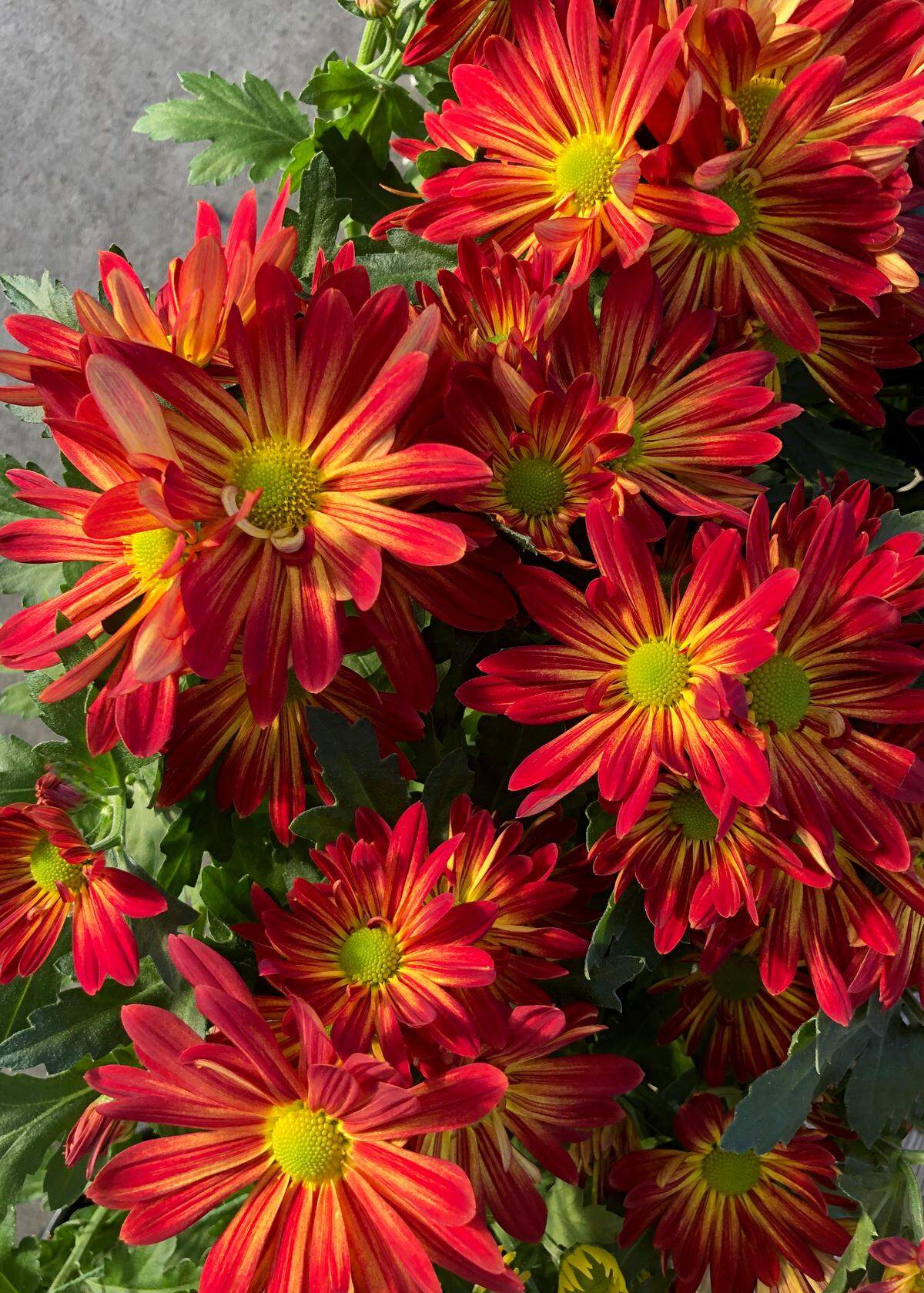
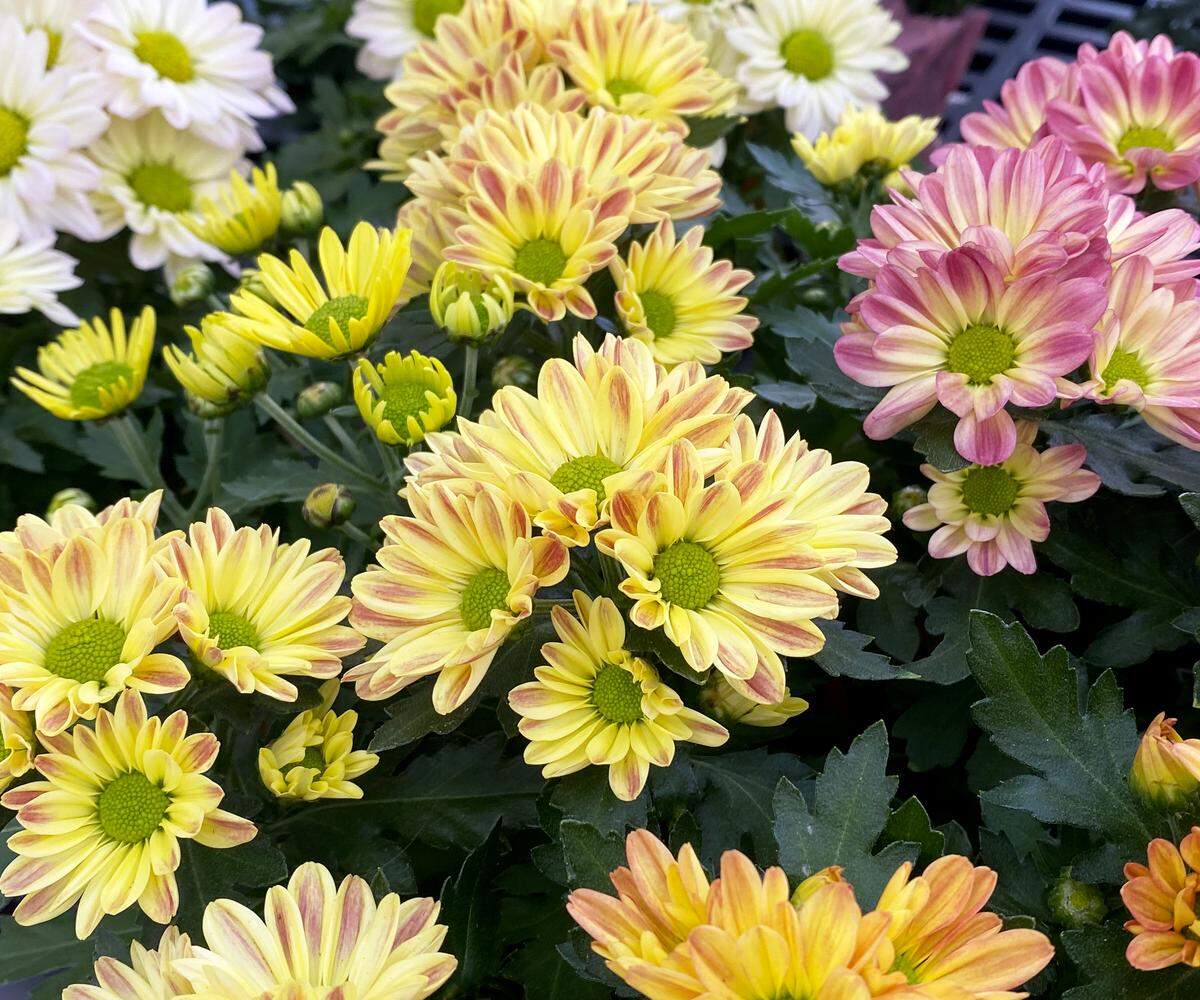
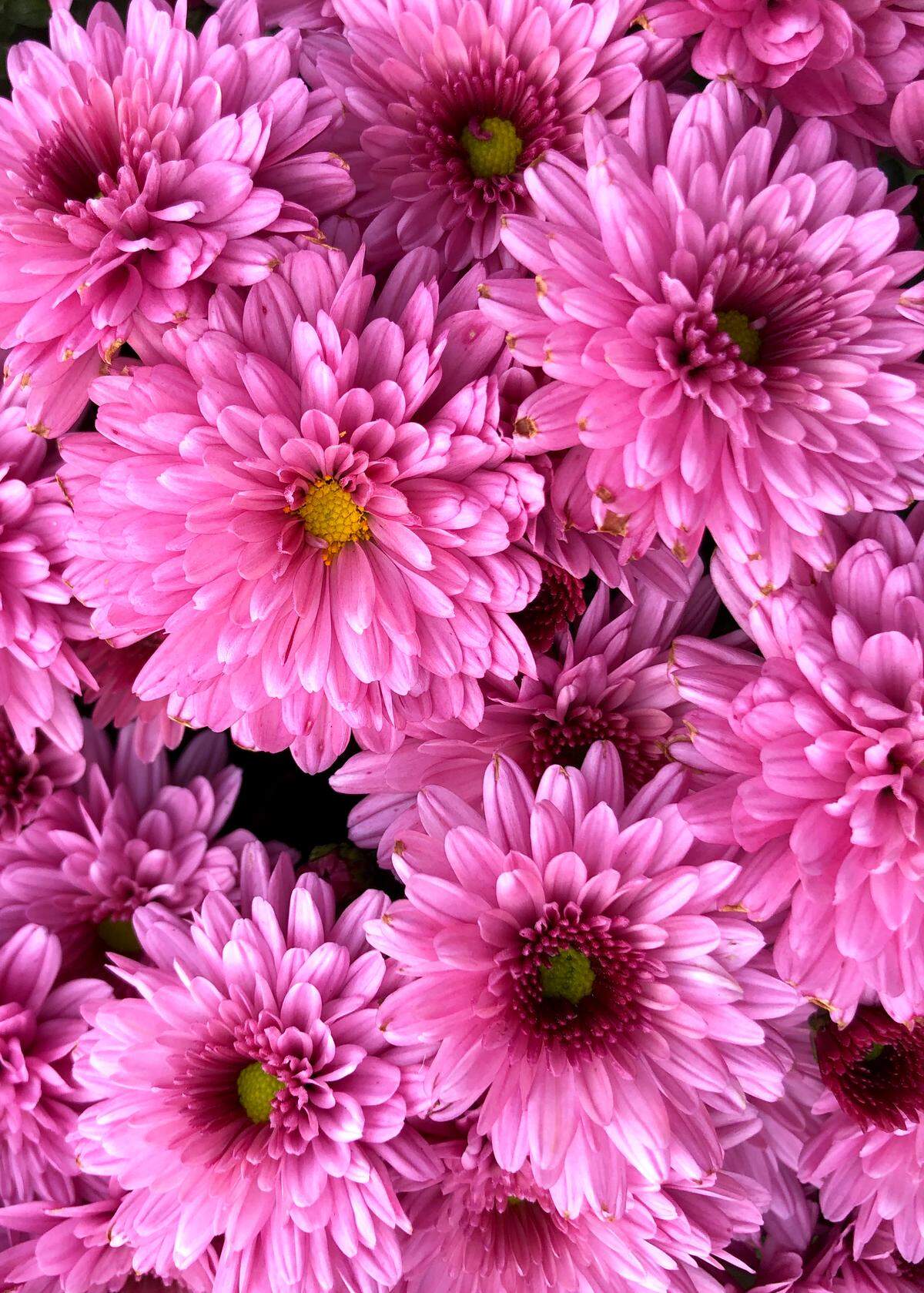
Oh, my goodness. Have you looked at what is out there in garden centers today? Look closely. There’s a dazzling array of “garden” mums alone. That’s beyond types that have been bred for growing in pots and those grown in benches and beds for cutflowers for floral design and large corsages.
If you really want to see what was available in your grandma’s day, search online for an old mailorder catalog selling chrysanthemum plants. A fun one I found that lets you turn pages to see what was available 75 years ago at Wonderland Nurseries just outside Richmond, Virginia. They sold rooted cuttings of hundreds of varieties, and you could buy as few as six plants for the bargain price of 75 cents total. Turn the pages digitally through this great old price list. You’ll enjoy comparing it to where we are now.
One of the first field trips my major professor at Ohio State took us on after I transferred from A&M up to Columbus was to Yoder Brothers in Barberton, outside Akron. At that time (mid-1960s), they were the leading producer of mum cuttings to growers. Their greenhouses were, as I recall, 600 feet long and 80 feet wide, and tiny mum cuttings filled every square foot. I’d never seen such sights.
That production soon shifted to Florida and California, also offshore, and large breeding programs were begun in Holland, Japan, England, and elsewhere in the U.S. These companies’ geneticists were crossing thousands of seedlings searching for unusual growth forms and flower colors, disease resistance, and other positive features.
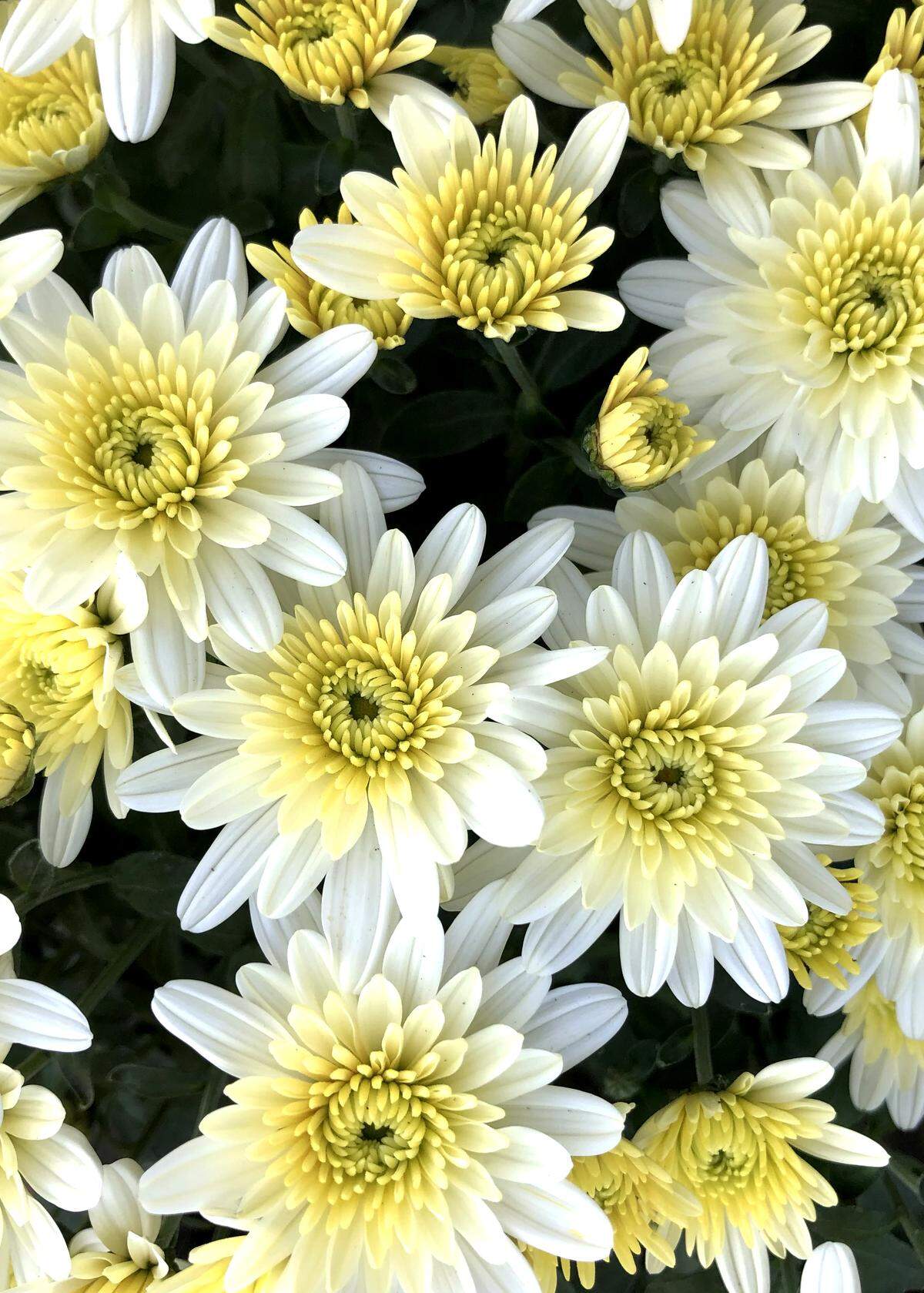
By the 1990s breeders were succeeding in developing richer reds and purples and unusual blends of colors by aggressive inter-varietal hybridization and irradiation to induce color mutations.
Since the mid-1990s breeders have been using sophisticated genetic markers to develop superior disease resistance and still more unusual colors. As an example, a Japanese group developed a true blue chrysanthemum eight years ago in their laboratories. The publication Science gave a fascinating account of how they accomplished the feat. There are complications, however, as the story points out.
Care of the garden mums you buy today
If you’re like the rest of us, you’re likely to find these beautiful mums irresistible in your local garden centers, plant shops, and other places where you find sources of autumn colors.
Buy a plant that’s in full bud and bloom. Ideally it will have 20% to 30% of its flowers still in bud form and none of its flowers already starting to fade.
You may be able to leave it in the same pot in which it was sold, but don’t be afraid to repot it into the next larger pot size. Use a loose, highly organic potting soil, and water the plant thoroughly after replanting it.
If you prefer to set your plants into beds, work several inches of organic matter into the soil to loosen our clays and keep it friable for several years. Sphagnum peat moss works well, as will well-rotted compost and shredded bark mulch.
Set the plants at the same depth at which they’ve been growing in their pots and water them thoroughly. You’ll want to watch their water needs carefully. If you let them wilt from being too dry, you’ll shorten their flowering life by days or weeks.
Once your plants have finished their bloom cycle, you’ll probably see small new shoots coming up around their stems. Those will be next year’s stems, so leave them in place. Trim this year’s stems back to 2-3 inches above the ground. They can serve to protect the new stems over the winter.
Keep your mums moist all through winter dry spells. Apply a 1-inch layer of compost, shredded tree leaves, or pine bark mulch to conserve moisture and discourage germination of weed seeds.
Chrysanthemum plants are completely winter hardy in our area. They will come back next spring to make nice clumps that will probably produce a few flowers in the spring because night lengths in the spring equate to night lengths in the fall. It’s the length of the dark period that triggers mums into flower.
Pinch out the plants’ growing tips one time in late spring each year. That will force them to produce side branches, and that will keep the plants more compact.