
From sprinklers to fertilizer, here are top questions from North Texas gardeners
It’s been a while since we addressed common questions that gardeners ask. I thought this time it might be interesting to address several that aren’t time sensitive. These are ones I hear frequently, yet they rarely justify making their ways into my weekly columns.
When and how can I transplant volunteer pecans that have come up in my flowerbeds?
Are you sure that you want to? Grafted “improved” varieties of pecans represent decades of research and in-field comparisons against other known varieties. If you plant seedlings you would be getting “native” pecans with no known attributes. Odds of getting a good tree would be very tiny. But the cost of maintaining the tree would be the same from the day that you plant it. It’s better, in my opinion, to invest in a grafted tree of a recommended variety like Caddo (disease-resistant), Desirable (been popular for more than 100 years), or Pawnee (widely recommended across North Texas).
If you do decide to transplant any of your volunteer seedlings, do it as soon as possible. They quickly develop deep roots. Use a sharpshooter spade to dig them before they’re 8-10 inches tall for best results. Winter is always the best time. Put stakes alongside them to protect them, and water them frequently to keep the loosened soil from drying out.
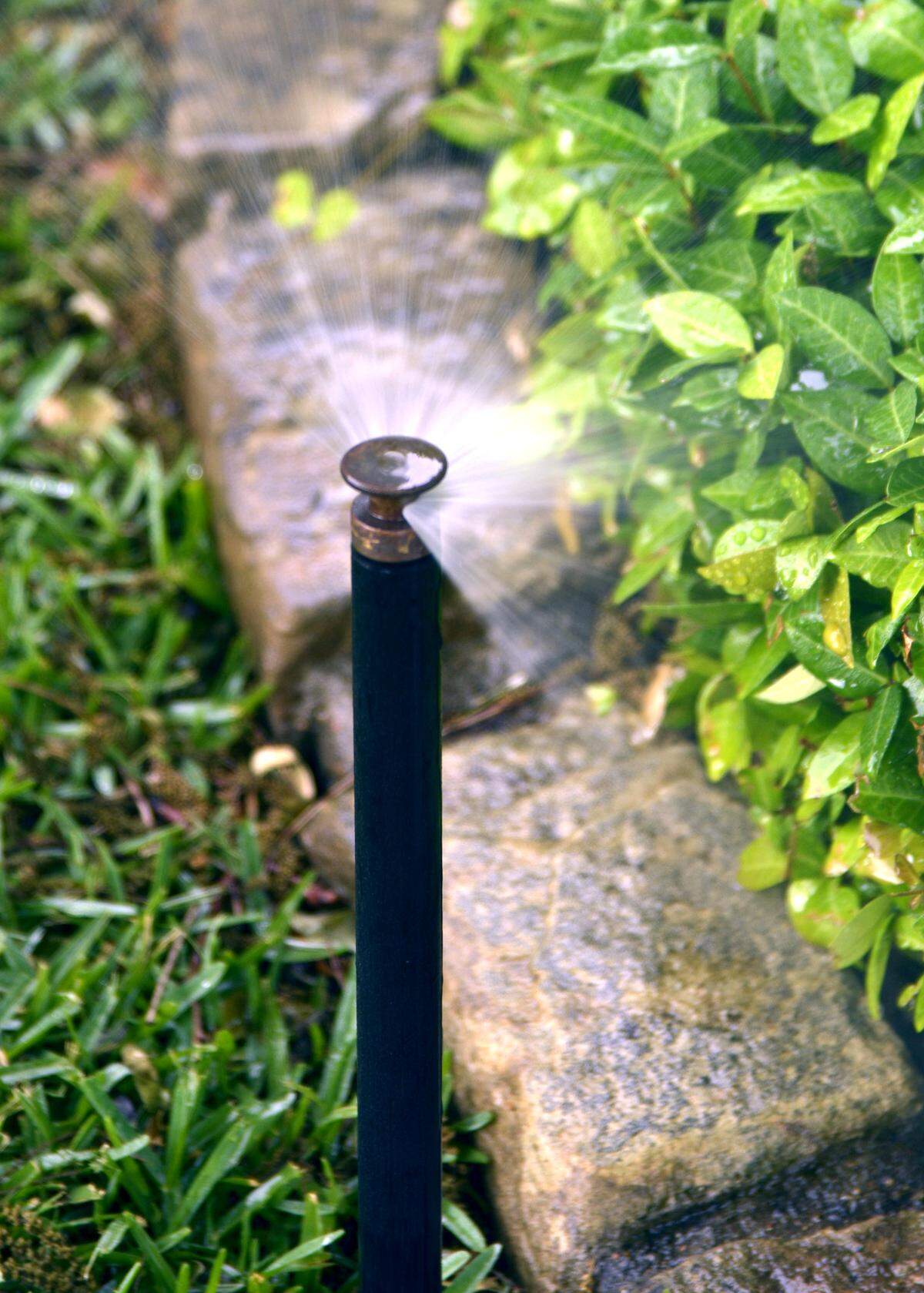
How often do I need to be running my sprinklers outdoors?
I actually addressed this a few weeks ago in my e-gardens free electronic newsletter (sign up at neilsperry.com). It’s the one question I really can’t answer without asking several other questions in return. What type of soil? What types of plants? How many years established? Sun or shade? Flat or slope? Temperature?
It’s possible that you might need to water new plantings every day or two in the hottest part of the summer, particularly small plants like grass seedlings or new annual transplants. Conversely, established shade trees can probably go two weeks or longer if necessary.
The better mindset is to learn to read your soils and your plants so that you can determine the proper timing. Don’t do it “by the calendar.”
When the time comes, what is the best way to protect my garden plants from the first freeze?
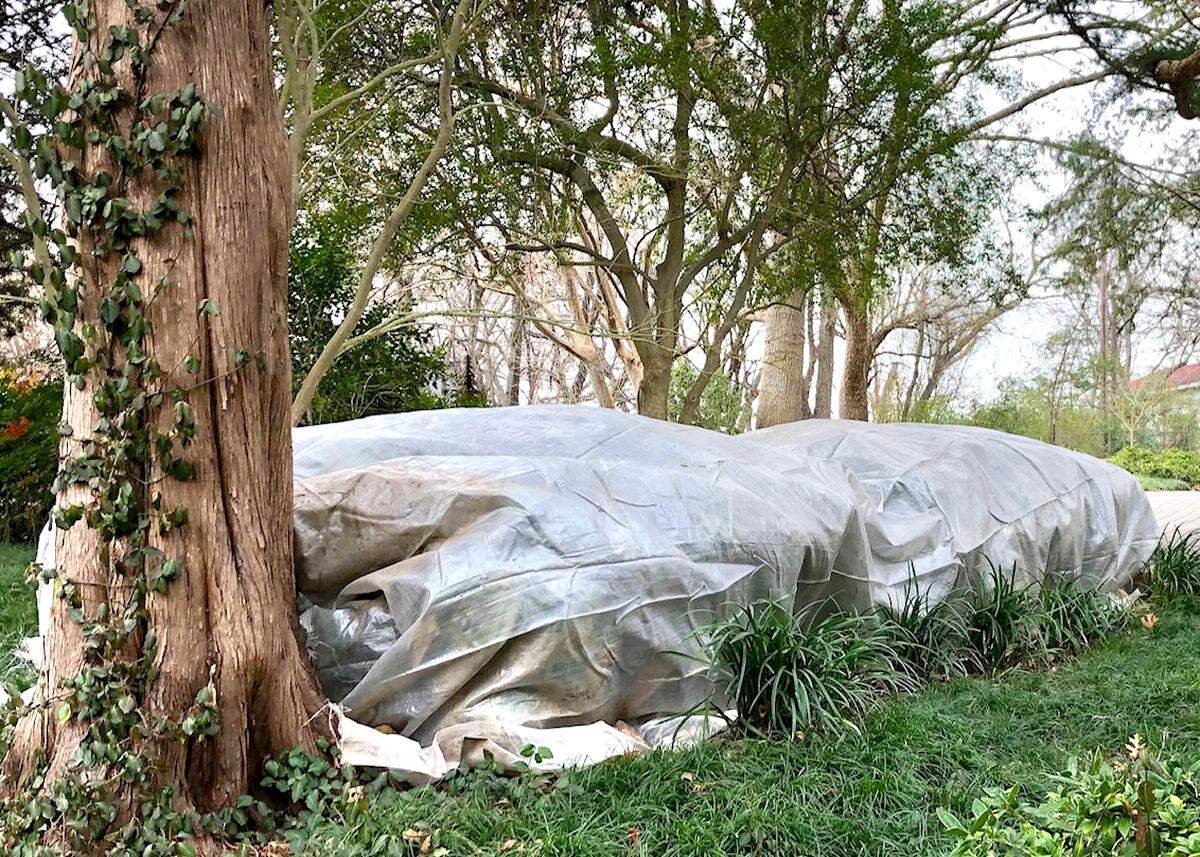
That’s a much simpler answer. Covering them with lightweight frost cloth will gain you 7 or 8 degrees of protection on cold nights. Cover the plants before temperatures drop below freezing. Pull the cloth down to the soil and weight it so it can’t blow loose. Be sure your plants are thoroughly watered before you cover them. The cloth can be left in place for weeks, even a couple of months if necessary. Do not cover plants with plastic.
Is there any time of the year when mowing the lawn higher will help it be stronger?
No. Mowing “high” encourages the grass to grow taller, and tall grass quickly becomes thin grass. Thin grass weakens so that weeds can get started. It’s also more exposed to sun’s drying rays and winter’s cold winds. Mow at the recommended height all year long.
What is the difference between a ‘winterizer’ fertilizer for my lawn and one I would have used in spring and summer?
Very likely, there will be no difference. Where soils are heavy clays (as in most of the Blackland Prairie), we have excesses of phosphorus (middle number of the 3-number fertilizer analysis) already in our soils.
The soil testing lab and scientists at Texas A&M highly recommend that we apply no more phosphorus to our soils — that we should apply “all-nitrogen fertilizers” every time we feed. That means the first number can be all over the map, but the middle number must be 0. The third number, potassium, isn’t critical. It may or may not be included in the fertilizer.
One more thing with the nitrogen: you want 30% to 40% of that nitrogen to be in “coated” or “encapsulated” form for timed release. That’s as opposed to ammonum sulfate (21-0-0) and other “junk” all-nitrogen foods you don’t want to be feeding good lawns.
How long do I need to leave the paper tree wrap around the trunk of my new red oak and maple trees? How about the stakes and guy cables?
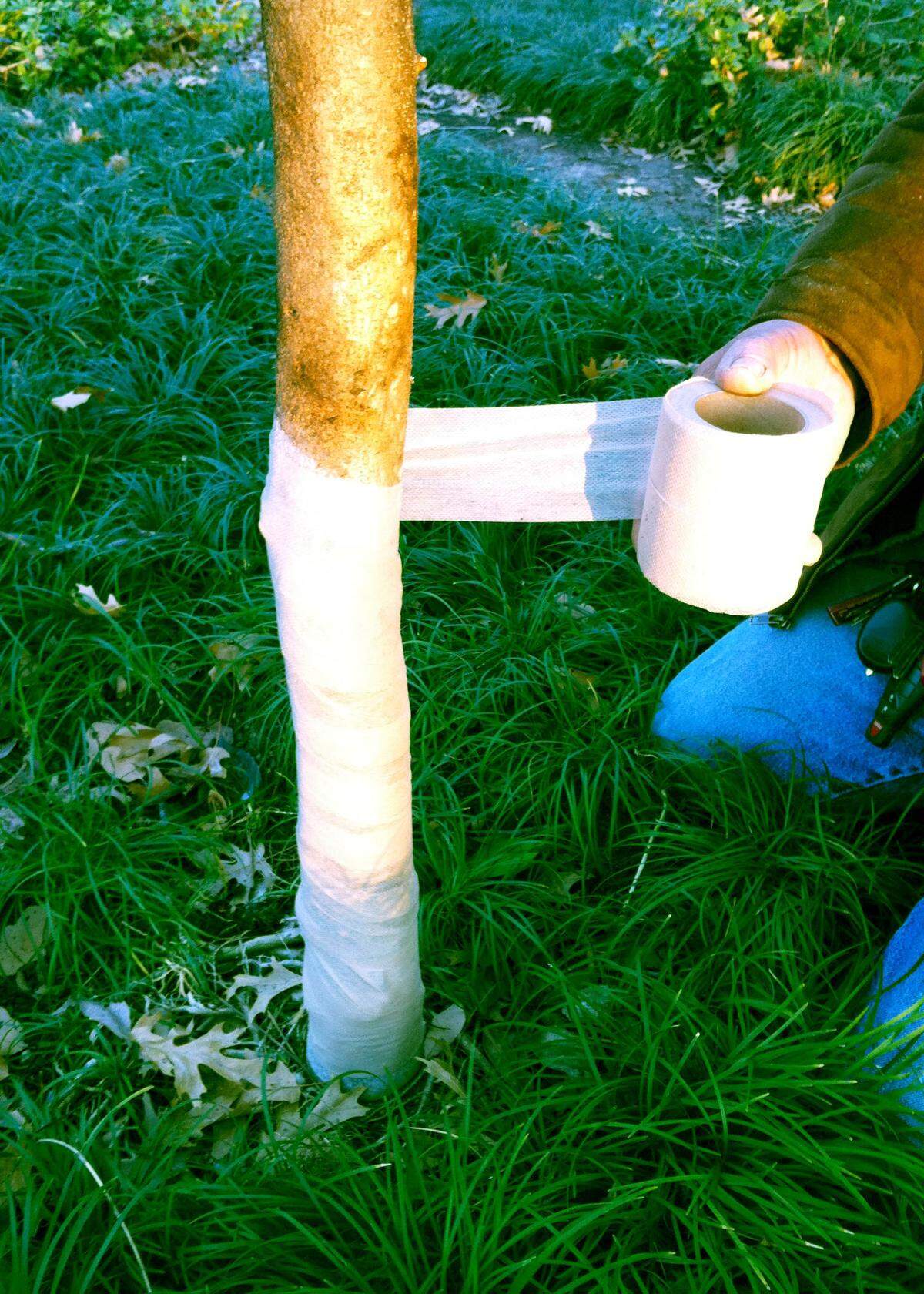
Usually through two full growing seasons. The tree wrap doesn’t hurt anything, so if in doubt, leave the trunk wrapped. As for the guy wires, just be sure they’re not “girdling” the branches and trunk and you can leave them as long as needed — until the root system is fully anchored and can support the top growth.
What is a good, practical size for a home hobby greenhouse?
Really? As large as local zoning and your budget will allow. I never saw a home hobby greenhouse that was large enough. Practically speaking, small volumes of air heat up too rapidly when sun hits them on cold mornings. I wouldn’t want to try to maintain a greenhouse less than 10 by 20 feet in size unless I had sophisticated cooling equipment. It’s easy enough to heat them. It’s hard to keep small greenhouses from getting really hot. I use 62% shade fabric over mine 12 months a year, but I’m not trying to grow tomatoes or flowering plants. I have a double-layered, inflated poly greenhouse for extra insulation. Run your greenhouse north and south so that you can have your washed air pads on the south and your exhaust fans on the north.
How far away from a house should a large shade tree be planted (red oak, live oak, cedar elm, pistachio, etc.)?
Those trees have different habits of growth. Shumard red oaks and Chinese pistachios are rounded, like big lollipops, at maturity. Cedar elms are upright-oval for many years, somewhat like an egg standing upright. And live oaks are also like an egg, just lying on its side. You also need to consider whether it’s a one- or two-story house and where the eaves are. All that said, the upright or rounded trees ought to be 16 to 20 feet from the house to prevent foundation and roof damage. Live oaks, by comparison, have lower limbs much closer to the ground. You’ll save yourself lots of trouble years down the road if you plant them 20 or 25 feet from concrete surfaces, walls, and rooftops.