
Winter is upon us. Here are your critical tasks for North Texas gardens and landscapes
That night of the first killing freeze has happened (or soon will) across all of North Central Texas. That officially plunges our gardens into the early days of the winter. In turn, that stirs up an entirely new list of things that must be accomplished if we’re to earn our stripes as successful plant-growing Texans. Let’s see what it entails.
▪ Tidy all beds of stubble and rubble. That would include spent flower stalks, seed heads, and old leaves. It might even include dead weeds. (Gasp!) Get it all cleaned up and top it off with a fresh layer of bark mulch, compost, or shredded leaves.
▪ Mow the lawn to remove the last of the fallen leaves. Use them in the compost pile or carefully place them over your perennial gardens or beneath shrubs in beds. Do not send them to the landfill. They’re valuable natural resources, and your city’s landfill doesn’t want them in the first place.
▪ Remove dead and damaged branches as quickly as possible. I’ve warned you before here: those branches are really heavy, and the time when they’ll break under their own weight is getting closer and closer. Don’t wait any longer. If you need to hire a certified arborist with the right tools to do the job safely, do so. Amateurs shouldn’t be climbing ladders with chain saws to climb trees that are dead and rotting. Something just doesn’t sound safe about all of that.
▪ Address winter weeds before it turns colder by January. Broadleafed weeds like clover, dandelions, henbit, chickweed, plantain and even thistles can be addressed with a broadleafed weedkiller spray containing 2,4-D while it’s still comparatively warm. There’s not much time left, however. Once it turns colder, you’ll have to wait until February, and by then the weeds will be much more mature and harder to kill. Read and follow label directions for best results, and spot-spray the weeds individually as much as possible. Tank sprayers are more precise and use less herbicide than hose-end types.
▪ Dormant-season transplanting can be done once your shrubs and trees have been exposed to at least one hard freeze (temperatures in the 20s). That generally happens by late December.
▪ If you’re noticing mistletoe clumps getting started on your trees, clip them out as soon as you can. They begin on small twigs initially, but as the mistletoe grows larger, so will the host branch. If you wait a couple of years, you’ll have major “surgery” to get it removed. There are no chemical sprays that consumers can use to kill mistletoe without risking the health of their trees.
▪ Peaches and plums are pruned while they are dormant. It’s usually best to wait until the second half of the winter, but if you have large numbers of trees and limited manpower you can start earlier. Your goal is to maintain them in a bowl shape by removing all strongly vertical growth. Ideally, they will have three or four strong scaffold branches equally spaced around the trunk, all originating 22 to 26 inches above ground level.
Apples are pruned less, primarily to remove strong vertical “watersprouts.” Pears should be pruned as little as possible, primarily just to remove damaged or dead branches or those that are rubbing against one another. Figs should not be pruned unless there are damaged branches. Blackberries are pruned after harvest. More on that at that time.
▪ Water your lawn and landscape during winter dry spells. The plants won’t need nearly as much water, nor will they need to be watered nearly as often, but two special precautions should be taken. Water deeply ahead of extreme cold. Plants need to be hydrated. And be sure that new plants aren’t allowed to get dry over the winter. They will dry out more quickly than their mature, established counterparts. Soak them once or twice weekly if it isn’t raining significantly.
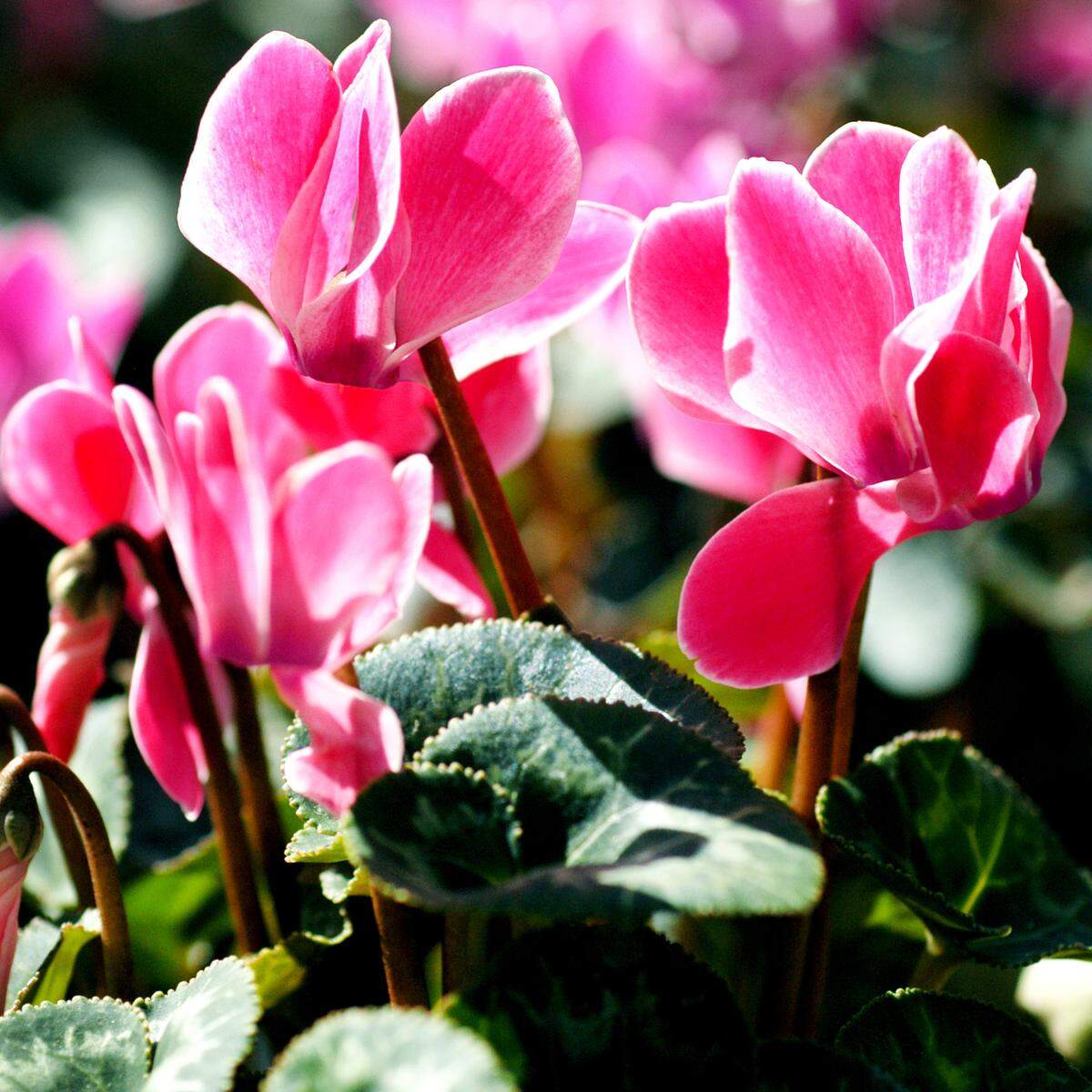
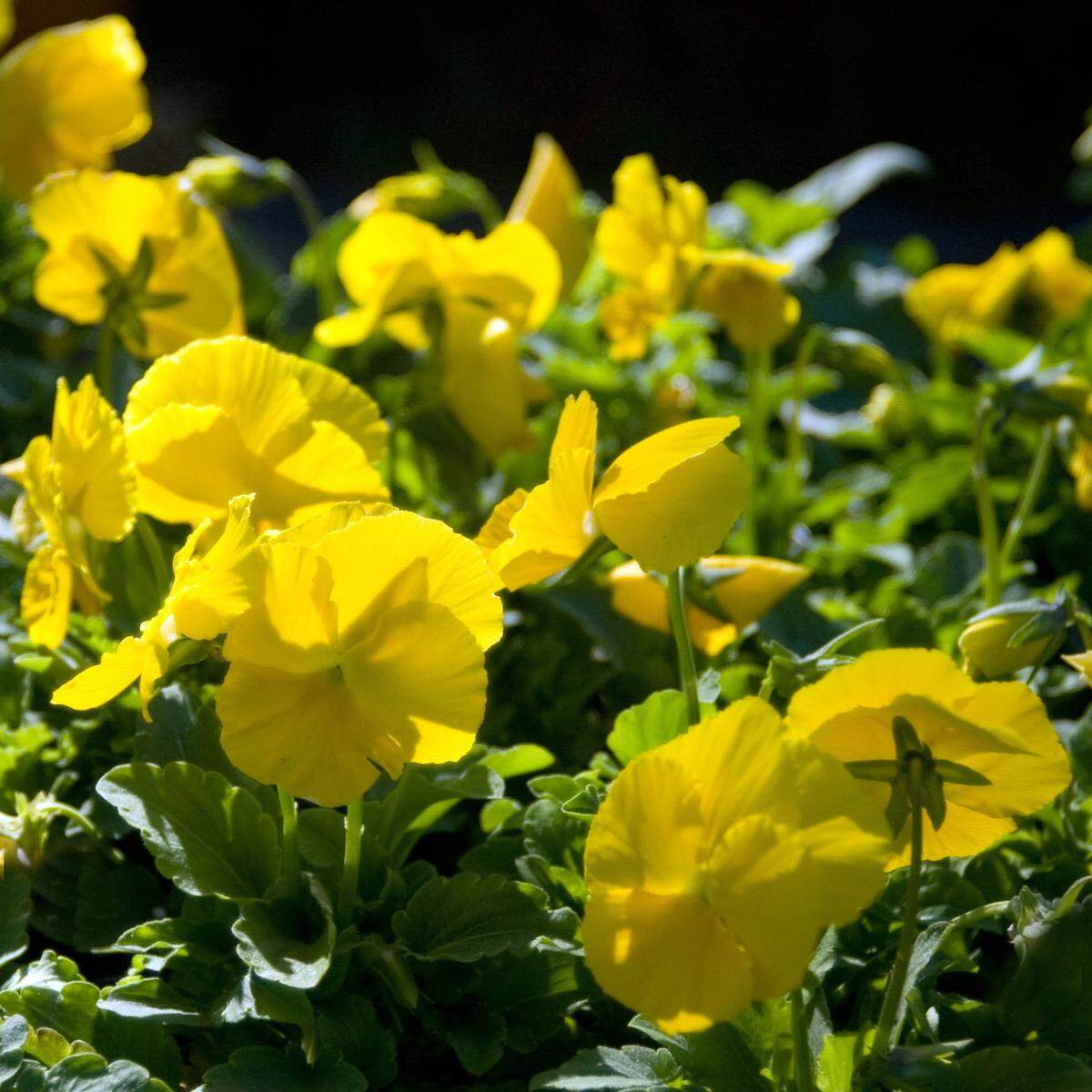
▪ If you’re looking to brighten an entry or patio, do it with container color. Pansies, violas, and pinks are our most cold-hardy plants for the area, but others will also succeed. Remember to protect the containers from extreme cold, however. You lose 10 to 20 degrees of hardiness when you grow plants above ground where their roots are exposed.
▪ Winter is the time to plant new fruit trees and vines, also pecan trees. The large growers are digging their plants during the winter dormant season. Many of the best sources still sell their plants bare-rooted (packed in moist sawdust or moss), so those must be planted as soon as possible after they are made available for sale. Local independent retail garden centers (as opposed to big national chains with regional buyers) are most likely to have the varieties recommended by Texas A&M for your specific part of Texas. Several excellent Texas-based mail-order sources are also available. Start by checking reference books and online listings from A&M regarding the best varieties for your locale.
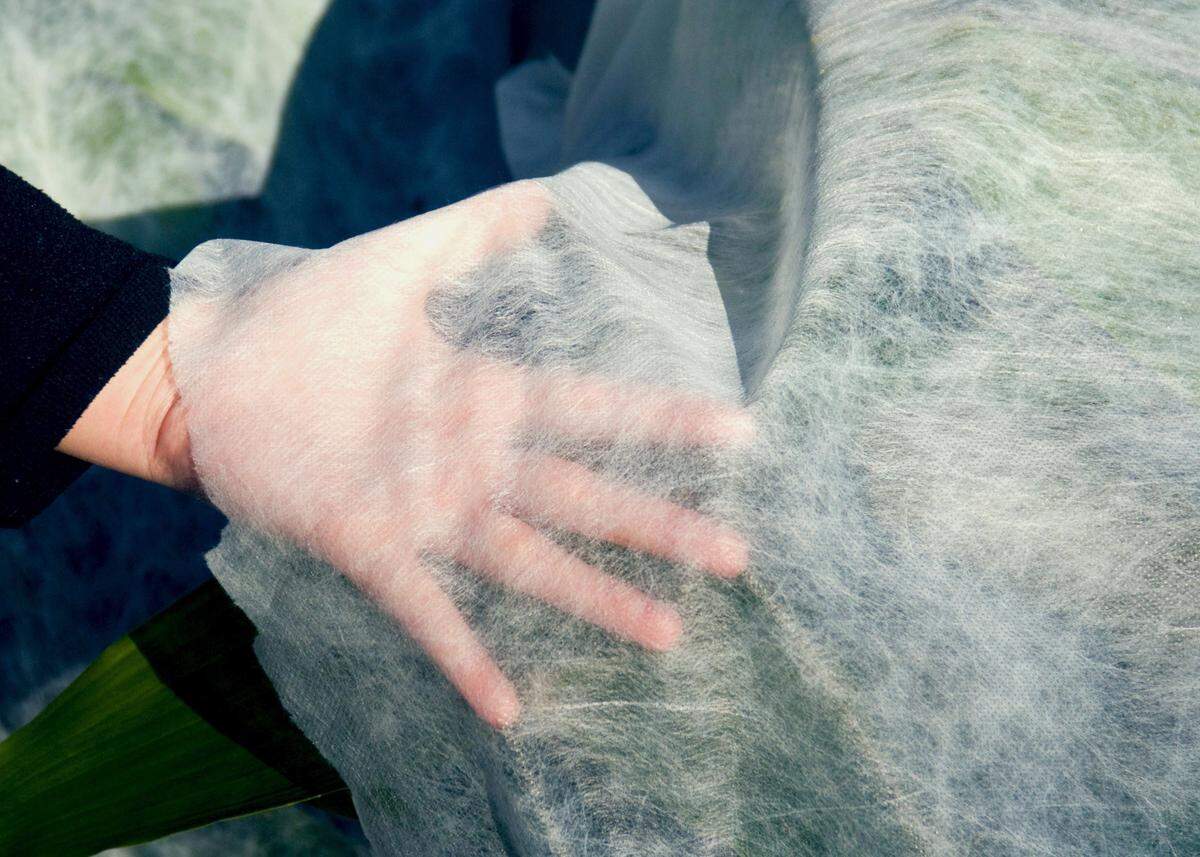
▪ Have frost cloth bought, cut to fit, marked, and stored, ready for use. I can’t tell you when you’ll need to apply it — not even which year. But I can tell you that you will eventually need it. There will come a cold spell when your most vulnerable species needs to be covered to keep them from freezing. That’s when you’ll be grateful for the lightweight, but bigger than life fabric that gives 6 to 10 degrees of difference in which plants survive all the cold. It’s a great investment that you can use several times over. It’s that durable.
This story was originally published December 6, 2024 at 5:00 AM.