
Try these plant combinations for vibrant fall color in your North Texas garden
Nothing perks up a tired room any faster than a vase of fresh flowers or a colorful potted plant in full bloom.
That same thing applies when you’re trying to spruce up your outdoors. Just the touch of a few containers or small pockets of color can feel like a coat of fresh paint. It brings zing back into your surroundings just at a time when you feel like things are shutting up for the winter. Here are some of the best candidates.
I’m going to start with one of my favorite photos I’ve ever taken. It just spoke to me in so many ways. One little lost plant of goldenrod proudly showing its head among a glorious big bed of Mexican bush salvia (Salvia leucantha). I drove past that bed daily for weeks and nobody ever told that one plant that it wasn’t welcome. (Thankfully, since it’s not the plant that causes fall allergies — ragweed) I suspect we all enjoyed it. The fact was, only one plant stood out and made a big statement. You can do that with just a little effort.
So on to the rest of the story. Containers bring a unique advantage to your fall decorating. Not only do they have their own inherent colors, but they also bring portability — the chance to move plants around as you need, so that they can be brought forward while they’re at their prime and moved back when they’re not. In many cases you can buy plants already grown and in flower, choose the pot that best matches your surroundings, then marry the two by repotting the plant into its new container. You’ll create an instant spot of beauty.
I like to consider the choices of colors, and I group my plants into two basic schemes: the rich tones of autumn (reds, yellows, oranges, and rust) and the jewel-like shades of purples and lavenders. As you’re potting up your new containers you can mix or match your colors according to your tastes and the sizes of the new pots.
Golds, yellows, oranges and reds ...
These are the plants I’d lean on first if I wanted colors in these shades.
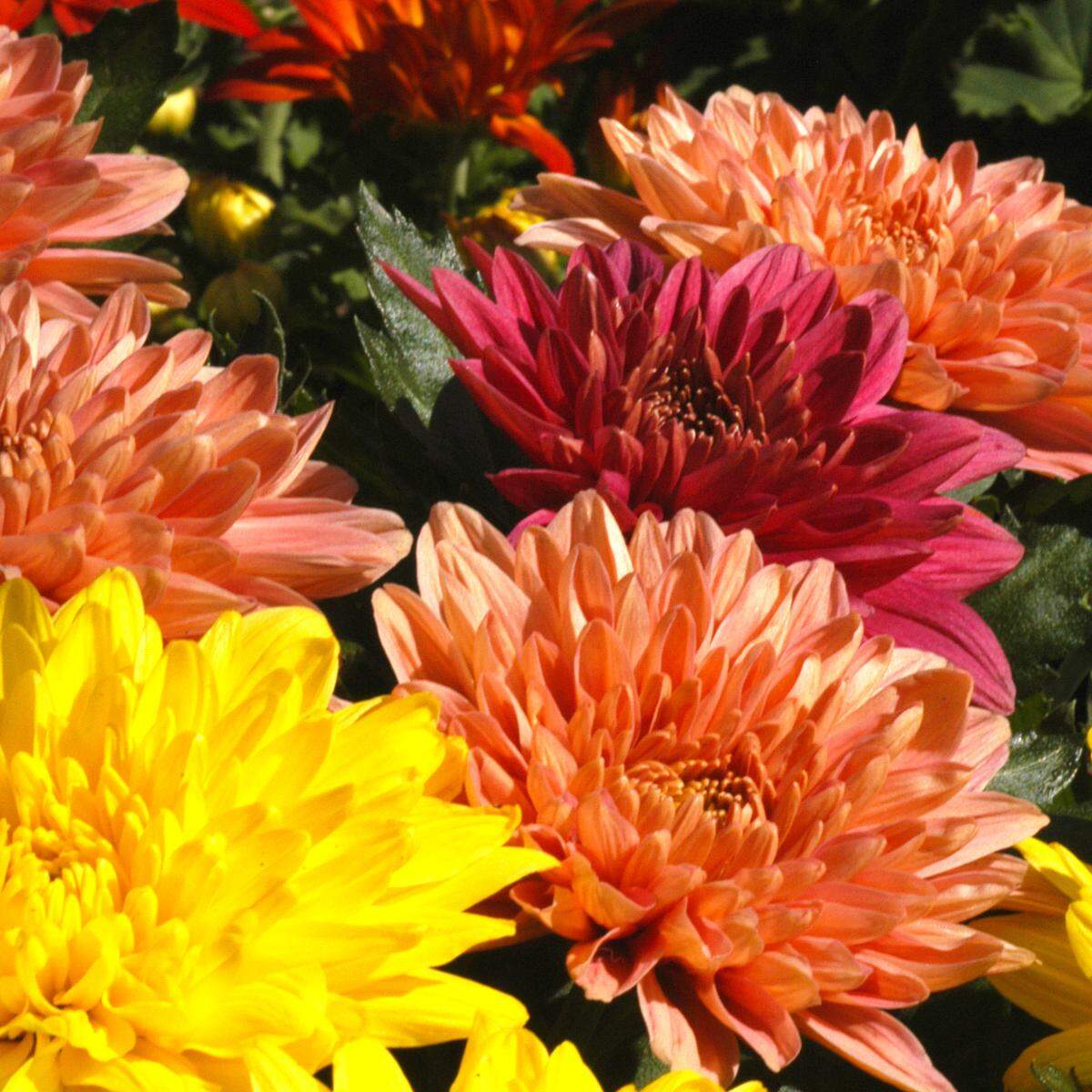
Chrysanthemums. There is an endless array of colors and flower styles. The ones you’ll find in nurseries are labeled as “garden mums.” They’ve been selected for having scores of smaller blooms massed across mounding plants. Descriptively, the old-fashioned name for these early-blooming types was “cushion” mums.
Gold Star Esperanza. You really want to buy this one earlier in the season so you can enjoy it all summer. Its tubular flowers are buttery yellow, and this cultivar selected by Greg Grant keeps blooming all summer long.
Crotons. These have become the symbols of autumn. They don’t bloom, but their foliage sets a landscape on fire. If you have a bright window, you can even keep them through the winter.
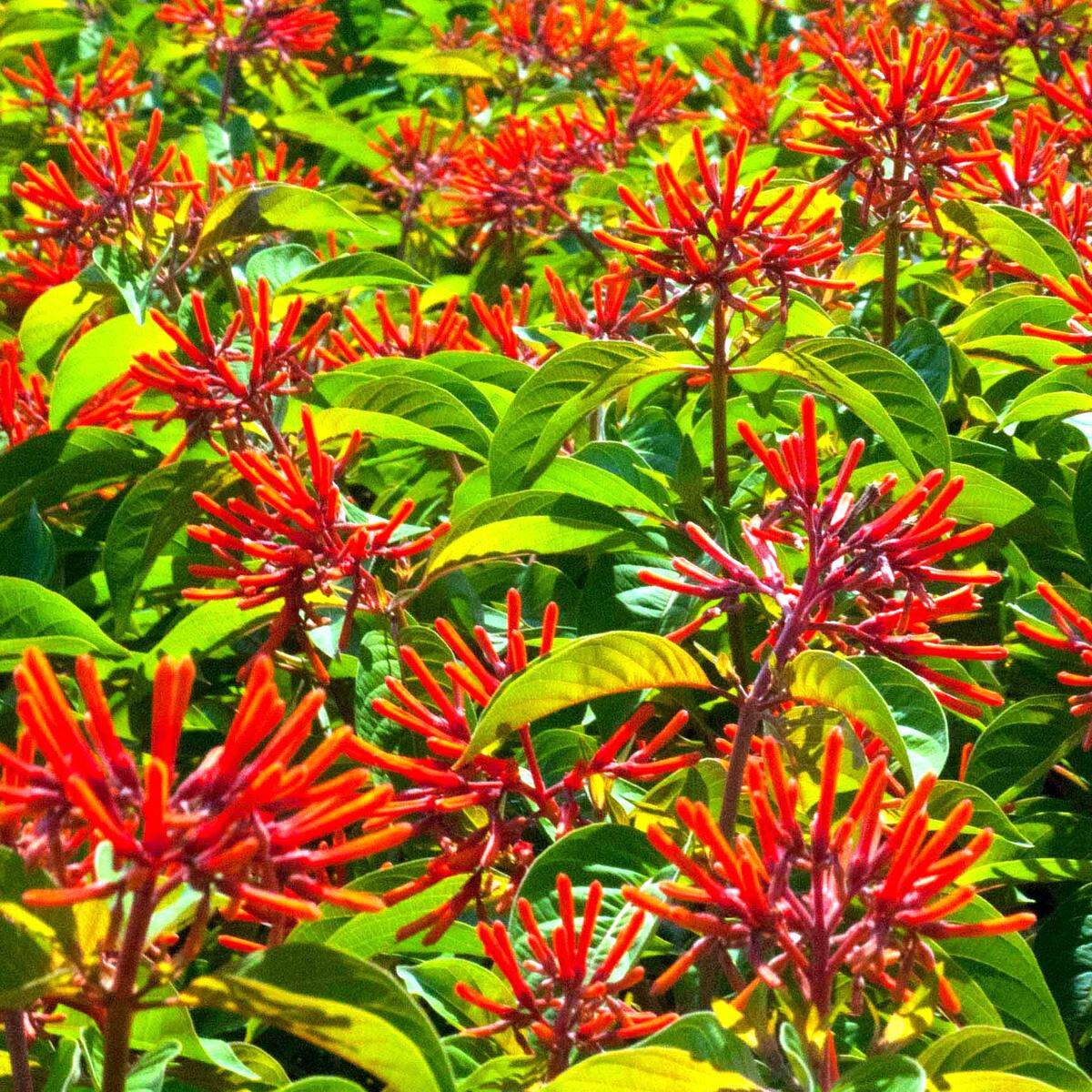
Firebush. This is another plant found by Greg Grant and brought to the Texas nursery trade. It blooms all season, but in fall its leaves turn a coppery-red to match the tubular flowers that drive hummingbirds wild.
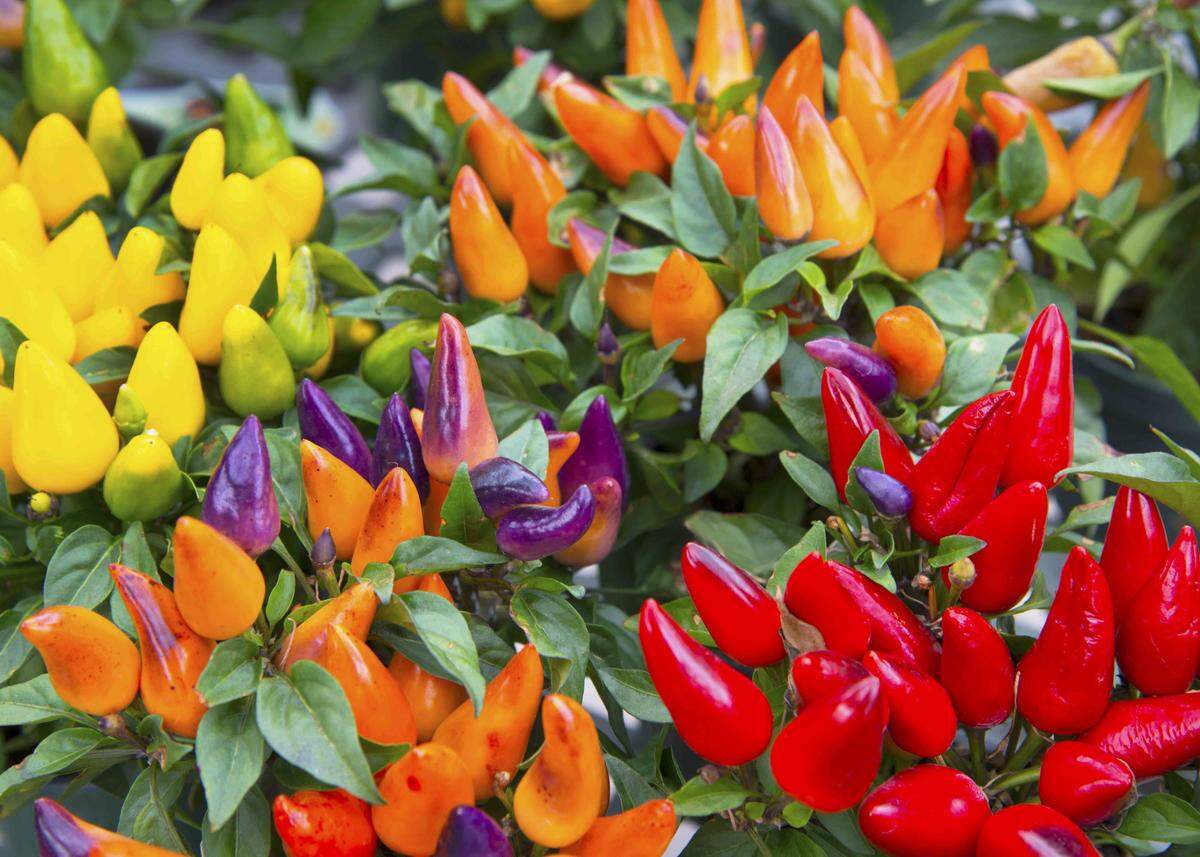
Ornamental peppers. Imagine this — a plant you grow for the color in its fruit. These little peppers are gorgeous, and they keep producing peppers right up to first freeze. They’re perfect mixed in with flowering and foliage plants in large patio pots.
Marigolds and zinnias. Growers have come a long way in bringing us shorter types that bloom much more compactly. And their colors will have double the intensity that you’re used to when they open in fall’s cooler temperatures.
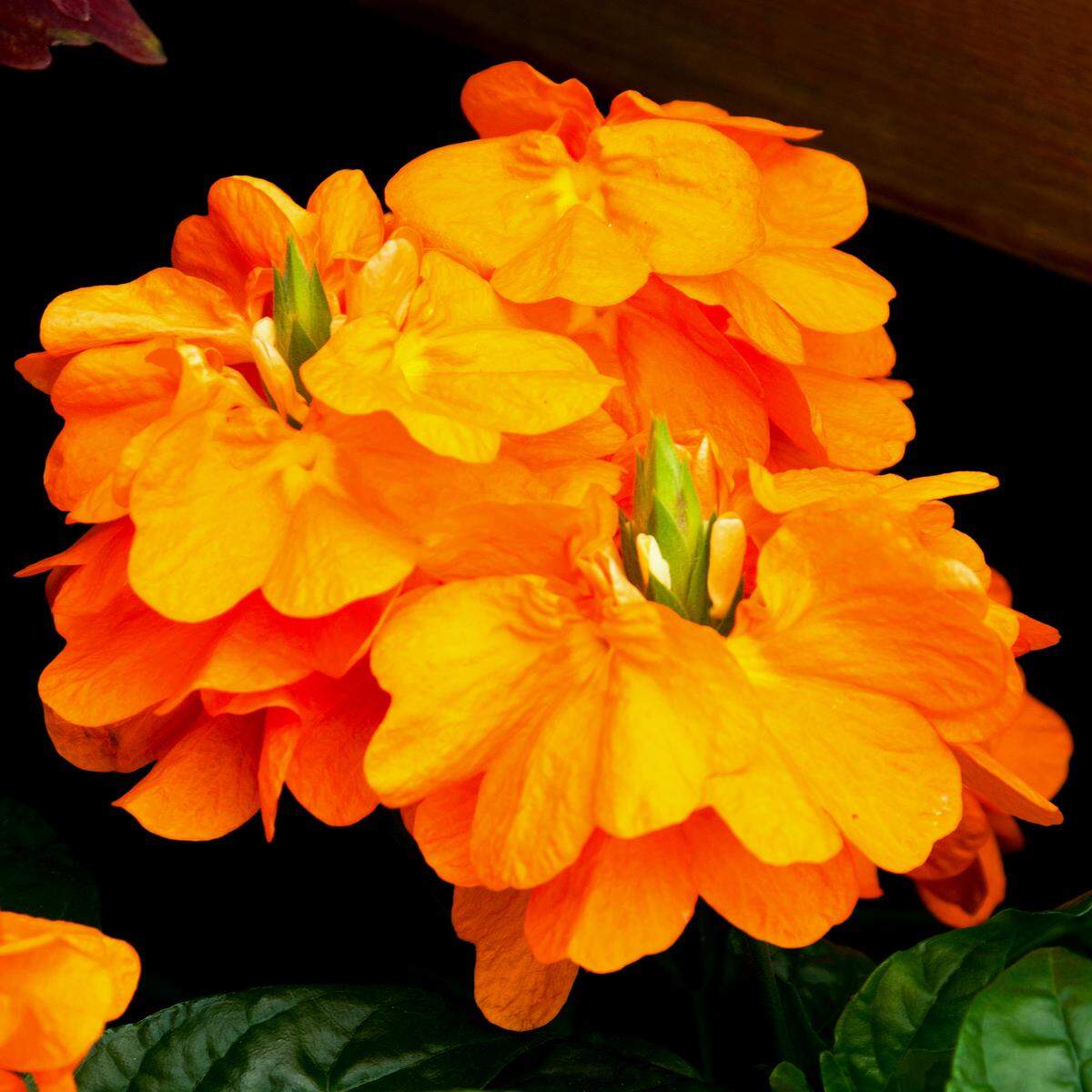
Crossandra and kalachoes. These are two little flowering potted plants that will bloom for many weeks if they’re placed on an entryway or patio table and tended lovingly. Crossandras are the color of orange sherbet. Kalanchoes are, too, but they also are found in many other shades including a lovely fall yellow.
Purples and lavenders ...
If you’re into these shades, here are some of the best.
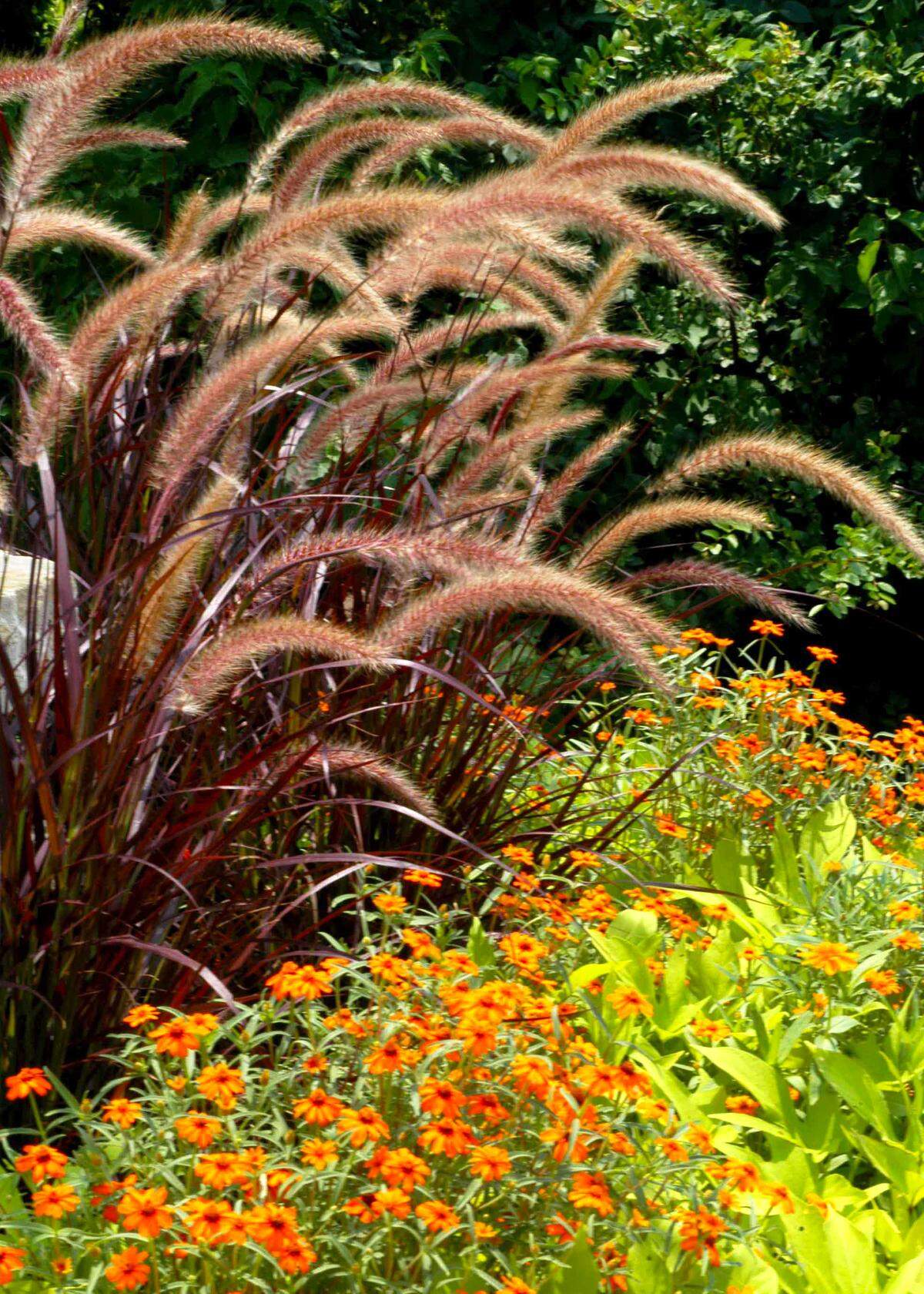
Purple fountaingrass. It’s an annual grass, so you’ll have to replant it each year, but it’s so pretty you probably won’t mind. It grows to 18 to 24 inches tall when blooming, so it’s perfect as the center spire in a large patio pot or as the backdrop in a garden bed.
Pentas. These have been available in nurseries since spring, and hopefully you’ll still be able to find some to fit into your fall color plantings. They come in a wide array of colors, so choose what looks best to your eye.
Chrysanthemums. Second mention for this great group. There’s nothing any prettier than a lush planting or purple mums. Lavender is lovely as well. Wait ‘til you see what’s in store for you in nurseries right now.
Ornamental peppers. Another encore performer. There are types that have purple foliage and purple fruit.
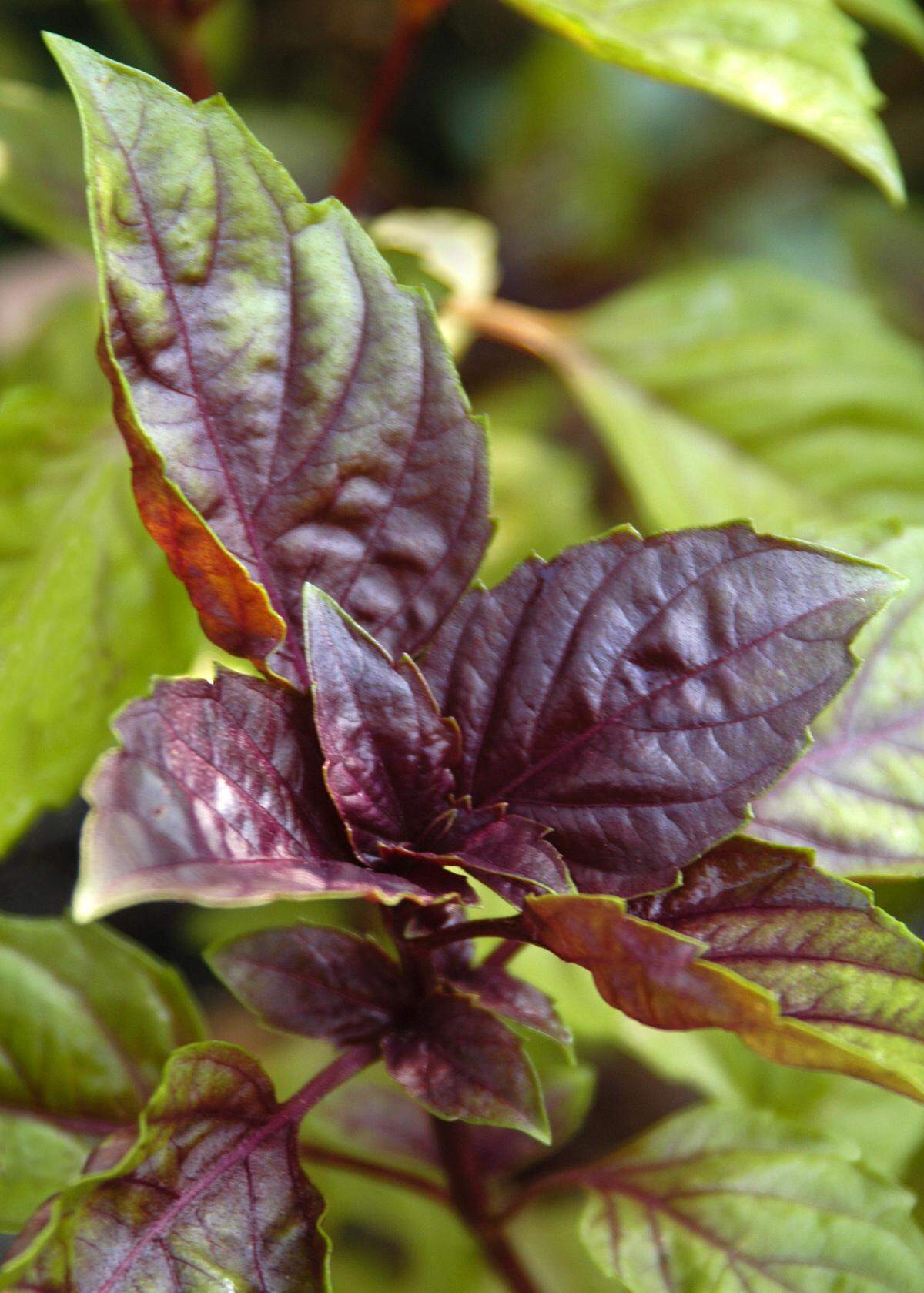
Purple basil. Here’s a great two-way plant. You can love looking at it, but you can also love it at the dinner table. There are several types of purple-leafed basils, both standard and dwarf sizes. Note that they are very sensitive to frosts.
Purpleheart. There’s more of this being planted as a perennial groundcover now than ever before. It grows well in full sun and comes back every spring. That’s from a plant that looks like a tropical houseplant.
Hyacinth bean. It’s too late to plant this lovely vine once grown by Thomas Jefferson at Monticello, but if you see it this fall, locate a seed source for planting next spring.
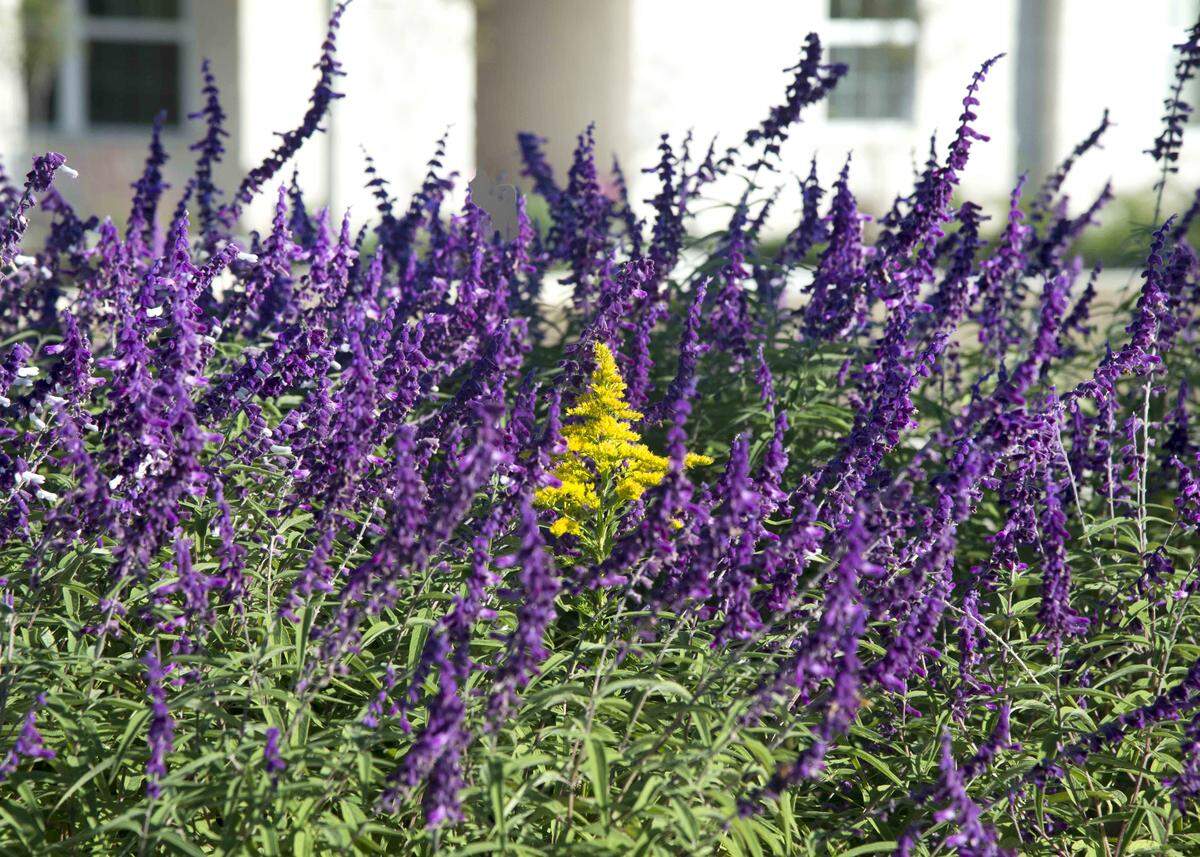
Mexican bush salvia. I end where we started — the perennial salvia that surrounded that lovely little goldenrod plant. This is another Texas native that deserves a home at your place. It’s another great fall bloomer.