
Fall is the perfect time to remodel your North Texas landscape
There are a lot of reasons my wife and I are unusual. For one, we’ve been married a long time — to each other. And we don’t move much. We’ve lived in the same house for 48 years. Nobody does that anymore. We built our house, and we’ve added onto it as we needed. We’ve remodeled where we wanted.
Outside, my landscaping has gone through the same sorts of evolutions. I remember when we bought our small rural acreage that I couldn’t wait to start planting trees and cutting out brush. I had dreams of a large landscape. I was going to be the country gentleman out riding my mower tending the grounds.
Well, I did lots of that, and fortunately I kept things fairly simple, because now it’s a lot harder to tend anything more than just the basic landscape that surrounds our house and driveway up to the county road. I hire someone else to mow the acreage, and I satisfy myself with plantings closer in, where I can enjoy them without taking hikes into those woods.
Our needs in our landscapes change as our families change. Kids grow up and the backyard play area shifts to a place for a small greenhouse or herb garden. In my case, a sandbox turned into a raised flower and herb garden, then it was replaced with flowering shrubs.
Trees grow larger and do what trees do — they cast wonderful shade. We love that shade. It cools our house, and it makes summers tolerable when we want to go outside and rest and relax.
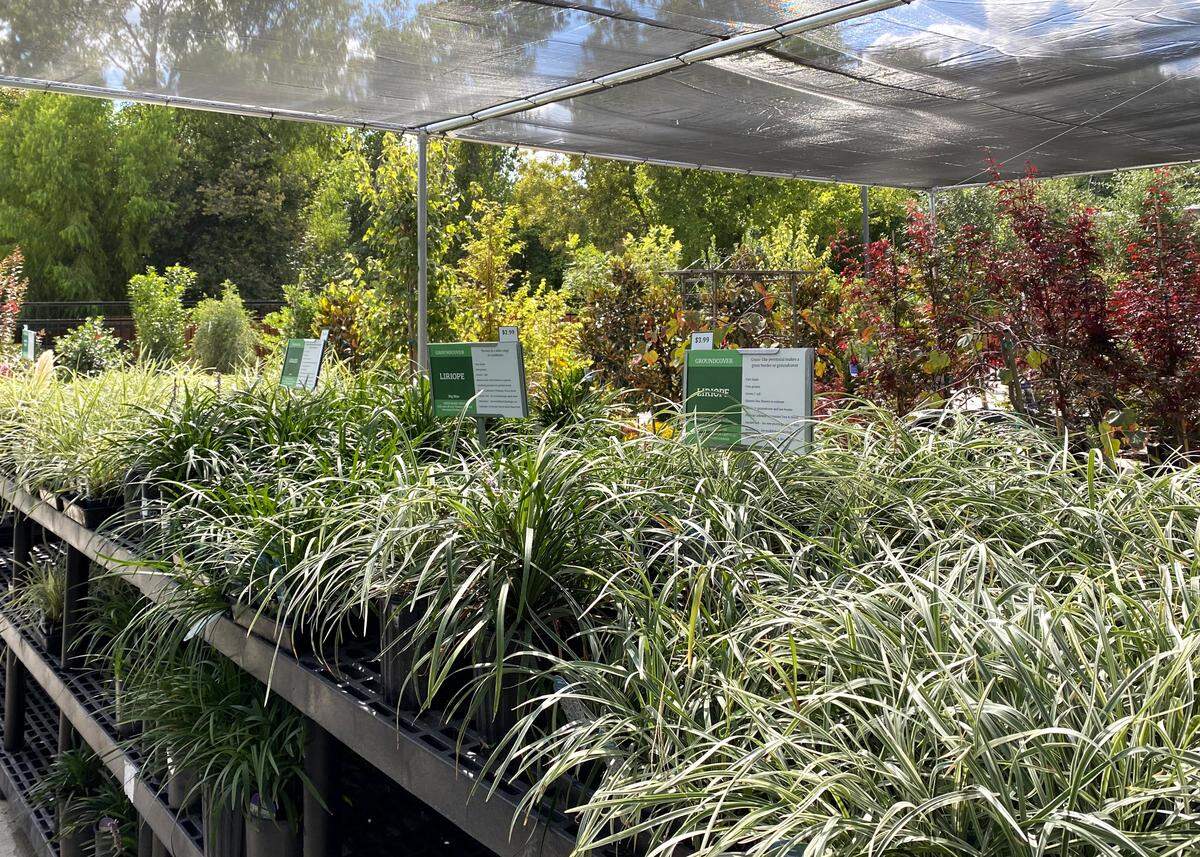
But our lawns aren’t so keen with all that shade. First, the bermudagrass gives way. It needs full or almost full sun to thrive, and our trees certainly don’t allow that. So, we plant St. Augustine. We know it’s more tolerant of shade. But eventually even it starts to thin out. So, most of us have our trees trimmed and thinned. But eventually we grow weary of that look, and the grass still isn’t happy. Nor is the HOA, I might add. So, we turn to shade-tolerant groundcovers like mondograss, liriope, English ivy, or purple wintercreeper euonymus. (Regular mondograss is the best.) That’s all part of the evolution of lawns.
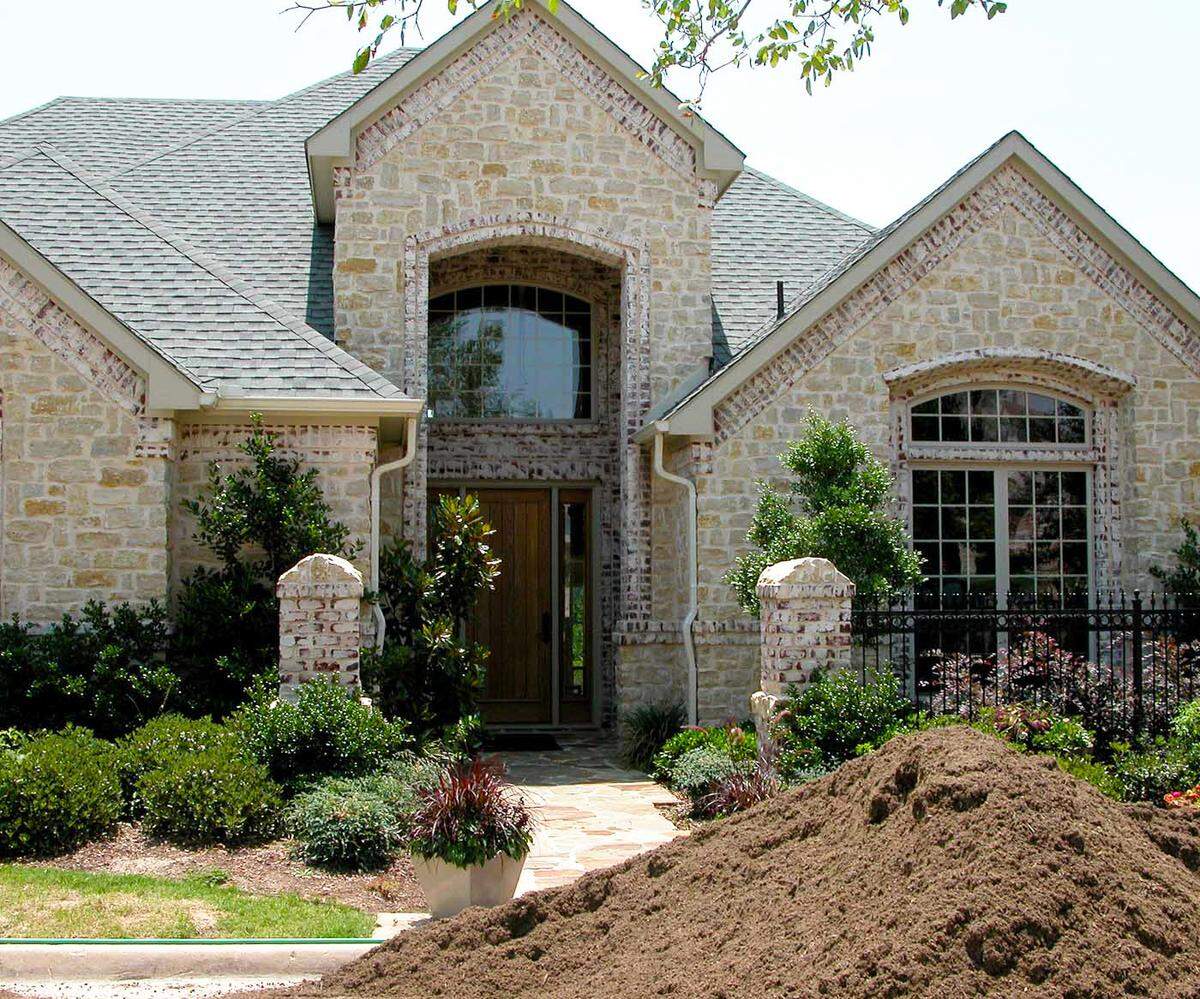
Then there are shrubs. We plant what we’re told are the best choices across the front of our house. They do very well for 15 or 20 years, but then we get this uncomfortable feeling that they’re beginning to creep up over the windows. Or, they’re getting thin at their bases because we’ve been pruning them too short for too many years. Or, a disease is starting to cause all their leaves to drop (Entomosporium leaf spot on Indian hawthorns and redtip photinias as examples). Or, we’re just tired of the way they look stretched out tightly from left to right like some kind of green rubber band straight across the foundation of our house.
Those are the times we finally decide, sometimes after several years of anguishing consideration, to take them all out and replace them all with new plants in a completely new design. One nurseryman I knew once referred to that as “remodeling” the landscape. I thought that was the perfect term. We old-timers no longer have linoleum countertops and asbestos siding. I did when I was a kid (my job was cutting the siding) — how much we have learned. We remodeled, and that stuff got hauled away.
All that said, there are several trends of the past 10 or 15 years that can’t go away fast enough for my taste. I’ve been honest so far in my story, so why should I stop now?
Top of the list, as you’ve seen me write before here, is total reliance on ornamental grasses. These are not landscaping shrubs. They shouldn’t be used in places where shrubs would be more appropriate. They’re perennial plants that, in some cases, may only last a few years. Lindheimer’s muhly grass lasts the longest, and it’s very attractive, but not in a massed planting. Use it — and other ornamental grasses — as accents.
“Native plants” are not the final answer to North Texas landscapes. If a tree or shrub is native to our area, then it might be one of your best options. But cottonwoods and hackberries are native here and they’re not good landscaping trees. Live oaks, Shumard red oaks, Chinquapin oaks, bur oaks, cedar elms, pecans, and eastern redcedars are your best bets from the native trees.
As for native shrubs, that list is quite short (yaupon hollies, possumhaw hollies, and rusty blackhaw viburnums — what am I missing?). Something native to the Piney Woods of East Texas probably isn’t suited to our alkaline black clay soils of the Metroplex. Texas sage (Ceniza) is native to Southwest Texas around and southwest of San Antonio. It has struggles with some of our winters. Cacti and succulents from West Texas can’t handle our heavy soils during wet spells in spring and fall. All those plants are not native here for a reason. What you want to ask your Texas Certified Nursery Professional is whether a plant is perfectly adapted to your part of Texas. That’s what matters most.
Fall is a great time to re-do your landscape. Nurseries are well stocked, and their plants are full and lovely. You still have six or seven weeks to do your planning. Things set out in early to mid-fall will be well rooted by the time next summer rolls around, and that’s a really good thing.
This is your chance to get back to the basics and work out a low-maintenance, low-stress garden design. Happy landscaping!