
August is a critical time for lawn care in North Texas. What to do right now
Good lawns mean a lot in the resale values of homes, and in the ways we can enjoy them until time to sell rolls around.
That said, let’s look at things you need to be doing in the next several weeks for your lawn. These are simple things, but they’re also time sensitive, so put them down on your list of things you need to get done.
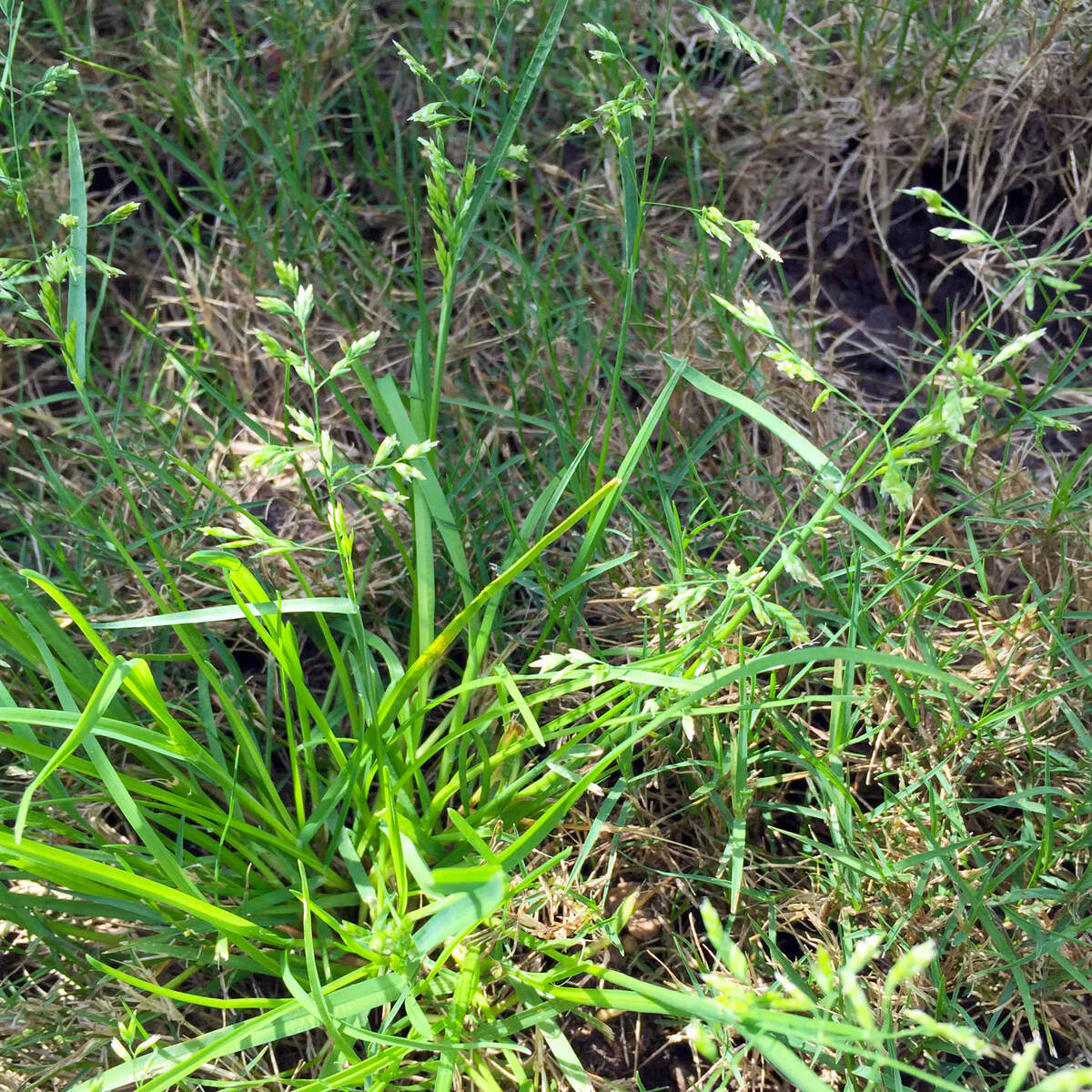
For established lawns
Keep mowing the grass at the same height, right up to frost. Letting grass grow tall does nothing to improve its heat or drought durability. Whoever came up with that concept wasn’t paying attention. Tall grass thins out as it grows. And, as it thins, weeds start to move in. They compete for water and sunlight, and bad things start to happen.
Our “warm-season” grasses (St. Augustine and bermuda) produce runners to cover the ground, and if the grasses are allowed to grow tall, runner production almost stops. Keep the grass low and dense and all that energy will be used to produce runners instead.
Water deeply when you irrigate, then wait until the top inch of soil is beginning to dry before you soak the soil again. Watering on that kind of cycle encourages your turf to produce deeper roots. Those deeper roots will seek out the deeper water, and that will protect the grass in those dry times when curtailments or forgetfulness cause you to go an extra few days between waterings.
Use a high-quality fertilizer each time that you feed your lawn. Unless you have an unusual set of circumstances, a soil test will probably indicate that you would need an all-nitrogen food with 30 percent to 40 percent of that nitrogen in slow-release form. You can fertilize bermudagrass turf at any time if it’s been eight or 10 weeks since last you fed it.
St. Augustine lawns can be fertilized after Labor Day. A disease called gray leaf spot is exacerbated by high temperatures and nitrogen, so it’s best not to feed between mid-June and early September. Most gardeners fertilize St. Augustine too heavily anyway. The same food described earlier would be ideal for St. Augustine as well.
If you have nutsedge (nutgrass) in your lawn, the time to treat for it is this weekend. The leading consumer product is called Image (in its original form that was developed specifically for nutsedge). The manufacturer recommends two applications 30 days apart, with the second treatment being made no later than mid-September. That means your first treatment of Image should be made no later than mid-August.
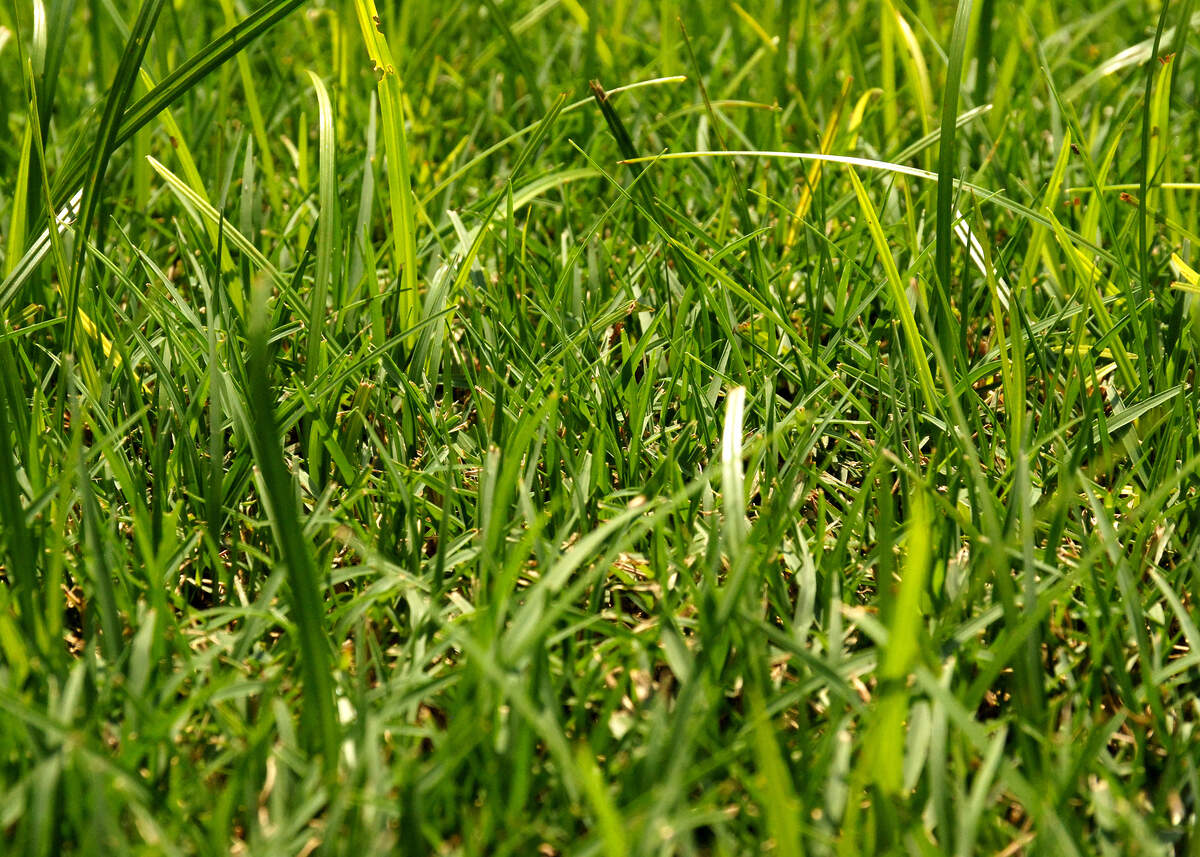
Note that Image works slowly. You water it into the soil deeply after applying it. It must be taken in through the roots and carried through the plants in order to kill them. You will notice that it disappears gradually.
There is another product called Sedgehammer. It is used more by commercial applicators. They report good results with it, and it does require only one treatment the first time around. With either Image or Sedgehammer, follow-up treatments may be needed next season.
If winter and early-spring grassy weeds have been hallmarks of your lawn in past years, mark your calendar to apply pre-emergent granules (Dimension, Halts, or Balan) the first two weeks of September. The culprits: rescuegrass, ryegrass, and annual bluegrass (Poa annua).
All of these will start to germinate when temperatures drop into the low 60s for the first time when accompanied by fall rains. That usually happens by mid-September, although in recent years late-summer droughts have pushed the dates back. That’s why I’ve adjusted my recommended treatment dates back (later) by five to seven days. There is nothing wrong with being a few days too early. You just don’t want to be too late. Once weeds have germinated, you’ve blown it.
Apply your granules. Water moderately. Sit back and enjoy a lawn that will have far fewer, if any, grassy weeds this winter.
Any non-grassy weeds (broadleafed weeds) that show up can be easily dispatched with a spray of a broadleafed weedkiller containing 2, 4-D herbicide once they’re up and growing in November. Or, if they’ve been a serious problem in past winters and early springs, there is a pre-emergent herbicide that’s directed specifically at them. It’s called Gallery. It’s more expensive than spraying with the 2, 4-D product I mentioned, but in certain cases, it may be preferable.
If you’re planting new grass this summer...
Bermuda seed needs to be planted as soon as possible in order to develop deep roots before winter. Believe it or not, soils will begin cooling in six or seven weeks.
Similarly, St. Augustine sod should be planted now. It’s not as hardy to extreme cold, so you want to get it well rooted before winter. Be sure you’re getting fresh sod dug late the afternoon before, and plant it immediately.
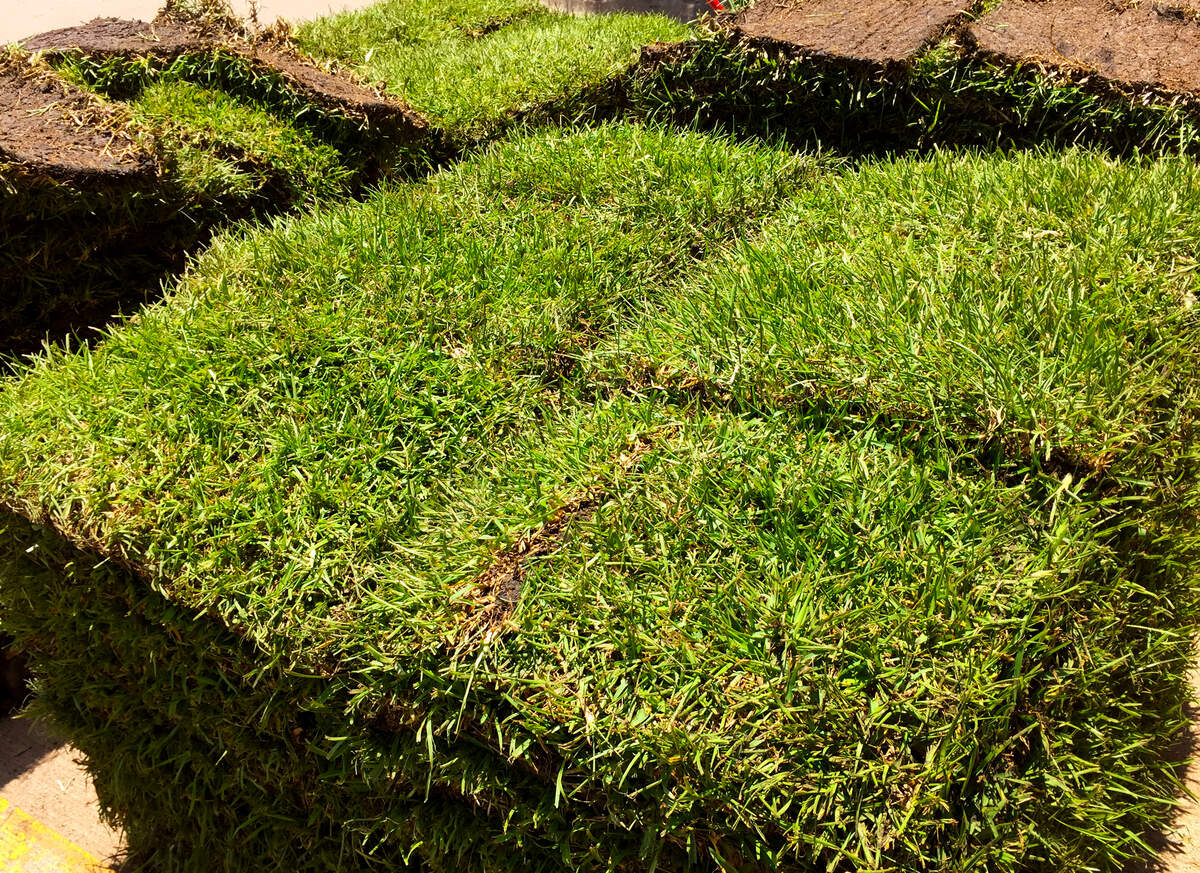
Zoysia and bermuda sod can be planted into early September. New sod, as well as bermuda seedings, must be made onto lightly tilled and raked soil. Rototill to a depth of 2 inches, then use your garden rake turned upside-down to smooth the grade to drain away from your home. Try not to cut tracks into the tilled soil as you plant.
Water the new grass immediately after planting, then twice daily lightly (five to eight minutes) so the soil will not dry out before the grass can establish its new roots. After a couple of weeks, you can go to daily waterings, then every other day, then twice weekly, then as needed.
Mow as soon as the grass has grown enough to need it. After the second mowing, fertilize with the same all-nitrogen food at half the recommended rate and water deeply.
If you intend to overseed your lawn with it for winter green turf this year, that planting should be made in mid-September. However, for obvious reasons, do not apply pre-emergent weedkiller this season.
This story was originally published August 15, 2025 at 4:50 AM.