
Take care of these critical tasks during the busiest gardening time in North Texas
As I looked at a couple of landscapes and gardens this week I realized how much there is to get done. I started a list, and I’m going to share it with you now. Mid-April is certainly the busiest time of the entire gardening year. Here are your reminders for the next week or two.
Plant …
▪ Shade trees. Choose types that are of highest quality, regardless of speed of growth. Fast-growing trees all have one or more fatal flaw. Best types locally include Shumard red oaks, Chinquapin oaks, bur oaks, live oaks, cedar elms, pecans, magnolias and Chinese pistachios.
▪ Turfgrass. Bermuda, St. Augustine and zoysia from sod or plugs. Bermuda from seed, but it would be better to wait two more weeks for the soil to warm more to plant bermuda seed. Beware of “miracle” grasses advertised as growing where other grasses fail.
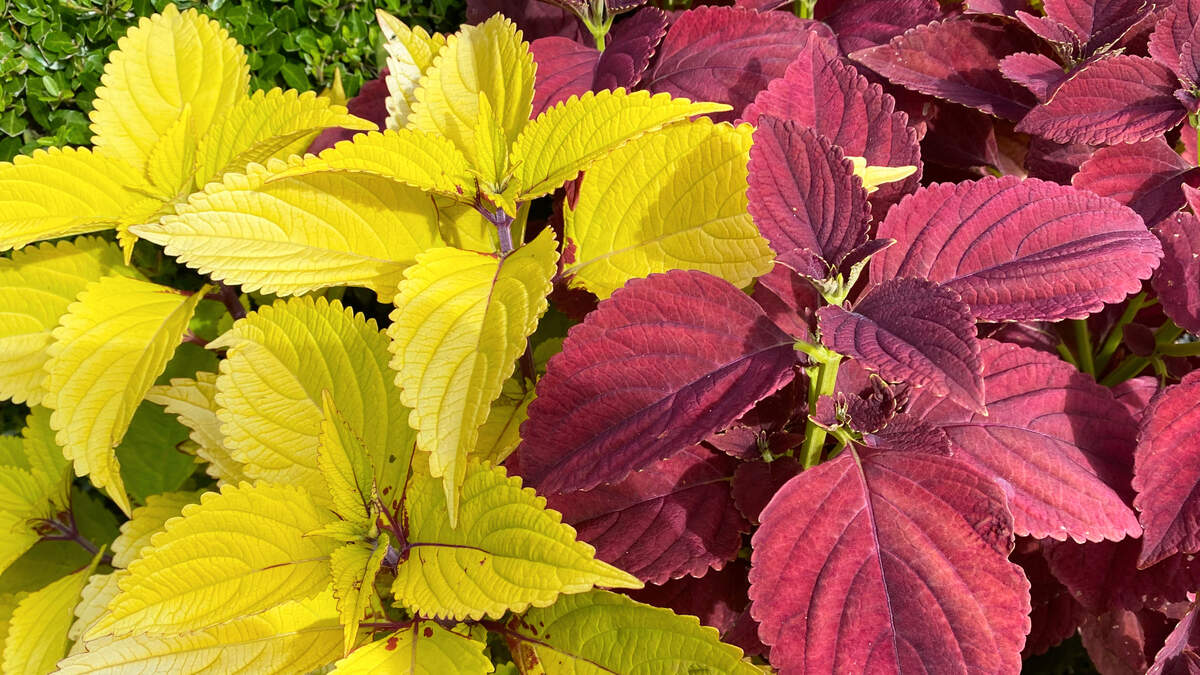
▪ Summer annual color from heat-tolerant annuals. List includes moss rose, hybrid purslane, trailing lantanas, Dahlberg daisies, fanflowers, pentas, angelonias and cleome (spider flowers), mandevillas, Gold Star Esperanza for sun and wax begonias, Dragon Wing begonias and flowering tobacco for shade. Include foliar color from coleus, copper plants, crotons, ornamental sweet potatoes and caladiums.
▪ Perennials from quart and gallon containers while nurseries still have their best selections of the entire year. Know each plant’s mature size and blooming time, then plant accordingly so that you will have a succession of color.
▪ Finish most vegetable plantings, including bush beans, summer squash, cucumbers, peppers and cherry tomatoes. (Large-fruiting tomatoes will not set fruit once temperatures climb into the 90s regularly.) Okra and southern peas will do well planted now, as will sweet potatoes in sandy soils.
Prune …
▪ Spring-flowering shrubs and vines now that they have finished blooming.
▪ Dead or erratic growth from trees and shrubs to reshape them as they put out new shoots this spring.
▪ Mow lawn regularly and at recommended height for your type of turf to keep grass low and dense, better able to ward off weed invasion.
▪ Trees to remove low-hanging branches that are casting excessive shade or creating hazards.
▪ Newly transplanted (by digging) trees and shrubs (if not done earlier) to compensate for roots lost during their moving.
▪ Annuals (copper plants, coleus, basil and others) and perennials (fall asters, mums and others) that tend to become tall and lanky. Pinching out their growing tips encourages them to branch and stay compact.
Fertilize …
▪ Turf with all-nitrogen fertilizer (containing no phosphorus, middle number of the three-number analysis). Up to half of that nitrogen should be in an encapsulated or timed-release form. Repeat every two months for common bermuda. Repeat early June and early September for St. Augustine and zoysia.
▪ Shade trees and shrubs with the same type of fertilizer now and again in early June and early September. If those plants share ground with turf, simply make an extra pass with your spreader beneath them. Just be sure there is no weedkiller included.
▪ Vegetables and annual and perennial flowers. Same fertilizer will even work for them because most of our North Texas soils already have more than ample amounts of phosphorus. Keep granules off leaves. Feed every 3 to 4 weeks according to amounts listed on label.
▪ Patio pots and hanging baskets. Apply high-nitrogen, water-soluble plant food with trace elements included each time that you water these plants.
On the Lookout …
▪ Snails, slugs and pillbugs. These devour tender new foliage overnight. You’ll often see slime trails across the ground. Sevin dust or baits will stop them, or you can sink a pie pan flush with the soil surface. Fill it with beer. They’ll be attracted to the fermenting smell and they’ll tumble in and drown.
▪ Cabbage loopers chew holes in the leaves of cabbage, broccoli, cauliflower and other Cole crops. White butterflies will lay eggs on the plants’ leaves, then the looping green larvae will devour the leaves rapidly. The best control is Bacillus thuringiensis, an organic product that will attack the caterpillars without leaving any harmful residue.
▪ Take all root rot. If your St. Augustine tries to start growing but has patches that are lime green and lethargic, that’s TARR. Roots in affected areas will be very short and dark. The fungicide Azoxystrobin offers the best control. Results should be visible within a couple of weeks.
▪ Rose rosette virus causes rose plants to develop strong “bull” canes with buds that fail to open properly. Infected stems often have several times the normal number of thorns. The plants gradually weaken, then brown and die. There is no preventive measure for the virus or the microscopic mite that transmits it, nor is there a cure. You are advised to dig and destroy all plants that are contaminated. You cannot prune RRV out of a plant. It’s even in the roots. Send infected plants to the landfill. Sadly, all roses seem to be susceptible. Massive research is underway to find a work-around, but at this point we have none.
▪ Broadleafed weeds. Including clover, dandelions, dichondra, poison ivy, Virginia creeper and others, these can be controlled with a broadleafed weedkiller spray (containing 2,4-D) applied according to label directions.
You can hear Neil Sperry on KLIF 570AM on Saturday afternoons 1-3 p.m. and on WBAP 820AM Sunday mornings 8-10 a.m. Join him at www.neilsperry.com and follow him on Facebook.