
A season to celebrate love, despite differences
If you Google “the meaning of Easter” you quickly learn that theologians over the centuries have written volumes of competing explanations. They go beyond a basic Christian understanding that the season marks salvation and the forgiveness of our sins through the death and resurrection of Jesus Christ.
Implicit, though, in most of the theories that debate atonement, mercy and why God came to earth in human form is the concept of love — God’s love of humanity. Doesn't that mean all of us?
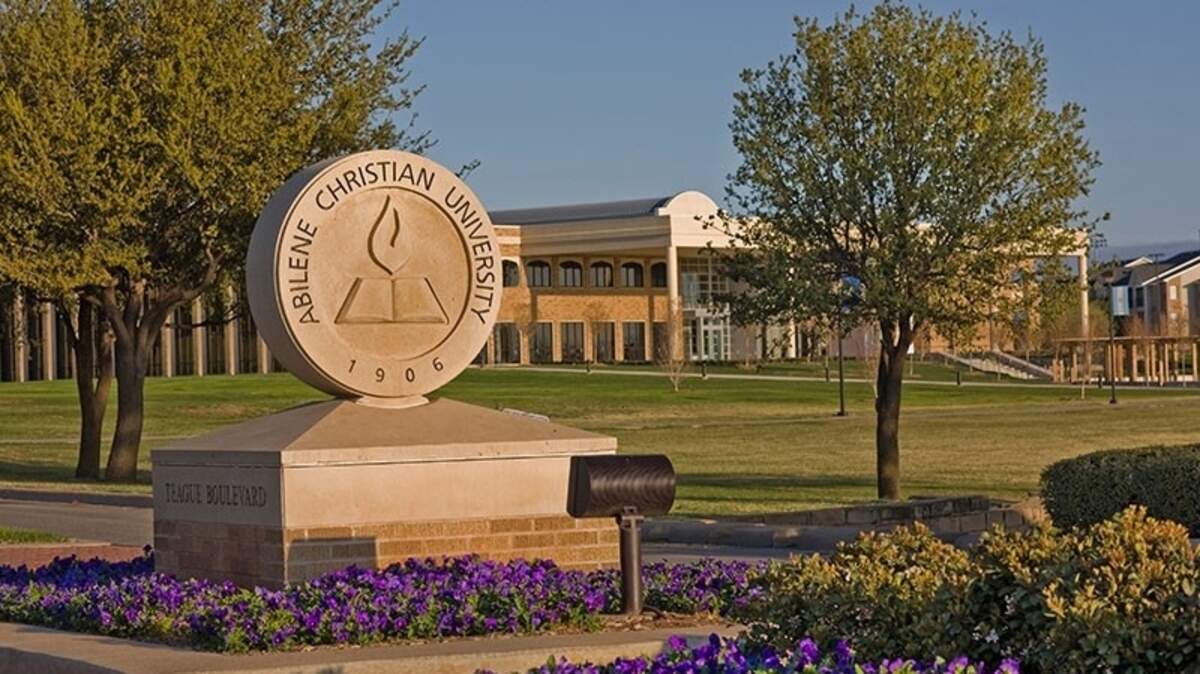
As we celebrate that love, it’s worthwhile to think about how Abilene Christian University (ACU) and other private, religious colleges are squaring their spiritual mission with their policies that treat LGBTQ students and faculty differently.
Abilene Christian,150 miles west of Fort Worth, recently generated headlines when it expanded a policy barring faculty and staff from dating members of the same sex to include student employees.
This is not solely about sexual relations. Abilene Christian’s code says that should only take place within a marriage between a man and a woman.
This is also about who can show affection. Now, heterosexual couples and Abilene Christian’s LGBTQ students who don’t work for the university can hold hands and kiss . But those employed in the campus bookstore, food service, or elsewhere on campus could apparently lose their jobs if they do the same.
In explaining its policy, Abilene Christian says on its website: “We strive to love and welcome all individuals,” despite same-sex attraction. The school's LGBTQ policy, however, exempts students, “subject to outside rules that govern programs like academics and athletics.”
That's a reference to Title IX of the Civil Rights Act of 1964 which some courts have ruled as protecting LGBTQ students from discrimination. There is a growing debate about whether religious schools could lose federal funding because of policies that treat LGBTQ students differently.
But back to the issue of love and acceptance. How can LGBTQ students truly feel welcome and equal when a university’s policy says they aren’t?
Abilene Christian Professor Doug Mendenhall has written that his openly gay son who attended ACU faced “extra stress in the dorms and around the campus,” because of his sexual orientation. His article appears in this opinion section.
He says the rules at ACU encourage students to “lie about or cover up their sexuality” so they’ll be accepted.
Former ACU student Ryan Clements who now lives in New Jersey has started a Facebook group that’s challenging his alma mater’s same-sex policies. He’s recruiting alumni and pressing ACU to make changes for “a supportive, welcoming, Christ-centered community” regardless of one’s sexual orientation or gender.
Beyond a looming legal battle over federal funding, private, Christian universities have a right to create environments that reinforce their religious beliefs. Society, however, is increasingly more accepting of people regardless of one’s sexual orientation. It’s not a big deal to many college students, and the nation’s highest court has deemed same-sex marriage legal.
In this special season let’s consider what it means to treat LGBTQ people and others differently. To discriminate. How does that conform to our understanding of love?
This story was originally published March 30, 2018 at 5:25 PM with the headline "A season to celebrate love, despite differences."