
Court order keeps historical racing in Texas — for now
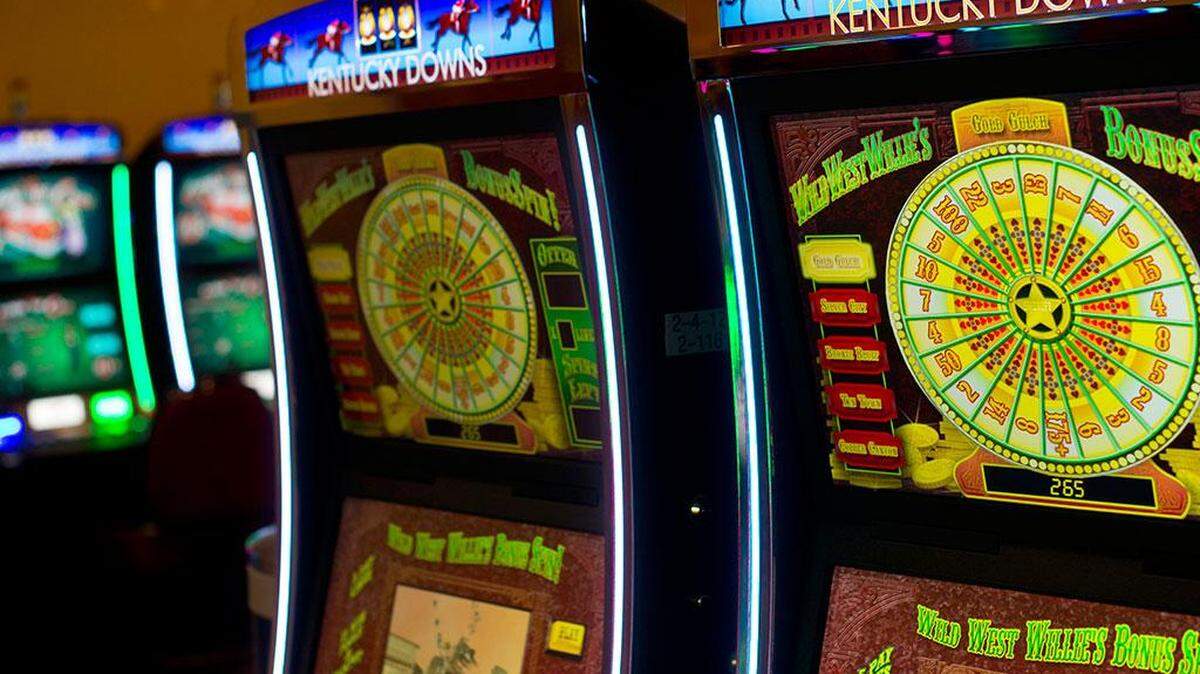
The ongoing saga of historical racing — a controversial new way to gamble at horse and dog tracks — continues to be just that in Texas: ongoing.
Shortly before the Texas Racing Commission met Tuesday morning to potentially decide whether to end instant racing in Texas, officials were served with a restraining order signed by a Cameron County judge.
The restraining order, a result of a lawsuit filed by the Texas Greyhound Association, prevented commissioners from taking any action, even though some key agency funding will run out at the end of the month.
“We will wait to see what the courts decide,” Racing Commission Chair Rolando Pablos said.
Those gathered in Austin for Tuesday’s meeting, many of whom expected to lose the potential lifeline they say historical racing — the replaying of already-run races on slot machine-like devices — offers tracks in Texas, were stunned at the turn of events.
“This is definitely a victory for the horsemen today,” said Wes Melcher of Dallas, who owns the Double Infinity Ranch in Sulphur Springs. “The most important thing is we get more time.
“This is all about political maneuvering, and so many people’s lives and jobs are at stake.”
This is the latest development in a nearly two-year feud over historical racing between the commission and some Republican lawmakers who oppose plans to expand gambling in Texas.
Commissioners have supported a plan to allow historical racing machines at Texas tracks since approving rules in 2014, but without state funding the agency will shut down — and horse tracks in Texas, including the Lone Star Park in Grand Prairie — will have to stop all racing.
Texas tracks shut down briefly last year because of this funding squabble.
As the ongoing debate over funding has continued, caught in the middle is a slumping racing industry made up of thousands of Texans who work as veterinarians, jockeys, grooms, breeders and more. State estimates show that they contribute $5.5 billion to the Texas economy and create 36,000 jobs.
New estimates from the horse racing industry show that if racing is shut down, taxpayers may have to shoulder millions in unemployment benefits.
Varied reactions
Officials with the Texas Greyhound Association say they sought the restraining order to get a legal opinion on the issue of historical racing. A hearing is scheduled in the case for 8:30 a.m. Feb. 18 in the 107th District Court in Cameron County.
“We just want the court to decide whether historical racing is legal,” said David Peck, president of the association.
Racing commissioners, who had been poised to vote again on historical racing and hear a report “on the Executive Director’s Plan to Close the Agency in the Event that Additional Appropriations are not Approved,” had little to say.
They ended the meeting after being briefed in executive session about the restraining order.
No one anticipated the lawsuit. Now we let the legal process play out.
Robert Schmidt
a Fort Worth orthopedic surgeon and commissioner“No one anticipated the lawsuit,” said Robert Schmidt, a Fort Worth orthopedic surgeon and commissioner. “Now we let the legal process play out.”
Scott Wells, president of Lone Star Park, declined to comment on Tuesday’s development.
Much is up in the air there, as at other racetracks.
Live racing is scheduled to run April 7-July 17 at Lone Star Park, for the thoroughbred season. But work to prepare for that season has stalled as officials wait to see what the racing commission would do.
“We are in limbo [while we wait] to see what this means, but it’s a great thing,” said Mary Ruyle, executive director for the Texas Thoroughbred Association. “It can only help us.”
Gambling opponents said they were disappointed with the new legal action.
“It’s an … ill-advised attempt to go through rule-making to allow something everybody in this state would agree is a slot machine,” said Rob Kohler, a consultant with the Austin-based Christian Life Commission of the Baptist General Convention of Texas.
Pending legislation
Horsemen and horsewomen said the new restraining order gives the courts time to take up a separate lawsuit filed earlier this year by those in the horse industry.
The first lawsuit challenges how some of the commission’s funding is allocated by state budget writers.
But a hearing originally scheduled for earlier this month was moved to late February at the request of the Texas Attorney General’s office.
The lawsuit by the Texas Horsemen’s Partnership maintains that if a shutdown occurs, it “could cause irreparable harm to the industry and its participants.”
At issue in the lawsuit is a “rider” giving the Legislative Budget Board — the board on which state budget writers, Lt. Gov. Dan Patrick and House Speaker Joe Straus serve — the sole decision “to withhold all funds appropriated” for salaries and other services at the racing commission.
“Without the ability to spend these funds, the Racing Commission cannot perform any of its basic administrative or regulatory functions and, as a consequence, the Texas horse racing industry cannot operate,” according to the lawsuit.
Since this provision went into effect, “the LBB has made clear that it will not permit the Racing Commission to spend its essential funds until the agency repeals its rules allowing a form of pari-mutuel wagering called Historical Racing.”
State Sen. Jane Nelson, a Flower Mound Republican who heads the Senate Finance Committee and serves on the budget board, could not immediately be reached for comment on the restraining order against the racing commission.
She has maintained that the commission never had the authority to allow historical racing.
“If we do not hold them accountable, we are no better than Washington, D.C., where agencies just make up laws, ignore the Constitution and circumvent the people’s elected representatives,” she has said.
Long controversy
At the heart of the fight is historical, or instant, racing, which involves replaying races on devices with sounds and symbols similar to slot machines.
Unlike slots in traditional casinos, the payoff is tied to past race results. The devices have no information that could help players identify the winners in advance, such as horse names, dates and tracks.
In 2014, some lawmakers asked the commission not to approve rules allowing historical racing and then sued and threatened to stop funding or dissolve the agency after commissioners went against their wishes.
An Austin judge stopped the historical racing process, agreeing with a lawsuit filed by bingo groups in Travis County, saying decisions on the machines should be made by the Legislature, not the commission.
Horse tracks in Texas appealed the ruling; a lawsuit on that issue is pending in court.
Commissioners voted again on historical racing rules in December, choosing again to leave them in place — despite the addition of two new commissioners picked by Gov. Greg Abbott.
Pablos had asked staff for a plan to shut down the agency if no more state funding is released. No action was taken on that plan Tuesday.
‘Still waiting’
The commission is funded by the industry it regulates.
It collects millions a year in fees paid by racetracks and license holders such as owners, trainers and jockeys. That money is turned over to the state, which allocates it back to the commission.
“We’re glad to see they didn’t repeal historical racing,” said David Cabrales, an attorney representing the Texas Horsemen’s Partnership. “We are still waiting to have our day in court.”
Anna Tinsley: 817-390-7610, @annatinsley
Some of the Star-Telegram’s prior reports on historical racing in Texas
Will state officials ‘knuckle under pressure,’ give up effort to save Texas horse tracks?
Texas Racing Commission refuses to nix historical racing, agency could shut down
In last ditch effort, Texas horsemen sue state officials over historical racing
Texas horse tracks get funding extension as gambling dispute continues
Gambling expansion remains on chopping block amid new shakeup at Texas Racing Commission
Texas horse tracks are back in business
Could horse racing in Texas end Aug. 31? Regulator runs into budget limbo
First step taken to repeal rules allowing gambling expansion in Texas
Texas Racing Commission regains state funding
Texas racing officials roll dice, stay the course on historical racing
This story was originally published February 9, 2016 at 12:47 PM with the headline "Court order keeps historical racing in Texas — for now."