
Are Texas political conventions necessary?
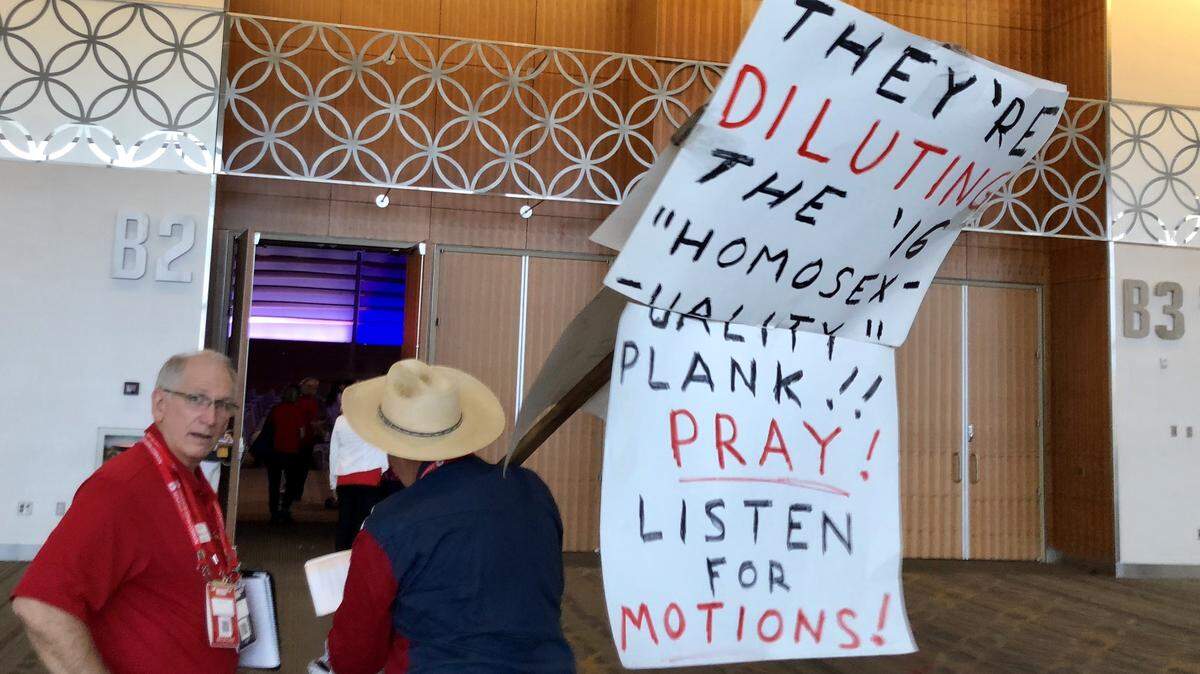
The two major parties convene every two years in big, splashy gatherings to hear speeches, to network, to write party platforms that are almost uniformly ignored by their respective candidates, to spend money at hotels, restaurants and other tourist-oriented businesses in their host cities, and then to pack up the buttons and bumper stickers and funny clothes and go home.
Some of those things are important, if only to the delegates, but they’re not an essential part of the democratic process. Nothing of genuine importance takes place.
Nevertheless, the elephants and the donkeys from Texas will gather for their biennial convocations, displaying their already chosen nominees, writing those platforms and all the rest.. This past week Republicans met in San Antonio, and this coming week Democrats meet in Fort Worth.
In presidential election years, they also elect their nominees to national conventions. In midterms like this one, they don’t even have that purpose.
Still, this is a chance for each party’s true believers to hang out, to see their candidates up close, to see — and to a limited extent, shape — their party’s messages for the elections in November and for the legislative session that will start in January.
The list of potential topics is pretty long. Some of it is even interesting, if politics and culture turns your crank. But the list of things to do — if by "things to do" you mean things that will have any impact outside of the respective convention centers — is pretty short.
In 2016, Greg Abbott launched a book. That same year, the conservative opposition to a particular set of federal education policies began to swell at the convention, culminating in the 2017 legislative session’s “bathroom bill.” The issue has hardly raised its head so far this election cycle.
The other big talk at that Republican gathering was U.S. Sen. Ted Cruz, who at the time had just thrown in the towel in his race with Donald Trump for the GOP’s presidential nomination. Trump supporters were working to rally the delegates to their guy.
The Democrats were doing their own version of the same thing at their shindig, trying to reunite Hillary Clinton supporters and Bernie Sanders supporters. The convention was in San Antonio and the native Castro twins — then-U.S. Secretary of Housing and Urban Development Julián and U.S. Rep. Joaquin — were big stars. That gathering didn’t generate much news either.
Two years earlier, the Wendy Davis—Greg Abbott race for governor was in the center ring at both conventions. They served the purpose of revving up their delegates for the race ahead. Abbott won the November contest with 59 percent of the vote; hardly anyone remembers either candidate’s convention speech.
It’s hard to find a firm way to finish a sentence that begins “But for that Texas political convention...,” and maybe that’s by design. The delegates will convene, argue a bit, eat a lot, network a bunch, get revved up and go home.
For the rest of us, there’s not much to see here.
Ross Ramsey is executive editor and co-founder of The Texas Tribune.
This story was originally published June 16, 2018 at 4:34 PM with the headline "Are Texas political conventions necessary?."