
Black-and-white photography master Dave Heath brings 'Solitude' to the Amon Carter
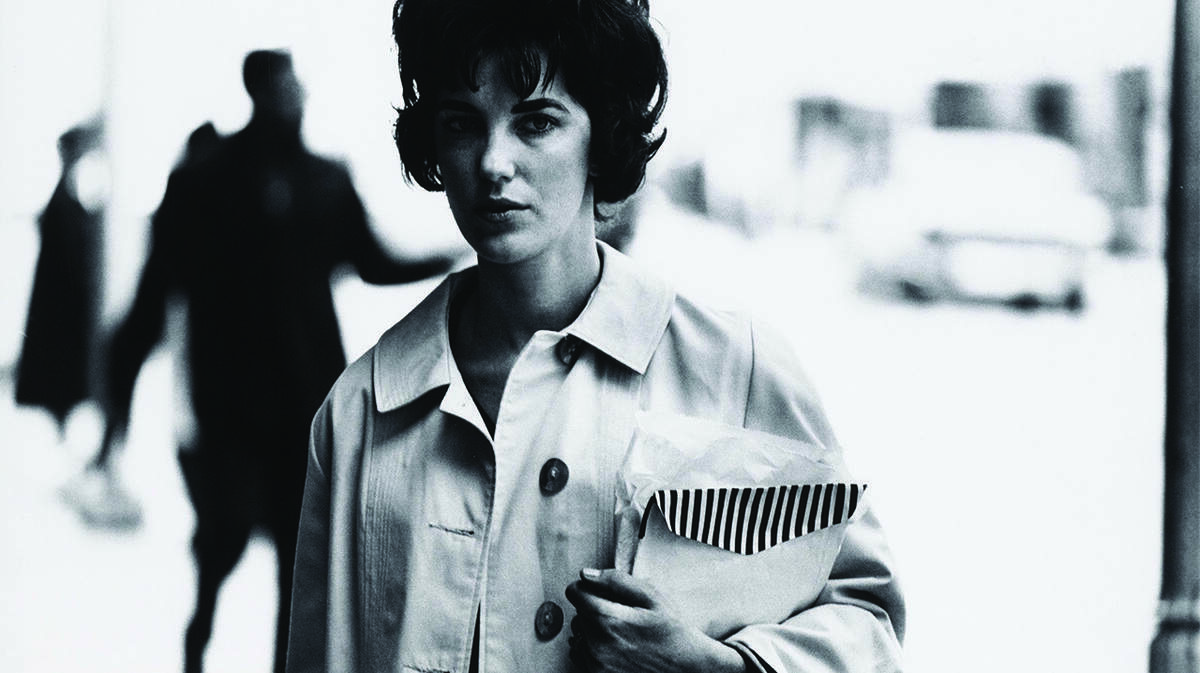
For Dave Heath, photography was not a conscious or logical choice, but an emotional necessity. It was his way of figuring out who he was and how he fit into the world.
Emotionally driven without irony or cynicism, his sincere works demand patience and can be challenging for today’s viewers. But Heath used photography to tackle gigantic conceptual issues and his search for self-identity is a timeless concern.
On view through Sept. 16 at the Amon Carter Museum of American Art, “Multitude, Solitude: The Photographs of Dave Heath” is the American photographer’s first major survey. Heath was an American master of black-and-white photography in the 1950s and ’60s. He was one of two photographers who won a Guggenheim Fellowship in 1963; the other was Diane Arbus.
Most of these 150 works are black-and-white gelatin silver images from Heath’s 1965 photo book, "A Dialogue With Solitude", capturing him at the pinnacle of his career. This is slow-paced street photography with a surprising level of intimacy. His subjects are not posing for the camera and many of them were probably unaware that they were being photographed, but there is always an emotional connection.
Rejected by both of his parents and his grandparents, Heath was an orphan by age 4 and was raised in orphanages and foster homes.
“Dave Heath’s vision, as with all of us, was shaped by his childhood,” says John Rohrbach, senior curator of photography at the Amon Carter. “He didn’t have a lot of friends. By his teenage years in the 1940s, he gained his connection with society through Life Magazine. It was his way of understanding and staying in touch with the events of the day. One day he saw himself in a story about a young boy who grew up in an orphanage.”
Heath was particularly interested in the images for the story from Life Magazine photographer Robert Crane. As a teen, Heath started shooting crowd scenes in the late ’40s, studying collective identity with public rituals like parades. But he quickly started zeroing in on specific people.
The imagery is raw and not always flattering, but Heath is always sympathetic and respectful. He started focusing on taking pictures of people walking, sitting on buses, department store Santas and couples.
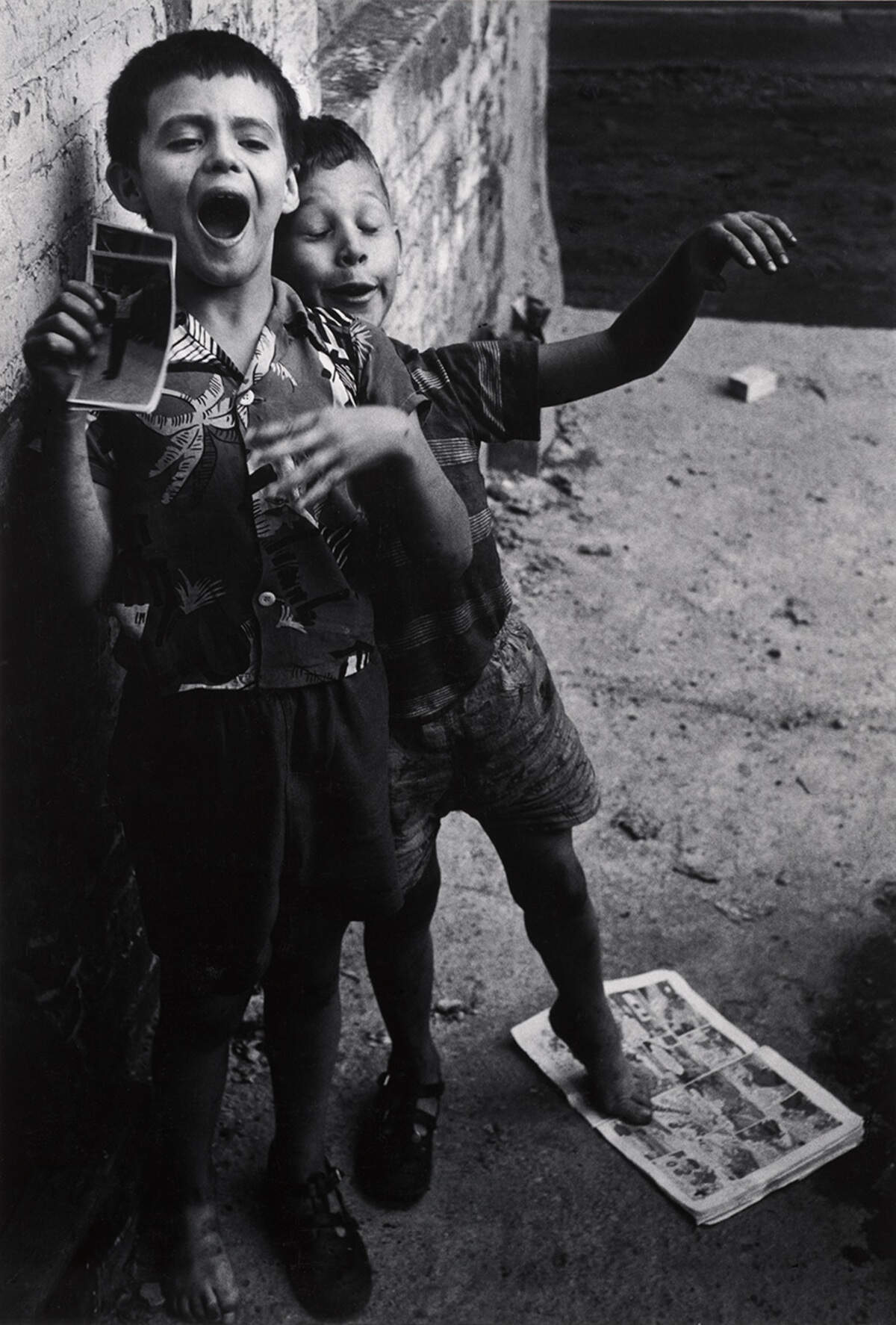
Another one of his early thematic projects was photographing hands and carefully crafting prints. Throughout the ’50s, Heath became a master of black-and-white prints. He made prints heavy and then carefully bleached the photos to highlight certain areas with shadows. This elegant detailing has the quality of old master paintings.
With mobile devices, it is normal for many people to have a camera at all times and produce thousands of everyday images. The notion that every photograph of a person is some kind of record of a precious life is largely forgotten today. But Heath believed this and trained his eye by studying photography books, visiting museums and working as a professional photographer.
“Alfred Stieglitz was such a romantic, making incredible portraits of Georgia O’Keefe and pouring out all his emotions into photographs of clouds in the sky,” Rohrbach says. “But Heath brought that same emotional energy and beauty into photos of people on the street and did it so masterfully that he changed the nature of how we think of photojournalism.”
But Heath, who died in 2016, wasn’t a photojournalist. His traumatic childhood influenced the way he captured people in American cities such as New York, Chicago, and Philadelphia. Through photography, he was searching for the emotions he felt. He was creating his own world, building portfolios, and eventually pursuing a book format with larger narratives by focusing on the sequencing of images. He moved from the visual complexity of Life Magazine to something more direct and simple.
Heath’s work has several themes including youth culture, violence, death, religious faith, racism, and war.
Ahead of the intellectual currents of his day, Heath photographed a wide variety of subjects including African-Americans, homosexuals, and mixed-race couples. The Beat Generation also influenced him and Beat poets such as Allen Ginsberg and Gregory Corso appear in these images.
But this tough journey ultimately ends with optimism and hope.
“The last section focuses on children,” Rohrbach says. “We find our future and our goals and idealism through our children. They are the potential and possibility for the future.”
Multitude, Solitude: The Photographs of Dave Heath
Through Sept. 16
Amon Carter Museum of American Art, 3501 Camp Bowie Blvd., Fort Worth
Admission is free.
This story was originally published June 20, 2018 at 12:59 PM with the headline "Black-and-white photography master Dave Heath brings 'Solitude' to the Amon Carter."