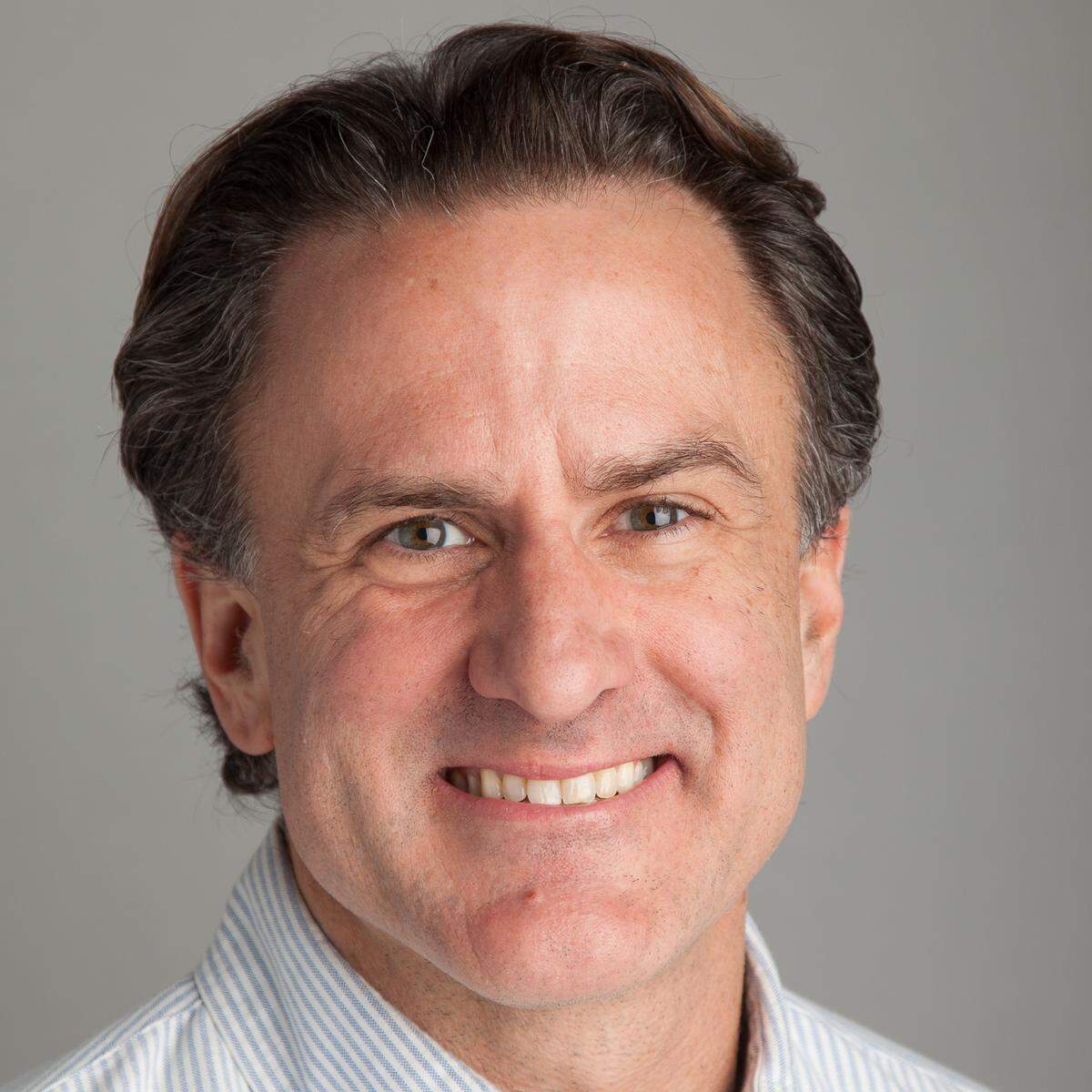
Impossible task: A eulogy for American hero, our neighbor, Dr. Bobby Brown
Dr. Bobby Brown didn’t serve during World War II, but he was a part of “The Greatest Generation,” whose blood, sweat, tears and fingerprints built modern America.
Inside Christ Chapel Bible Church on Montgomery Street in Fort Worth, Brown was memorialized Tuesday afternoon in a sweet, 75-minute service befitting of a man whose achievements were grand enough to play a Yankee Stadium, yet modest enough to fit inside a chapel.
“He was the epitome of The Greatest Generation. How do you eulogize Dr. Bobby Brown?” Christ Chapel’s Dr. Ted Kitchens asked rhetorically to the few hundred in attendance. “What do you say?”
Often times a eulogy is exaggeration. The eulogy for Bobby Brown felt like an understatement.
The saddest part is not necessarily his departure, but rather how many people in Fort Worth did not know that a American patriot and hero was their neighbor.
That is part of that generation’s charm. They never told you who they were, or what they did. “Boast” was a four-letter word.
When the 96-year-old Brown died on March 25, the national headlines celebrated his career as a World Series-winning third baseman of the New York Yankees, and his time as the president of the American League.
Tuesday felt more like an eulogy for an esteemed doctor who lived down the street, yet built a life of experiences that made him both heroic and human.
Among the three to speak at the service included his son, Dr. Pete Brown. He spoke lovingly of his dad whom he said batted “1.000 as a father and a husband.”
When Dr. Brown was 93, and his wife, Sara, was gone, he agreed to move into Trinity Terrace, a retirement community in Fort Worth.
His son visited him one day, and noticed that his father had eight jockstraps in a drawer.
Dr. Brown was quite the athlete well into his 80s, and hit a tennis ball almost as hard as he hit a baseball when he played for the Yankees from 1946 to 1954. But at 93, he probably didn’t need eight jockstraps.
Brown famously missed most of the 1952 and all of the 1953 MLB seasons because he was called to active duty to serve as a medic in Korea. He was the only active MLB player to serve on the ground forces during that war.
On Tuesday, friend Talmage Boston spoke of Brown’s service in a MASH unit where he once tended to American beauty, Marilyn Monroe.
At the time, Monroe was entertaining the troops as part of a USO tour, and she would later briefly be married to Brown’s teammate, Joe DiMaggio.
Brown was no different than anyone else then and was a fan of Ms. Monroe’s, but he was loyal to his girlfriend, Sara.
According to friend and current Texas congressman Roger Williams, Sara told Bobby that they needed to tell her parents they planned to get married.
“He said, ‘OK, tell your mom I’m a doctor and tell your dad I’m the third baseman for the New York Yankees,’” Williams recounted in a phone interview.
Bobby and Sara were married for 60 years. The couple had three children, and a long list of grandchildren and great grandchildren.
Brown ended his big league career when he was only 29, and Boston said the third baseman was once asked if he ever thought about what he might have been able to do had he focused full time on baseball.
“I think about it daily,” Brown said.
Brown somehow managed to earn his medical degree while playing baseball, and eventually he relocated from New York to California to Fort Worth to start this city’s first cardiology practice with friend Dr. Albert Goggans.
This was back when a doctor made far more than a baseball player, so the early retirement from the game made financial sense.
In Fort Worth, Brown built a successful practice and was a dedicated doctor to his patients.
“I love people,” he told Kitchens once when asked why he left baseball so early.
By the time he went to New York in the ‘80s to serve as American League commissioner, he was simply worn out by a job that commanded so much of his time.
After 10 years in New York, he moved back to Fort Worth to retire. He played tennis often, tended to his own garden, and often could be seen attending Texas Rangers or TCU baseball games.
He was “particular” with those in the medical community, including his dentist who once drove Brown to the appointment after Brown was no longer driving.
“What an incredible friend he was to all of us here,” Boston said. “He had a grand slam of a life well-lived.”
Any eulogy for this man is both short, and incomplete, because what can you possibly say about Dr. Bobby Brown?
This story was originally published March 30, 2021 at 6:03 PM.