Player-first approach key for how Sonny Dykes wants to shape TCU
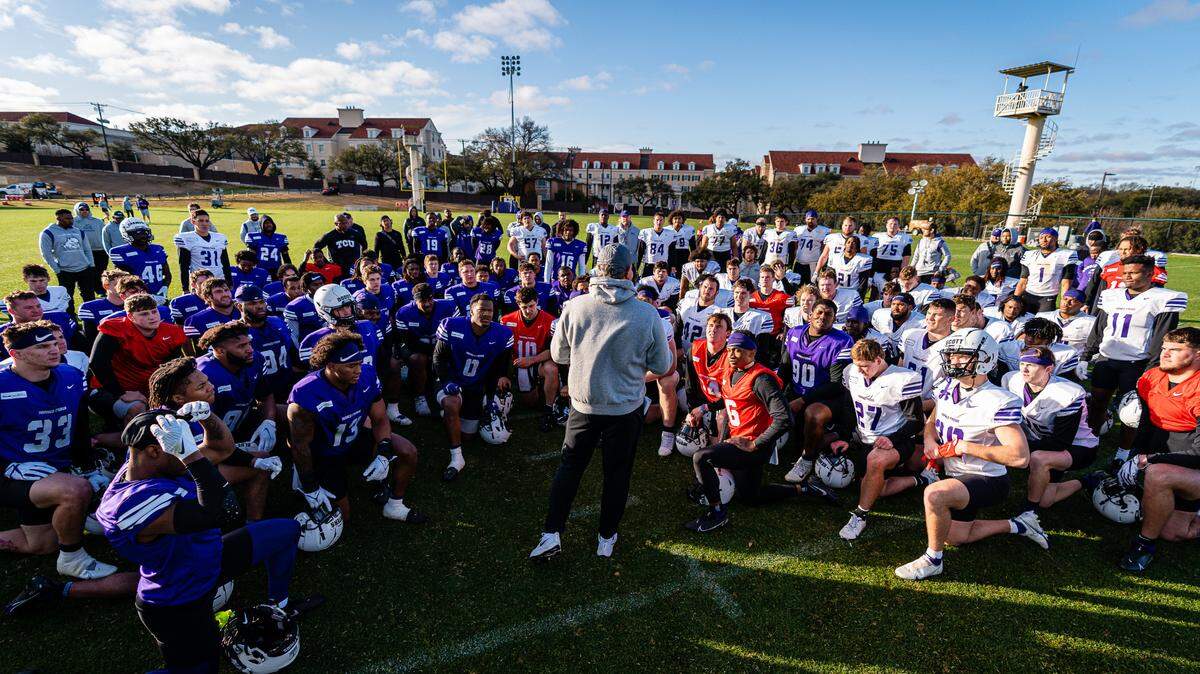
When Sonny Dykes finally got a chance to meet most of his roster last December, he could sense there was a state of dejection around the program.
There were three days of workouts players could attend. On the first day at least 30 players were absent. The next two days the numbers were in the high 20s.
It was an early crossroad for the first-year head coach. Some, maybe most, coaches would’ve used that opportunity to lay down the law.
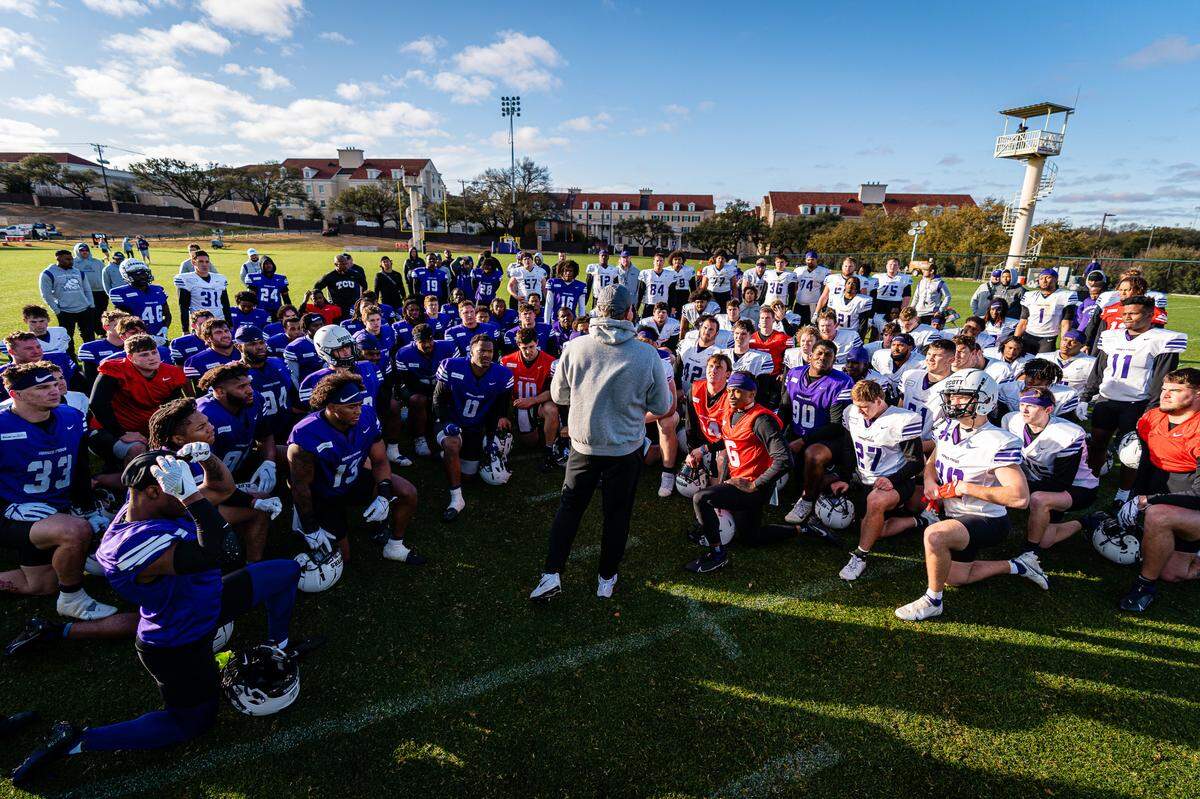
Dykes used a different approach.
He and his wife, Kate, visited as many players as they could to check in on where the players stood mentally. That was his primary concern, the mental health of the roster. It’s also served as an early example of how Dykes wanted to run his program with a focus directly on the players and not on himself.
“My job is to serve the players. I’ve always believed that,” Dykes said.
His father, long-time Texas Tech coach Spike Dykes, played a huge role in molding that philosophy for him.
“I got a chance to watch my dad coach and learn from him. His thing was ‘Hey, look we’re in the player service business.’ What that means, we’re here to make these guys better,” Dykes said.
That goes beyond the stats they can produce or how many games they can help Dykes win. This is a crucial point in these players’ lives, both athletically and personally.
“Whether it’s better people, better students, better fathers and husbands. Oh, by the way better football players. We try to make every decision in our program with that in mind,” Dykes said. “What can we do to make this experience better for our players?”
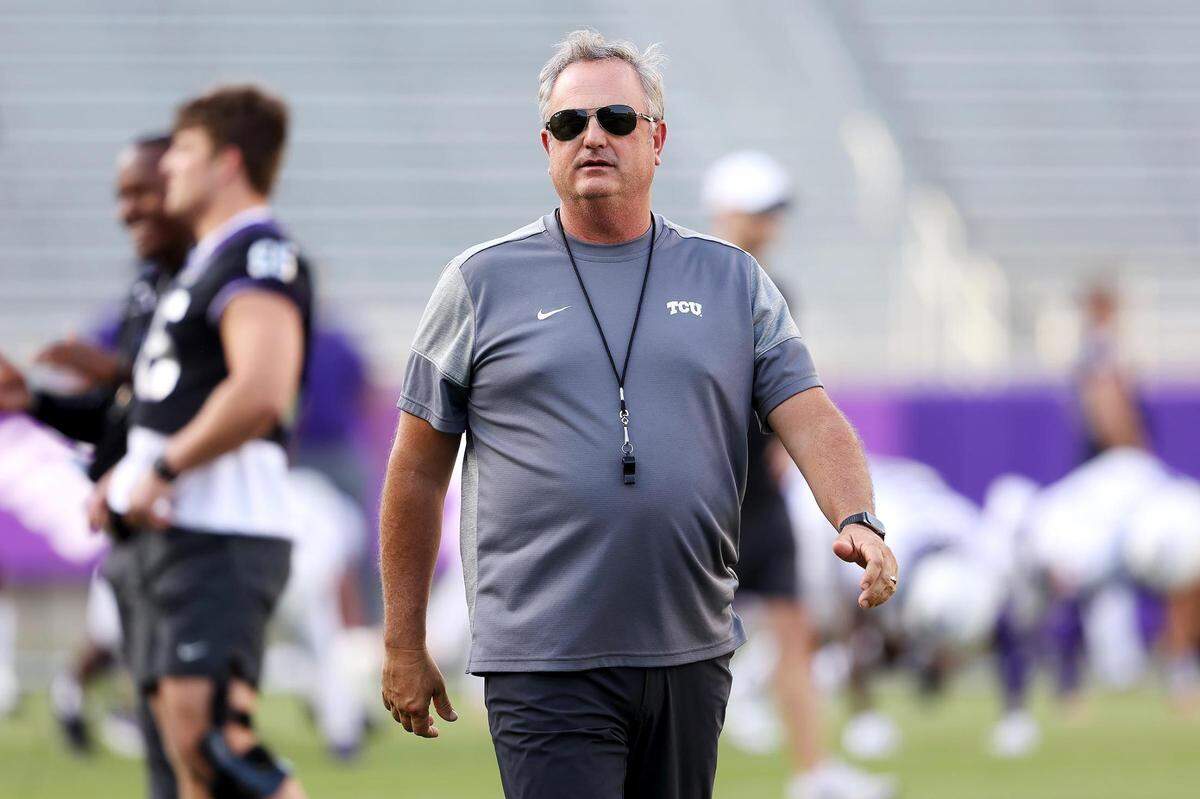
When you walk into the building off Stadium Drive there’s a noticeable energy that can be felt almost instantly. Sure, that can be expected at the start of any new era, but it feels deeper than just a new face leading the Horned Frogs.
“I think when you start with a player-centered organization I think it affects the way you go about your business on the day-to-day. That’s our job, it’s not the players job to serve us. I believe that, I see it that way and I think that makes everybody better,” Dykes said.
TCU athletics director Jeremiah Donati has seen the impact on the roster up close.
“It’s evident that the players really appreciate that. Now more than ever players have been empowered to really maximize their platform because of (name, image and likeness) and social media. I know the players appreciate that, I know they’re embracing it,” Donati said.
The trickle down effect goes beyond just the athletes.
“It gives our fans and donors a chance to get them know better. I think that’s important as well,” Donati said.
When searching for a replacement for Gary Patterson, Donati was deliberate with seeking a coach that would put a bigger emphasis on the athletes. Dykes was a natural fit in that regard.
“That was absolutely something we’re looking for. Someone that was in tune with today’s student athletes and the importance of NIL and the importance of their brand and elevating their personal platforms,” Donati said. “Coaches develop players on and off the field that’s their job and this is apart of that.”
Dykes approach has been molded from each stop he’s made over his head coaching career.
Louisiana Tech showed that he was one of the rising offensive minds in the game. His tenure at SMU showed that he could make the most of his Texas ties and quickly turnaround a program in the Metroplex.
But it was his time at California that perhaps shaped his mentality the most. Failure is often the best teacher and after a 19-30 record over four seasons with the Golden Bears, Dykes was fired in January 2017.
The lessons he took from that situation helped him bounce back with SMU and could bode well for his time at TCU.
“The big thing I learned over there was having an intimate understanding of the culture of the place, the culture of the high schools, the culture of the players you’re recruiting and the mindset of the athletes you’re going to be coaching,” Dykes said.
Those in-house meetings this past winter opened his eyes to how things were and what he needed to do to mold it in the image he wanted.
“I told them the very first time I met with them, this is their program. I’m a caretaker and a guider of that program, but it’s their program,” Dykes said. “The program to me is about the players, it’s never going to be about me.”
It’s likely a stark departure from how Patterson ran things, but it’s not about being different or even better than Patterson. It’s about Dykes being true to his own process.
“The bottom line is you have to be yourself,” Dykes said. “As the conference landscape changes and all the stuff in college football changes we want to try to be a trendsetter. That’s who we are, what we believe in.”