‘Let’s get to work!’ TCU athletes embrace NIL era, the new reality in college sports
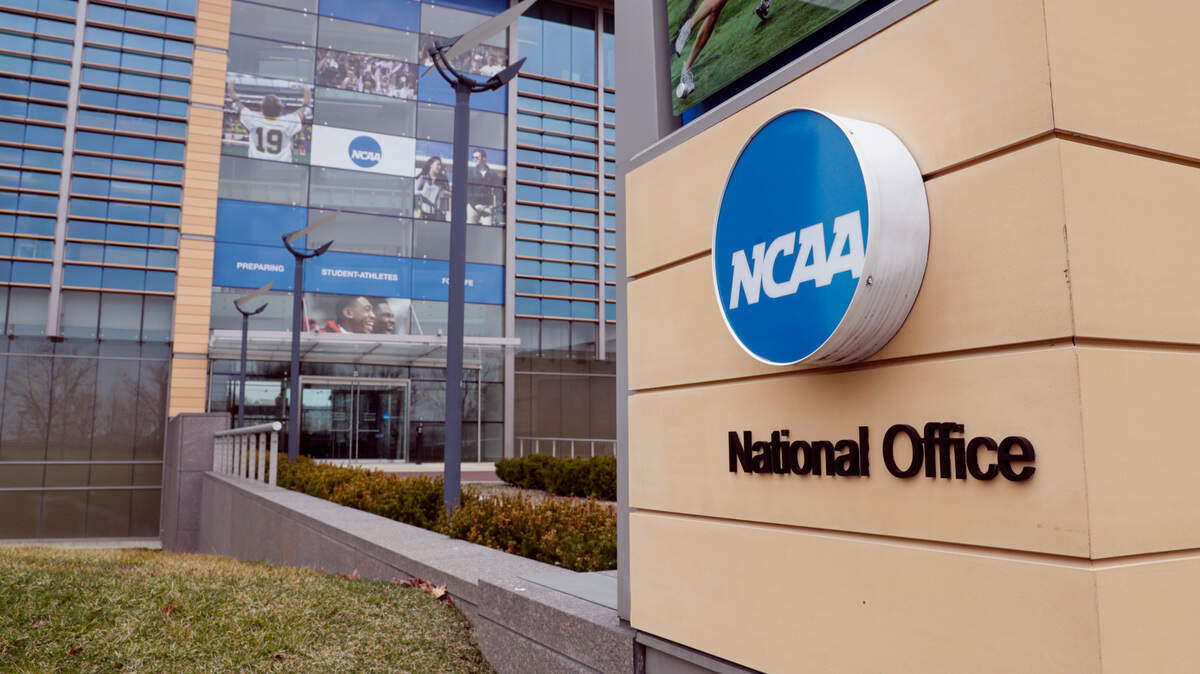
College athletics entered a new era on Thursday.
Student-athletes are now able to profit off their name, image and likeness. Athletes flooded social media channels with messages saying they’re “open for business.”
“NIL rules have changed,” TCU football’s standout cornerback Tre’Vius Hodges-Tomlinson wrote on Twitter. “I will now be able to work with companies, brand myself, do commercials, accept incentives, do social media promotions etc. If anyone or any company has any interest let me know! Let’s get to work!”
The first TCU athlete who posted finalized NIL-related agreement on social media Thursday was Colton Dobson, a walk-on football player. Dobson posted a tweet endorsing Gopuff, a consumer goods and food delivery service.
TCU football players Quentin Johnston and Kendre Miller shared links later in the day where fans could purchase phone cases, T-shirts, pins and more with their name, image and likeness on it.
More TCU athletes are expected to do the same.
Similar to Johnston and Miller, TCU basketball standout Mike Miles is planning to sell personalized T-shirts in the near future. The T-shirts are expected to showcase Miles making Team USA’s U19 team as well as one geared toward TCU fans. A couple restaurants in Lancaster, Miles’ hometown, have also expressed interest in marketing deals.
However, athletes are not allowed to use TCU’s logo on any merchandise sold. Other things off limits include wearing non-school issued merchandise (i.e. shoe deals) during athletic competitions or endorsing companies that sell things such as alcohol, tobacco, gambling or is a sexually-oriented business.
Still, there’s plenty of money to be made through social media followings, hosting camps, providing private lessons, signing autographs, doing commercials and more.
A few high-profile athletes across the country cashed in immediately.
Haley and Hanna Cavinder, twin basketball players at Fresno State, signed with Boost Mobile and Six Star nutrition on Thursday. The Cavinder twins have a collective 645,000 followers across TikTok and Instagram.
Former Houston quarterback D’Eriq King who is now at Miami is already selling T-shirts and memorabilia on his own website and received a $20,000 deal to endorse College Hunks Hauling Junk.
LSU gymnast Olivia Dunne has more than five million followers between TikTok and Instagram, and is expected to be the highest-earner among college athletes.
TCU’s money makers
As far as TCU is concerned, the most marketable athletes may not play football or men’s basketball. Instead, if NIL legislation was in place last year, former goalkeeper Emily Alvarado may have cashed in the most.
Alvarado, who was born in El Paso, has a broad appeal by being the goalkeeper for the Mexico women’s national team. She’s got more than 25,000 followers on Instagram. By comparison, quarterback Max Duggan’s 12,400 followers on the platform is less than half of Alvarado’s.
Or a company heavily involved in track and field may try and attach itself to an up-and-coming athlete on the team. Former TCU sprinter Ronnie Baker is the latest from the school to reach the Olympics in the 100-meter race. Or a golf company may identify a future PGA Tour or LPGA Tour star on one of TCU’s teams.
TCU women’s basketball coach Raegan Pebley said the NIL ruling is the right step forward for college athletics.
“It’s the right decision and I think it’s a just one,” Pebley said. “I know it’s scary for a lot of people, especially who are used to things being done a different way. But the train has left the station and we need to modernize.
“There will be a lot of unintended consequences, but we have a lot of smart people in this industry who can find solutions to those. The positives outweigh the negatives. Student-athletes are humans and deserve to be in charge of their name, image and likeness.”
Pebley, who played in college as a student-athlete and professionally in the WNBA, believes this could help raise the profile of women’s sports as well. If NIL rules were in effect last school year, TCU’s highest-earner likely would have been Alvarado from the women’s soccer team.
The women’s basketball team features Lauren Heard, who is one of the best players in the Big 12.
“If you really dig into the facts, female athletes have larger brand influence and social media influence than male athletes,” Pebley said. “I think this is going to highlight the female athlete and female sports as a place that people should be investing more into.”
NIL hurdles
International students may be the ones who are limited the most in terms of profiting off their NIL.
Due to federal immigration laws, F-1 student visas limit employment opportunities in the United States. Therefore, international students are only allowed to earn NIL-related income in their home country.
That impacts a number of TCU students, including men’s basketball player Francisco Farabello of Argentina.
Farabello didn’t seem overly concerned about it as he still has opportunities to land endorsements with Argentinian companies, or run camps in his home country for profit.
As of Thursday, Farabello didn’t have anything lined up.
“I’m not going to rush anything,” he said. “The time will come when companies reach out to me. I’m not in a rush for that, but I’d love to have some deals and see what’s going on.”
Another issue facing teams could be endorsement money dividing a locker room. If Player X is getting more money than Player Y, there could be some jealousy issues.
But Farabello and Pebley both dismissed that notion.
“Personally, I would not be jealous,” Farabello said. “I’d be happy for someone like Mike Miles to get endorsements. He deserves it. The more he gets, the better for us.”
Added Pebley: “What we have to look at is the WNBA. Those women are able to profit off name, image and likeness, and they’re also working on building a team atmosphere and achieving a goal. The culture of your organization and program is going to have an influence on how the NIL impacts a locker room. What I’ve seen in women’s sports is more of a celebration that women are figuring out how to profit off their NIL and not as much jealousy.”
This story was originally published July 1, 2021 at 5:41 PM.