If we don’t limit gambling, Texas Tech QB won’t be only young life ruined | Opinion
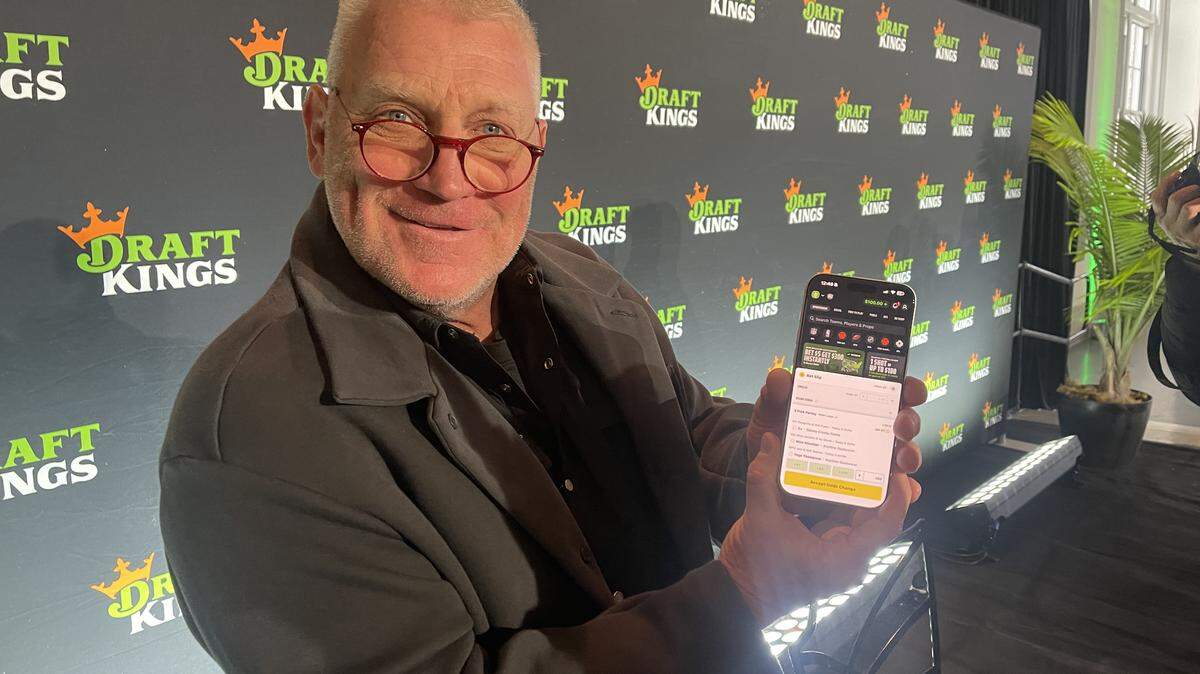
America has a gambling problem.
Oh, sorry — in Texas, it’s a “prediction market” problem.
And really, as with so many of our society’s modern ailments, it’s a smartphone problem.
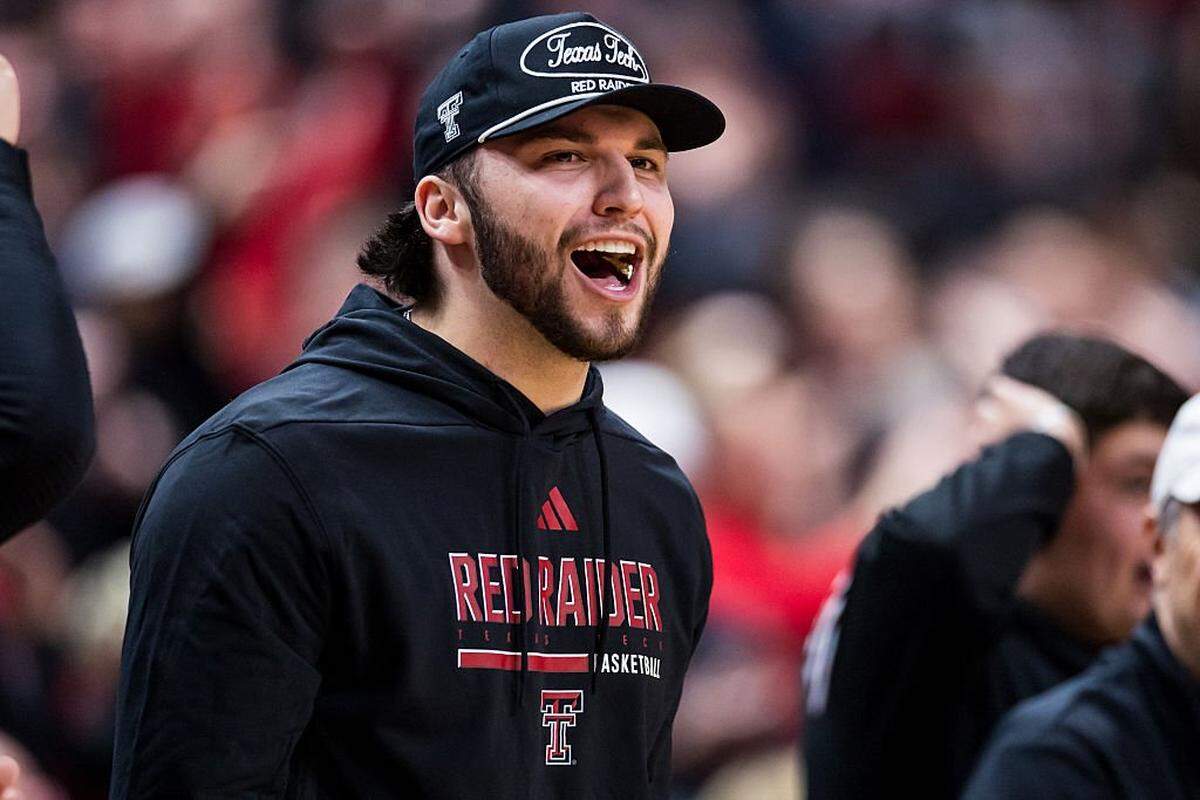
Two troubling recent stories suggest how quickly things could get out of hand. At Texas Tech University, quarterback Brendan Sorsby is headed for a treatment center to deal with a gambling addiction. ESPN reported that, while at Indiana University, he placed thousands of bets on sporting events using an app, including wagers on his own team.
Then, there’s Gannon Ken Van Dyke, a U.S. special forces soldier charged with using classified information to make predictions about the recent operation to capture Venezuelan President Nicolás Maduro. Van Dyke turned about $33,000 into more than $409,000 on a platform called Polymarket, according to a federal indictment.
These two young men are alleged to have thrown away bright futures at least in part because of the lure of online wagering. They aren’t the first; they won’t be the last. It won’t be long before we learn that the outcome of a sporting event, military action or business decision was provably changed in an effort to make money betting on it.
Betting apps and online prediction markets take one of mankind’s oldest vices and supercharge its potential for abuse and manipulation. Gambling addiction is just one risk. With prediction markets, insider information in any number of fields has readily accessible monetary value. Selling secrets has always been a concern, but it takes a connection to a buyer. Using them anonymously online for an edge against the house is as easy as hitting the app store.
How many people know something valuable about Apple’s next product launch? Or the government’s next report on job creation and unemployment? Unscrupulous gambling is far from the only concern. Imagine the potential for blackmail, too.
So-called prediction markets have dramatically raised the stakes (ugh, sorry). They dress up a common bet as a potential investment in a futures market, similar to those for stocks and commodities. The federal government has so far defended its purview for regulating such markets, rather than states, so Texans who cannot legally use FanDuel to predict Dak Prescott’s total passing yards against the Eagles can “invest” in the Cowboys QB’s performance on Kalshi.
Try that one on your significant other: I didn’t lose the rent gambling on football. I had an investment go sour.

What do we do when legalized gambling is winning everywhere?
So, what do we do about it? Legalized gambling is on an almost unprecedented winning streak, and its expansive presence indicates the market has spoken. Americans will gamble, and any kind of sweeping action to prevent it is doomed.
But we can regulate vice and protect children without beating our heads against the wall of adult freedom and the determination of some to ruin their lives. An extreme example, on a different front, is emerging. The British Parliament recently approved a measure to prevent anyone born after 2008 from buying tobacco, ever; the United Kingdom is just the second country with such a law, after the Maldives.
The theory is that it’s easier to phase in a ban on the product than targeting those already addicted. The likeliest outcomes will probably be a significant reduction in the number of future smokers and a robust black market for tobacco. Whether the tradeoff is worth it, remains to be seen.
If outright gambling bans are too heavy a lift — and they almost certainly are — our best bets (sorry) are restrictions to try to stop young people from ruining their lives before they’ve barely begun.
We finally recognized the danger of cellphones for teenagers and acted, with bans at schools, movements to reduce screen time and consequences for tech companies that build products designed to hook young minds. In the gambling realm, perhaps we vary age-based restrictions up to 25 years old, an age when young men are finally emerging from the most destructive of their own tendencies. Perhaps we limit how many bets a person can make based on age, or hold them to a total weekly or monthly dollar figure.
Gambling companies won’t do this themselves unless they want to hedge (there I go again) against even harsher legislative consequences. What lawmakers, often awash in campaign contributions from gaming interests, won’t do might better be accomplished by class-action suits, similar to how a group of states reined in Big Tobacco in the 1990s.
The best solution would be if gambling still required putting on pants, leaving the house and going somewhere to place a bet or at least have to deal with another human. The convenience of DoorDash is great for pizza, but it should be harder to risk your future on whether the next pitch is a ball or a strike.
The sports industry should fear huge gambling scandals
Sports leagues, which have embraced the rich vein of revenue available from partnerships with gambling companies, would be wise to consider the long term. The attraction of live sports is not just action. It’s also unpredictability, the idea that anything can happen —and it disappears if there’s reason to think those involved are rigging the results.
Teams and leagues have always known this at some level. It’s why gambling or fixing an outcome on a bettor’s behalf is one of the few things that can bring a swift lifetime ban for a guilty athlete.
TV networks have a stake in this, too. Sure, DraftKings and MGM will pay big money for ads during games, but sports with even a whiff of being fixed won’t draw the eyeballs that generate big rates for 30-second spots.
But then, one of the allures of gambling is the thrill of “letting it ride.” Someone at every level, even the heights of the sports and entertainment industries, will have to crap out in spectacular fashion before cooler heads prevail.
Let’s just hope bad decisions being a click or two away don’t sink millions of young people first.