Fort Worth battle on Cesar Chavez signs reveals struggle with history | Opinion
AI-generated summary reviewed by our newsroom.
- Fort Worth street signs honoring Cesar Chavez were removed after abuse allegations.
- Council members warned that the removals sidestepped normal deliberation.
- The incident shows the need for fuller historical narratives while reassessing honorifics.
Government and Big Labor are infamously ossified, incapable of responding nimbly to changing needs or adapt to the marketplace.
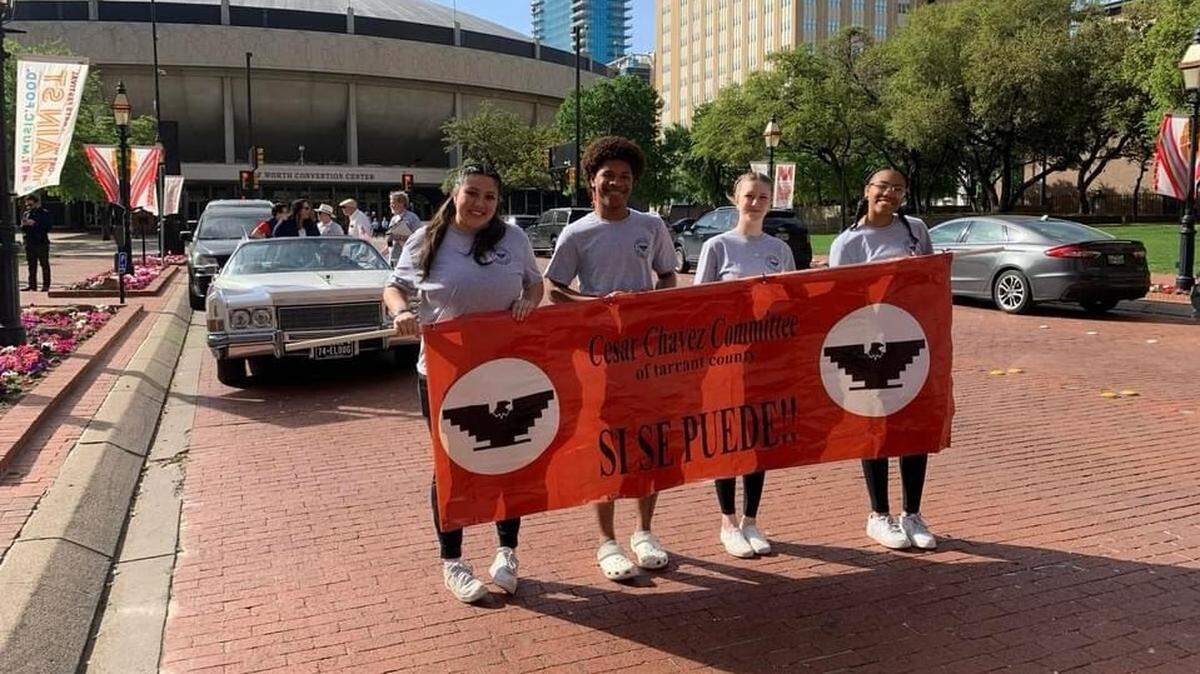
Or so it seemed, until both needed to urgently dump Cesar Chavez. When The New York Times surfaced long-buried sexual-abuse accusations against the farmworker-rights icon, who died in 1993, Chavez’s name was promptly removed from street signs and schools. March 31 was still technically Cesar Chavez Day, but you can bet it’ll be the last one for a while.
Within six months, if you don’t already know who Chavez was, it may well be impossible to learn that he existed or did anything, right or wrong.
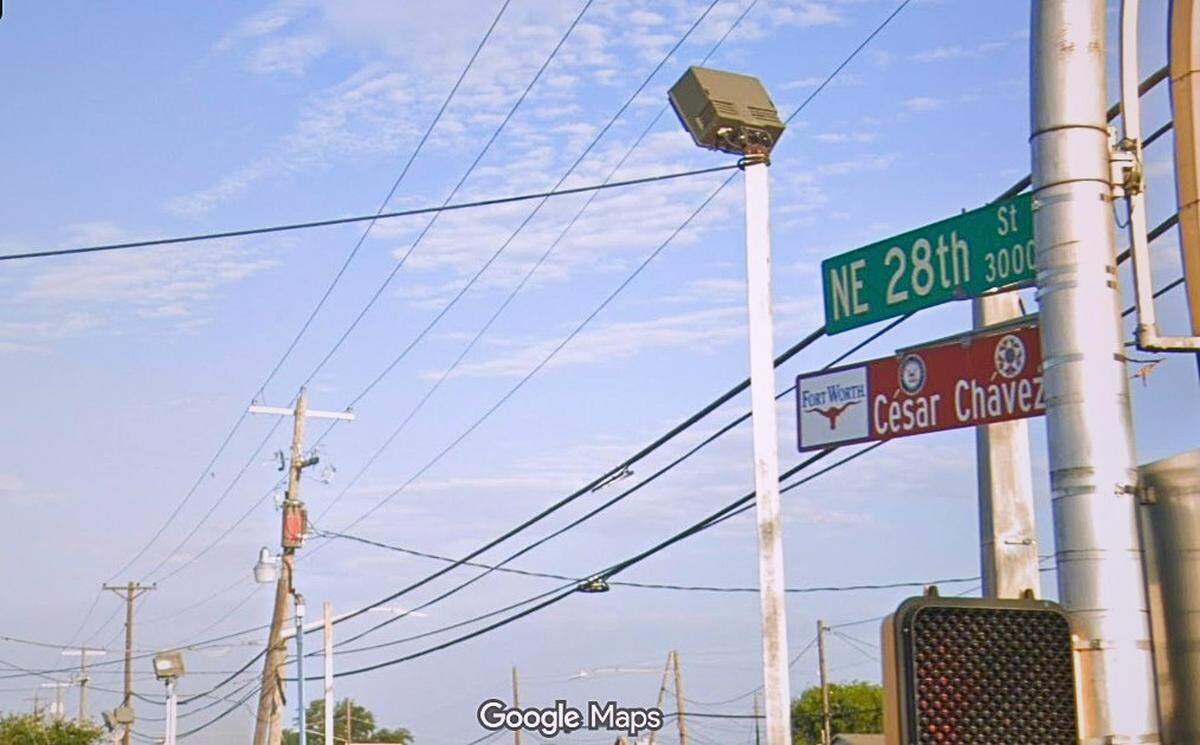
In Fort Worth, the urgency to make that happen created a City Council kerfuffle. Members Elizabeth Beck and Chris Nettles complained that honorific street-sign toppers approved by the council long ago were removed at the behest of one member, north side representative Carlos Flores. City Manager Jay Chapa took responsibility for the decision, and Flores defended his intervention, arguing that the city couldn’t leave in place “public endorsements of character, conduct and legacy.”
The Chavez story broke March 18, and the council didn’t meet again until March 31. If you feel an urgent need to sandblast history, you don’t wait for a competitive bid.
This is not just a process point. It goes to how we regard our history and learn about ourselves and our journey to a more perfect union.
The unique circumstances around Chavez allowed for near-unprecedented dispatch. The allegations, while decades old, included substantial detail and evidence of real-time corroboration. And no one wanted to take up the other side. Those who have carried on Chavez’s work understandably wanted to minimize the blemish on their cause.
Republicans saw a chance to take down a hero on the other political side, and they weren’t about to be held up by parliamentary procedure. Tarrant County Judge Tim O’Hare said he would push to cancel the county’s recognition of Chavez Day without a Commissioners Court meeting or call one if necessary.
This, of course, is the new way of governing — using executive power and “emergencies” to take action that, by the letter or at least the spirit of the law, should require legislative deliberation. At just about every level of government, it’s done as if on a dare: Who’s going to sue to try to keep a Chavez designation in place?
It’s all terribly efficient, but if we’re going to struggle with our history and defining the difference between veneration and remembrance, we should deliberate it.
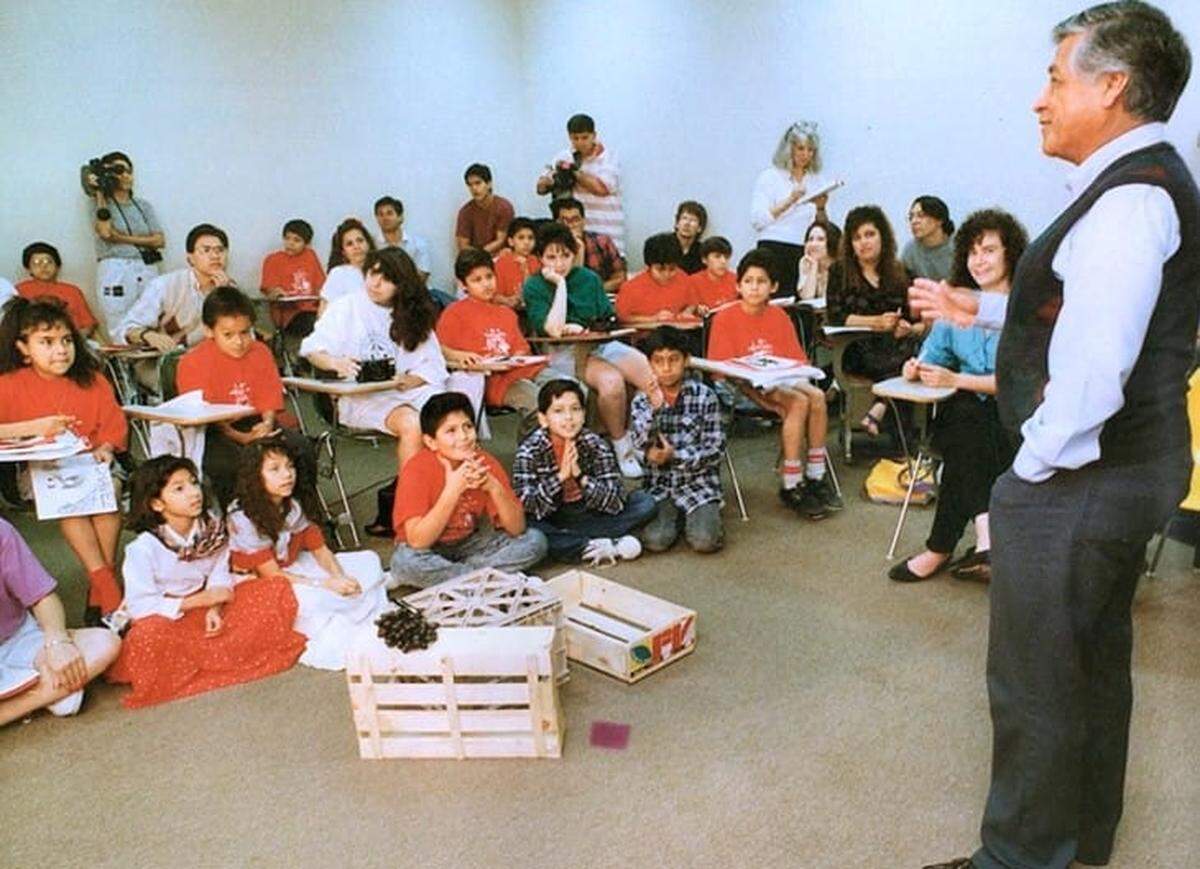
History’s movers are often flawed; what do we do with Founders?
One solution is to be much more circumspect about naming things for people in the first place. But even Chavez’s case shows that 30 years in the grave may not be enough for us to know the entire story. And honestly, the last thing our jaded society needs right now is fewer heroes.
This tension is front and center as we celebrate the 250th anniversary of American independence. Ken Burns’ documentary on the American Revolution, released late last year, drew some initial backlash for its moments of focus on those excluded from the promise of the Declaration of Independence: American Indians, slaves, free Black Americans and women.
I’ve circled back to reading about the revolution several times since the early simplistic versions I was taught in school, and each time the story is told, more room is carved out for these perspectives, as it should be.
Two things are true at the same time: The young United States and many of its Founders lived in ways that fell woefully short of the rhetoric they deployed to change human history, and yet they did change it. Their personal cruelties do not overwhelm the bold actions they took and the principles they espoused, even with varying levels of hypocrisy, to make maximum human freedom possible.
Don’t honor Cesar Chavez at expense of Dolores Huerta
With Chavez, the betrayal is too fresh to even consider leaving street signs, holidays and statues in place. It would be an insult to those who worked just as hard as he did and didn’t abuse their power. It would especially brutalize Dolores Huerta, his vital United Farm Workers partner who has revealed incredible suffering at Chavez’s hands, when attention should go to the remarkable fortitude and conviction that kept her working to improve life for so many others.
But should we go a generation or longer of erasing the memory of Chavez and what he stood for? We must learn about and from the people who changed the world for others even while acknowledging that they were human, and all humans, save the one Christians will venerate this weekend, are flawed.
We all hurt others. We all let our ambition outpace our judgment. We all enjoy ego gratification even while proclaiming to work on the behalf of others — though relatively few will sink to Chavez’s apparent depravity.
In the end, the solution is to tell the fullest possible story and celebrate progress for all those who benefit. Timing is everything, and Chavez’s moment in the spotlight is clearly over for now. Let his story teach us that neither instant beatification or knee-jerk repulsion deliver the full picture we need to see.