Texas can set data center rules that work for all. Here’s what to do next | Opinion
Texas just sent a clear message to data center developers: If you want to be a part of building the backbone of the future economy, we want your investments, but Texas families won’t be stuck with the bill.
Gov. Greg Abbott’s June 10 directive to shield residential ratepayers from the costs of data center expansion and protect our natural resources is not a brake on growth but an opportunity to shape it. We have the tools to strengthen our grid, protect our communities and keep Texas in the driver’s seat on innovation and national security. But it will take smart, targeted policy solutions to use those tools to achieve the central vision of the governor’s directive.
Abbott is right to insist that residential customers should not underwrite the cost of massive new data center infrastructure. Requiring large users to fully fund the lines, substations and upgrades needed to serve their facilities is common sense for pro-growth states such as Texas. These standards should operate as a clear baseline: If you want to interconnect with the Texas grid, you pay your fair share and don’t diminish reliability when our grid is stressed.
But if state leaders define every development guideline from the top down, we risk repeating the mistakes of high-regulation states that chased headlines instead of investment. Cities and counties typically negotiate zoning, water access and road improvements. They should have room to structure investment opportunities to their communities so long as they respect state-defined minimum standards for power, water, and potential noise limits.
From the Panhandle to the Rio Grande Valley, local leaders should not be restricted by state rule-making that keeps them from doing what’s best for their community.
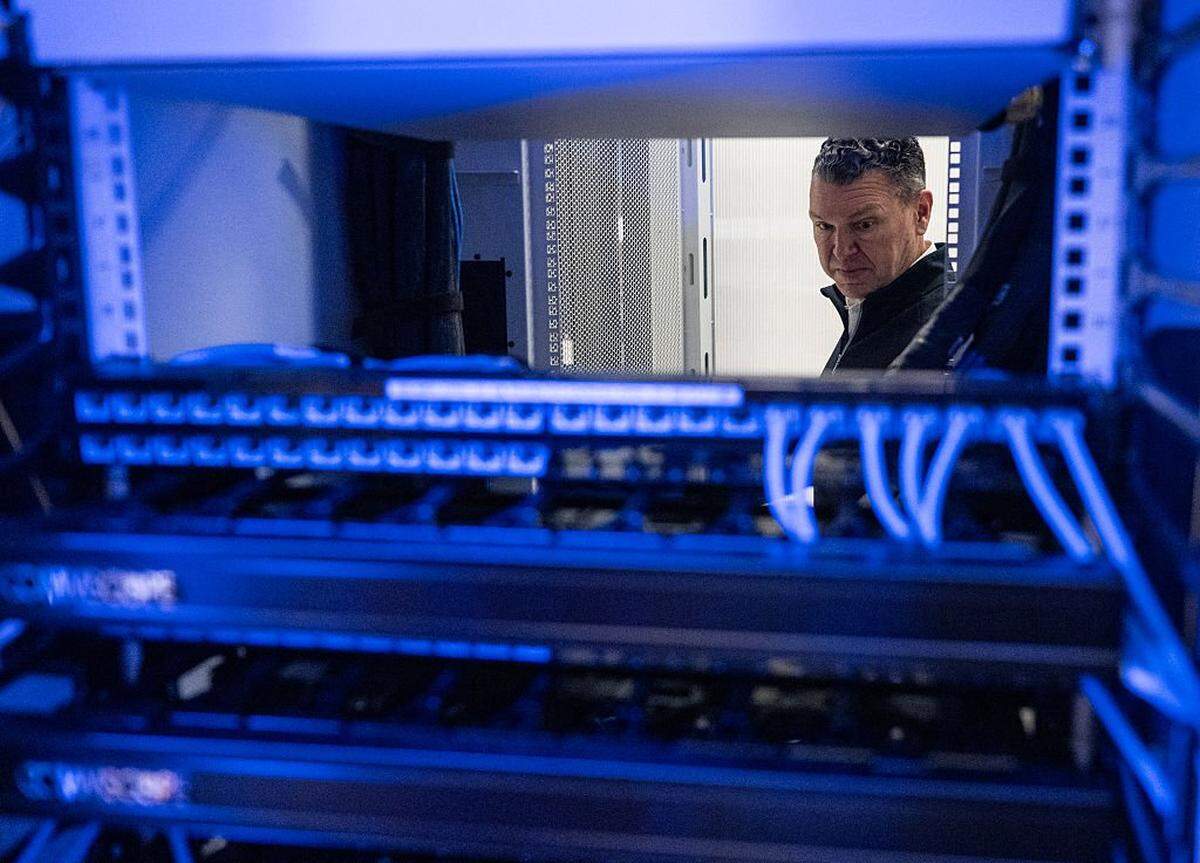
The reality is that the best companies in this space are already doing most of what Abbott has called for — routinely co-locating data centers with new power generation and battery storage, investing in demand-responsive operations and implementing high water-efficiency standards such as closed-loop systems.
Instead of treating the entire sector as a problem to be contained, Texas should explicitly reward the “good actors” who lean into this model. That means prioritizing projects that bring on-site or contracted generation, advanced cooling technologies and real-time participation in ERCOT demand-response programs.
It also means resisting the temptation to vilify technology companies for political sport, a trend we have seen in broader tech regulation debates. That ultimately undermines innovation without delivering real benefits to consumers.
Texans are rightly sensitive about water. Requiring water-efficient cooling, better usage reporting and common-sense protections for nearby neighborhoods is not an attack on innovation. Rather, it’s the price of admission for building long-lived infrastructure in communities that are already balancing rapid population growth, periods of drought and increased strain on local infrastructure.
Clear expectations around water use, setbacks, and noise give local officials the confidence to say “yes” to projects that are designed to be good neighbors from day one. The state can set basic standards for cooling technology and reporting, while letting local water districts and counties tailor more specific requirements to their basins and systems. That cooperative model is far more likely to produce durable public support than a statewide clampdown, a patchwork of short-sighted “moratoriums” or an unstructured free-for-all that leaves residents feeling steamrolled.
The stakes here are bigger than just one sector. Data centers sit at the heart of artificial intelligence, cloud computing and defense-related workloads that are central to America’s competition with China and to President Donald Trump’s national AI legislative framework. If we push these investments to other states or overseas, we do not reduce global energy consumption — we simply lose control over how and where the energy is produced and how securely the data is handled. Texas has already shown that it can marry pro-growth energy policy with responsible planning.
As legislative committees continue to dig into grid reliability, permitting and economic development in advance of next year’s session, they should view Abbott’s directive as an invitation to design smart, flexible tools, including modernized incentives tied to performance and streamlined permitting for projects that exceed baseline standards. With that framework, data centers will become a cornerstone of our energy and economic strategies.
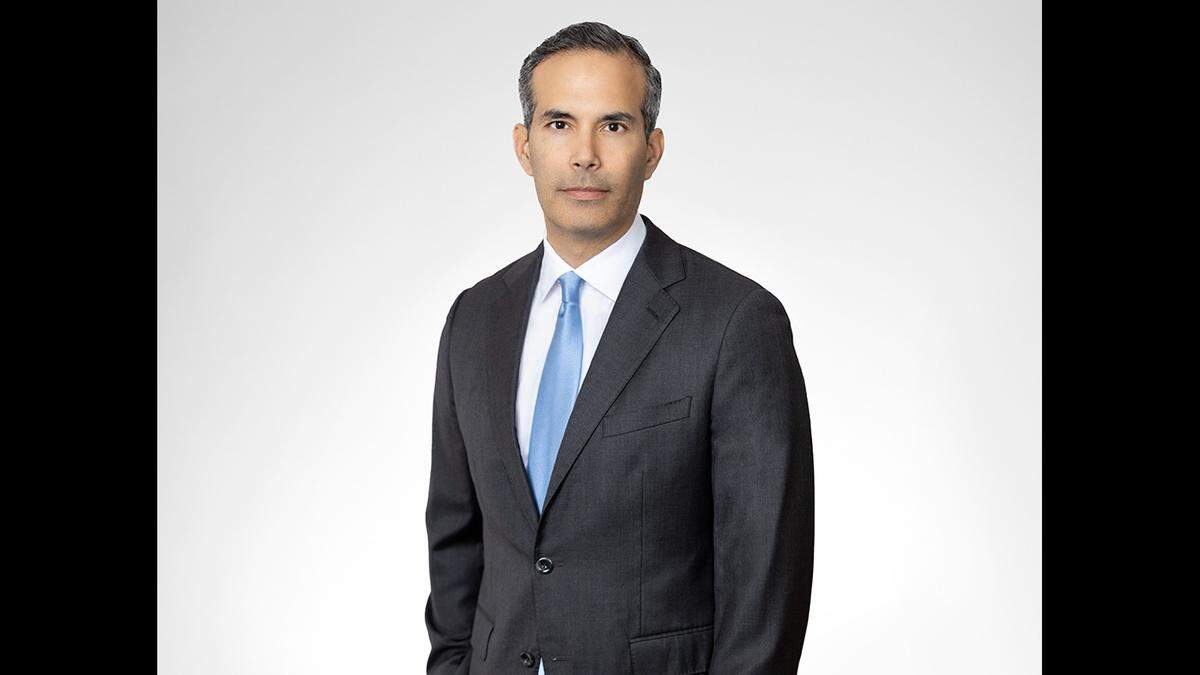
George P. Bush served as Texas land commissioner from 2015 to 2023.