Budget crunch proves Fort Worth’s approach to growth no longer works | Opinion
What does it mean to live in a city that keeps growing but feels harder to keep up with?
How do residents reconcile the pride of being “the fastest‑growing big city” with the frustration of strained services, aging infrastructure and warnings of long‑term budget pressure?
And perhaps most importantly: why does it feel like the math no longer adds up?
These are not abstract questions. They are the lived experience of thousands of Fort Worth residents who see a booming skyline and wonder whether their city can afford the basics.
For a quarter of a century, Fort Worth’s rapid growth has been treated as a sign of success — evidence that we are attracting people, jobs and investment. Yet today, the city is warning residents of a sustained budget strain.
A high‑growth city facing a long‑term budget crisis raises a fundamental question: How did a model built on expansion leave us unable to afford the basics?
Organizations such as Strong Towns have spent years documenting why fast‑growing cities often find themselves in this position. The pattern is consistent across the country: New development brings short‑term revenue, but it also brings long‑term obligations — roads, pipes, parks, fire stations, and the maintenance that never goes away. When a city grows outward faster than it grows its tax base per acre, the math eventually stops working.
Fort Worth is now confronting that math.
For decades, our development approach has relied on the assumption that new growth will pay for the last round of growth. But each new subdivision, each new arterial road, each new utility extension adds more long‑term liabilities than the tax base can support. The result is a city that looks prosperous on the surface while struggling to maintain the very infrastructure that prosperity depends on.
This is not a failure of any one leader or department, and it has been decades in the making. It is a structural issue — one shared by other cities. But acknowledging the problem is the first step toward solving it.
At Community Design Fort Worth, we believe this moment calls for clear public conversation and serious soul‑searching. Our nonprofit has spent years helping residents understand how land use, infrastructure, and design decisions shape the fiscal health of the city.
We have championed incremental, neighborhood‑scale development; stronger design standards; modernization of our zoning ordinance; reinvestment in existing communities; and meaningful community engagement and education, which are critical to finding a path forward. These are not abstract ideas — they are practical tools for building a city that can afford its future.
A more financially resilient Fort Worth will require:
- Rebalancing growth toward areas of the city where infrastructure already exists.
- Evaluating development decisions based on long‑term maintenance costs, not just short‑term gains.
- Aligning design and zoning standards with development patterns that produce higher value per acre and reduce long‑term fiscal strain.
- Implementing zoning standards that better reflect lived experiences and cultural needs.
- Prioritizing small, incremental development and improvements that build wealth locally rather than relying on large, expensive expansions.
- Engaging residents honestly about the tradeoffs required to sustain a fast‑growing city.
These principles echo what Strong Towns has highlighted nationally: a city must grow in a way that strengthens its financial position and enhances long‑term livability, rather than undermining it.
Fort Worth has the talent, civic pride and community energy to make this shift. But it will require a willingness to question long‑standing assumptions about what “growth” means. It will require transparency about the true cost of our development patterns. And it will require leadership willing to prioritize long‑term stability over short‑term wins.
The budget pressures projected through 2033 are not a temporary inconvenience. They are a signal that the city must rethink how it grows, invests and measures success.
The good news is that the path forward is clear. Cities across the country are already embracing more fiscally responsible, community‑centered approaches to growth. Fort Worth can do the same.
But first, we must be honest about how we got here. And we must choose, together, to do better. Community Design Fort Worth looks forward to engaging residents, partners, and civic leaders in the conversations needed to do so.
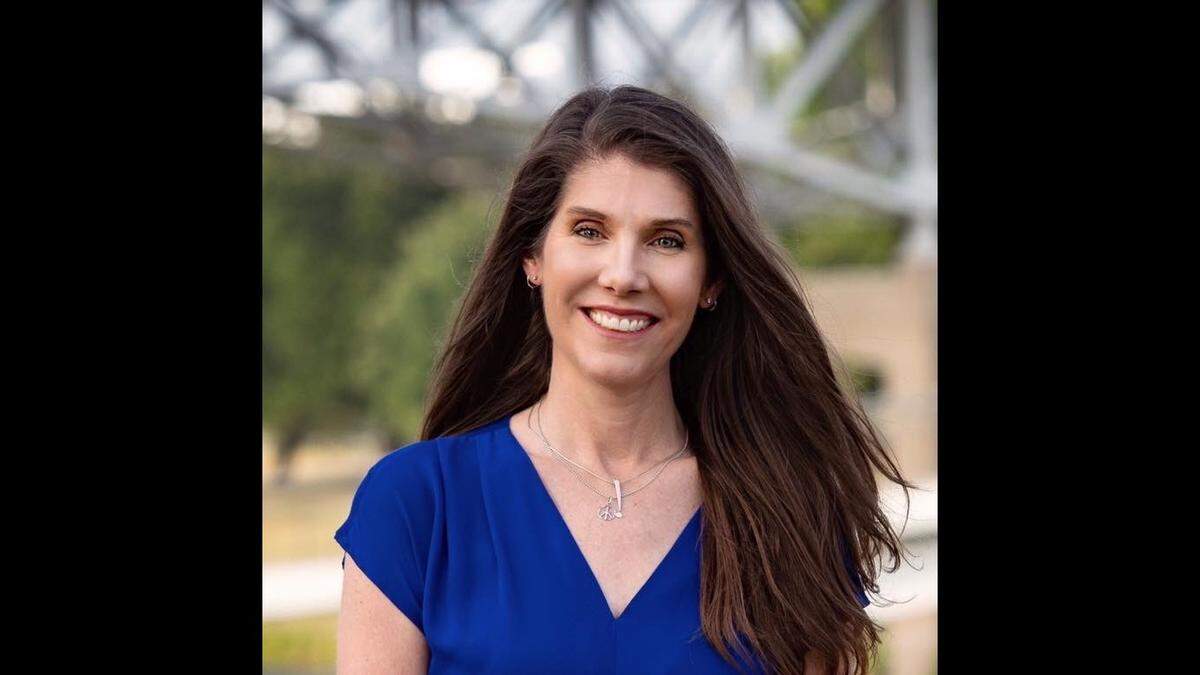
Ann Zadeh is the executive director of Community Design Fort Worth, a nonprofit organization dedicated to enhancing the quality of life in Fort Worth through thoughtful urban planning and design. She represented District 9 on the Fort Worth City Council from 2014 to 2021.