How Fort Worth ISD failed me as a student, even when I asked for help | Opinion
If you have a child struggling in a Fort Worth school, you’re probably asking yourself why, wondering if you have failed as a parent. Don’t blame yourself. You didn’t fail your child. Fort Worth ISD did.
I didn’t realize that truth until I took the SAT my junior year at South Hills High School. I was unaware of the exam’s significance and power. I was told to sit, handed a pencil and expected to perform without anybody telling me beforehand that preparation was needed.
This moment wasn’t an accident. This is what the school district has been doing for who knows how long, pushing students through the system without giving them a proper education and simply making way for the next kid.
Fort Worth ISD failed me for my entire academic career. My schools lowered expectations for me, offered little guidance and presented high school graduation as the main goal rather than the bare minimum it should have been.
In October, the Texas Education Agency stepped in to take control of the district, which may sound like a chance to fix the district’s problems. We need to understand that the real issue isn’t bureaucratic disorganization; it’s the lack of mentorship, opportunity and belief in a student’s potential.
I was once curious and academically driven to excel in every subject I encountered in school. I wanted to become an aerospace engineer and potentially work for NASA, but the system didn’t help me reach that goal. Not fully aware of how the system worked and putting my trust in it, I was rapidly pushed down the pipeline. I asked to be placed in advanced courses, but changes weren’t made.
When I asked how to prepare for major exams, nobody showed me. I asked for guidance on how to reach my goals, but I was pushed to the side, added to a waiting list only to never be heard.
The most bizarre part is that I was taught to believe this was the norm. That just pushing through the system, period by period and grade by grade, was how school was supposed to work.
By my senior year, the frustration that had built for years turned into anger. I watched the district slowly drain my ambition and close the doors of opportunity for me. I didn’t let the district make me bitter and define who I am. I sought and found the perfect opportunity: I enlisted in the U.S. Marine Corps because I knew this system would demand excellence from me.
While in the service, I met brothers and sisters in arms who were from all around the nation, many coming from difficult backgrounds, as difficult as mine or worse. One thing I noticed was that many spoke, thought and functioned like scholars. I felt ashamed, but luckily the Marine Corps didn’t just teach me infantry skills; it taught me proper English grammar, history, geography and even mathematics, subjects that I should have mastered before I put on my uniform. I came to wonder: If the Marine Corps could help me master academic fundamentals in a year, what was Fort Worth ISD doing with me for 13 years?
The knowledge that I gained helped me get accepted into the prestigious Columbia University, a goal that would have been impossible with just my Fort Worth ISD education.
My experience isn’t unique. My cousin Brandon Molina, a 2015 graduate of Diamond Hill-Jarvis High School, earned the competitive Texas Christian University Community Scholars scholarship, but he did it on his own. He did his own research, prepared alone and pushed himself, though he struggled. “I was not equipped or prepared properly for college, so my first college year was extremely difficult,” Brandon told me. He struggled so much that he ended up on academic probation, which could have been prevented.
More than 75% of Fort Worth ISD students were at risk of dropping out as of 2024, much higher than the state average of 53.2%. When a district has that many “at risk” students, it doesn’t just give us a warning sign; it shows us that there is something completely wrong with the system.
Yes, 82.5% of Fort Worth students are economically disadvantaged, and poverty does affect learning. But poverty doesn’t excuse the system’s indifference. Guidance doesn’t require a cent. Encouragement doesn’t require a loan. Pushing students to take advanced classes, explaining how an exam works, and showing them that opportunities exist, these are choices. The district doesn’t make them.
Many people see the state takeover as good news. A new board of managers will fix budget issues and set new district policies, but this will not help prepare students for the world.
The takeover might solve the issues at the top of the chain of command, but it will not fix the quiet failures that are happening every day in classrooms, hallways and counselors’ offices. I failed in Fort Worth ISD not because of a missing budget line but because I missed opportunities when no one showed me a path, even when I asked for it.
The state can replace a school board, but it cannot replace belief, mentorship or guidance. Until the district gives students those things, it doesn’t matter how much restructuring is done: Fort Worth ISD will not prepare students for the future they deserve.
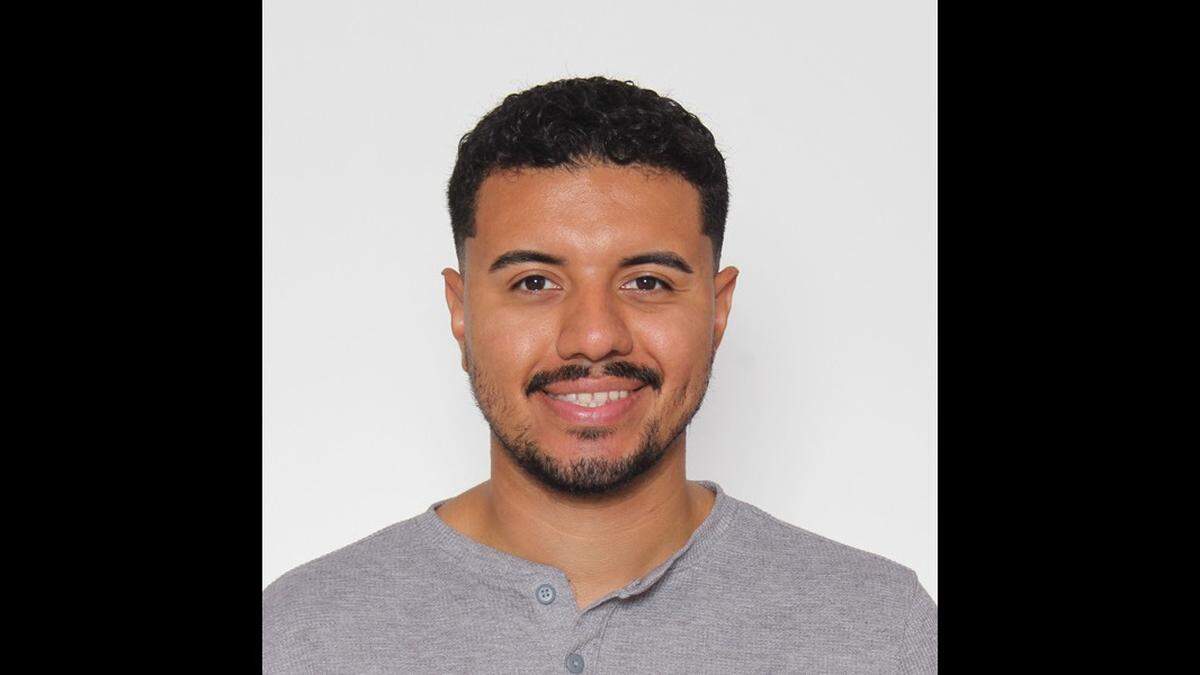
Bayron Aguilar is a graduate of South Hills High School and a student at Columbia University in New York.