
There’s still time for Texas to stop execution of an innocent man | Opinion
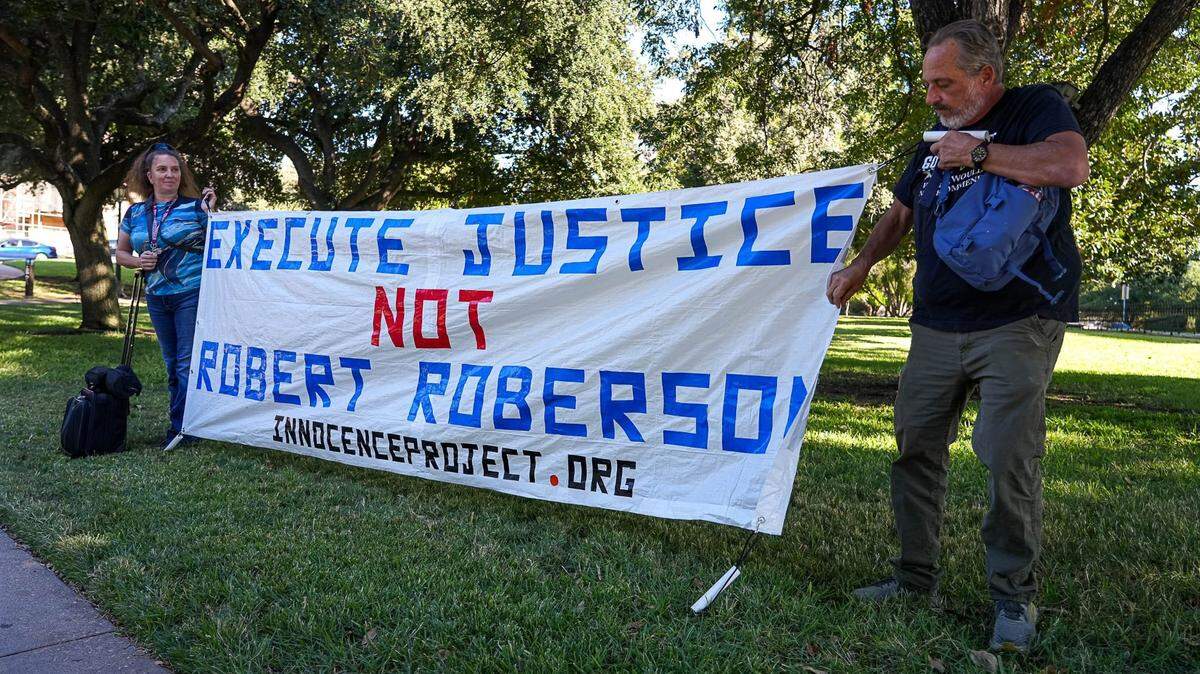
The clock is ticking down to the scheduled execution of a Texas man.
If Robert Roberson is executed Oct. 16, he would be the first person in the world executed based on the now-discredited Shaken Baby Syndrome, or SBS, hypothesis. An overwhelming and diverse coalition supports Roberson, including the former lead detective who testified against him, highly credentialed medical experts from an array of disciplines, a bipartisan group of Texas lawmakers, autism advocates and best-selling author John Grisham.
We and our co-authors of a book examining the SBS hypothesis also believe the objective medical evidence proves that Roberson’s chronically ill toddler, Nikki, died from natural and accidental causes, not abuse. Roberson is an innocent man, facing the death penalty for a tragedy falsely labeled as a crime.
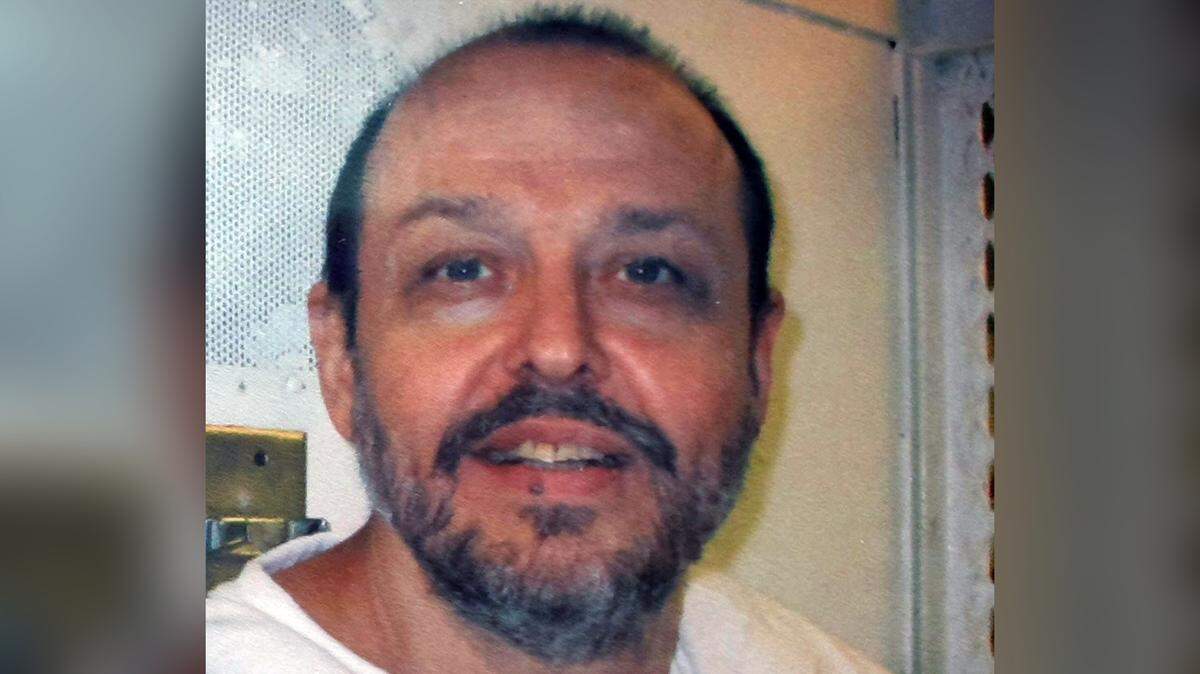
We have thus been disheartened to see attempts to validate Roberson’s conviction by defenders of the embattled SBS hypothesis within the pediatric community responsible for propagating the unvalidated hypothesis decades ago. However, they seem entirely unaware of the objective medical evidence.
That evidence includes medical records documenting Nikki’s history of chronic infection and alarming episodes in which she ceased breathing, collapsed, turned blue and had to be revived. CT scans taken during her final hospitalization show only a single bump on Nikki’s head (consistent with her reported fall from bed — not multiple impact sites). Microscopic analysis of her lung tissue reveals severe viral and bacterial pneumonia.
There’s more. Toxicology reports show lethal amounts of dangerous prescription medications in Nikki’s bloodstream, prescribed by doctors who had missed her pneumonia. Blood tests reveal a serious clotting disorder that made her more susceptible to internal bleeding and bruising during her final hospitalization.
None of this evidence was considered by the medical examiner who conducted a hasty autopsy after Nikki was removed from life support after two days of extensive medical triage. Abuse was simply presumed.
Experts in biomechanics, forensic pathology, lung pathology, neuropathology, neurosurgery, pediatric radiology, medical toxicology and bleeding disorders have now submitted detailed reports about Nikki’s condition. Collectively, they explain that Nikki died from undiagnosed pneumonia and the effect of respiratory-suppressing medications that should not have been prescribed.
The unchecked progression of her infection caused a blood-clotting disorder, sepsis, a short fall out of bed and then respiratory and cardiac arrest. There is no evidence that she was violently shaken or otherwise abused.
Today, even the most ardent proponents of the notion that abuse can be “diagnosed” admit that a “differential diagnosis” is required before doctors leap to accusing parents of children in a medical crisis. That process mandates analyzing all possible causes of a medical condition, such as illness or accident, before abuse is posited.
There was no differential diagnosis in this case; an explicit “Shaken Baby” diagnosis was made without considering Nikki’s medical history or current illness. Instead, the prosecution’s narrative, based on the SBS orthodoxy at that time, was that a trio of intracranial conditions that Nikki had was sufficient to presume that she had been abused.
As we explain in the first interdisciplinary treatise on the subject: “The Shaken Baby Syndrome: Investigating the Abusive Head Trauma Controversy,” scientific and medical advancements have thoroughly debunked the SBS hypothesis. Indeed, SBS was — and is — a hypothesis, simply an idea that needed to be tested. Since that idea was proposed in 1971, it has not withstood scientific scrutiny.
The SBS hypothesis rested on an assumption that a certain set of intracranial conditions, in the absence of external injuries, “proved” violent shaking had occurred. Evidence-based science has now established that many naturally occurring phenomena, including pneumonia, bleeding disorders, and accidental falls with head impact, can cause the same internal head conditions previously viewed as “diagnostic” markers of abuse.
We also now know, from biomechanical models, that even the most violent shaking an adult can produce fails to achieve injury thresholds for rupture of bridging veins in healthy infants. Thus, science now tells us that shaking is a highly improbable cause of Nikki’s internal symptoms.
Even the originator of the SBS hypothesis, Dr. Norman Guthkelch, ultimately expressed concern that his “suggestion” had been used to prosecute anyone. He would have been horrified to see that Texas intends to rely on his thought-experiment to execute someone.
Even if one accepts the current version of SBS, now known as “abusive head trauma,” it does not pass muster in Roberson’s case because no differential diagnosis was undertaken. The innocent causes of death apparent from the medical records were never ruled out.
An analysis of the objective medical evidence documenting Nikki’s condition, using contemporary scientific knowledge, plainly shows that Nikki’s death was not a homicide.
Texas must be willing to admit a mistake and prevent a wrongful execution.
Keith Findley is the founder of the Center for Integrity in Forensic Sciences and co-founder of the Wisconsin Innocence Project. Waney Squier is a retired pediatric neuropathologist at Oxford University’s John Radcliffe Hospital. They are co-editors of “Shaken Baby Syndrome: Investigating the Abusive Head Trauma Controversy.” Other contributors to the book, including Chris Brook, Cyrille Rossant, Kana Sasakura, Leila Schneps and Knut Wester, concur with this article.