From courts to mentoring leaders like me, Clifford Davis made Fort Worth more just | Opinion
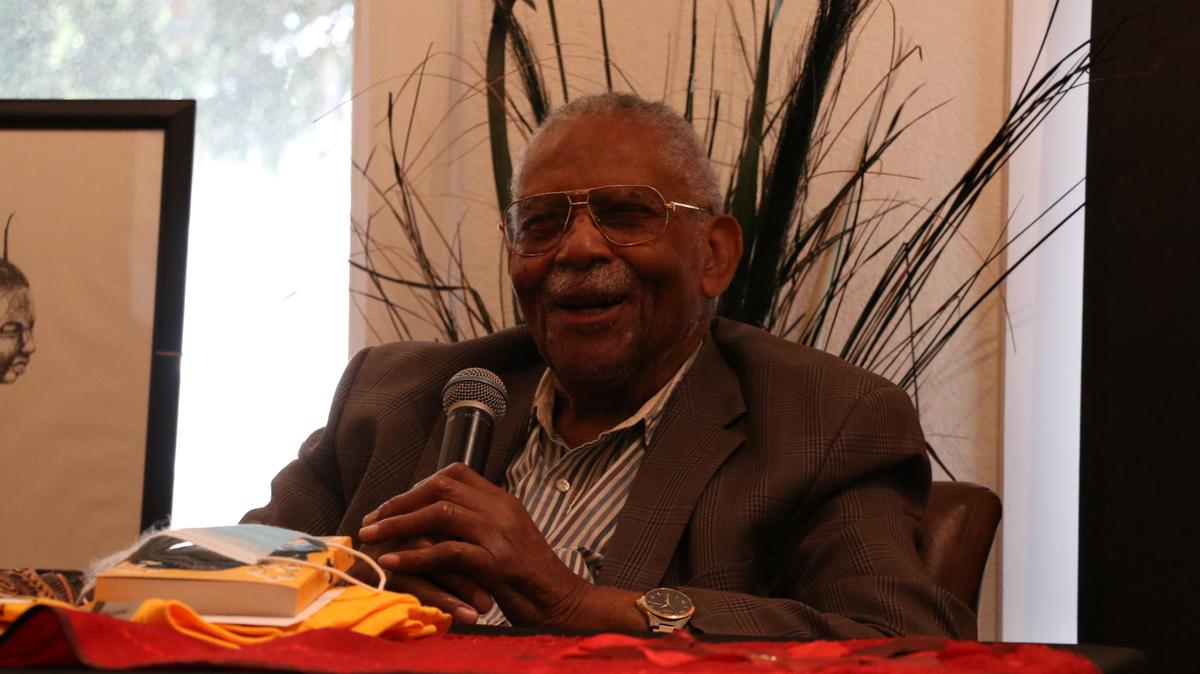
There are some people whose impact is so profound that it cannot be measured in a single lifetime. Judge Clifford Davis was one of those rare individuals.
Even in this moment of loss, we can already see the ways in which his work, his words and his unwavering belief in justice continue to shape the world around us. The future will be forever changed by the path he carved and the lives he touched.
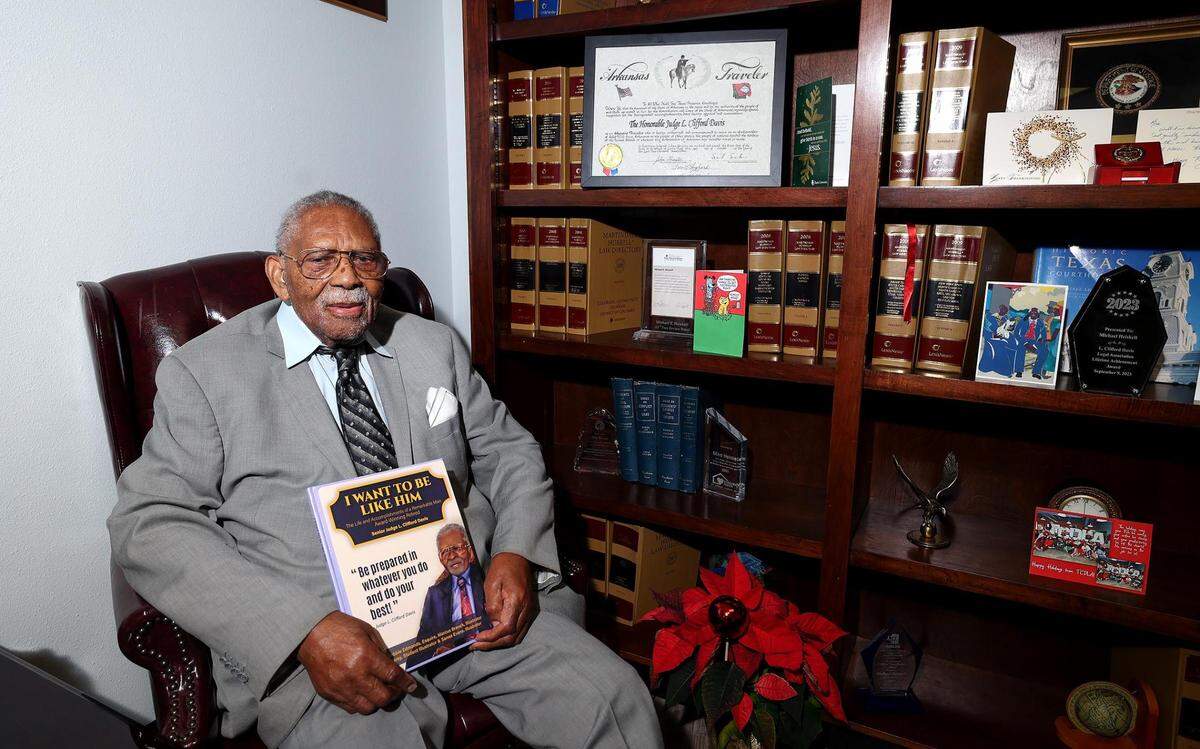
I was fortunate to have known Judge Davis, who died Feb. 15 at age 100, my entire life. Every Sunday, I saw him in the pews of Saint Andrews United Methodist Church, where his presence was a quiet but powerful reminder of what it means to live a life of service. We were both proud alumni of Philander Smith University, an institution that instilled in us the belief that education is a tool for not just personal advancement but also for the pursuit of justice.
As I grew into my own leadership roles, he was more than a mentor; he was an example of what it means to dedicate oneself wholly to the work of uplifting others.
Judge Davis never sought the spotlight, yet his work illuminated the path for so many. He was one of the first Black attorneys in Fort Worth, stepping into courtrooms where the law was too often wielded as a weapon of oppression rather than a shield of protection.
He did not accept that reality, he changed it. His lawsuits forced the desegregation of Mansfield and Fort Worth school districts, ensuring that Black students could walk through doors that had long been closed to them. He shattered barriers again when he became one of the first Black district judges in Tarrant County, proving that justice belongs to all of us, not just to those whom history had favored.
But the true measure of his work is not in the cases he won or the positions he held — it is in the lives he changed. It is in the students who received an education because he fought for their right to learn. It is in the leaders, like myself, who were shaped by his wisdom and example. It is in the communities that are stronger because he refused to accept injustice as the status quo.
We live in a time when the very ideals Judge Davis spent his life fighting for are under attack. The right to vote is being restricted under the guise of election security. The promise of equal education remains unfulfilled for too many children of color. The principle of justice — true, impartial, and equitable justice — is often overshadowed by political convenience and institutional inertia.
The battles Judge Davis waged are not relics of the past. They are the very struggles that define our present.
And yet, Judge Davis’ life reminds us that change is not an abstraction; it is the work of human hands. It is the work of those who refuse to be silent in the face of injustice, who press forward even when the odds seem insurmountable, who understand that progress is not inevitable but must be fought for, protected, and passed on. His life teaches us that the law should be the people’s greatest protection, not their greatest fear. That justice is not an ideal to aspire to, but a duty to uphold. That equity should not be a privilege, but a guarantee.
His mentorship was not just about offering guidance, it was about planting seeds that would bear fruit long after he was gone. I am one of those seeds, and I know I am not alone. Every student who walked through the doors Judge Davis helped open, every lawyer who followed in his footsteps, every community leader who has been shaped by his work carries a part of his legacy forward. That is the power of a purpose-driven life.
Isaiah 1:17 commands us: “Learn to do right; seek justice. Defend the oppressed. Take up the cause of the fatherless; plead the case of the widow.” Judge Davis lived these words with every breath, every case, every fight. Now, it falls to us to carry that mission forward.
His light has not dimmed; it has only been entrusted to us. May we honor him not just in memory, but in action.
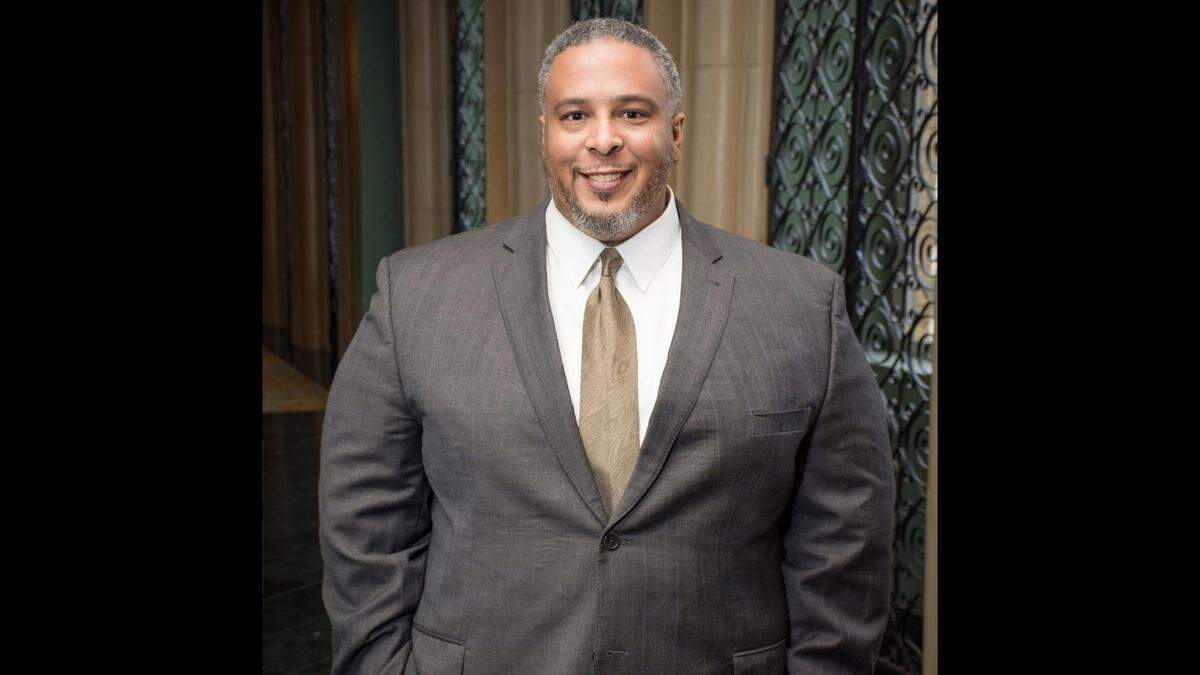
Roderick Miles Jr. of Fort Worth is the Tarrant County commissioner for Precinct 1, covering southwest Arlington, Burleson and Crowley, and south and east Fort Worth.