When a Texas school hung effigies to scare Black teens away, Davis led us all forward | Opinion
If Fort Worth had a Mount Rushmore, you can guess who’d be there. I’d say Amon Carter, Van Cliburn, Ben Hogan and Sid Richardson.
But I also could make an argument for this version: basketball-star-turned-business-leader James I. Cash, Judge Clifford Davis, banker “Gooseneck Bill” McDonald and Opal Lee.
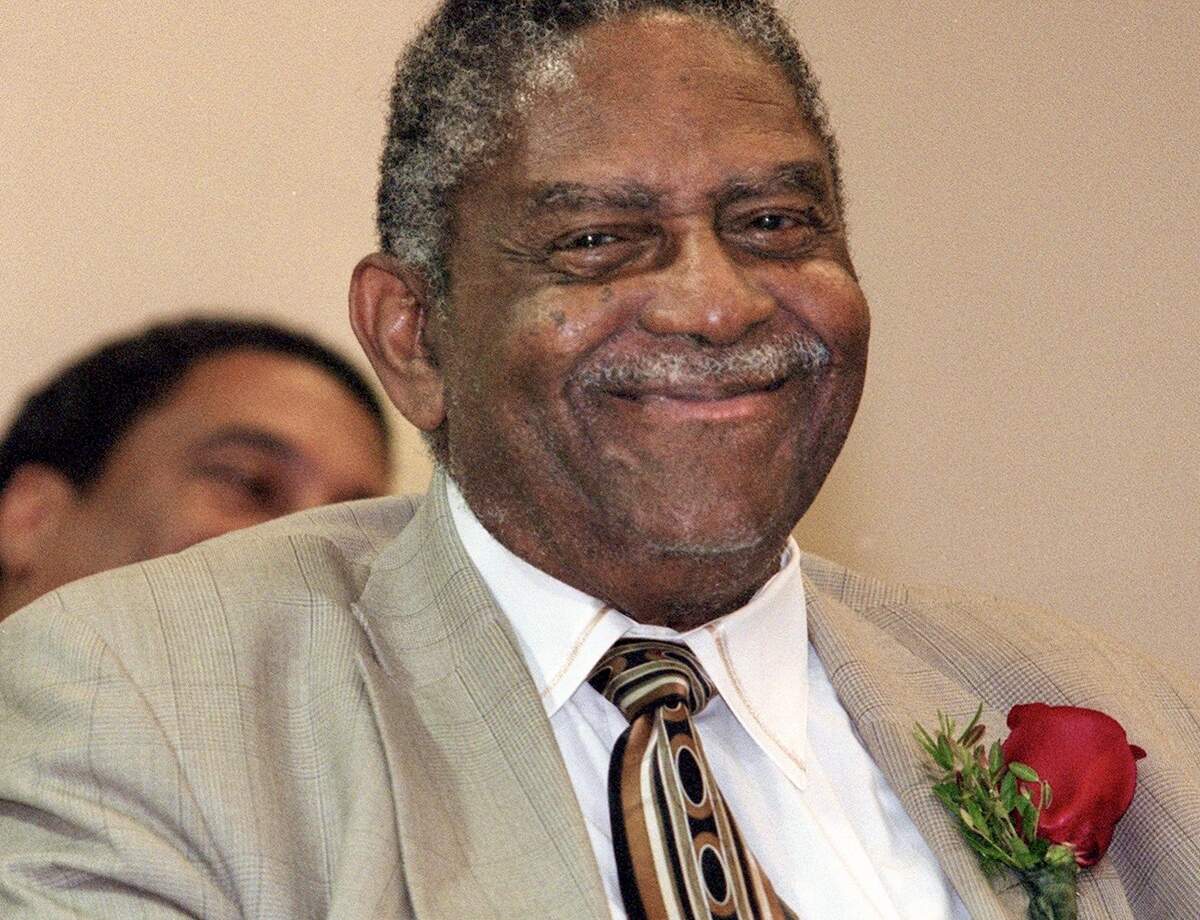
Until Lee’s heroic late-in-life stardom as the “Grandmother of Juneteenth,” Davis was the city’s best-known civil rights champion. He is the courtroom leader who brought freedom and equality to all Fort Worth, and then mentored dozens of young lawyers to follow him.
The news stories about his passing last week at 100 talked about his career as a trusted lawyer, district judge and model of true justice in the legal community.
But the stories didn’t talk about the effigies.
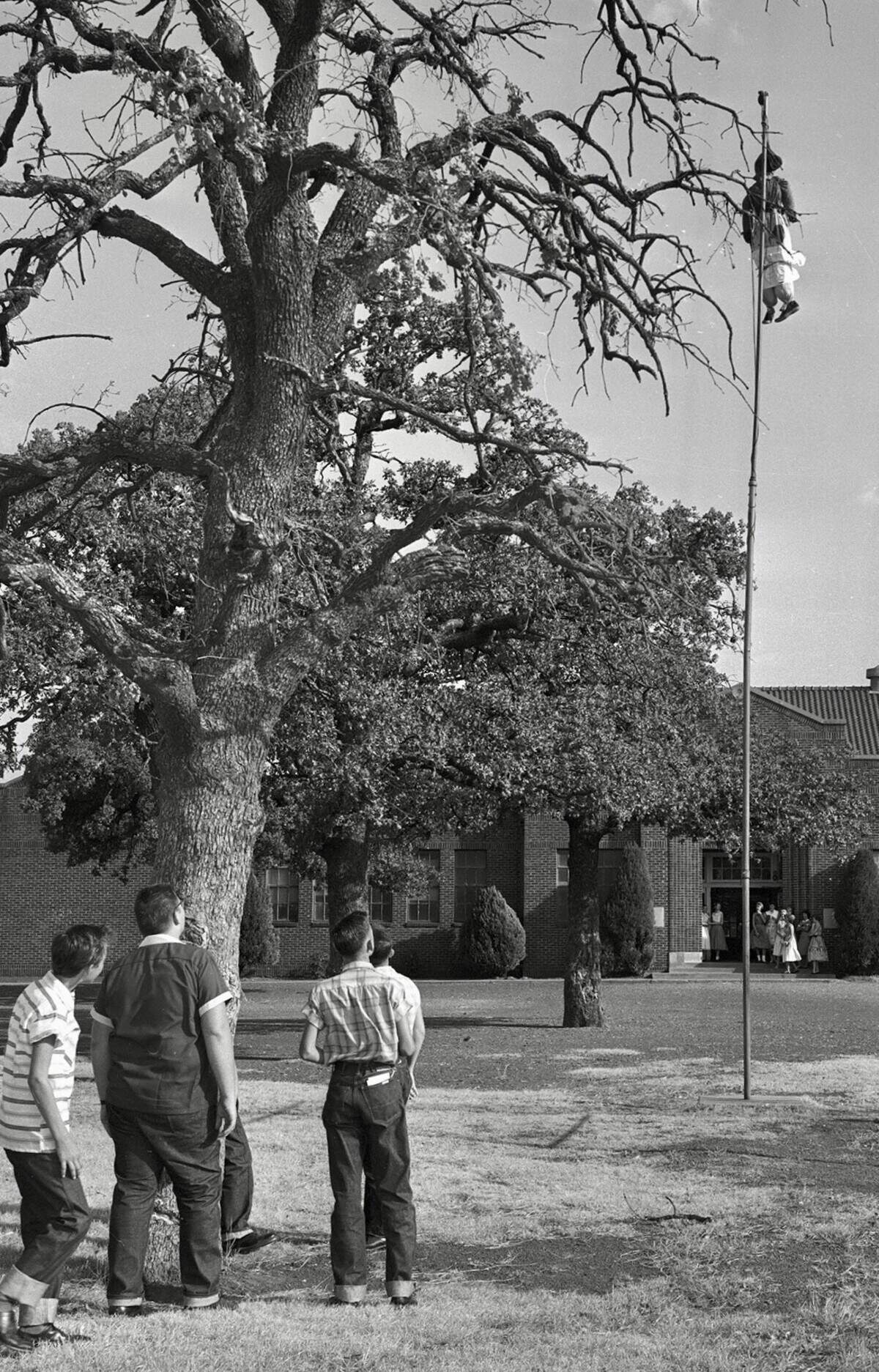
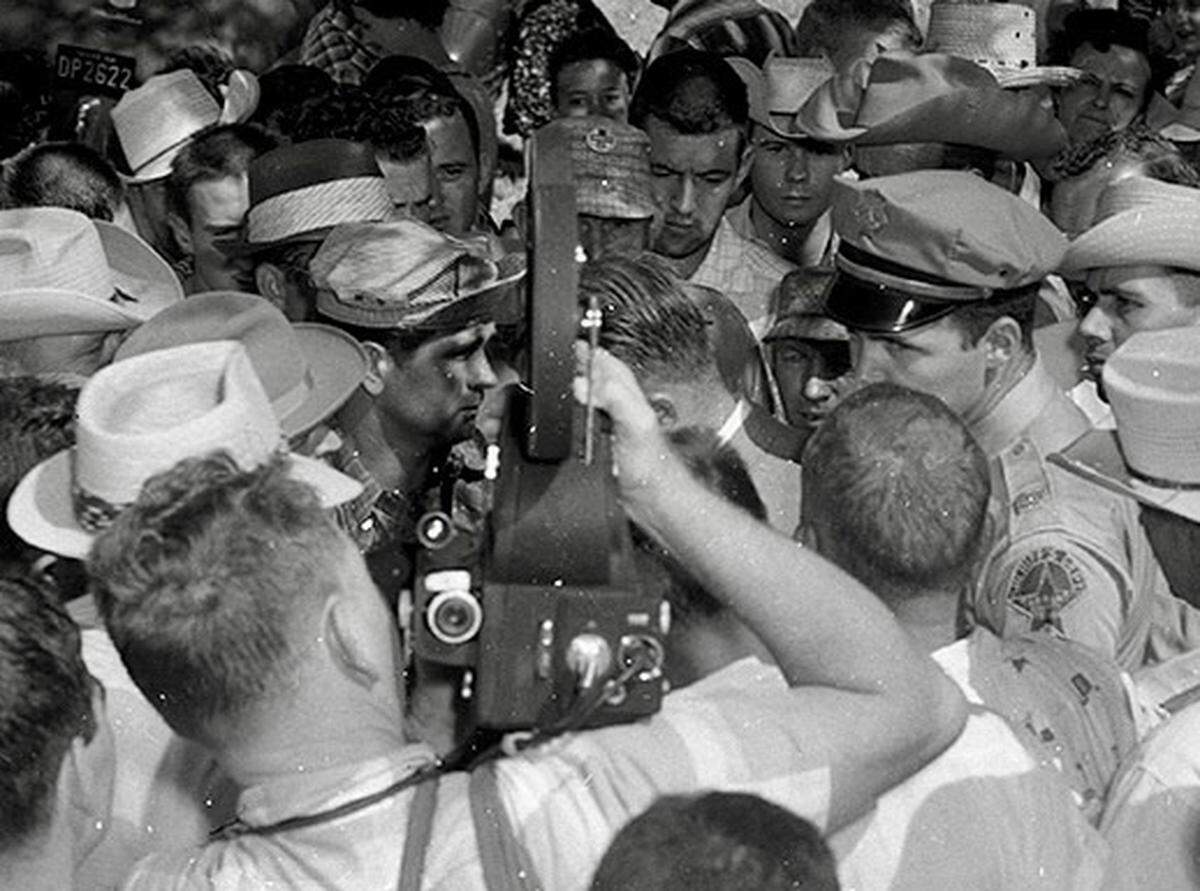
In 1956, a white mob rioted in Mansfield and hung three effigies — one on Main Street and two at the high school — to scare Black students away.
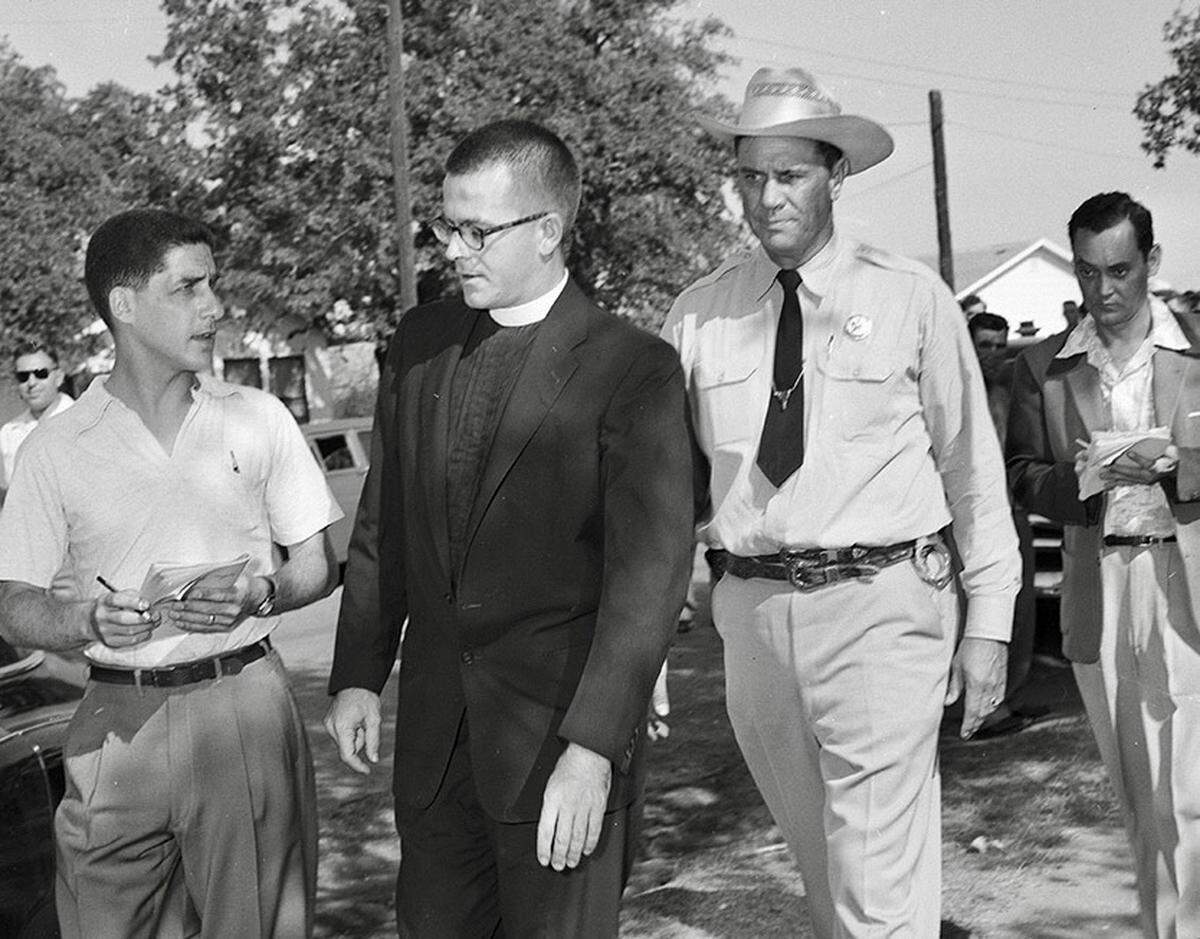
An Episcopal priest got shoved.
A Tarrant County prosecutor got roughed up.
The segregationist mob took and smashed the gear of a camera operator for a national news service.
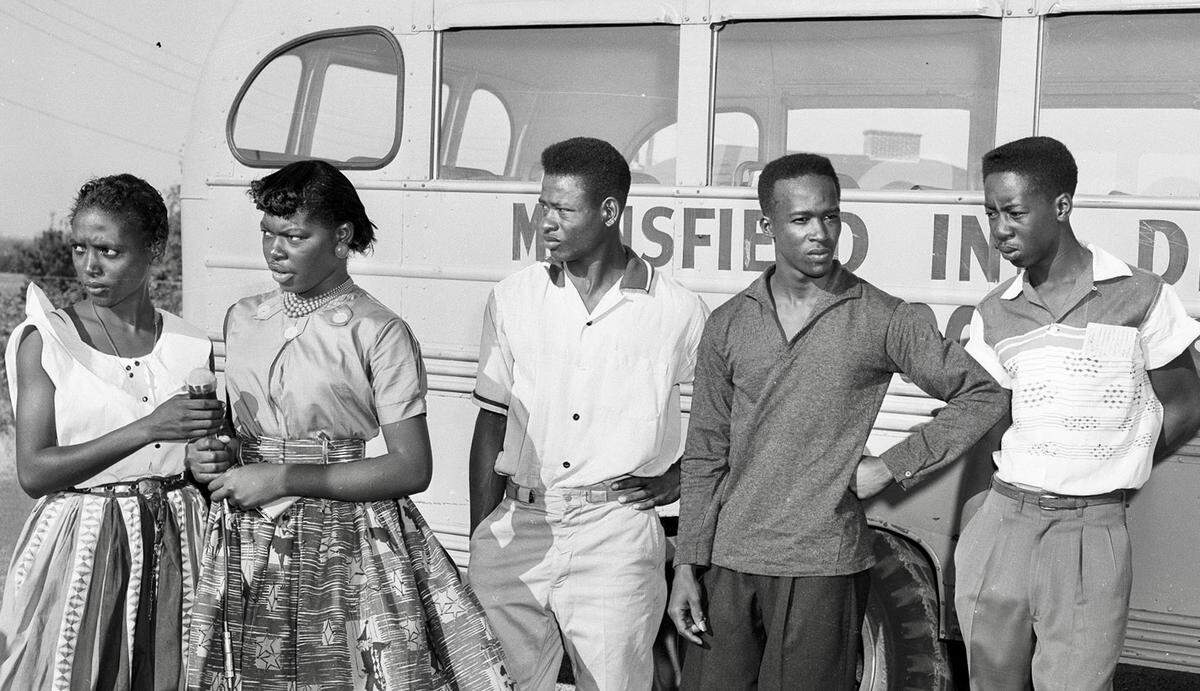
Davis was the lawyer for Black students Charles and Floyd Moody and Nathaniel Jackson. They had won their constitutional right in court to go to school in Mansfield instead of riding a Trailways bus every day to downtown Fort Worth.
Davis told them not to confront the armed mob.
He won in the long run. But it took years.
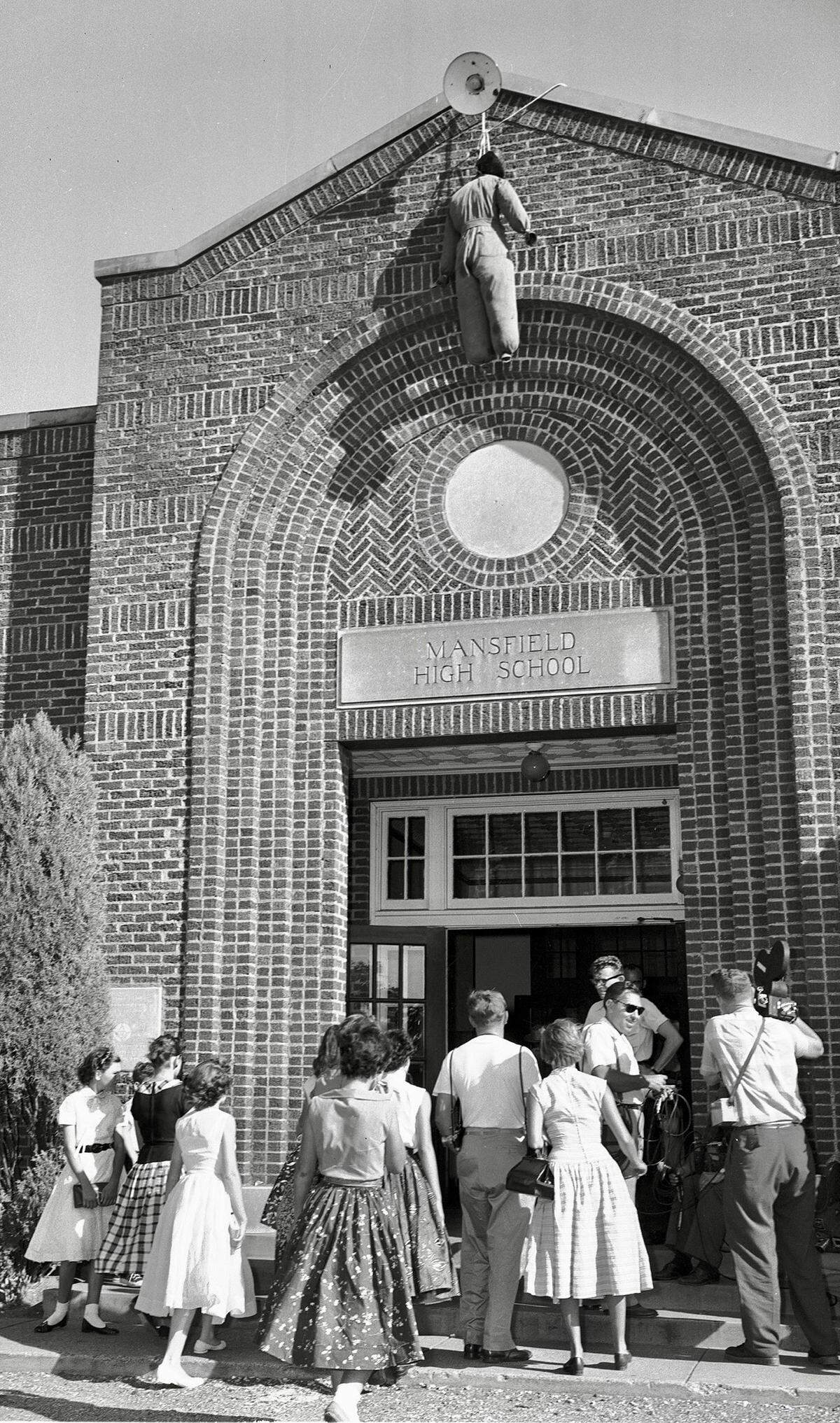
“They put the effigy figure on the flagpole ... We were not going to go up there on that campus,” Davis said in a 2019 Star-Telegram interview.
Actually, there were three effigies.
One was dangled by a noose over Main Street downtown with a sign reading, “This negro tried to enter white School. This Would be a Horrible way to Die.”
Another effigy was hung from the school flagpole, and another from the roof over the door.
Principal Willie Pigg and Superintendent R.L. Huffman said to leave them up. Texas Rangers calmed the mob but ignored the effigies.
Accounts dispute whether the effigies were meant to represent Davis or the Moodys, sons of the Mansfield NAACP leader.
But in 1999, when Star-Telegram columnist Bob Ray Sanders interviewed one of the participants, the man said he and a city official’s son hung the effigy on the flagpole. He called it a prank.
In 1956, the man was 36. His own 14-year-old son wanted to hang an effigy too, so the boy made another one and hung it over the school door.
For Davis’ 100th birthday, U.S. Rep. Marc Veasey told the House how Davis grew up in small-town Arkansas and was accepted to the University of Arkansas law school but didn’t go.
He was told he had to pay cash up front because he was Black. So he went to Howard.
“He integrated the Mansfield Independent School District,” Veasey said in the House. “Judge Davis received threats. They hung an effigy of his image up in the school ... He received so much hate mail and threatening mail.”
Veasey thanked Davis “for the risks he and his family took to help make this country better.”
Davis’ interviews in ensuing years have been consistently modest and optimistic.
He later filed a lawsuit and led the effort to desegregate the Fort Worth schools. It took years, but Davis was consistently complimentary of school officials.
“Let me say this: We did not have the resistance in Fort Worth that many other Southern communities experienced,” Davis said in a 2014 interview.
“There were people of good will in Fort Worth that would respond to our efforts to bring about fair play and opportunity.”
Davis said in a 2014 oral history interview that his only regret is that “we have been unable to get the masses of white people to understand that [civil rights] impacts them, too. ... All of us need to be working for the mutual benefit of all of us.”
Even when a Fort Worth elementary school was named for him and he was credited with desegregating the schools, Davis shied back.
“I don’t claim to be solely responsible for all this,” he said in a 2024 WFAA interview. “I helped bring these changes.”
He bravely led us toward a better Fort Worth.
This story was originally published February 21, 2025 at 5:34 AM.