
With poor test scores and wasteful budget, FWISD hasn’t earned trust for bond package
Taxpayers and parents should not reward the current Fort Worth ISD Board of Trustees with $1.5 billion (plus interest) in bonds the district has proposed. They cannot be trusted to make good decisions.
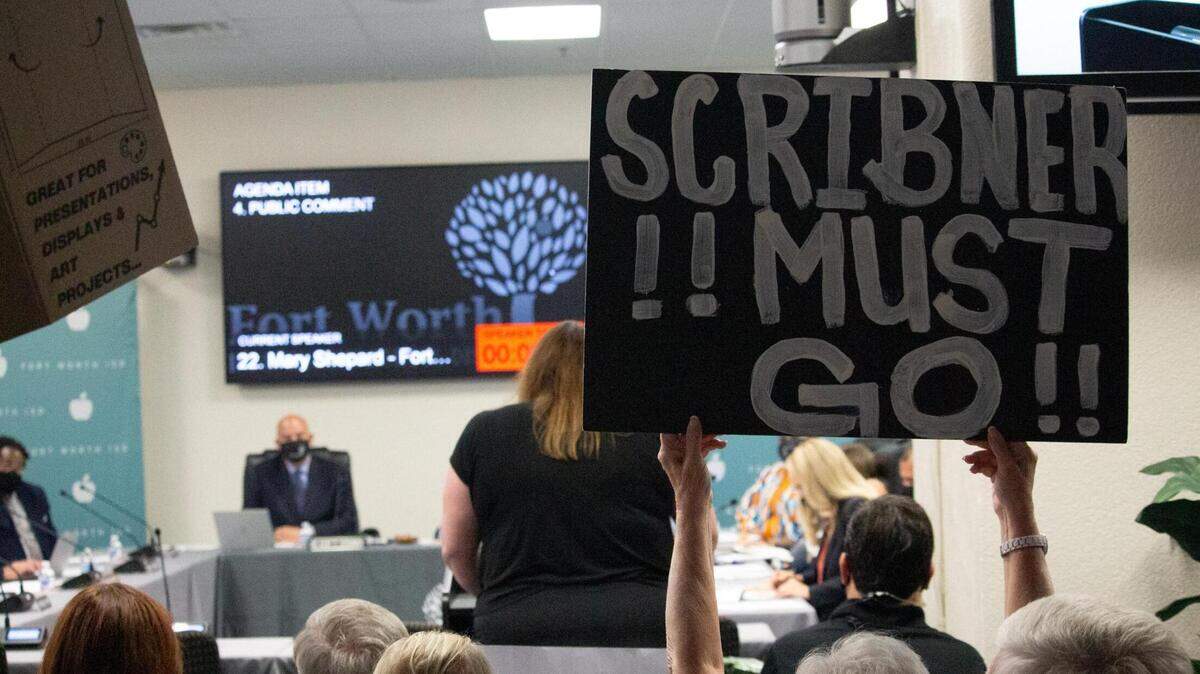
Reading and math scores have been dropping since 2012. Math scores are at their lowest point ever. FWISD students are performing worse now than when Superintendent Kent Scribner was hired, according to the Center for Achieving Student Success, which analyzed Texas Education Agency data.
The numbers show a widening gap between students here and those enrolled in Dallas ISD, beginning in 2016.
With property appraisals in Tarrant County increasing on average by 8.2% this year, according to the Tarrant Appraisal District, asking families to finance so much construction right now is an added burden.
The economy’s shaky status and record inflation support calls to postpone major construction projects like these. Passage of the district’s four propositions to rebuild middle schools, construct new sports stadiums and renovate campus arts and athletic facilities will authorize an increase in per-student debt from $15,000 to almost $45,000. Scribner revealed in a recent presentation that the district already holds $1.1 billion in debt.
Fort Worth ISD is shrinking, not growing. Bond advocates claim otherwise, but according to TEA data and the district’s own attendance figures, the student body has dropped by 14% since 2016, while the city of Fort Worth’s population has increased. Calls for new construction at this time due to growth simply are not based on reality.
When asked about the declining attendance at a recent bond presentation, Scribner cited the pandemic as the cause, seeming to suggest that it was a temporary issue. But that doesn’t address the decline that began three years before COVID-19.
The apparent inability of current leadership to accomplish basic performance and attendance goals with the amount of revenue the district operates on is concerning. FWISD’s budget last year was more than $836 million. In November 2020, the district increased its property tax rate by 7.5%, collecting $66 million more.
FWISD is getting more than $260 million in federal COVID relief. Taxpayers deserve to know why the Board of Trustees has not been able to operate with an abundance of revenue before being expected to support yet another tax increase.
The district’s recent decision to sue the governor over his mask-mandate ban, along with its belligerent legal fight against parents over mask policy, demonstrate its irresponsible money management. These expenditures, along with the recently discovered $2 million spent on equity consultants, are reason enough for voters to hesitate to trust such a group with more money.
Another huge concern is trustee Cintos Ramos’ apparent conflicts of interest. He holds dual roles on the FWISD board and as chief of board governance and leadership at Leadership ISD, a vendor that sells social/emotional learning and equity and diversity training to school districts.
State law prohibits district officials from outright advocating for a bond proposal. It’s arguable that leaders have crossed the line.
We share concerns about the decline in student performance over the last several years, but we do not believe new construction will help solve the problem any more than it did with the 2017 bond program, as was promised.
Voters deserve neutral and accurate information about proposals like this before voting. And concerns about curriculum and shaky money management must be addressed.
We encourage district leaders to recommit to a policy of honesty, fiscal responsibility and moral leadership. And we urge voters to join us in voting “no” on all four propositions.
This story was originally published October 30, 2021 at 6:03 AM.